| Author |
 Replies: 19 / Views: 3,938 Replies: 19 / Views: 3,938 |
|
Pillar of the Community
Canada
1275 Posts |
This coin has been cleaned in the past but not harshly enough to leave any scratches but it has a polished look in places. I was wondering how it effects the grade and value. All comments and opinions appreciated. Will the polished look on the higher points ever tone over properly? Cheers, Bill 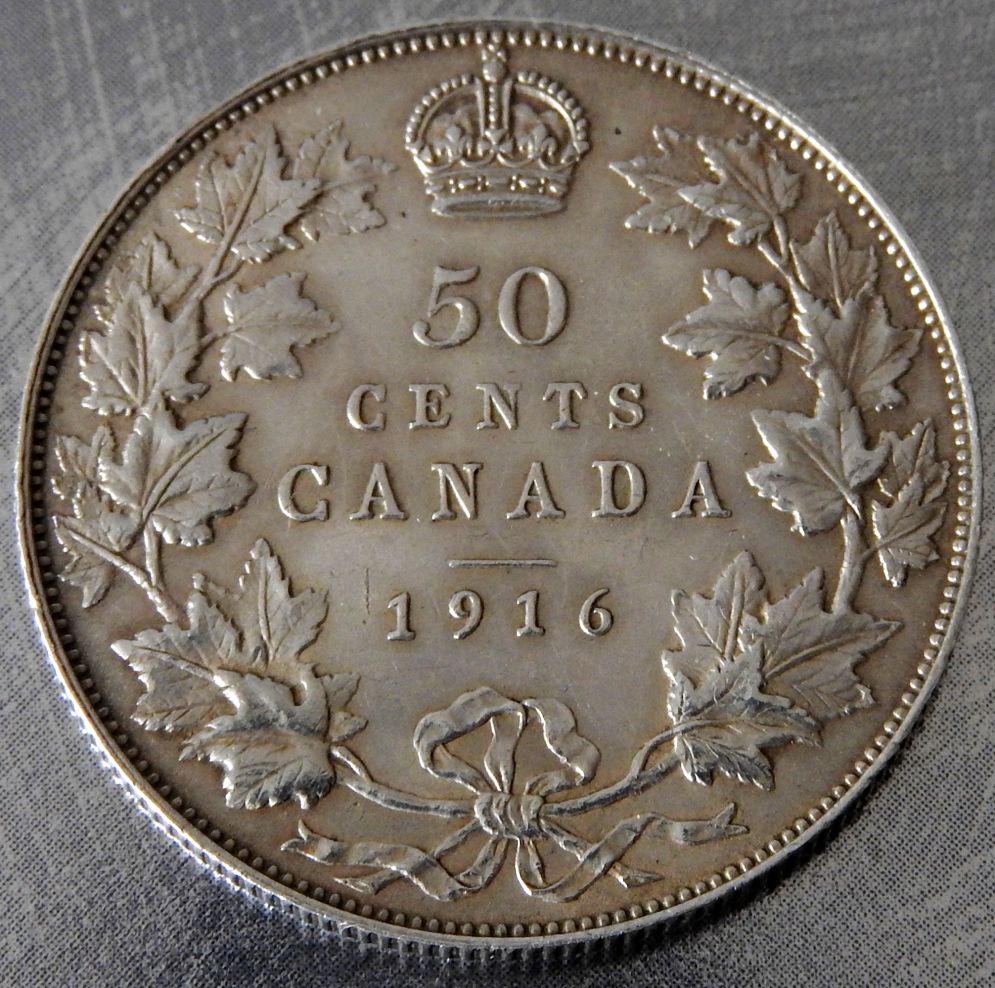 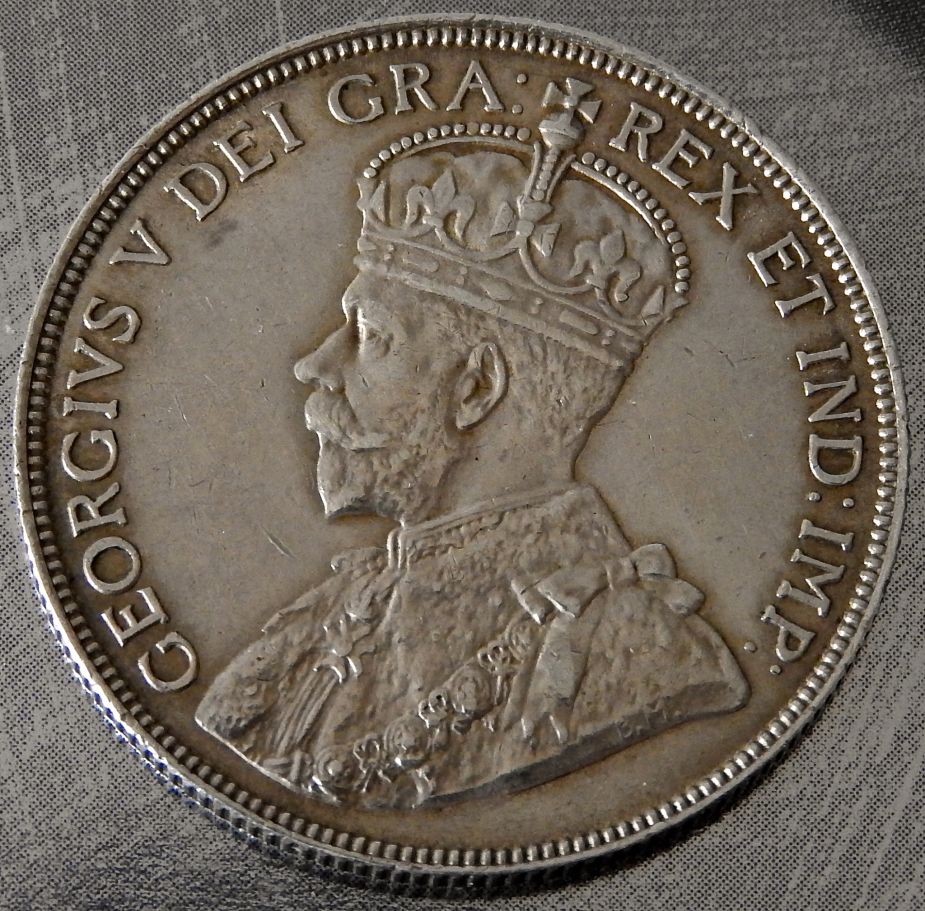 |
|
|
|
Pillar of the Community
 Canada
9903 Posts |
EF40
Appears to have been overdipped, luster has been killed. Doesn't affect the grade but many collectors of coins in this grade are looking for some luster.
"Dipping" is not considered cleaning...
-from PCGS website
Edited by DBM
03/03/2016 5:51 pm
|
|
Bedrock of the Community
Canada
10743 Posts |
Yeah, I agree with DBM but, it's a lot better than mine..  |
|
Pillar of the Community
Canada
2187 Posts |
I'd say EF45 from a details point of view
|
|
Pillar of the Community
Canada
993 Posts |
My compliments to you for the excellent photos.
I'd say this coin is EF-45 cleaned.
Edited by Peter4805
05/22/2016 03:32 am
|
|
Pillar of the Community
Canada
638 Posts |
I will go EF40 on this one Bill. I don't believe it would effect the grade and value.
MG
|
|
Pillar of the Community
Canada
9801 Posts |
|
|
Valued Member
Canada
257 Posts |
|
|
Pillar of the Community
United States
5828 Posts |
Whats that line on the rim of the coin? is this a cast counterfeit?
|
|
Valued Member
Canada
257 Posts |
ChildOfTheWheat is very observant. Might be worth a pass over with a magnet. And a photo of the edge. Other than that rim from 8-12 O-Clock, I also see extra metal like a seam running along the edge Edge being the "third surface of the coin" - sometimes with lettering Rim being the upraised part that encircles the diameter on both sides From the PCGS website: Quote:
Cast Counterfeits
The most basic and most crude of all counterfeit coins are cast copies. These generally are manufactured not for the purpose of fraud, but to create a copy as a souvenir or promotional giveaway.
Usually the cast copy can be easily identified by a seam that runs around the outside edge or circumference of the coin. This seam appears at the point where two molds, obverse and reverse, are joined. As the metal is poured or forced through the opening in the edge and fills the voids of the mold, a "coin" is produced.
Casting has come a long way from its early beginnings, and some cast copies today are made from plastic molds, using centrifugal force. These are of a slightly higher quality, but still can be detected by noting their faulty edges (unless they have been filed) and lack of surface detail.
The most commonly seen cast copies of American coins are colonial and territorial pieces. A number of crudely made cast pieces were manufactured for the sole purpose of being sold as souvenirs on historic occasions, and these are easily detected.
Virtually all cast counterfeits are underweight, compared with the genuine coins from which they are copied, due to the fact that base metals usually are used in place of any precious metals that would have been present in the original coins. The base metals most commonly used include pewter or some other combinations of tin, zinc, or lead. |
|
Pillar of the Community
Canada
993 Posts |
Good eye ChildOfTheWheat. That line on the rim completely escaped me. Now you have me wondering.
|
|
Pillar of the Community
Canada
1463 Posts |
It has that cruddy struck with die cast dies counterfeit look. But I don't see anything in the devices themselves that stand out. I say it's legit, but with some comparisons to other genuine 50 cents in the series it may turn out to be a fake.
Assuming it's genuine I'll say ef45
|
|
Pillar of the Community
Canada
1049 Posts |
I disagree with it being counterfeit/cast. If you really look at the seam that shows on the rim, on the lower part of the seam there is the same dotting in areas as there is on the background the coin is laid on for the pic. Perhaps reflection/refraction causing such (including the look of a seam). Otherwise on both sides I can't see any evidence of pitting irregularities that are usually host in cast copies.
Edited by M_d_in_guy
05/22/2016 11:29 pm
|
|
Valued Member
Canada
395 Posts |
Can't say much for counterfeit or not but I agree with general grades mentioned. However I do believe the overdip/polished look to it will reduce it's value(at least half a grade if not full grade less in value) as it's very easy to see and not pleasing. It's to bad because the details are great.
|
|
Pillar of the Community
Taiwan
607 Posts |
To me it looks like a reflection from the angle and lighting of the photograph. The polishing of
the coin and lack of luster definitely kills the grade and value of the coin. You might get it in an
ICCS flip with a numerical grade as they are much more forgiving on cleaned coins. This coin
would be slabbed by PCGS with a numerical code of 92, indicating a cleaned coin. NGC would
slab it as XF details.
|
|
Pillar of the Community
 Canada
1275 Posts |
I see what concerned some in the first pictures but I assure you this coin is genuine. This is a great looking coin in hand and it's not near as lifeless as the pictures make it look. I've added more photo's that were taken in daylight only and they haven't been adjusted other then cropping. I think these photo's are better they look more like the coin really is then the first set. Cheers, Bill 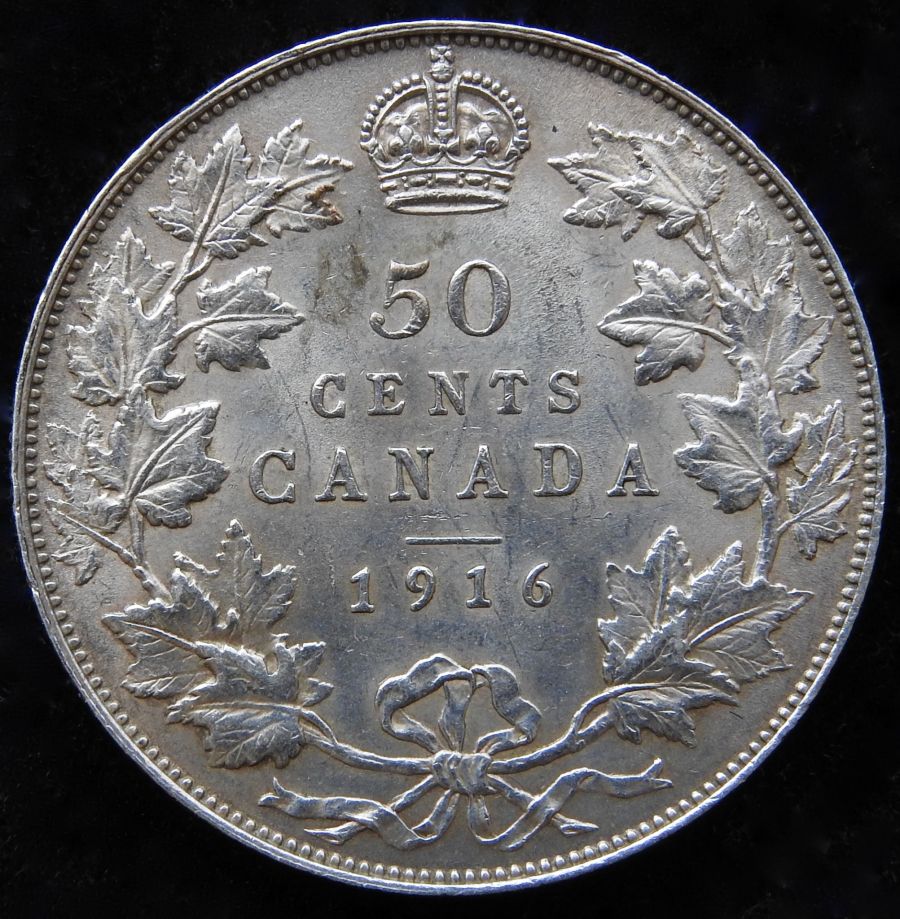 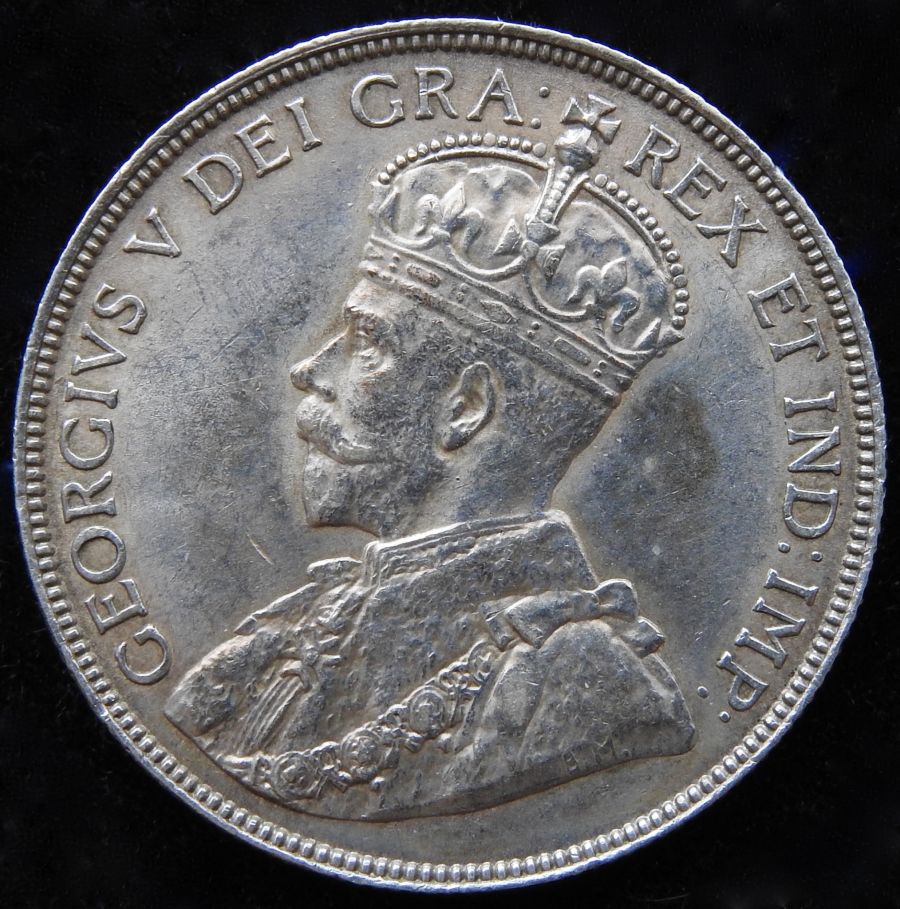 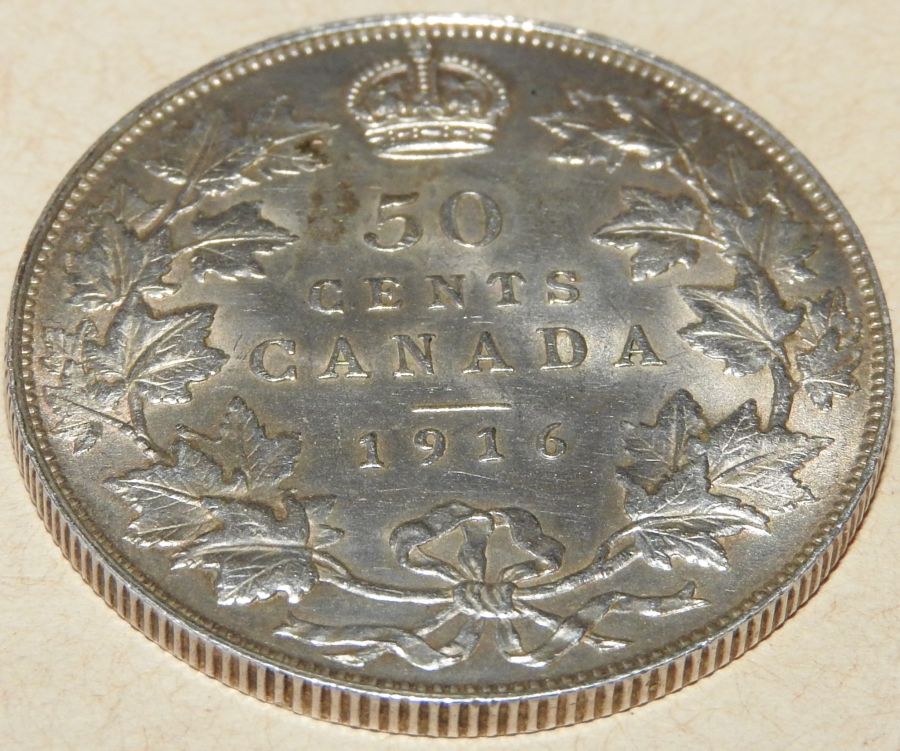 |
| |
Replies: 19 / Views: 3,938 |







 Posted 03/03/2016 6:48 pm





