Glad to see there was already a thread on this.
I know there are at least a handful of members who have these Poland copper solidus/schilling coins of the 1660s in their collections.
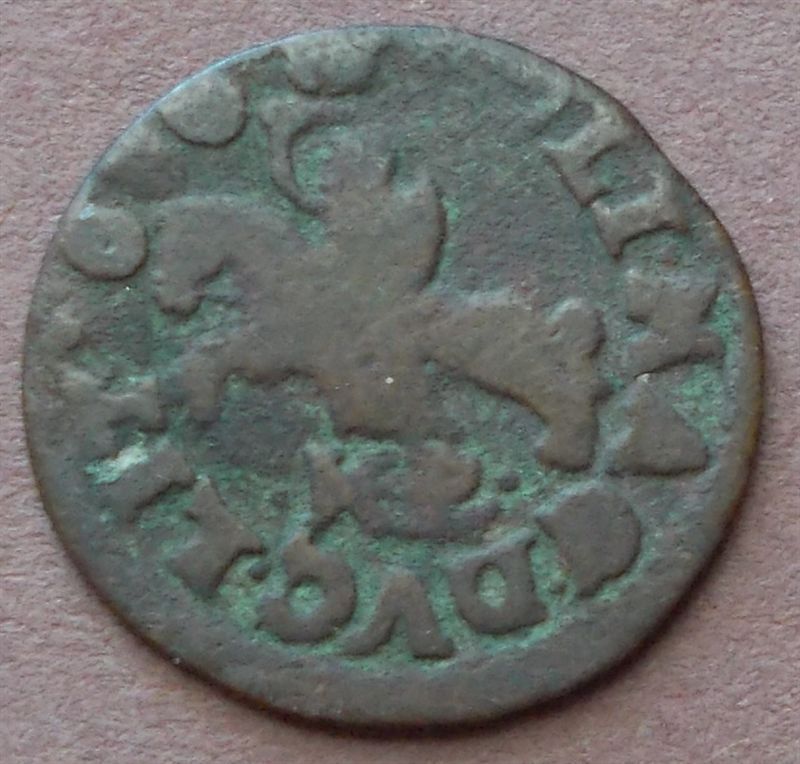
I recently saw one in very nice grade on
ebay at a fair price (see the last page of this thread:
http://goccf.com/t/332606 ). After comparing the details to examples in Numista, I bought the coin because of some unusual things in the legends. In hand, I saw more anomalies, and sent photos to WCN for an opinion. Mr. Marek Kondrat, the principal there, kindly sent me this response:
It looks like a Moldavian counterfeit of Jan Casimir Solidus. They were made in Suceava, now in Romania, but this city was known from many copies of billon coins. Most of these forgeries are unknown or not described, even in Mr Buzdugan book.
It's curious, but counterfeits of "boratynki" are selling better than genuine coins.
So, there are a lot of these Jan Kazimierz solidus coins on the market, both in European auctions (often as large lots), and on
ebay. The comment by @giedrius aligns well with the comment from Mr. Kondrat on contemporary counterfeits in the market. But Numista has images from the most respected auction houses in Poland (WCN, Niemczyk, etc.) with a CCF colleague as moderator.
I would say, compare what you are looking at (eBay, etc.) to examples in Numista, which are very well researched (you will find multiple variants [photographed for mmany date/mint combinations). If you see large differences, there may be a reason.
For me, I am keeping my counterfeit (the first I have acquired knowingly), as it is a contemporary one, and hence still has some historical value.












 Posted 04/14/2016 9:57 pm


 IOAN
IOAN


