| Author |
 Replies: 16 / Views: 4,328 Replies: 16 / Views: 4,328 |
|
New Member
United States
1 Posts |
I got this blank penny in my change the other day and wanted to see what it's worth. ebay can be deceiving. Any help would be great. Thanks. 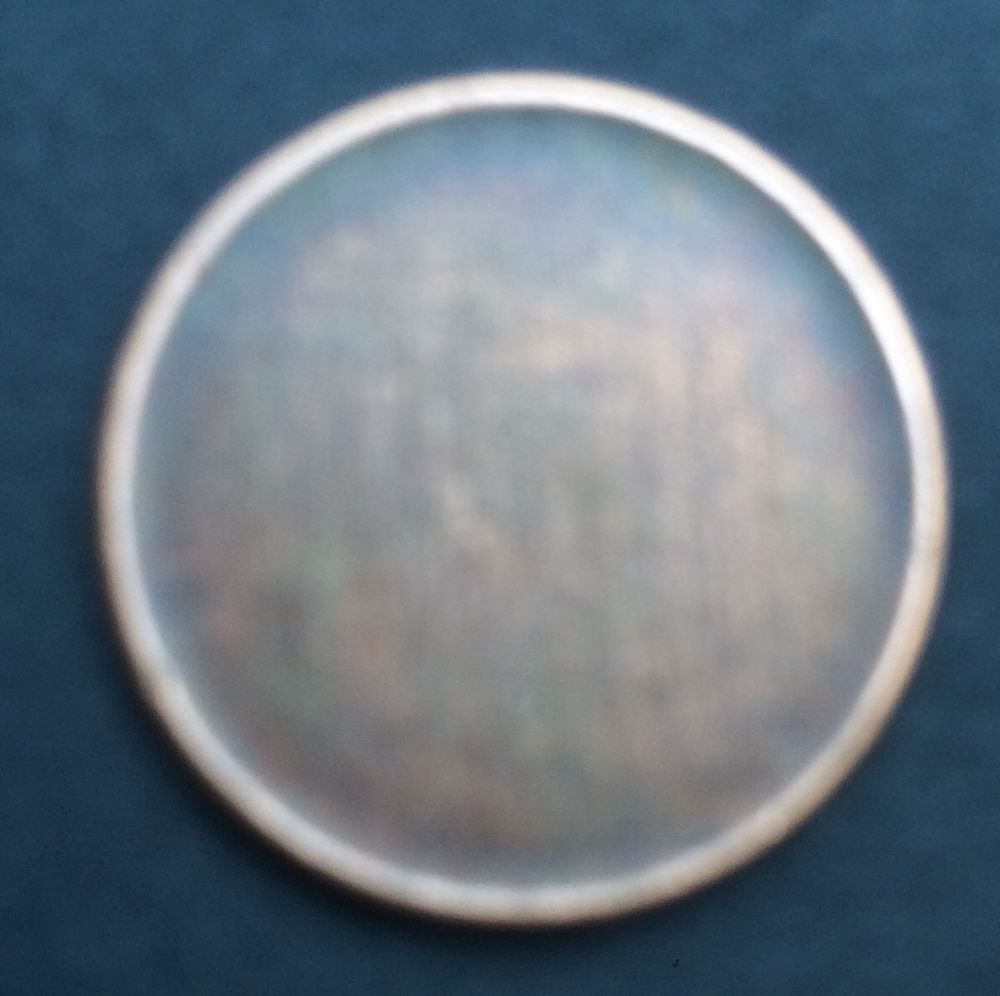 *** Moved by Staff to a more appropriate forum. *** *** Moved by Staff to a more appropriate forum. *** |
|
|
|
Valued Member
United States
219 Posts |
Looks like a blank planchet. It's worth a couple bucks.
|
|
Bedrock of the Community
United States
62064 Posts |
It is probably a planchet. A blank and a planchet are steps of the process of making coins. It is either, blank (type 1) or planchet. (type 2) A blank is a cut out for a coin. A planchet has the rim setup process done, making it a planchet.  So the term "blank planchet" is an incorrect term. Edited by coop
04/23/2016 1:59 pm
|
|
Valued Member
United States
96 Posts |
Coop, Didn't you show a die/hub combo that reflected the plated parts of a plated cent are actually formed BEFORE the plating is added to the planchet?
The picture above contradicts that, just trying to understand the process...
Thanks,
Robert
|
|
Bedrock of the Community
United States
62064 Posts |
Not sure if I have the right question or not. But the procedure normally is: 1. blank cut 2. run through upset mill making it into a planchet. 3. plated 4. struck The first three steps are done outside the mint as they buy the planchets that are already plated. (steps 1-3 done before the mint get the planchets) It is possible that the planchet could not be fully/partially/not plated before they were struck. It is also possible that a blank could also be not run through the setup mill and even be plated. It is also possible that a blank could also be not plated. I would think that they would watch for these, but like a lot of things, they can slip by during the striking process. I re-edited the image to include more information. 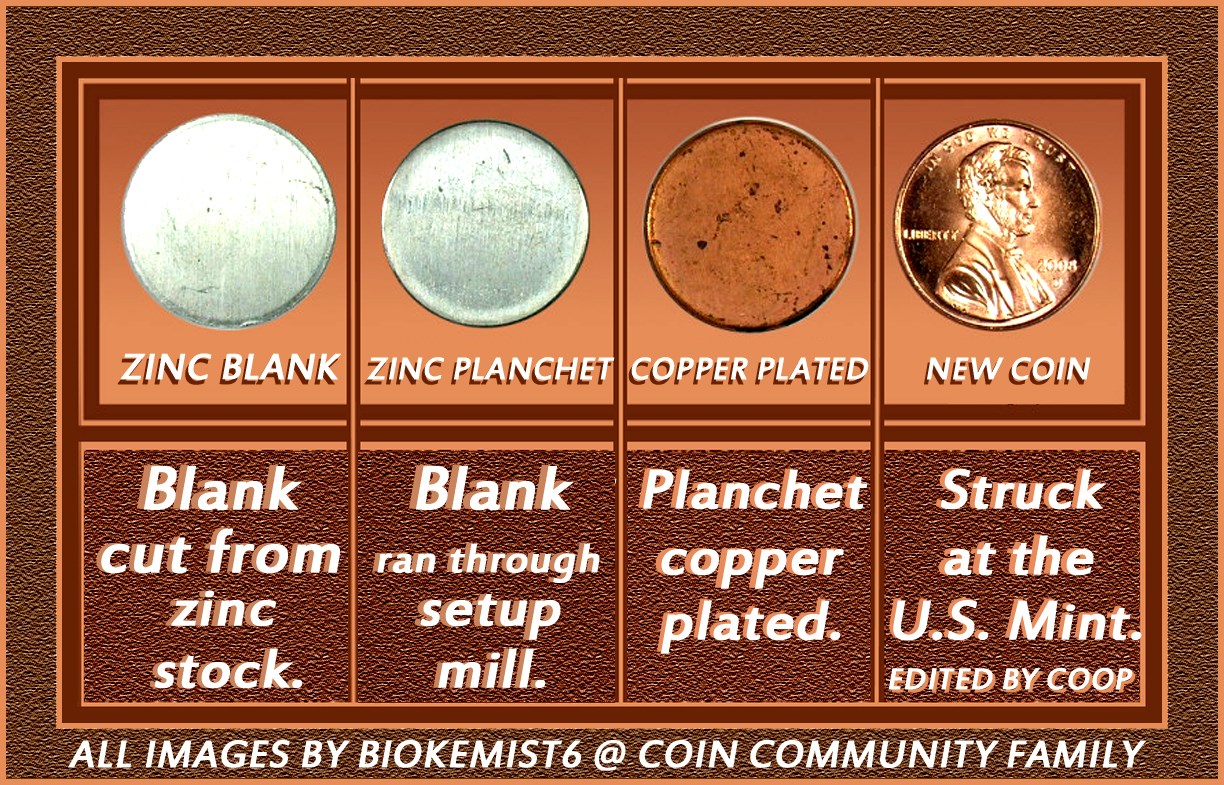 Edited by coop
04/23/2016 2:51 pm
|
|
Pillar of the Community
United States
1572 Posts |
Out of curiosity, what does the other side look like?
|
|
Pillar of the Community
United States
5964 Posts |
It's the same, it hasn't been struck.
|
|
Valued Member
United States
96 Posts |
Try this again,,,, Here is a pic of the post that made me think the plating was stamped on its own, before being added to the planchet Robert 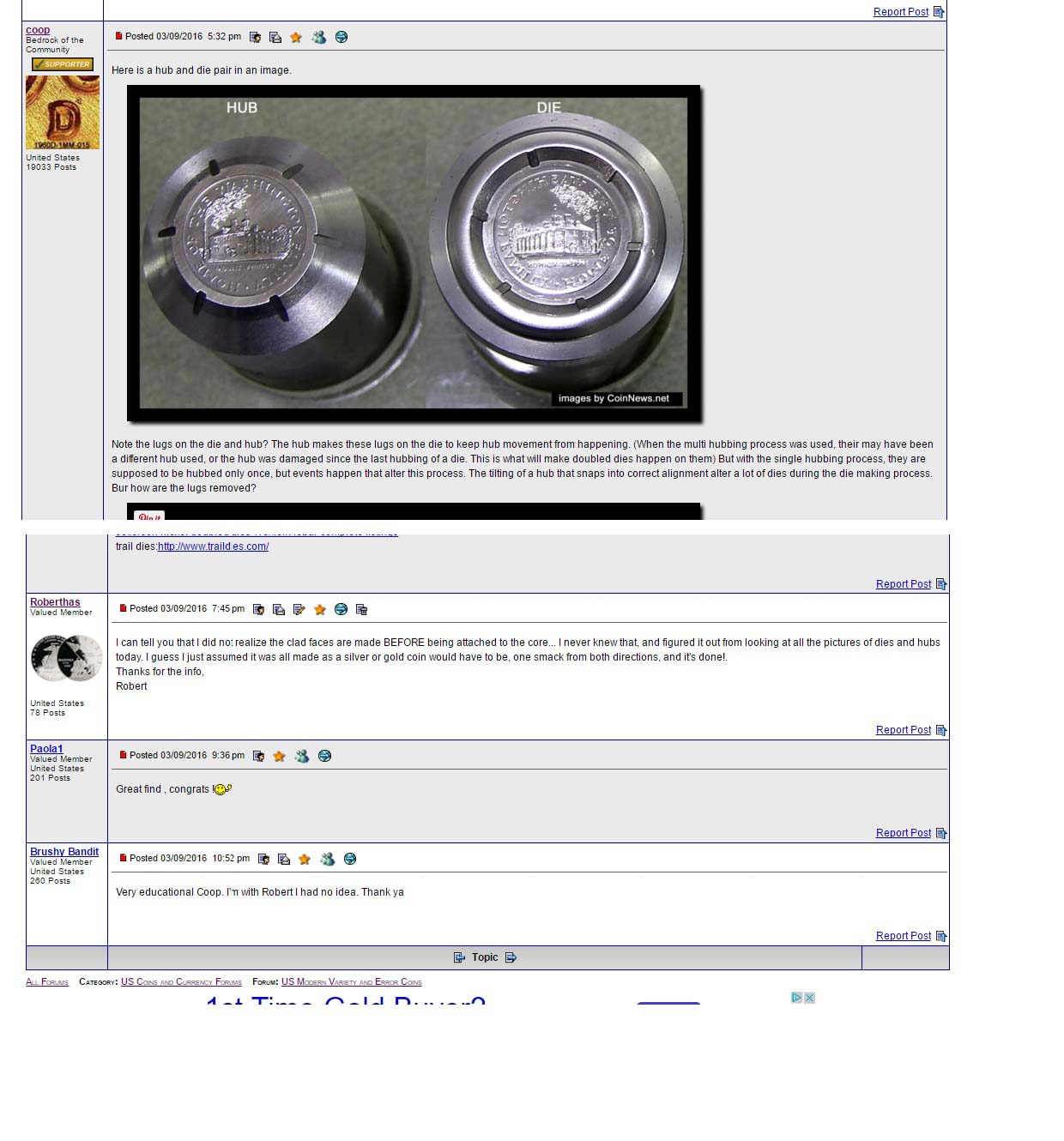 Edited by Roberthas
04/25/2016 1:59 pm
|
|
Bedrock of the Community
United States
12437 Posts |
Quote:
Here is a pic of the post that made me think the plating was stamped on its own, before being added to the planchet What part of that image makes you think planchets are assembled like a Lego set  The image deals with a hub and a die, nothing related to a blank/planchet is shown. Blanks are punched from coiled sheets of metal stock. Clad layers are bonded together in sheet form while Zincoln blanks are punched from sheets of zinc, milled into planchets, and then electroplated(all done by Jarden Zinc before delivery to the Mints). |
|
Valued Member
United States
96 Posts |
biokemist6, The image above of hub/die only shows one image,, the same image. This is what made me think that it formed the plating for one side. I even stated so in the thread and included that part of the thread. Another member chimed in and said this was news to him also.
The process you describe sounds like what I would imagine but the several images Coop attached that were FRONT and BACK of one image, not BOTH sides of a coin were what led me to thinking this.
I am unsure if you are pointing out two different types of coins above with Blanks are from metal stock(nickel, dimes), and Zincoln blanks (to make pennys?)
Maybe it is that I am not aware of what a hub and die are for since you point out they are not related to a blank/planchet?
Robert
|
|
Bedrock of the Community
United States
12437 Posts |
Quote:
The image above of hub/die only shows one image,, the same image Yes, that is because the hub is what is used to make the working dies. A hub has positive relief, just like a coin, while a die is incuse(negative relief). Quote:
I am unsure if you are pointing out two different types of coins above with Blanks are from metal stock(nickel, dimes), and Zincoln blanks (to make pennys?) All US coin blanks are punched from coiled stock sheets but Zincolns are the only blanks that need further processing(electroplating) prior to the formation of the protorim during the edge milling process. Edited by biokemist6
04/25/2016 5:19 pm
|
|
Valued Member
United States
96 Posts |
I understand now that the hub is used to make the die
That was not clear before, I was wrongly assuming they were used in conjunction just as an obverse die and reverse die must be. (at the same time, on one coin)
It is good to know the process worked as I originally thought...
Thanks,
Robert
Mills92211, sorry for hi-jacking your thread
Edited by Roberthas
04/25/2016 6:25 pm
|
|
Valued Member
United States
148 Posts |
I found this one today. blank, plated on both sides 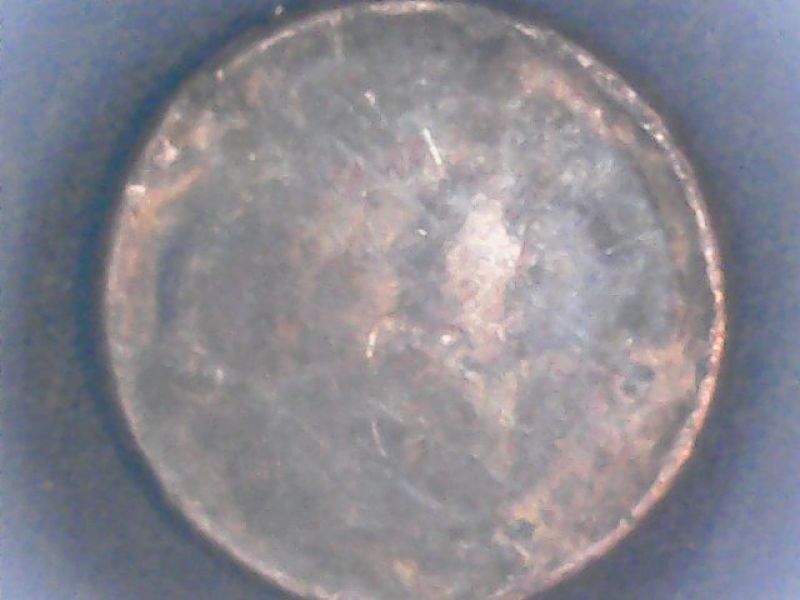 |
|
Bedrock of the Community
United States
62064 Posts |
Here are the steps for die creation: 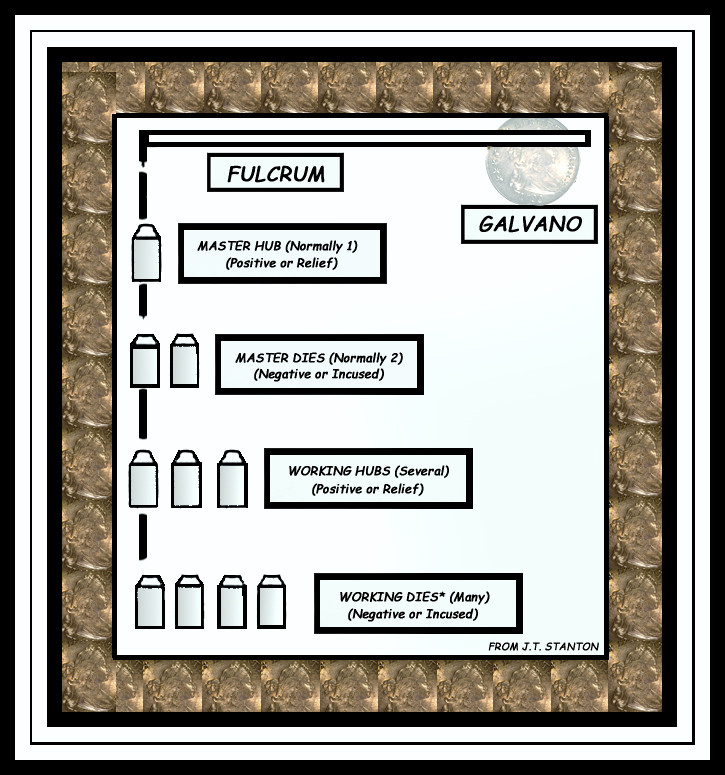 Not figuring the template creation and the stock preparation for the hub/die material. |
|
Valued Member
United States
148 Posts |
Hahahah, a guy on ebay calls it 100% off center error! |
|
Pillar of the Community
United States
3516 Posts |
I mean technically it is because on say a 60% off center error 40% of the coins details are present. So on a 100% off center error, 0% of the coins details are present. Also known as a blank planchet.
|
| |
Replies: 16 / Views: 4,328 |










 Posted 04/22/2016 11:02 pm


