| Author |
 Replies: 154 / Views: 12,955 Replies: 154 / Views: 12,955 |
|
|
|
Valued Member
 United States
302 Posts |
Yes, question #2 on the definition of a bridge die has been partially answered. A bridge die in the context of the 1859 catalog is an obverse that was coupled (I don't use "married" because I've never personally observed a die marriage ceremony and marriage as an institution seems to be getting less and less popular) with an 1859/8 and an 1859 N9 die. We still need the names of the other two bridge dies. Question 1 remains unanswered. Question 3: What is the significance of the different nomenclature systems for Obv. 1a vs. the other two bridge dies and what important point does this emphasize regarding Royal Mint policy? |
|
Pillar of the Community
New Zealand
1679 Posts |
1.  Cheers Don
Vickies cents and GB Farthings nut.
"Old" is a figure of speech and nothing more
Edited by fourmack
04/30/2016 5:15 pm
|
|
Valued Member
United States
302 Posts |
Oh, oh. Can somebody help poor Don?
|
|
Valued Member
United States
302 Posts |
I actually missed one of Don's posts. The three bridge dies have been successfully named, as has the reason why Obv. 1a is named in my system, not Rob's. What remains for us to discuss are the implications of some 1859/8 coins being stuck prior to 1858s! Anybody want to comment?
Edited by JHax
04/30/2016 9:21 pm
|
|
Valued Member
United States
459 Posts |
Ok day has settled down a bit. Normally the obverses dies lasted longer than the reverses dies by about 3:1 ratio. This is the opposite case where a reverse die outlasted the obverse die. Reverse E2 was paired with obverse die 1 and 1a.
To make this set even more interesting obverse 1a was not only paired with E2 but also with a 9/8 reverse. If these were human "marriages" this set could be the basis for a long running soap opera. Ed
As to the last question above. Are you discussing the implication that at least one 1859 n9 was struck before 1859/8?
Edited by nybird
04/30/2016 11:09 pm
|
|
Valued Member
United States
302 Posts |
Actually I was thinking about two things at once. Sorry  I'm getting ready for a trip and part of my mind is out the door. The really interesting bridging (that doesn't involve an 1859 N9) goes back to the beginning of the overdate coinage, where a single obverse is coupled with an overdate, then an 1858. That's the one I'd like to hear some comments on before we go on to coin No. 26. You guys can have at it for awhile, then I'll give you my take. This might qualify as a diversion, but it's an important one. Edited by JHax
05/01/2016 12:11 am
|
|
Valued Member
United States
302 Posts |
Nobody home on that one? OK, we'll move on to No. 26.... 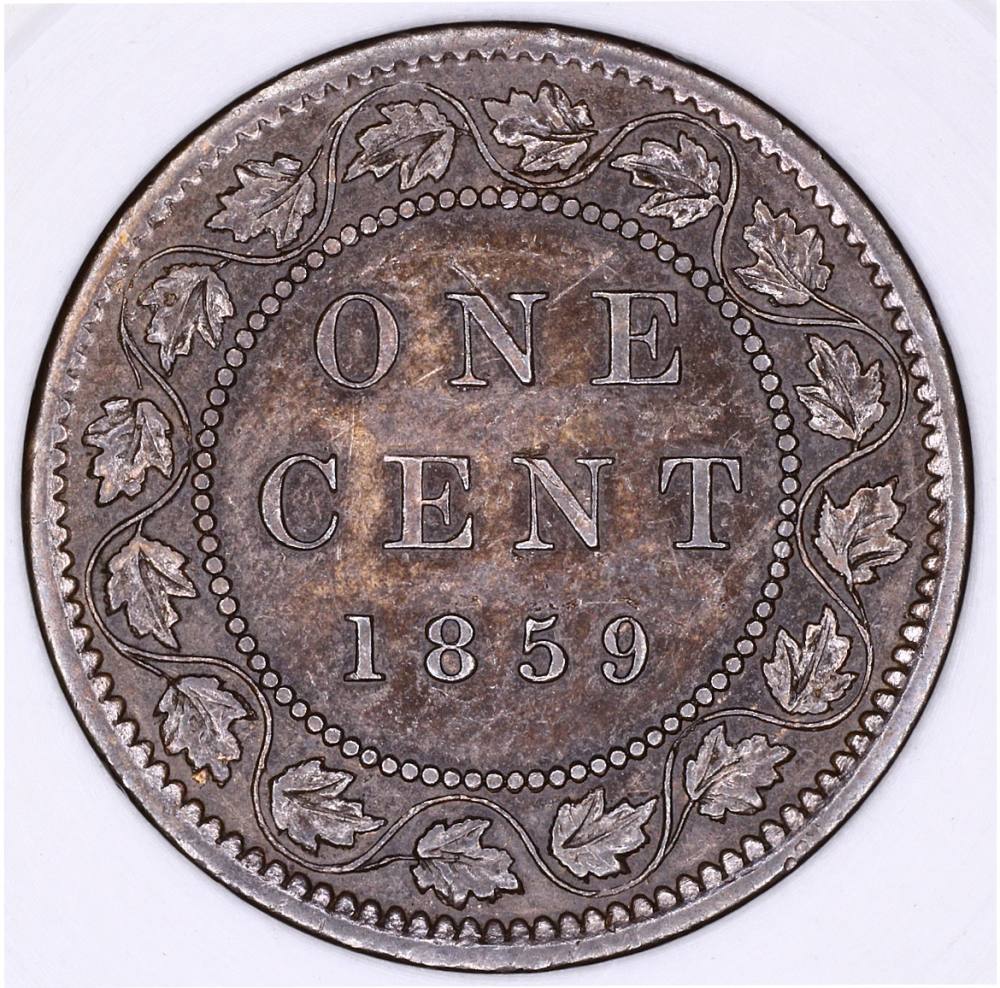 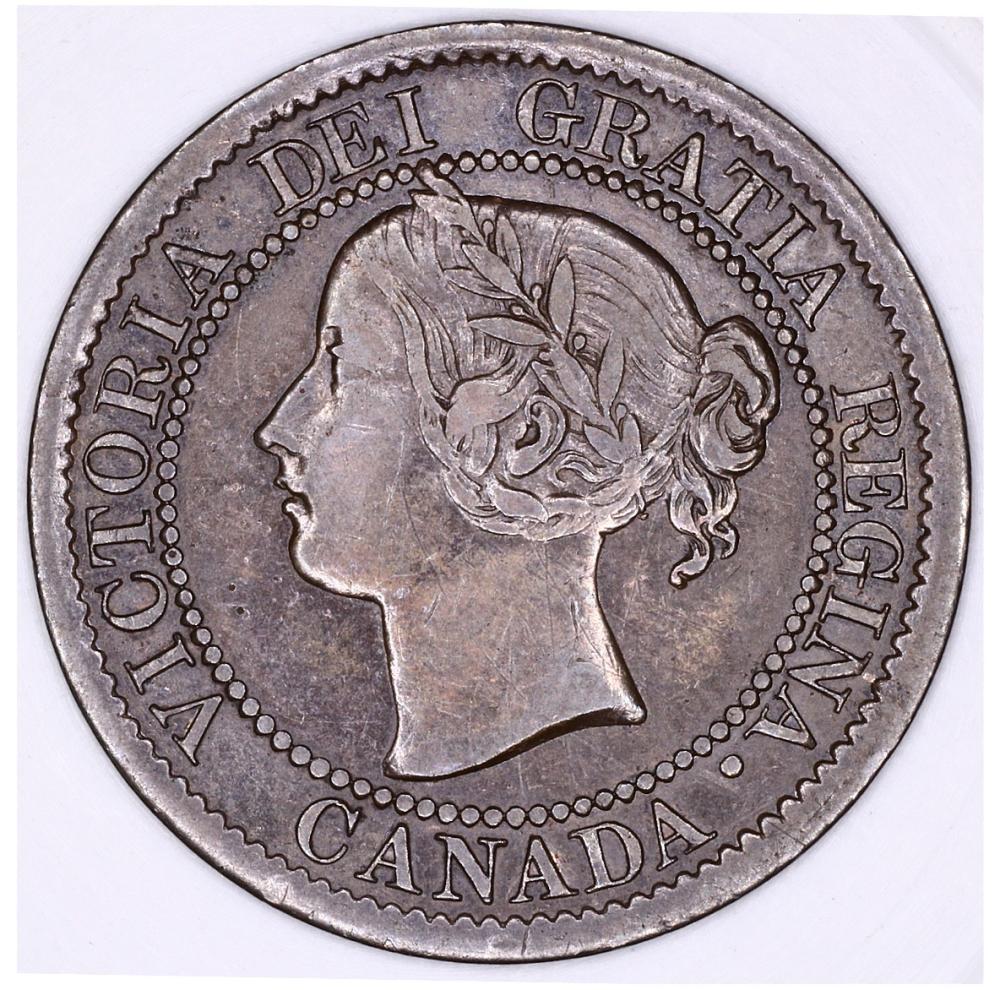 |
|
Valued Member
United States
459 Posts |
Heading out the door,,, but the A in REGINA and stem to leaf 9 look like good starting markers...
|
|
Valued Member
United States
302 Posts |
|
|
Pillar of the Community
New Zealand
1679 Posts |
this 1 has a pretty smell to it Cheers Don
Vickies cents and GB Farthings nut.
"Old" is a figure of speech and nothing more
Edited by fourmack
05/01/2016 3:49 pm
|
|
Pillar of the Community
New Zealand
1679 Posts |
711
Cheers Don
Vickies cents and GB Farthings nut.
"Old" is a figure of speech and nothing more
|
|
Valued Member
United States
302 Posts |
|
|
Valued Member
United States
302 Posts |
No. 27. This is one of phil310's coins. 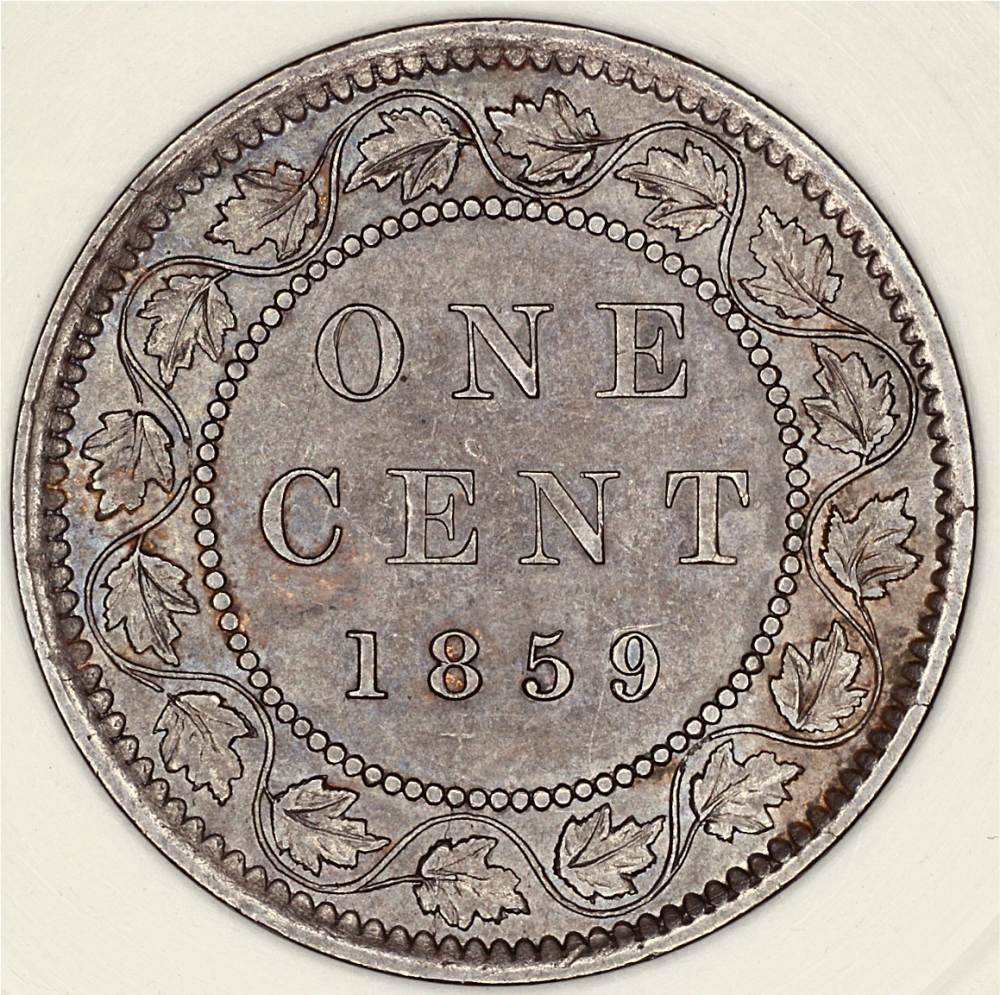 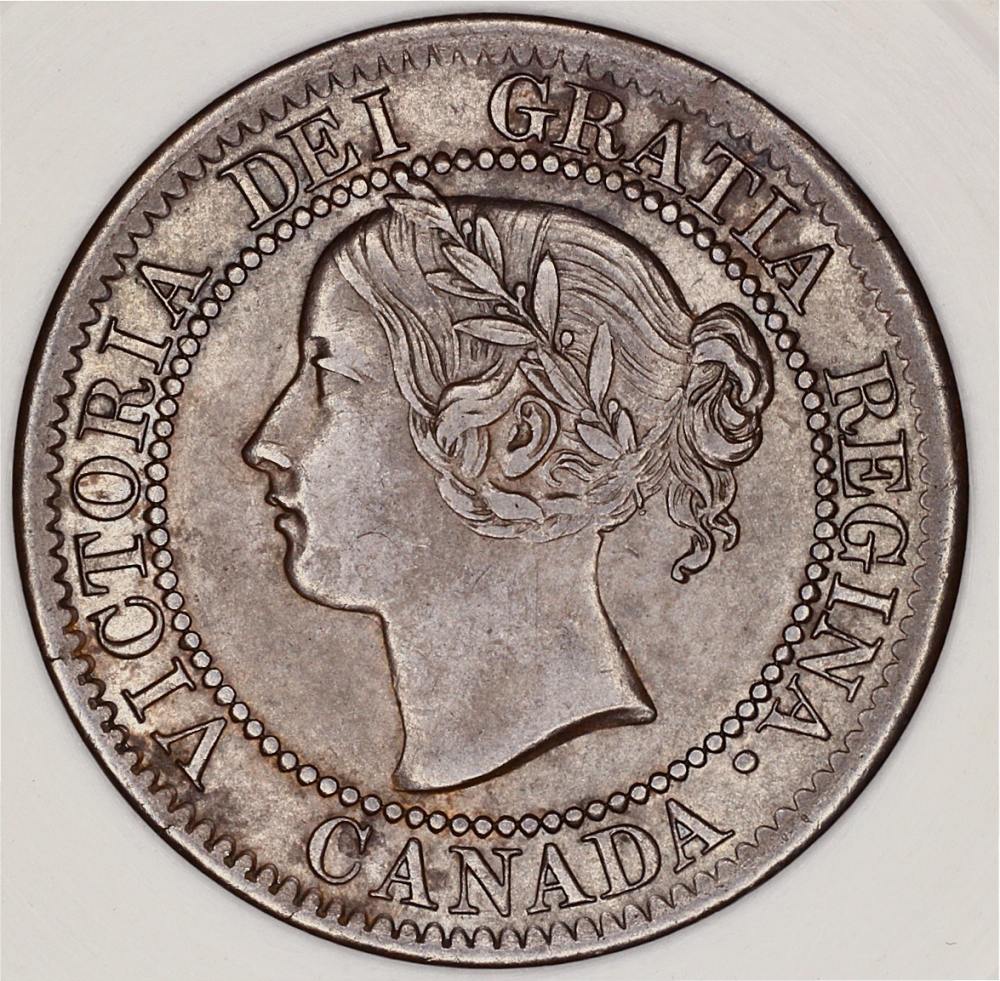 Edited by JHax
05/02/2016 10:24 am
|
|
Valued Member
United States
159 Posts |
|
|
Pillar of the Community
 Canada
5657 Posts |
I don't know, but I had previously set a few of these aside only because of the weird die repair on the vine at 2.
|
| |
Replies: 154 / Views: 12,955 |








 First Page
 Previous Page


 Posted 04/30/2016 5:10 pm


