| Author |
 Replies: 154 / Views: 12,952 Replies: 154 / Views: 12,952 |
|
|
|
Valued Member
 United States
302 Posts |
You're good so far...A scheme in Section 9 has the rest. Like everything else it gets easier with repetition. Pretty soon it will become second nature. To me looking at varieties in this way is what makes it really fun....
Edited by JHax
04/29/2016 5:49 pm
|
|
Pillar of the Community
United States
1101 Posts |
|
|
Pillar of the Community
New Zealand
1679 Posts |
REV
F7
Cheers Don
Vickies cents and GB Farthings nut.
"Old" is a figure of speech and nothing more
|
|
Valued Member
United States
302 Posts |
Well, the answer is Group F and not Groups G & H. But the mystery die isn't F7. Here are the full side photos... 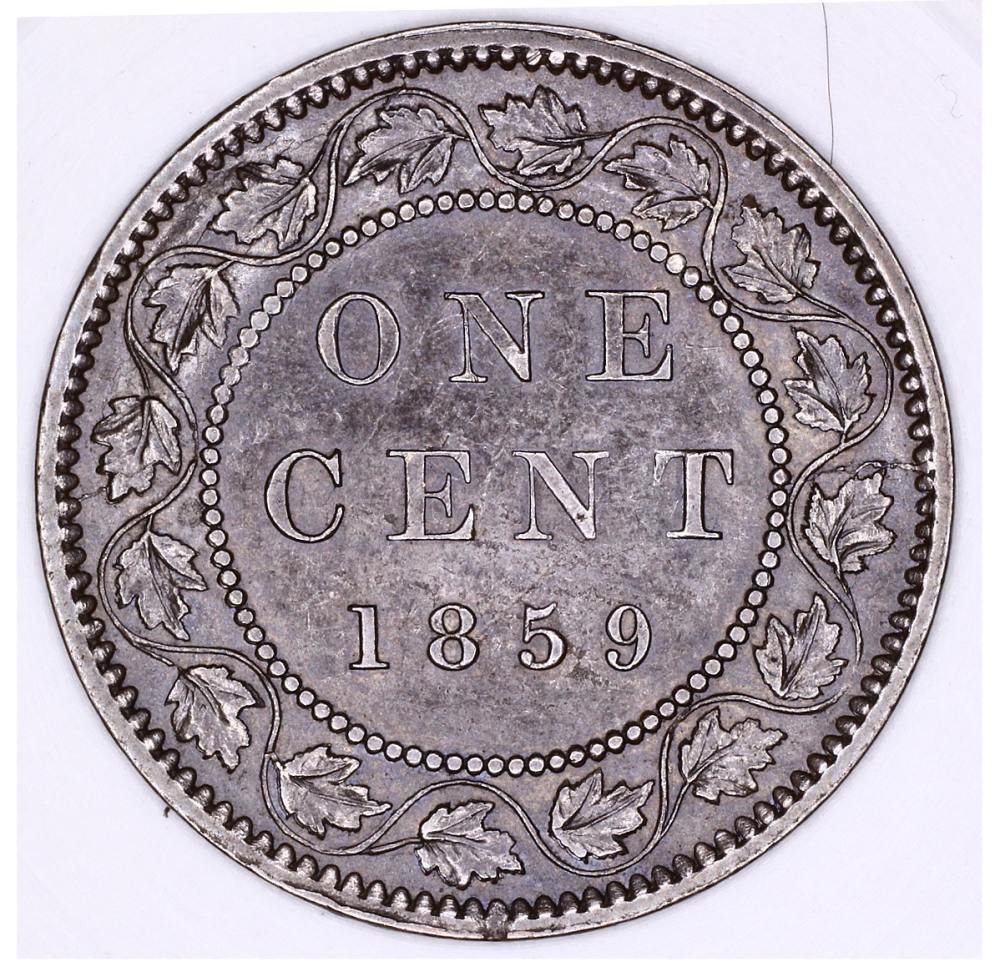 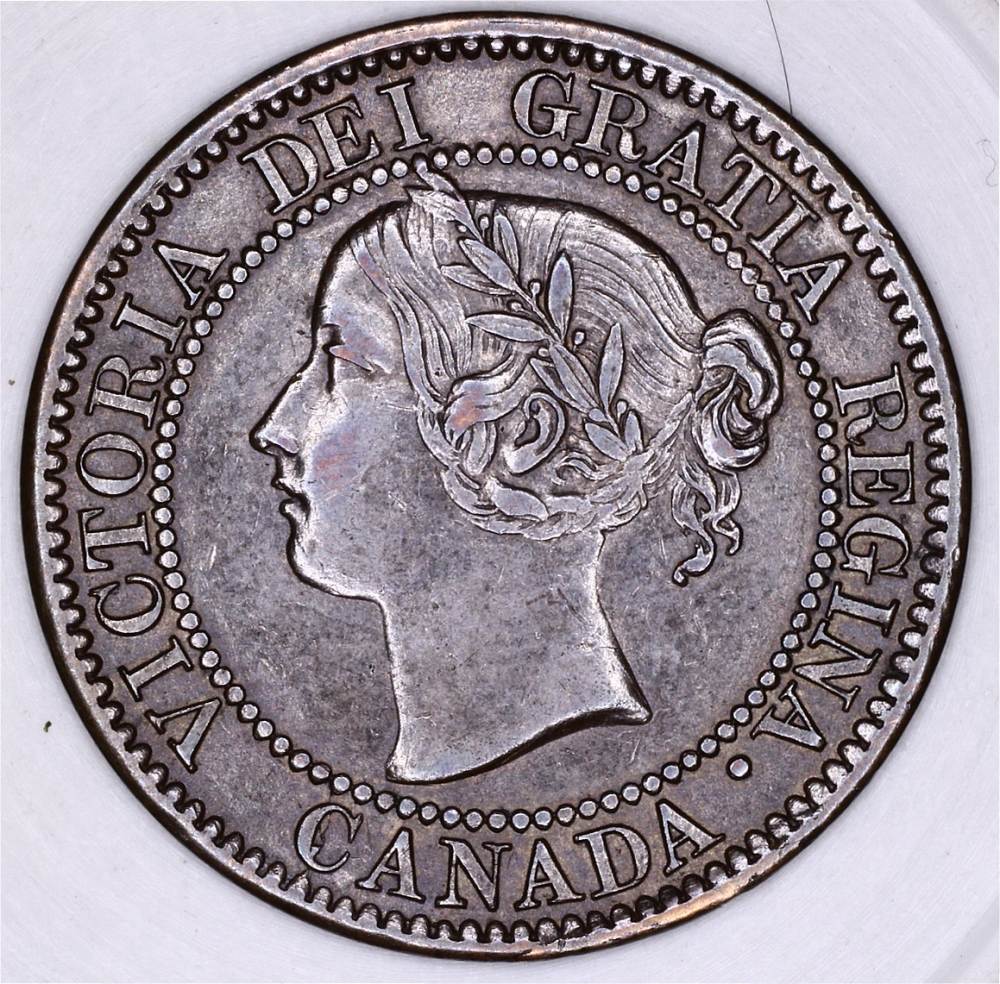 |
|
Pillar of the Community
New Zealand
1679 Posts |
275 REV F3b OBV27
Cheers Don
Vickies cents and GB Farthings nut.
"Old" is a figure of speech and nothing more
|
|
Pillar of the Community
New Zealand
1679 Posts |
I got lost on section 9
Cheers Don
Vickies cents and GB Farthings nut.
"Old" is a figure of speech and nothing more
|
|
Valued Member
United States
302 Posts |
Yes to the die pair! The relevant piece of chart from Section 9 is: 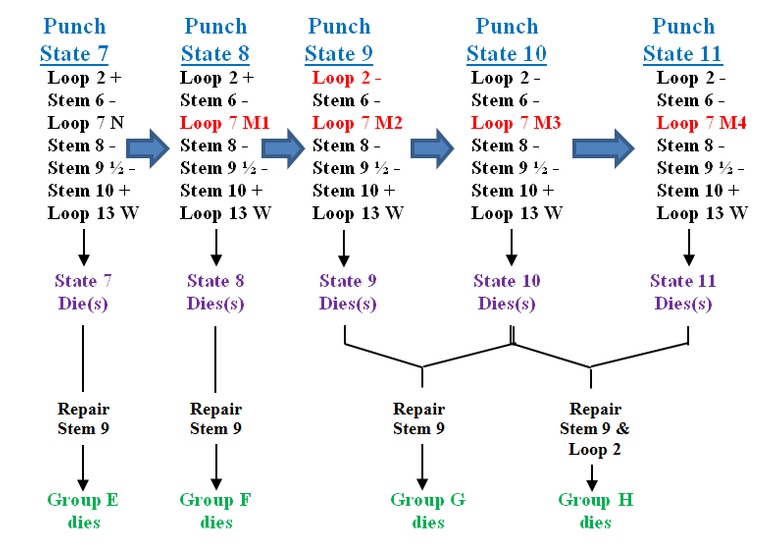 As shown in the chart, the reverse punch in State 8 had a medium gap in Loop 7 (M1) and an original Loop 2, so dies from it became Rev. Group F. But when the punch progresses to State 9, two things happen: Loop 2 breaks and the gap widens slightly to M2. Its derivative dies can therefore no longer be Group F. Bottom line: medium gap sub-category M1 appears only on Group F. I don't pretend that all this is an easy concept to wrap your heads around! You might have to share some Tylenol with okie... No. 25 tomorrow morning. |
|
Valued Member
United States
302 Posts |
No. 25 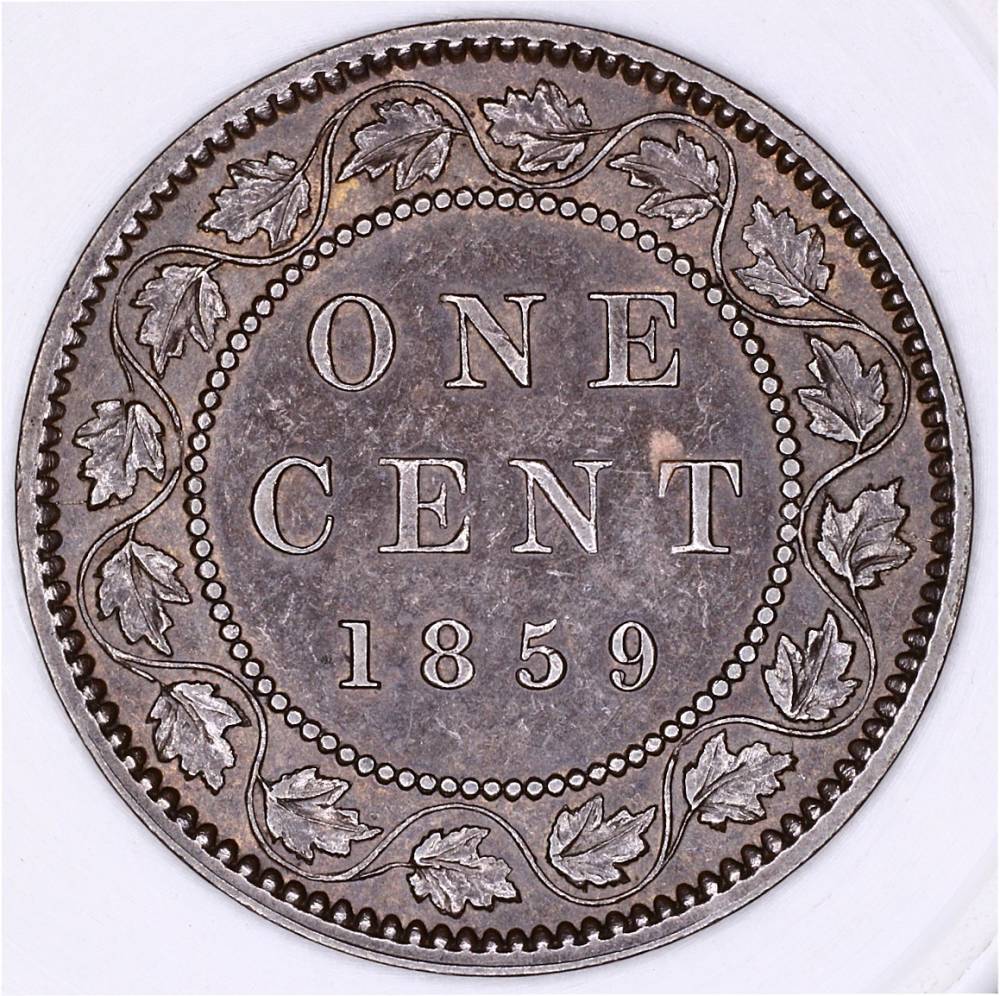 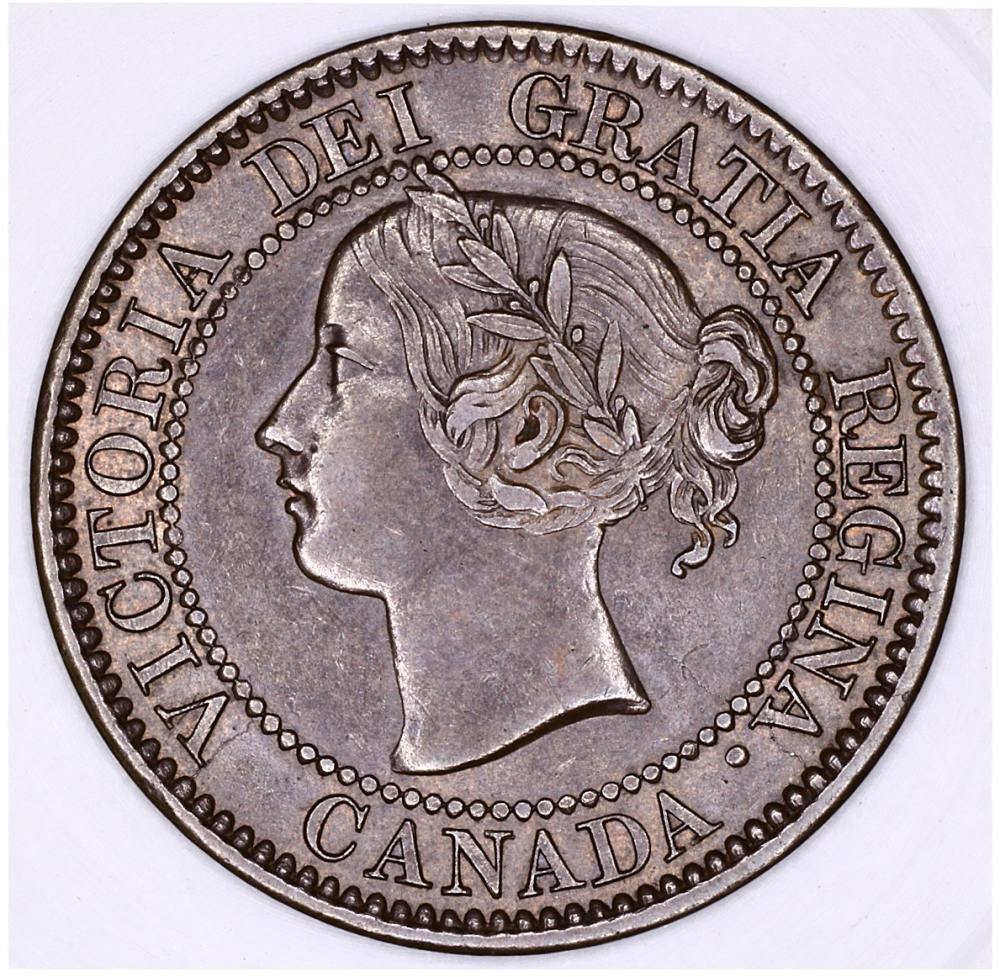 |
|
Valued Member
United States
459 Posts |
|
|
Valued Member
United States
302 Posts |
This die pair prompts several questions, which can be answered by Ed or anyone else who wants to jump in.
1. The obverse die, Obv. 1, of this pair has a relative: Obv. 1a. Why was 1a given that name instead of calling it Obv. 2? Not many obverses have letters as part of their name.
Edited by JHax
04/30/2016 3:53 pm
|
|
Pillar of the Community
New Zealand
1679 Posts |
This is die 1a --which is known as a bridge die number 2 Note the triple G 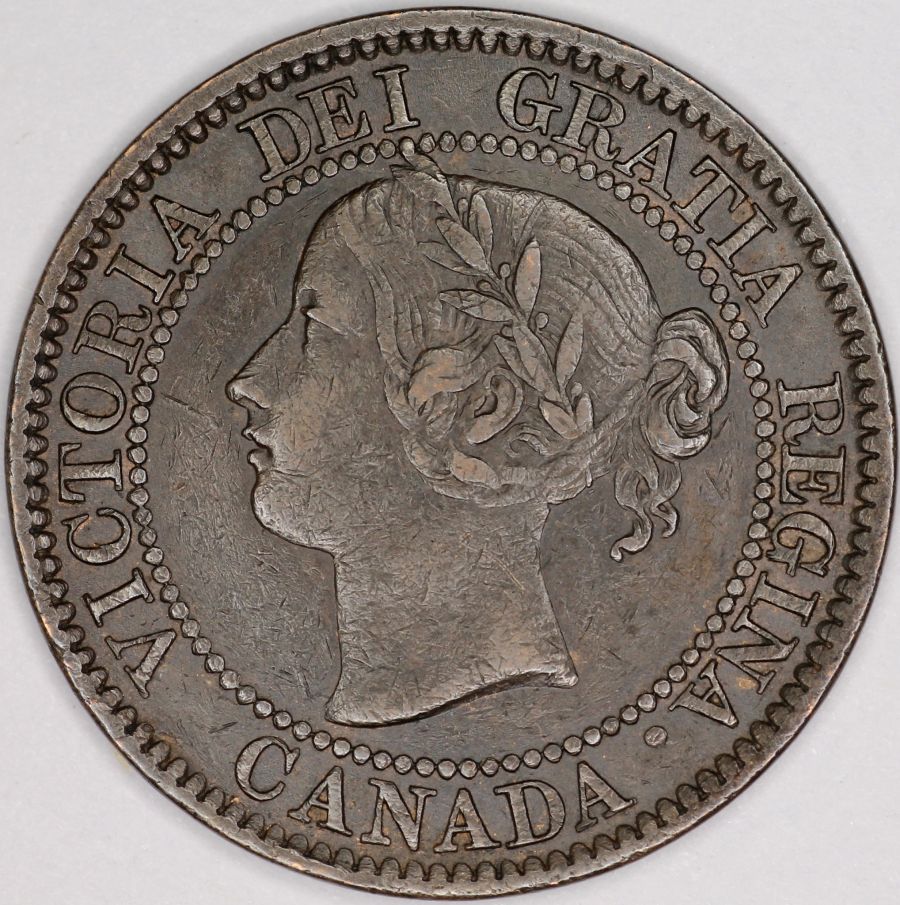 Cheers Don
Vickies cents and GB Farthings nut.
"Old" is a figure of speech and nothing more
|
|
Valued Member
United States
302 Posts |
Question 1 has not yet been answered, but fourmack's post has prompted the second question:
2. What is a bridge die and what are the other bridge dies named?
Edited by JHax
04/30/2016 4:13 pm
|
|
Pillar of the Community
New Zealand
1679 Posts |
This is the only definition I have
Quote
A "bridge die" in this context is a die used on both the 1859 narrow 9 reverse and the 1859 over 8 reverse. As you know Obverse and Reverse dies were replaced and used independently of each other, for example a given obverse may have been paired with 2 or more different reverses. In 3 cases that are known at present a given obverse was paired with at least one 1859/8 and at least one 1859 narrow 9.
Cheers Don
Vickies cents and GB Farthings nut.
"Old" is a figure of speech and nothing more
Edited by fourmack
04/30/2016 4:28 pm
|
|
Pillar of the Community
Canada
1275 Posts |
Could this be a die that was also used in the minting of a coin with a 9/8 reverse.
Cheers, Bill
|
|
Pillar of the Community
New Zealand
1679 Posts |
Yes
Quote
PC59-1a1,This is the second of the three known "bridge" dies, which struck both 1859/8 and 1859 Narrow 9 cents. In this catalog it is designated Obverse 1a, while in his books Turner calls it OG3. Why use a different name? Careful die state analysis clearly reveals that this die was first used with the Narrow 9 reverse E2 and then the overdate die (Turner RD6) only later, making it unique among the bridge dies.
Cheers Don
Vickies cents and GB Farthings nut.
"Old" is a figure of speech and nothing more
Edited by fourmack
04/30/2016 4:28 pm
|
| |
Replies: 154 / Views: 12,952 |







 First Page
 Previous Page


 Posted 04/29/2016 6:00 pm





