Mexico 1805 Mo-TH 8 Reales is the second most common coin in the Portrait series (most common being the 1809 Mo-TH). I picked-up a nice AU example early in my collecting, later replacing it with a slightly better example from Aureo & Calico in 2013. Haven't given much thought to this coin until I was going through NGC's price guide and Carlos IV registry composition and saw that there are 3 coins in the set for 1805. Well, 4 if you count the 1805/4 overdate.
Those are:
1805 Mo TH
1805 Mo TH Narrow Date
1805 Mo TH Wide Date
Checking a few of my references - Calbeto only lists 1 coin for 1805; Krause lists both Wide and Narrow Dates, valued identically; Cayon has the common 1805 Mo TH but also something I never knew existed - an 1805 Mo FF assayer (will have to look more into this one, but irrelevant for this topic); and I don't own a copy of Calico/Trigo, but PCGS just puts Calico-704 on all 1805's.
Here are some examples. See if you start to notice anything about the date.
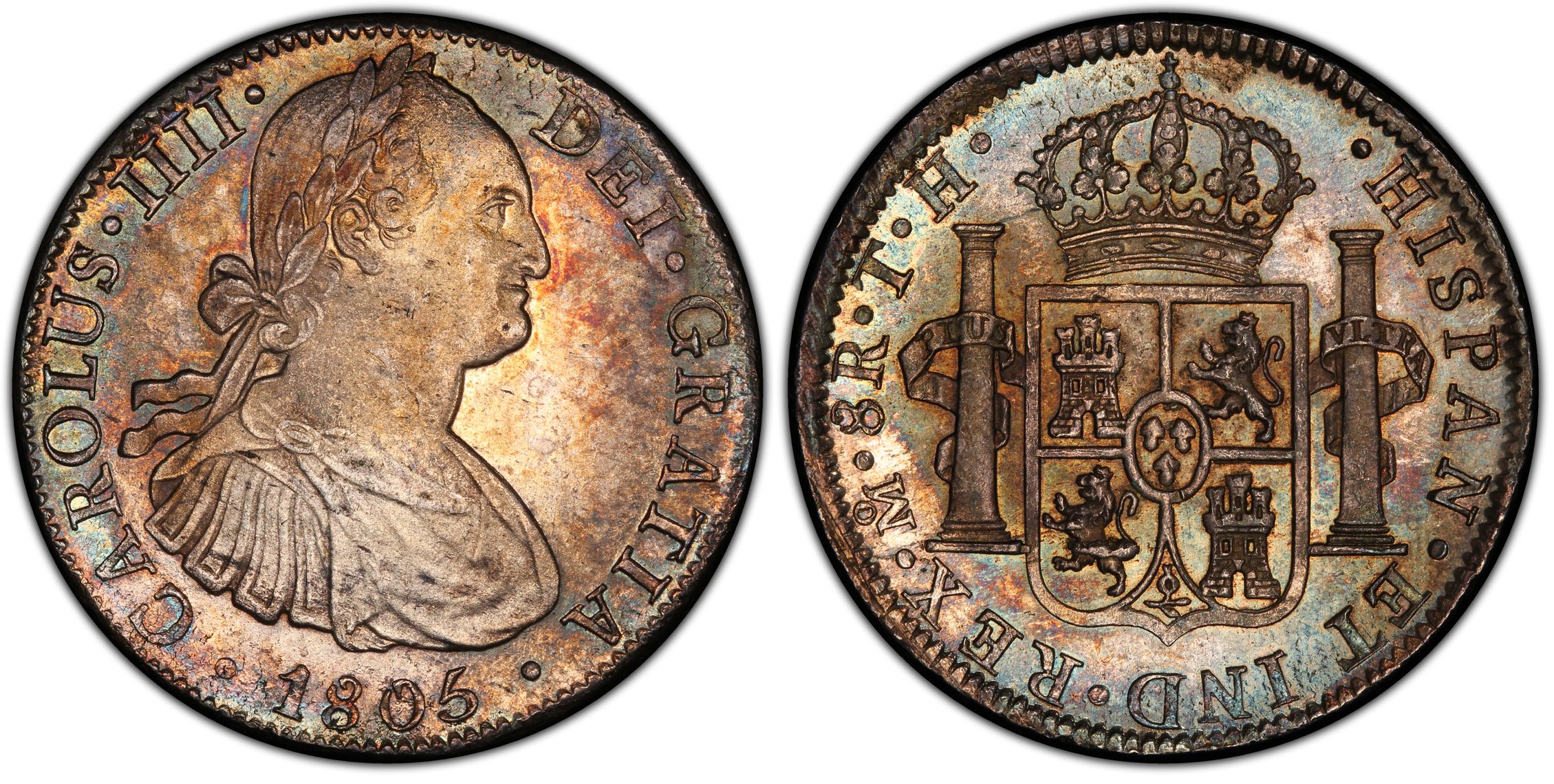
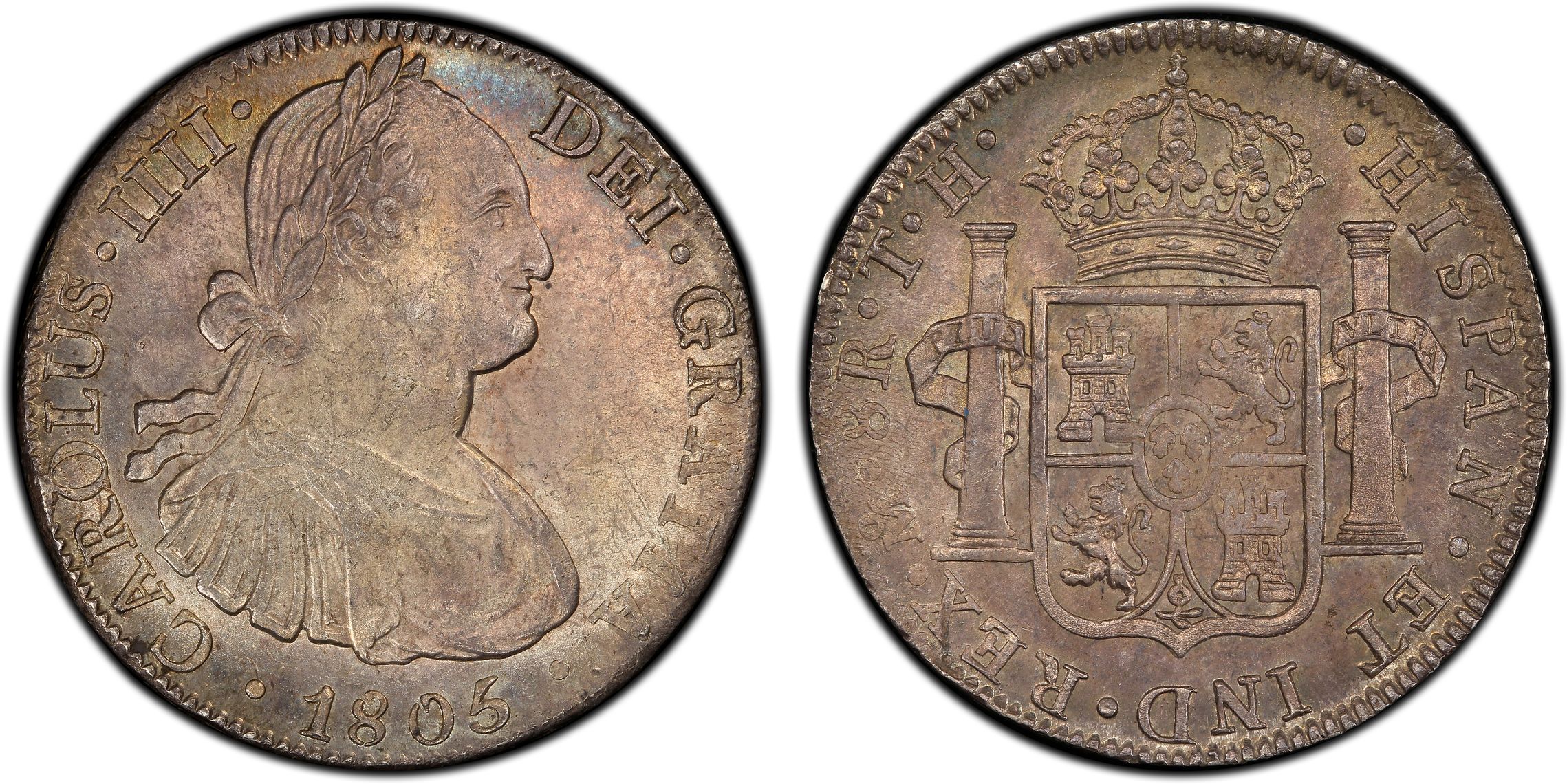
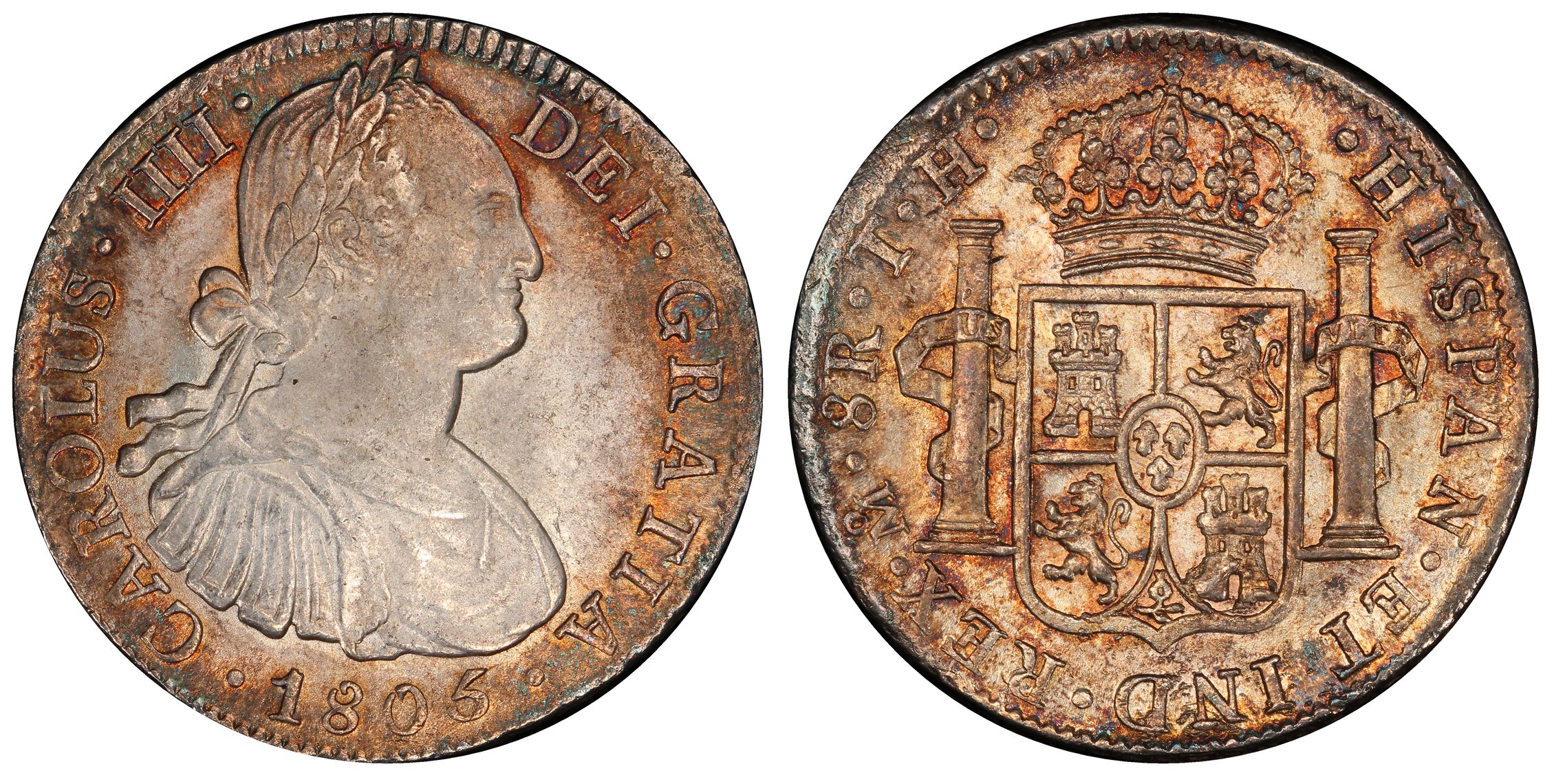
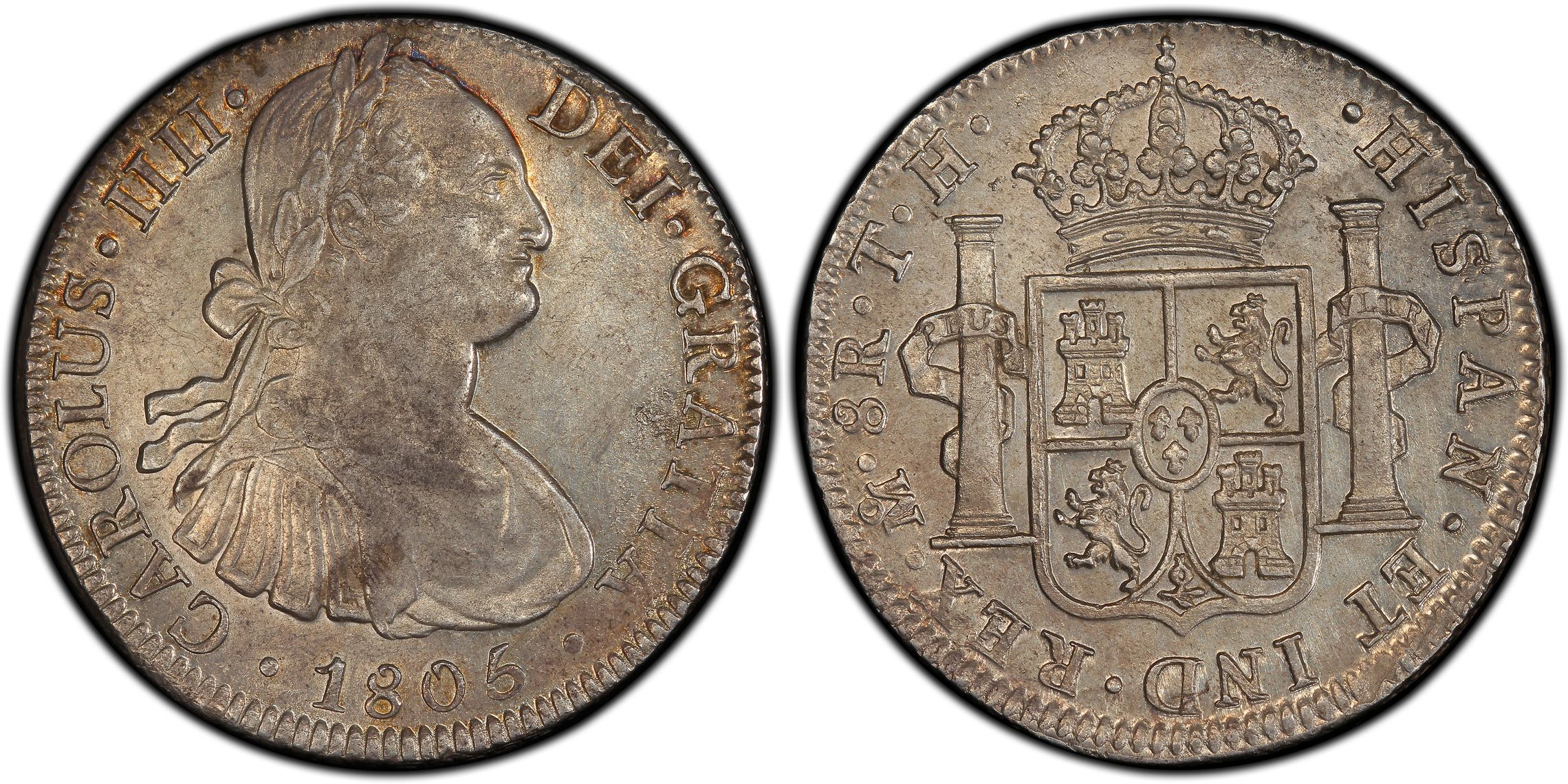
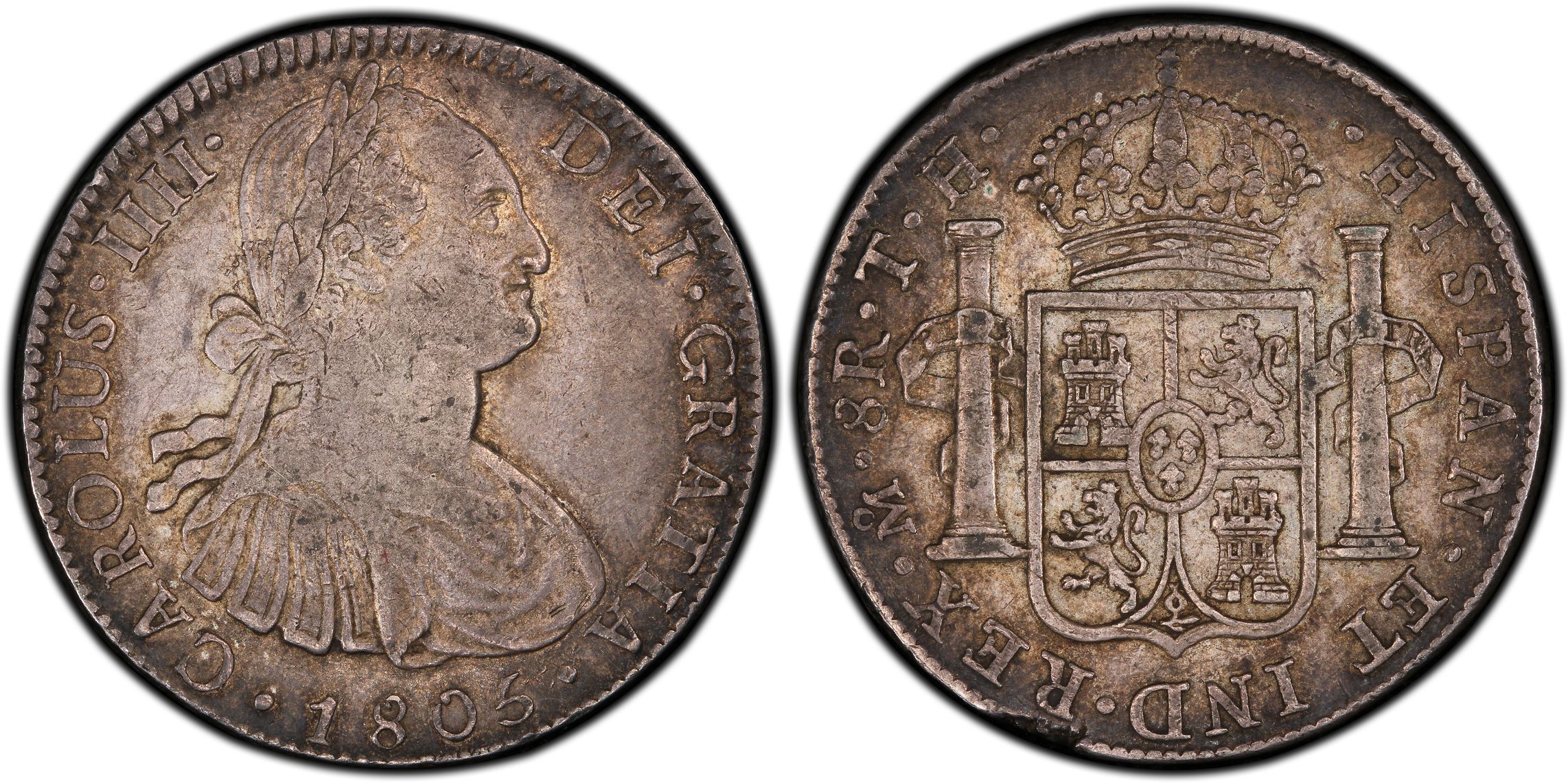
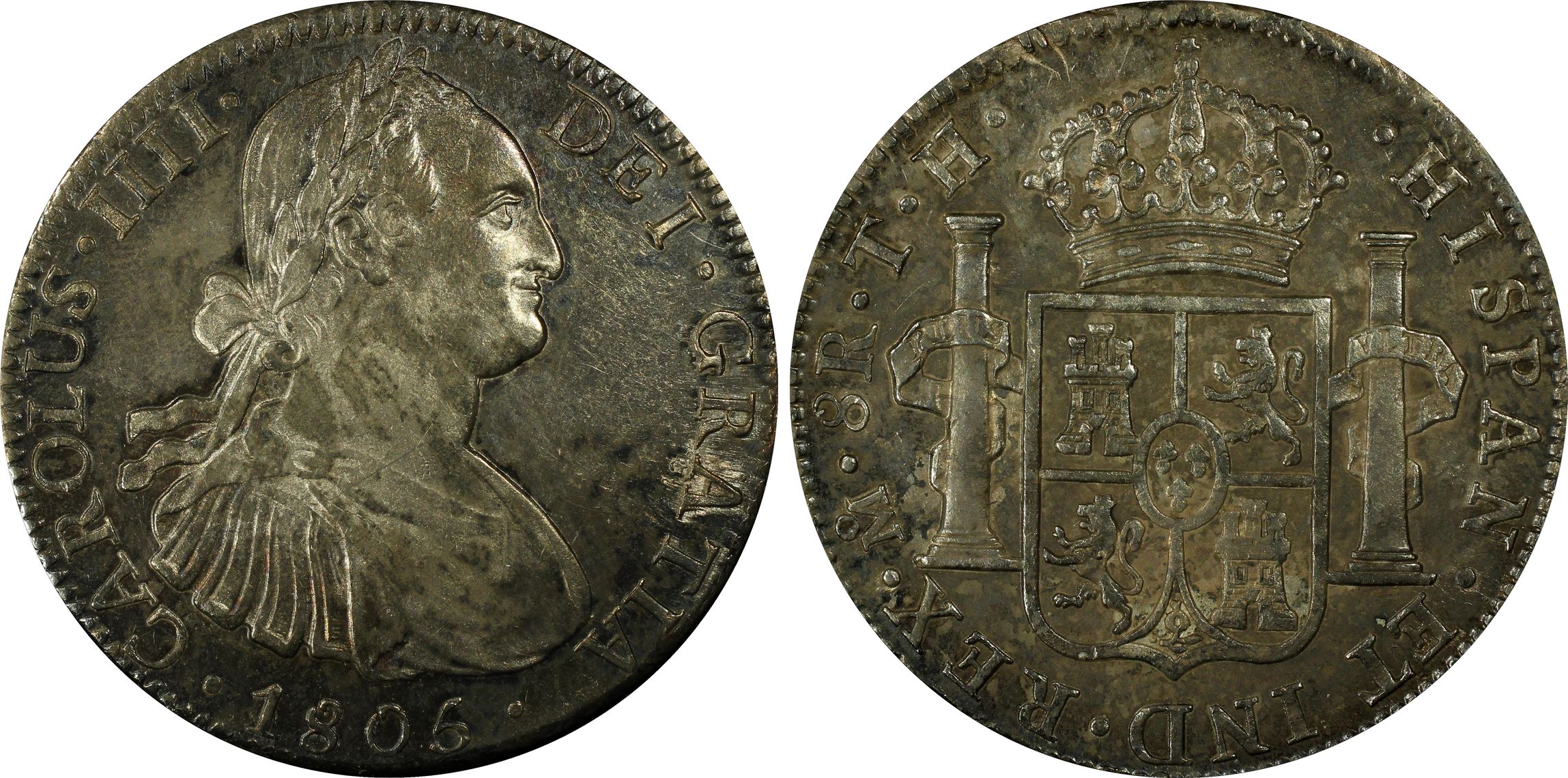
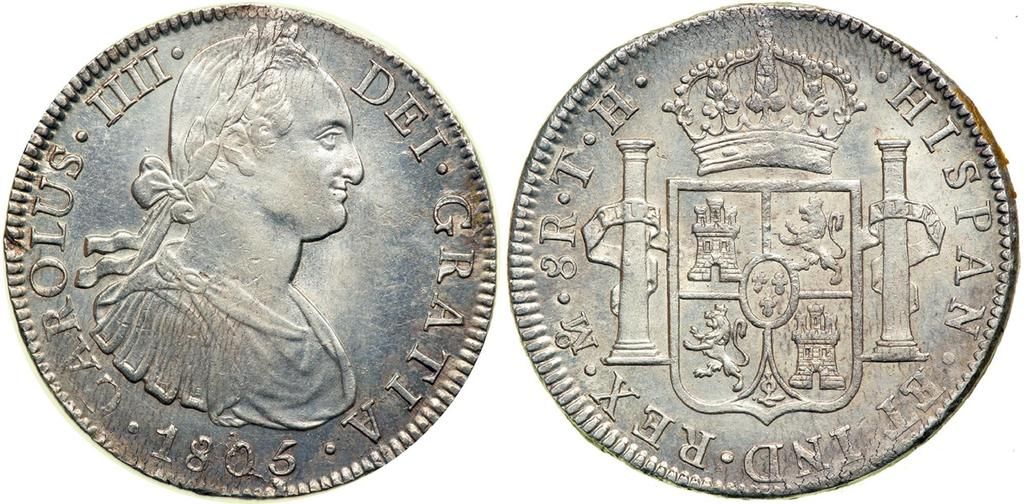
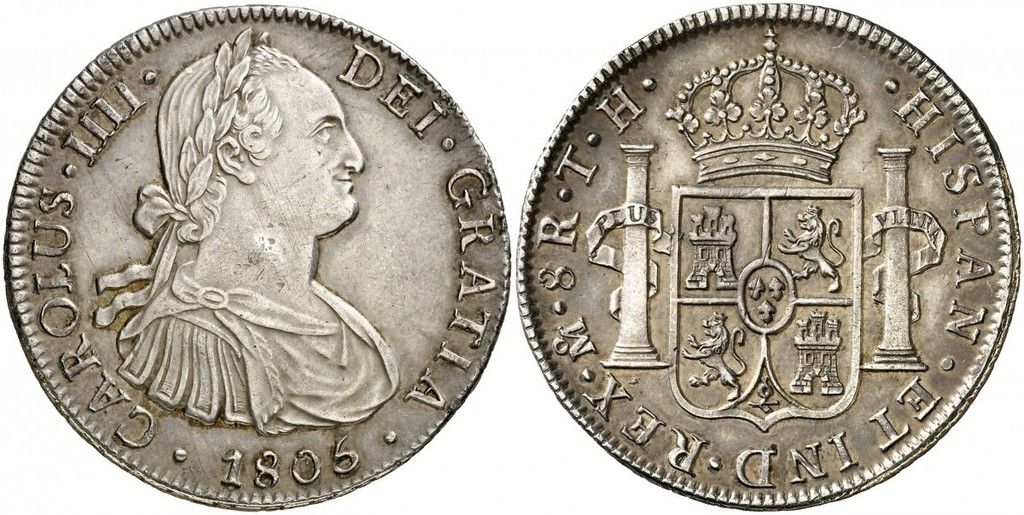
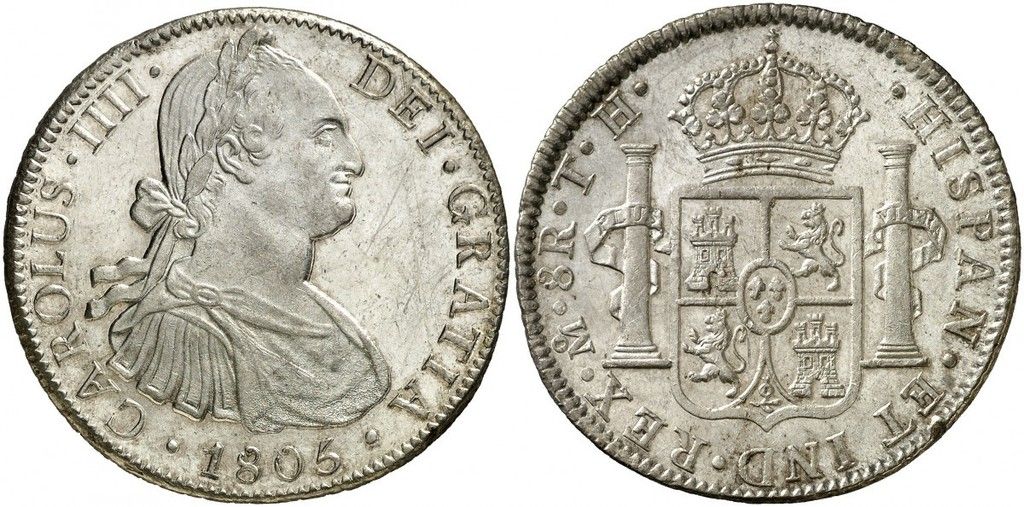
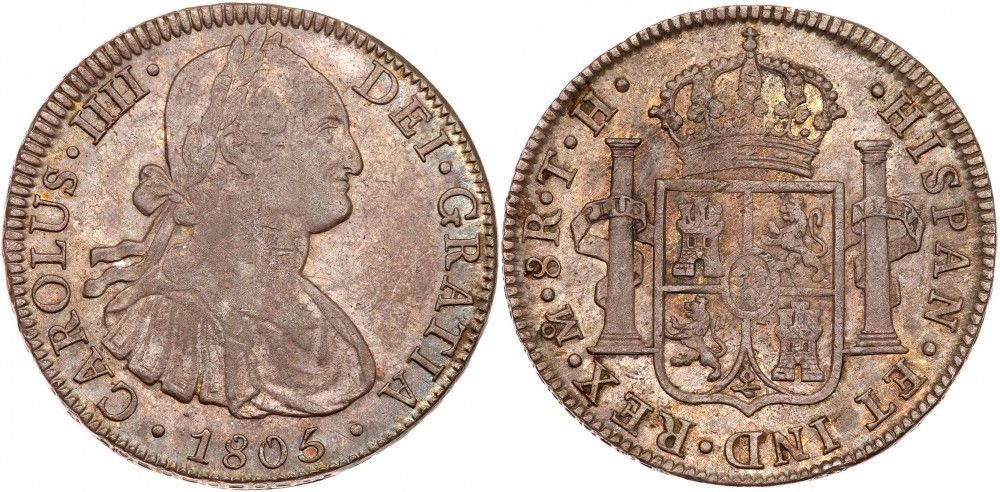
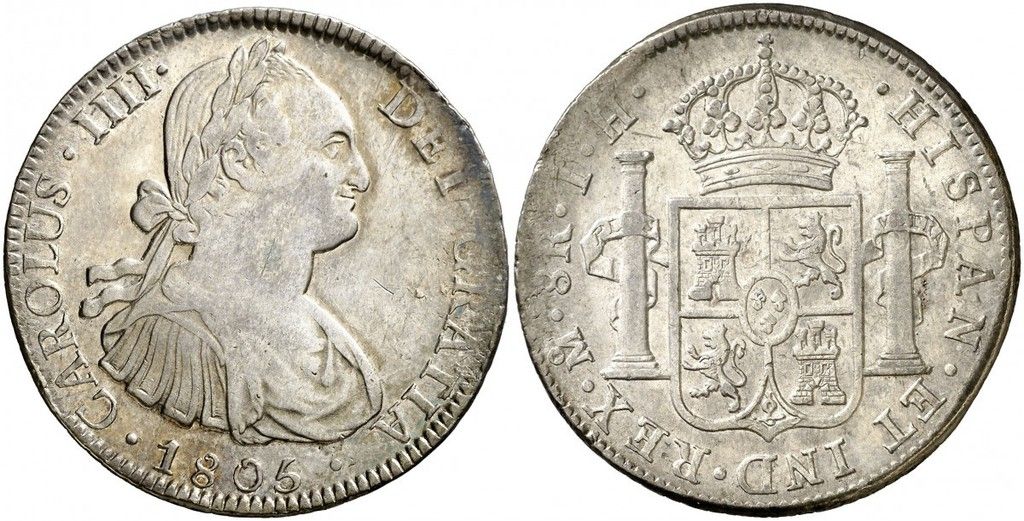
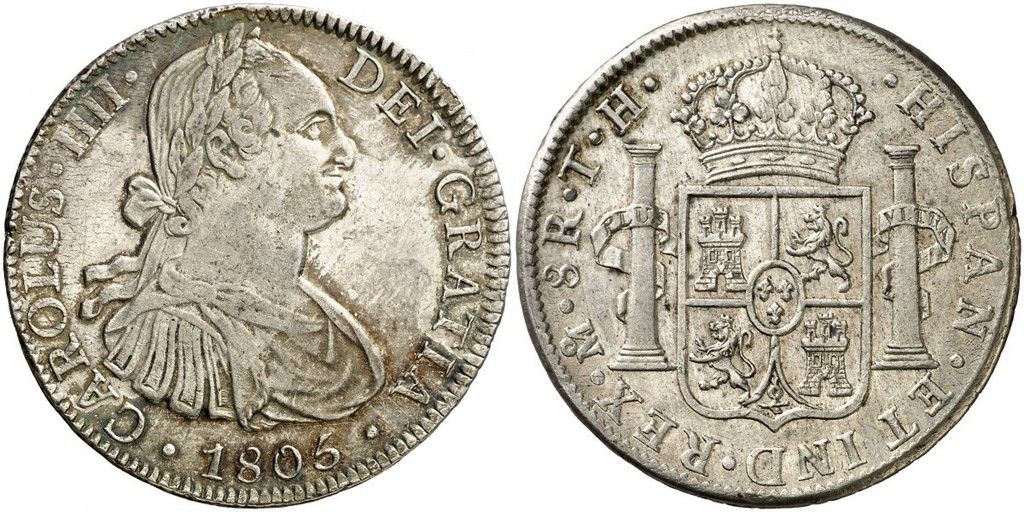
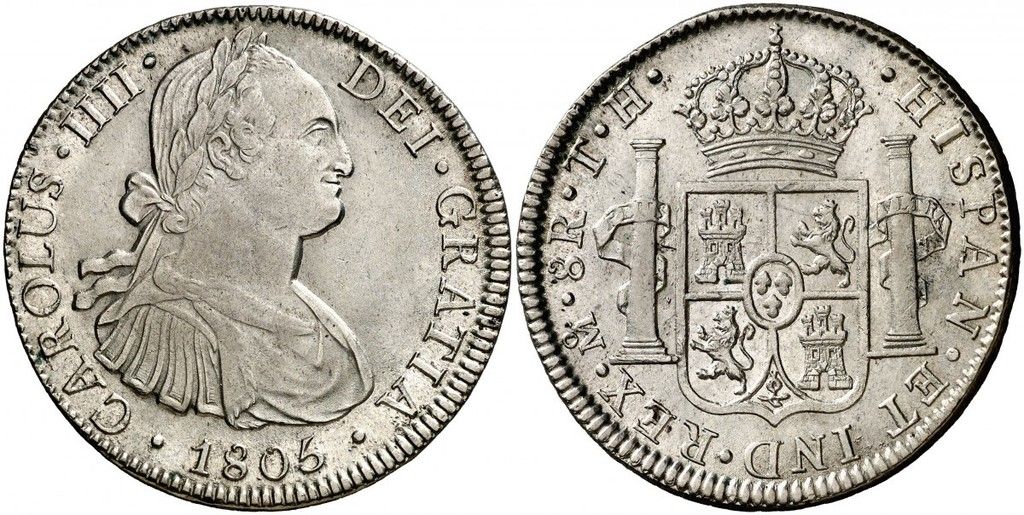
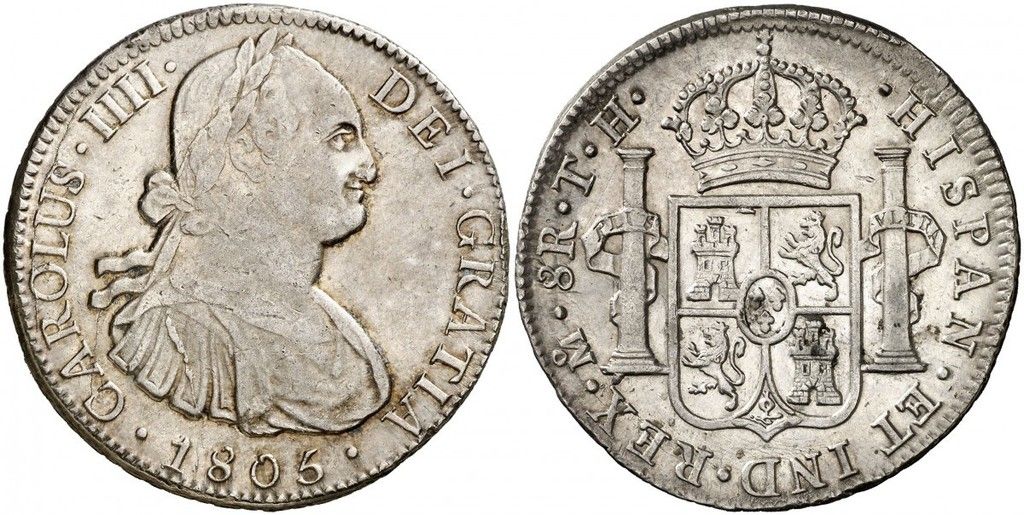
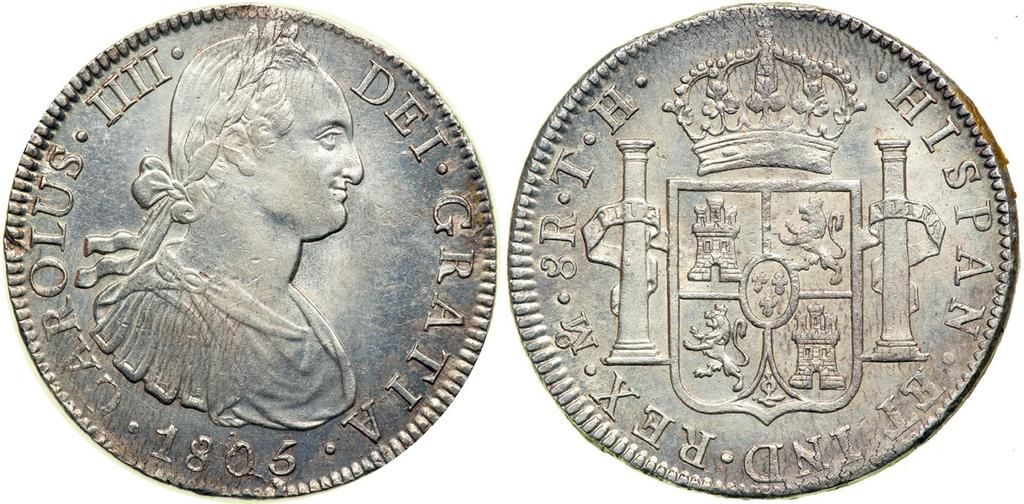
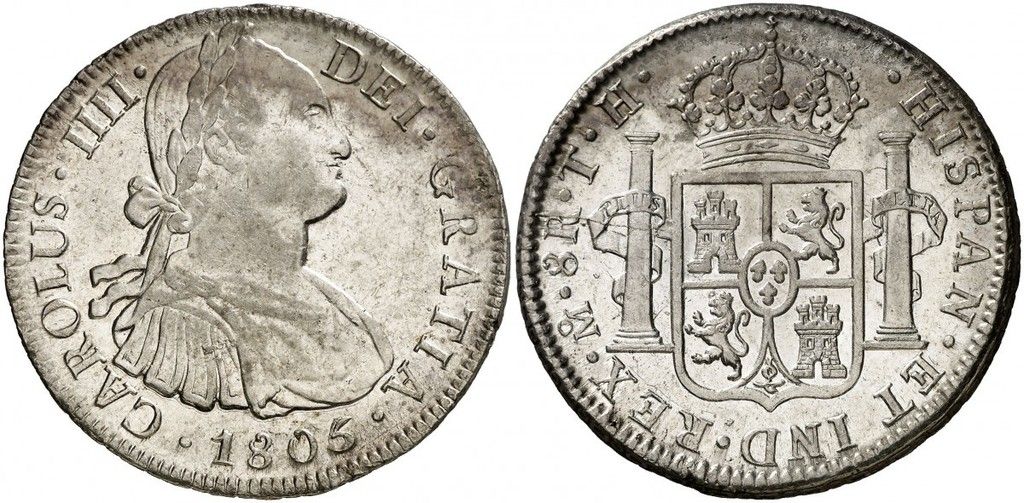
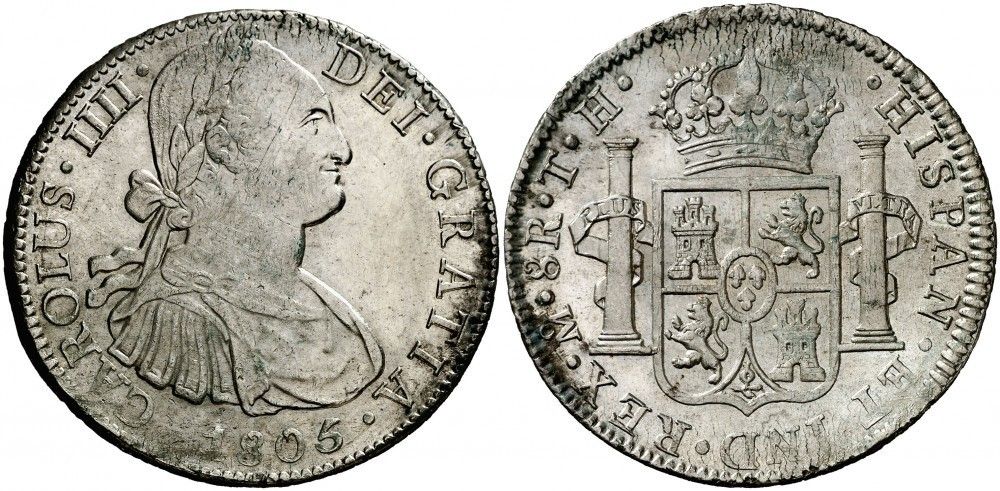
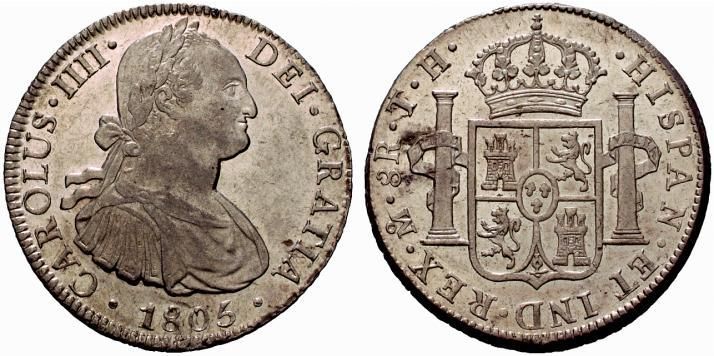
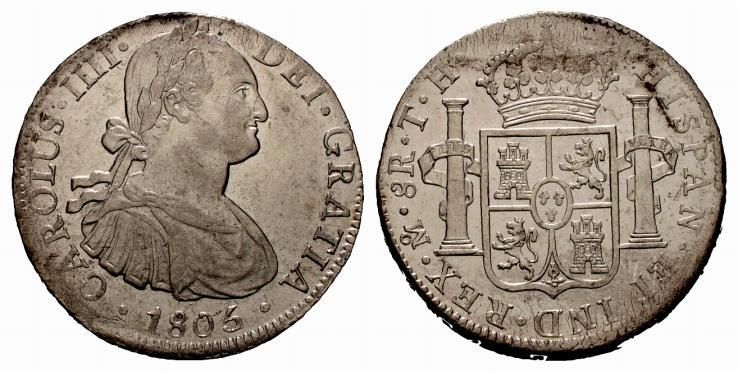
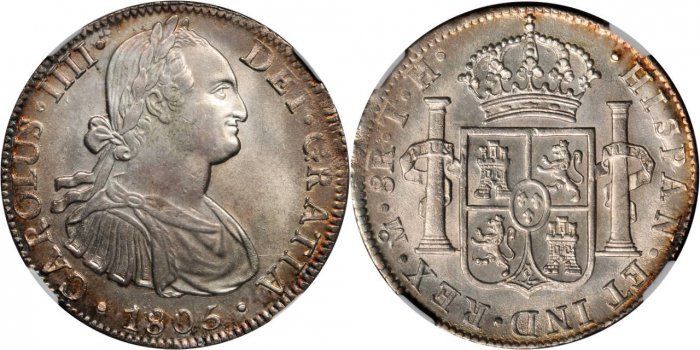
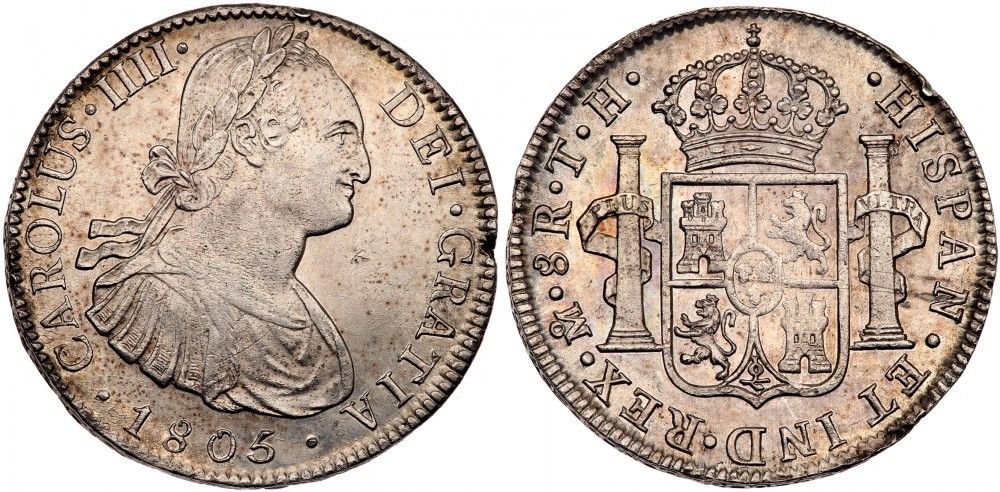
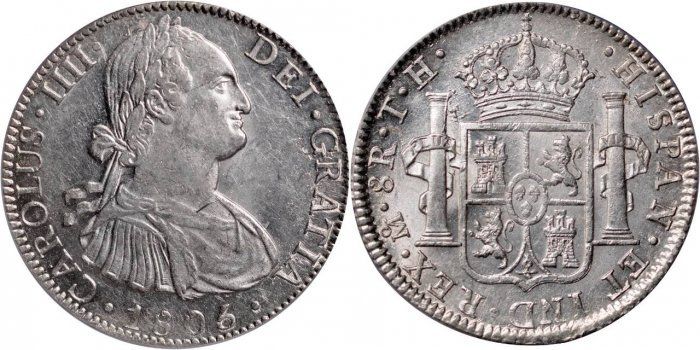
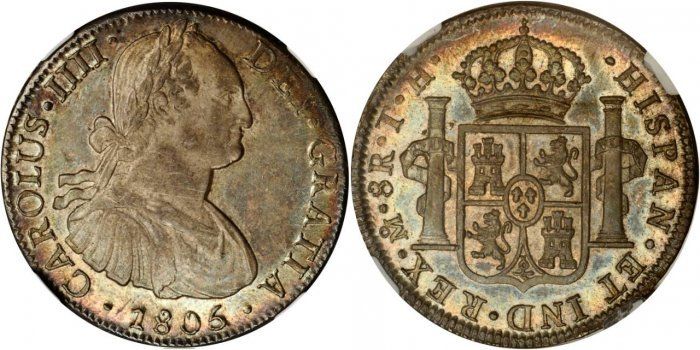
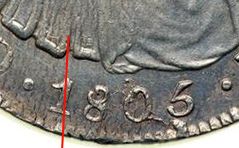
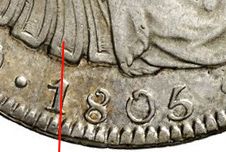
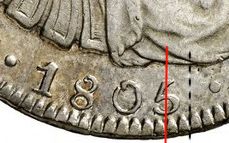
At a high level, there appears to be 3 places where the date can start relative to the bust:
1. Below the last epaulette (common)
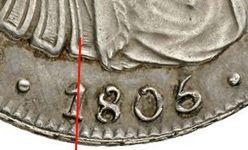
2. Below the line between last and second-to-last epaulette
3. Below the second-to-last epaulette
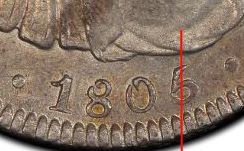
And 3 places it can end:
1. Below the line separating second and third fold (common):
2. A bit more left from there:
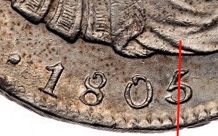
3. Below the mid-second fold of the bust:
If you think about it, there were almost 26 million pesos of silver coined at Mexico City Mint that year with the large portion of that being in 8 Reales coins. Numerous hand-punched dies means numerous varieties...
So, what exactly does Krause and NGC call the 1805 Wide Date, 1805 Narrow Date and a plain ol' 1805?
Let's start with what's already been slabbed. I've been able to find a few "Wide Date" examples:
Start loc:1 -- End loc:1

Start loc:1 -- End loc:1
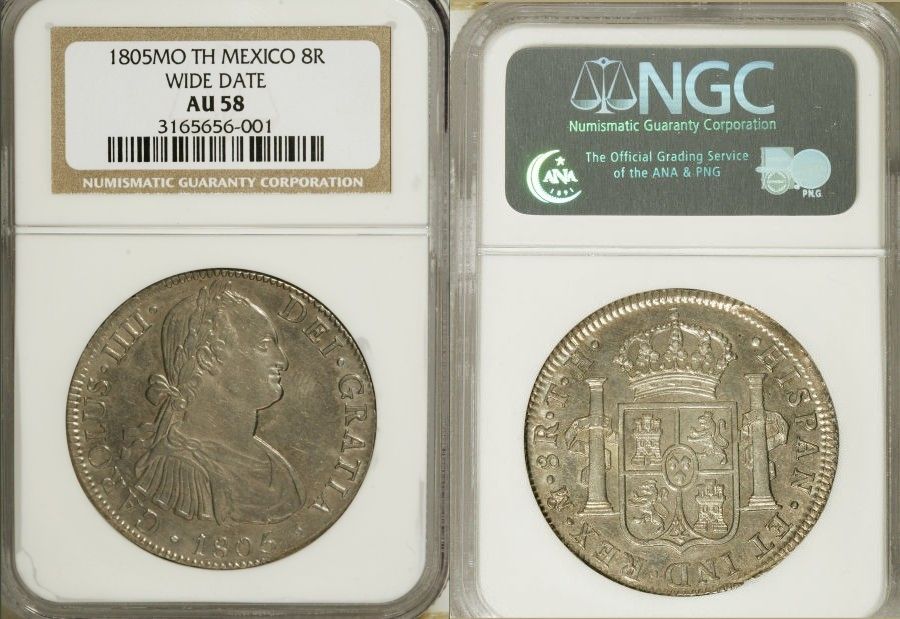
Start loc:2 -- End loc:2
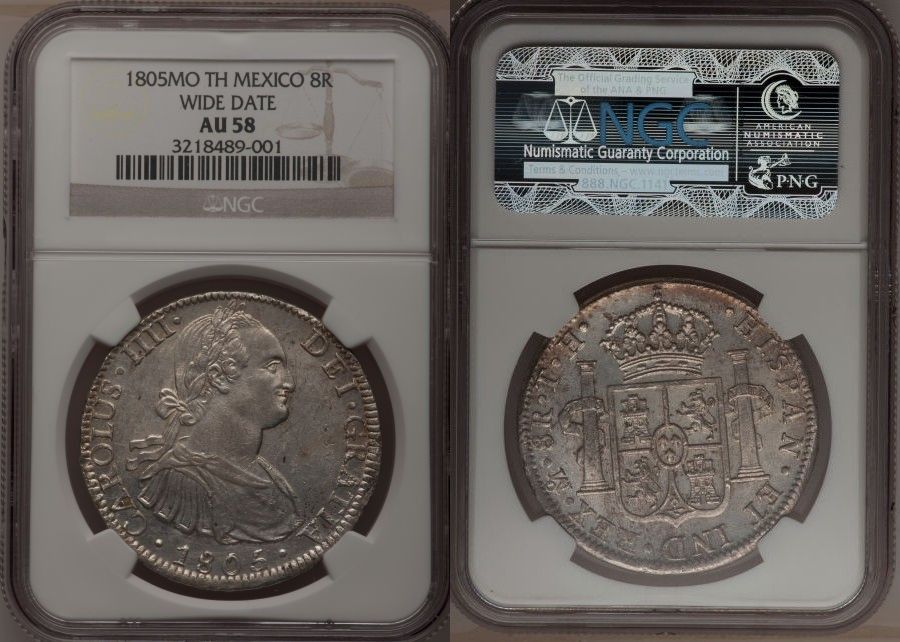
Start loc:2 -- End loc:2

Start loc: 2 -- End loc: 2
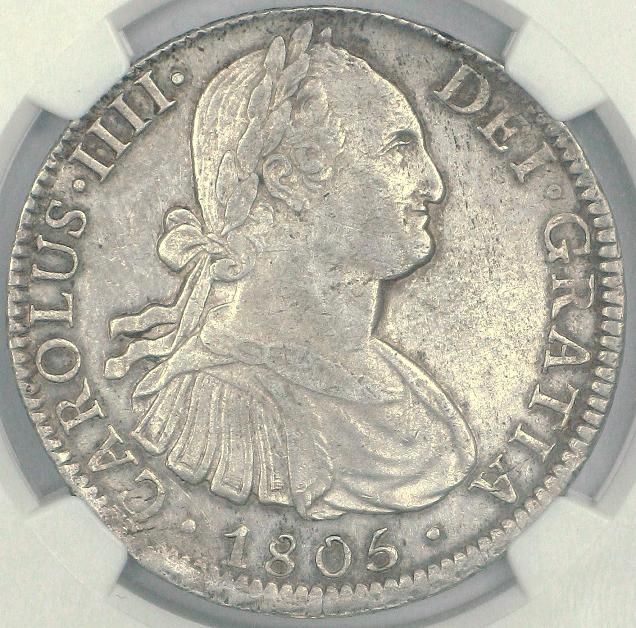
Narrow date was much harder to find.
I was able to find one with images of the slab and had to increase brightness / contrast. There's something weird going on with "5" in the date.
Start loc:1 -- End loc:1
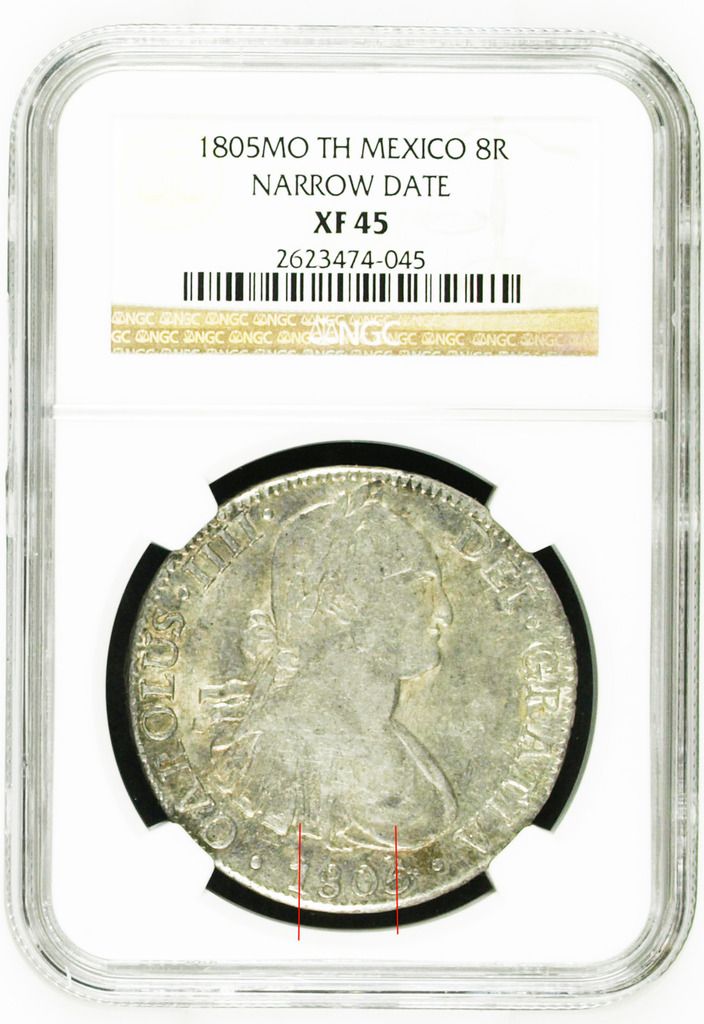
There have been a couple sold by Goldberg that were described as "Narrow Date", but no image of the slab provided:
Start loc:2 -- End loc:1
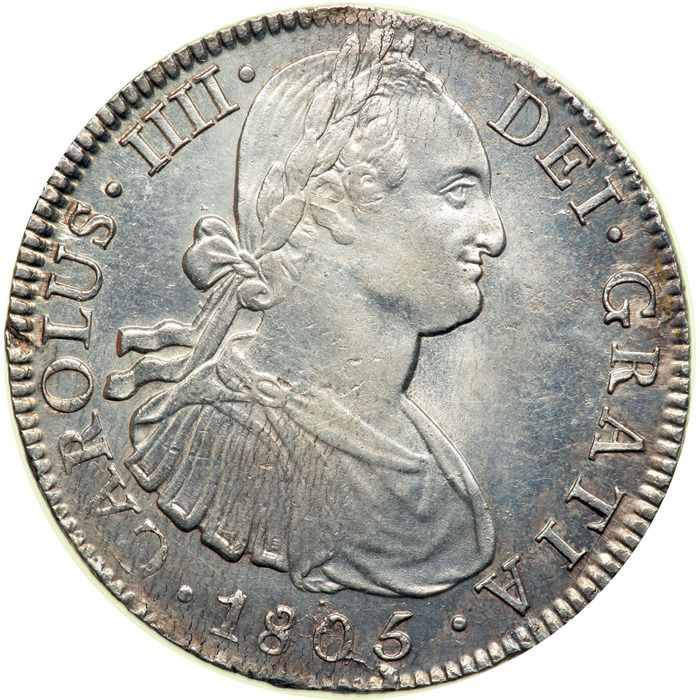
Start loc:1 -- End loc:1
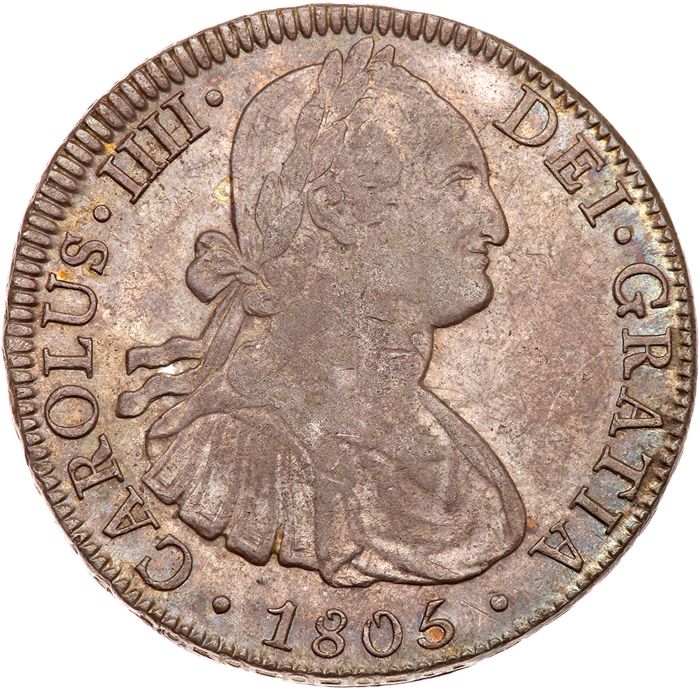
Looking at the non-attributed 1805's in NGC plastic - it seems to be all over the place.
So, after all this - I'm still stumped. As of right now, it seems that NGC just rolls the dice when attributing Narrow or Wide Date. If you're lucky - you'll get the Narrow Date designation, which seems to be the scarcer of the two based on prices realized.










 Posted 05/02/2016 6:22 pm


