| Author |
 Replies: 21 / Views: 2,776 Replies: 21 / Views: 2,776 |
|
Pillar of the Community
United States
3363 Posts |
Can anyone say whether this lamination is pre or post strike - and how can you tell? Is it even a lamination? Thanks for any help! 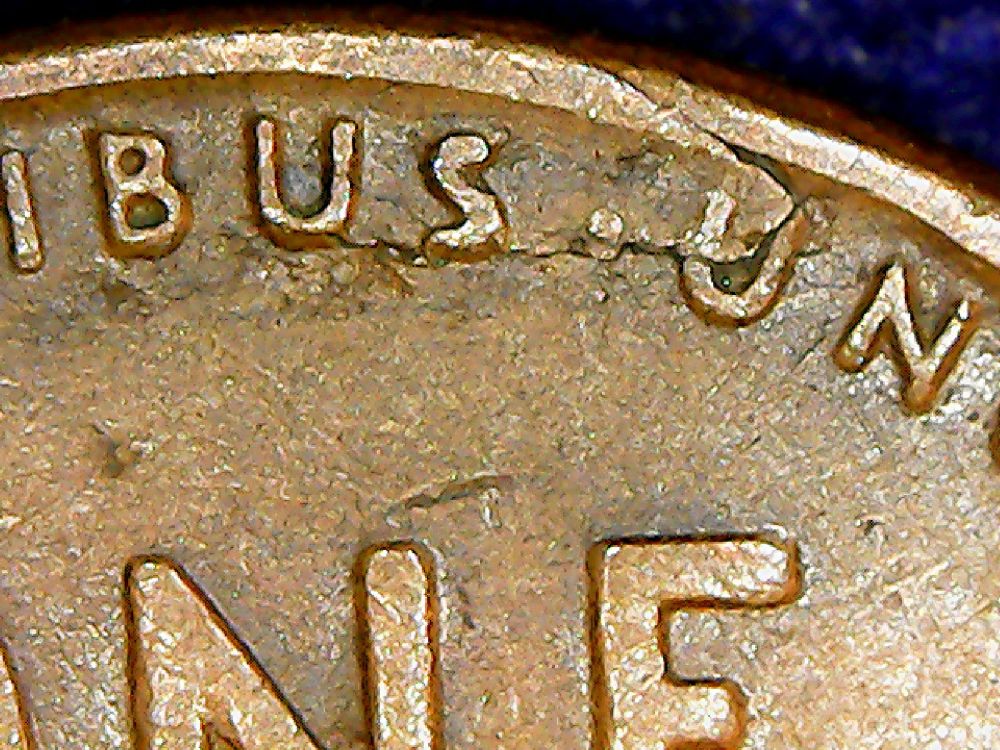 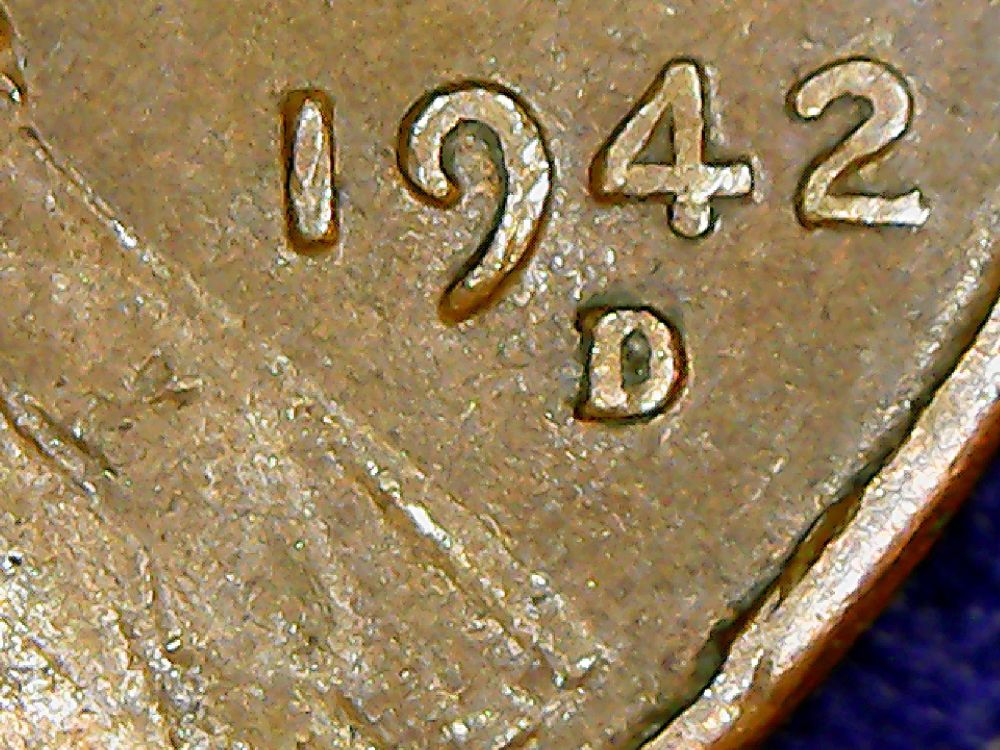 |
|
|
|
Bedrock of the Community
United States
62064 Posts |
It looks like a lamination. But it might be a struck through debris. If it is the later, then it should be slightly heavy. It if is a lamination, then it might be slightly lighter.
|
|
Pillar of the Community
 United States
3363 Posts |
Thanks, Coop - weight is 3.07 g
So I guess that means it is a lamination?
How do you tell if it is pre strike or post strike?
Edited by Pete2226
06/18/2016 4:38 pm
|
|
Pillar of the Community
United States
3656 Posts |
I have been wondering that as well. I see on ebay many sellers state before or after and one of them seems to get more money in general for that particular error. It would be nice to know how to tell the difference. |
|
Bedrock of the Community
United States
62064 Posts |
If it were post strike, the area that comes off should have a ghost image of what was there. 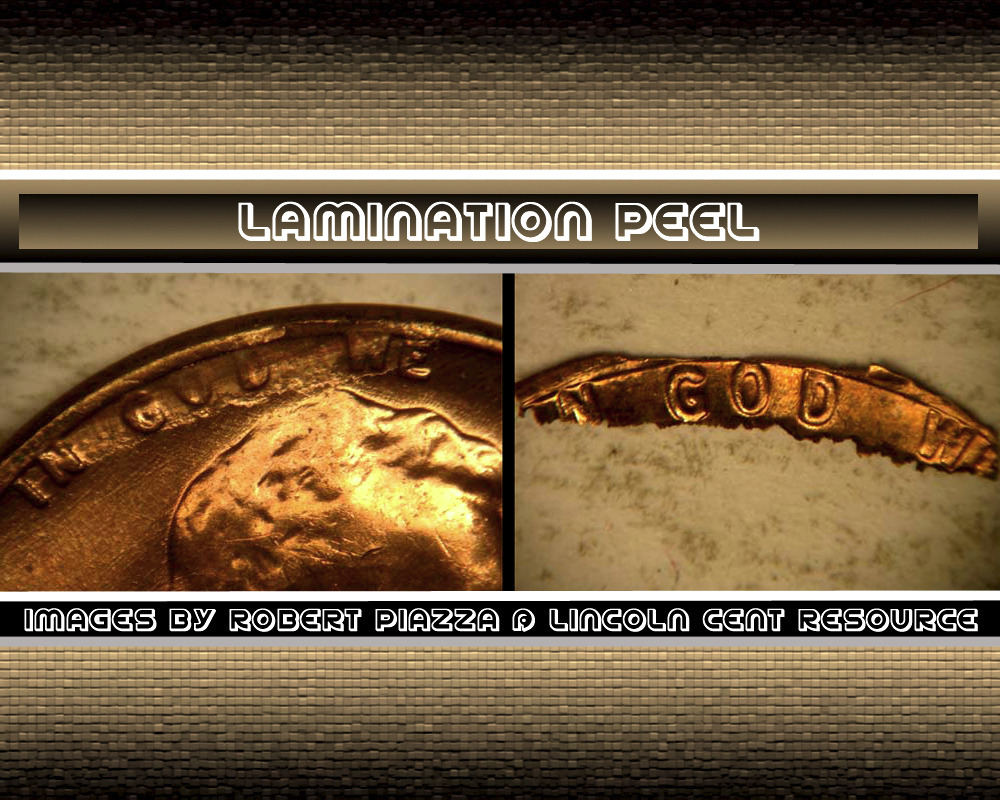 If it were prestrike, then the devices would be full, but perhaps a bit weaken by the missing lamination area. 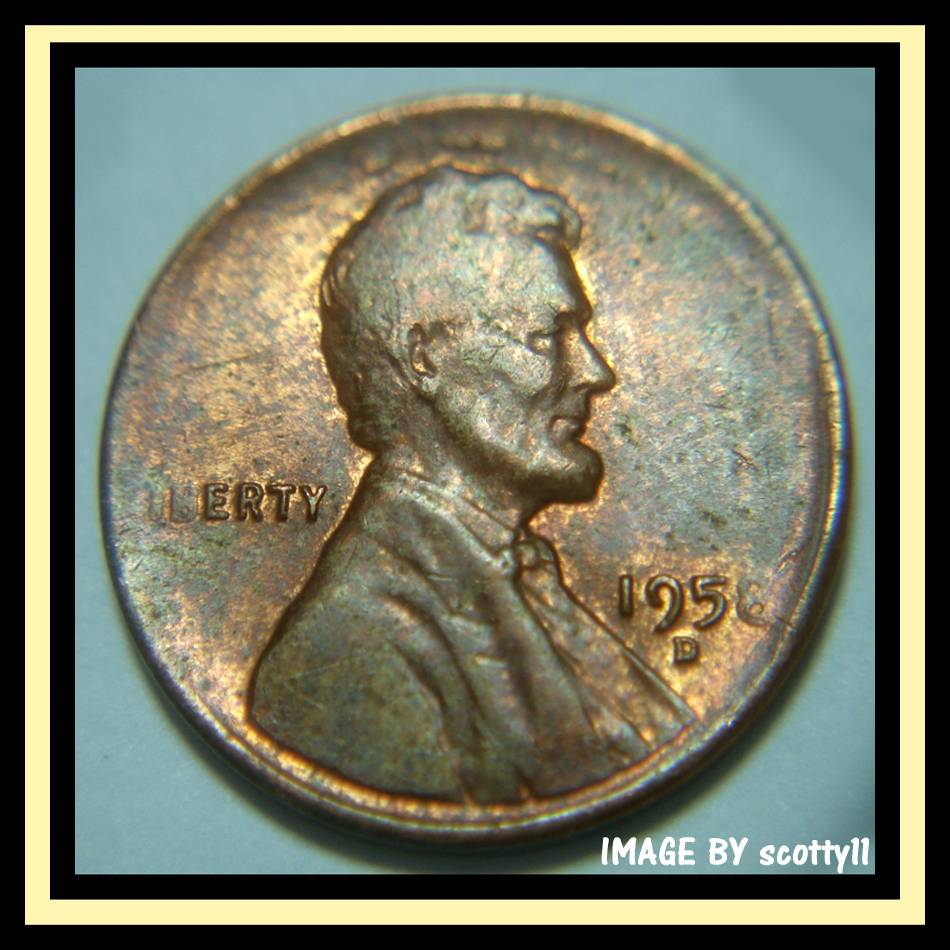 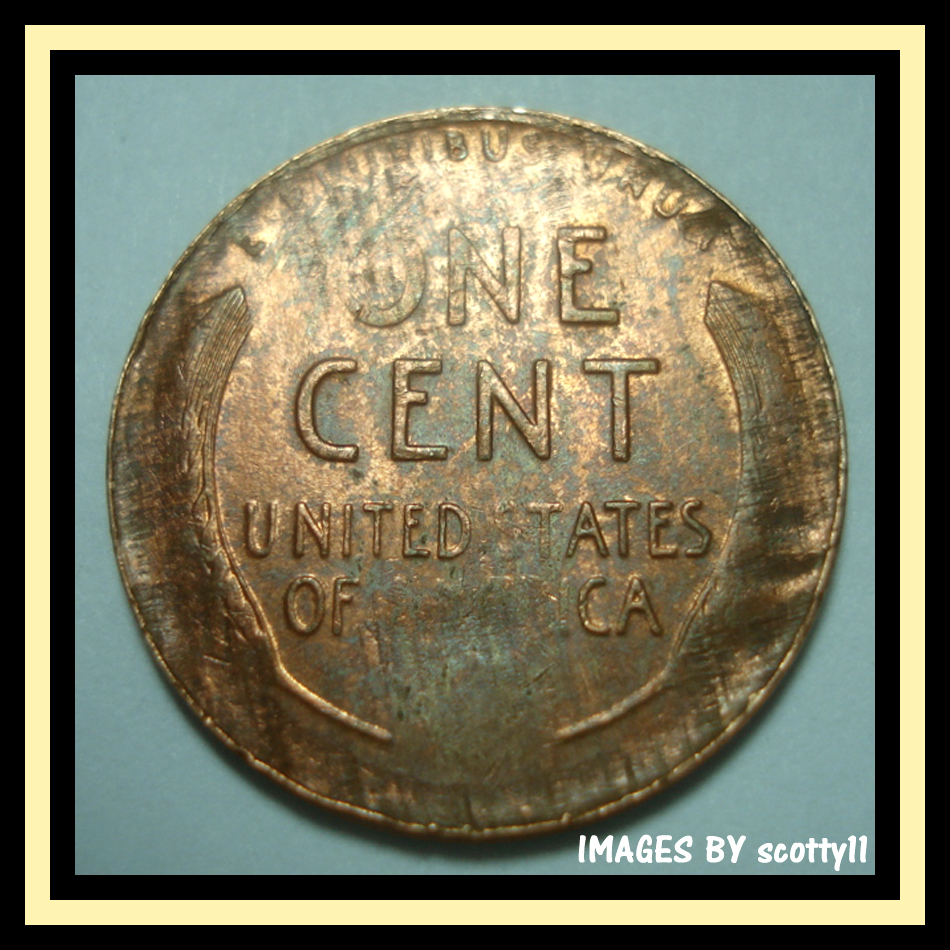 |
|
Pillar of the Community
United States
3363 Posts |
I guess that I cannot tell which this is? It seems like it fits both definitions?
Edited by Pete2226
06/18/2016 5:06 pm
|
|
Bedrock of the Community
United States
62064 Posts |
Usually the laminations tend to flow in straight lines. A wider shot might reveal more on what is going on with your coin.
|
|
Pillar of the Community
United States
3363 Posts |
I will work on a full coin photo a little later. In the meantime, I had a very knowledgeable individual tell me this which I had not known: Quote:
The lamination was a part of the planchet before the coin was struck. It doesn't "develop" after the coin is struck, so to that effect, ALL lamination issues are pre-strike. Any comments? |
|
Pillar of the Community
United States
3363 Posts |
I have been thinking about pre and post strike lamination possibilities. I really do not understand why a lamination cannot develop after the strike. It seems like the propensity for a lamination could exist in a planchet, but not manifest itself until after the strike. Why couldn't that happen? So I started searching for a reference and found this: Quote:
Lamination errors can develop before or after the strike. Source: http://www.error-ref.com/?s=pre�...3;laminationNow I would just like to understand which this one is.It sort of seems to have characteristics of both. So which is it and why? Here is a photo of the entire reverse: 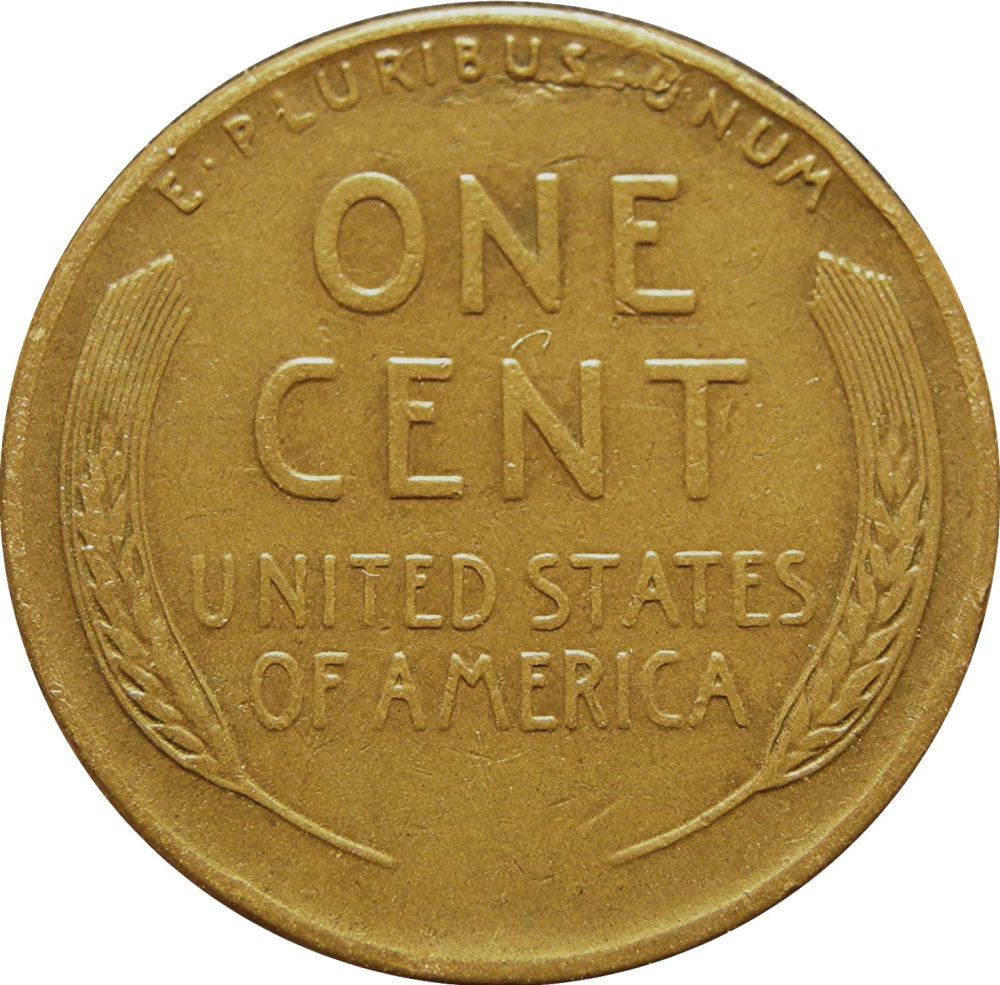 |
|
Bedrock of the Community
United States
62064 Posts |
I feel that laminations are a planchet issue. the metal is cut, they if there is any imperfections in the stock material, the upset process that turns a blank into a planchet will sometimes loosen the material. after the coin is struck they can peel away from the coin. Depending on the issue with the stock material. They tend to run in straight lines that are sometimes cut between where there maybe a weakness of adherence of the stock material. But they do peel sometimes before a strike or after a strike. (most of the times after the strike) So I don't know if the term 'develop' covers a peel, because that happens after the strike.
|
|
Pillar of the Community
United States
3363 Posts |
I can understand what you are saying and it sounds like a reasonable explanation to me. Thanks.
So how would you describe the coin in the OP - pre or post?
|
|
Bedrock of the Community
United States
62064 Posts |
Note how the edge of the peel has moved a bit in circulation. That happened after the strike. The weight puts it in the correct weight range with a bit less to allow for what may have peel off. If it were a piece of debris, it doesn't have to be in a straight line like a lamination. So I feel this coin is probably a lamination issue. But I would still like to see a bit wider angle of this coin to see it if is straight on the area we can't see. If it pans out a bit, then I would lean toward a struck through. (but weight probably confirms this is not the case as a struck though might a bit heavier than normal. (depending on how thick the addition was)
But when we talk about pre-strike or post strike, we are referring to if the lamination had fallen off before or after the strike. On this coin it is peeling after the strike. (the metal alignment is slightly moved on 'U' on UNUM)
|
|
Pillar of the Community
United States
3363 Posts |
Quote:
But I would still like to see a bit wider angle of this coin to see it if is straight on the area we can't see. Do you mean more of an edge shot? |
|
Pillar of the Community
United States
3363 Posts |
Here is view at an angle. 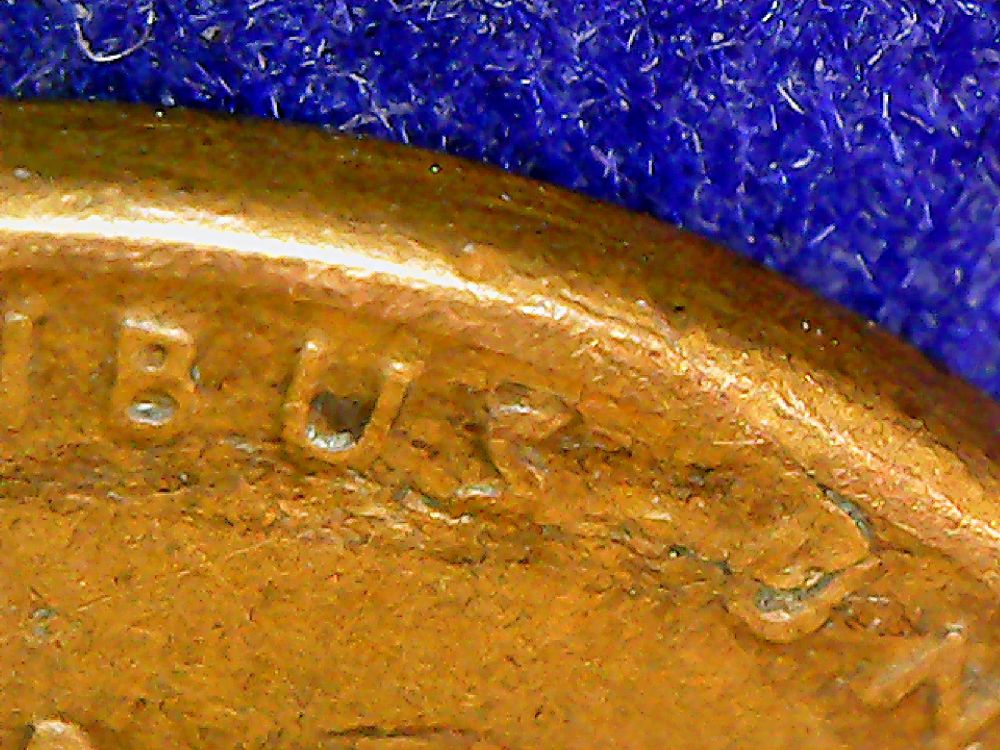 |
|
Bedrock of the Community
United States
62064 Posts |
There is were the missing material that peeled off that area and lighten the coin a bit. That peel did move a bit.
|
|
Pillar of the Community
United States
3363 Posts |
I am interested in learning whether this is pre or post strike and how that is known?
|
| |
Replies: 21 / Views: 2,776 |







 Posted 06/18/2016 4:37 pm


