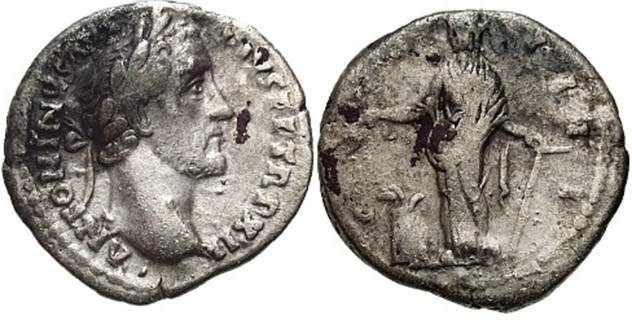
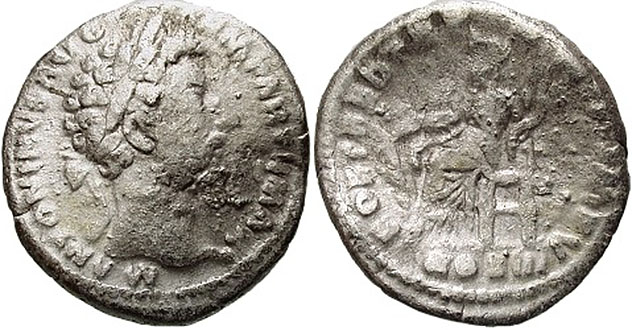
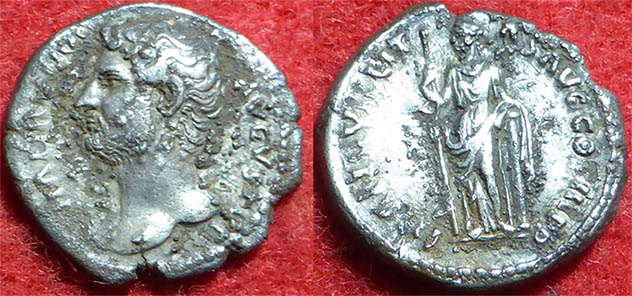
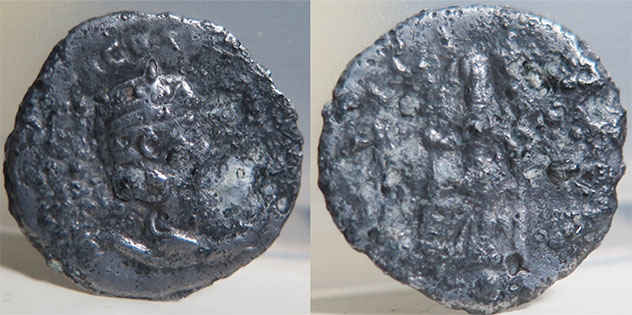
We've had some discussion and debate lately about whether some posted coins display fire damage. Inspired by the topic, I figured I'd post some coins, all taken from Forum threads, believed to have been in fires. Telltale signs of fire may include:
- Warped flans that sometimes manifest as general waviness, other times as concavity on one side and convexity on the other (like a scyphate coin).
- Raised bubbles or blisters (as Forum owner Joe Sermarini states it in one thread, "...the bubbles result from tiny pockets of air in the flan expanding with heat..."
- Pits in the surface (Joe goes on to state, "Sometimes a bubble can or will have already been pushed flat, but...does...not return it to a normal appearance...sometimes the thin shell of the top of the bubble will break leaving a pit.")
Obviously some of these attributes (bubbling or blistering, as well as pitting) are also indicative of cast fakes. And, of course, pitting may result from legitimate corrosion. As you might expect, discussions about coins that exhibit such features occasionally take the form of "fake or fire damage?"
The following coins are thought to be fire damaged, although some could be fakes or perhaps genuine but damaged by other means:
Antoninus Pius: surface damage, burn marks, warped flan, some pits and blisters
Marcus Aurelius: blisters, warpage (convex obverse, concave reverse)
Hadrian: blisters
Herennia Etruscilla: blisters, flan warpage, pitting
Commodus: blisters
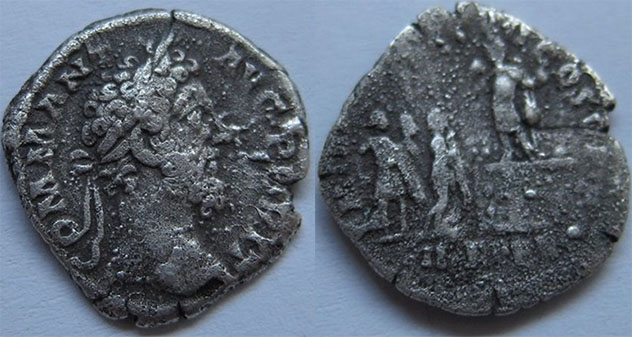
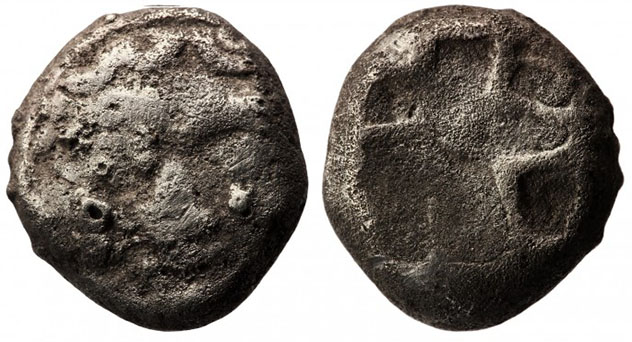
Parion hemidrachm: pitting and some blisters
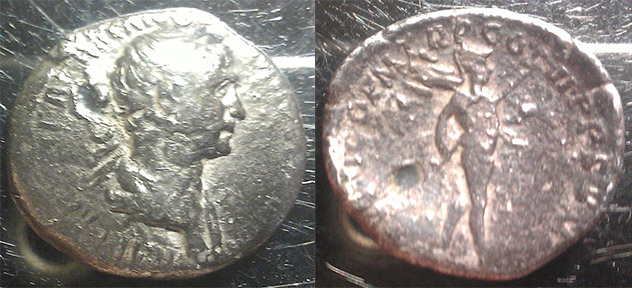
Trajan: blisters, warpage (convex obverse, concave reverse)
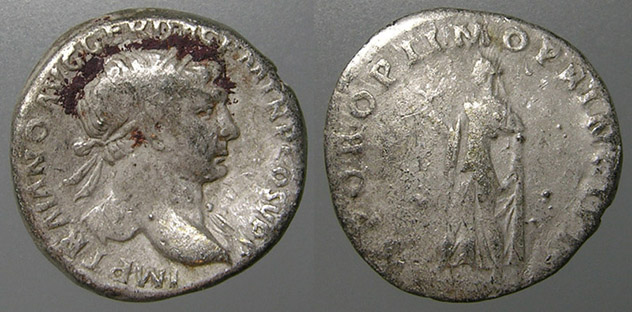
Trajan: blisters, warpage










 Posted 06/19/2016 08:21 am


