| Author |
 Replies: 14 / Views: 2,493 Replies: 14 / Views: 2,493 |
|
|
Valued Member
Canada
352 Posts |
Edited by domys
07/08/2016 11:45 pm
|
|
|
|
Moderator
 United States
14463 Posts |
|
|
Bedrock of the Community
United States
62064 Posts |
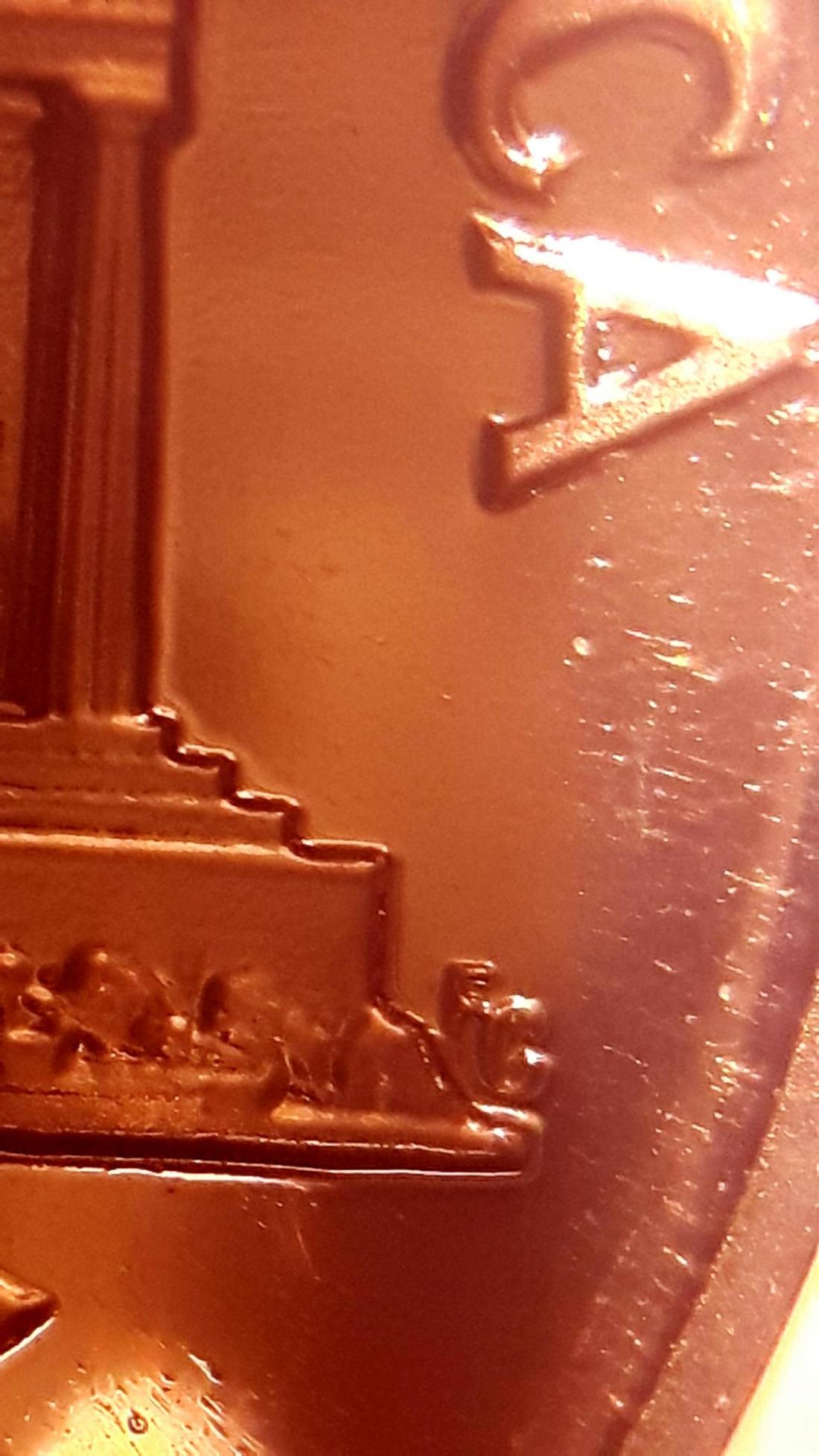
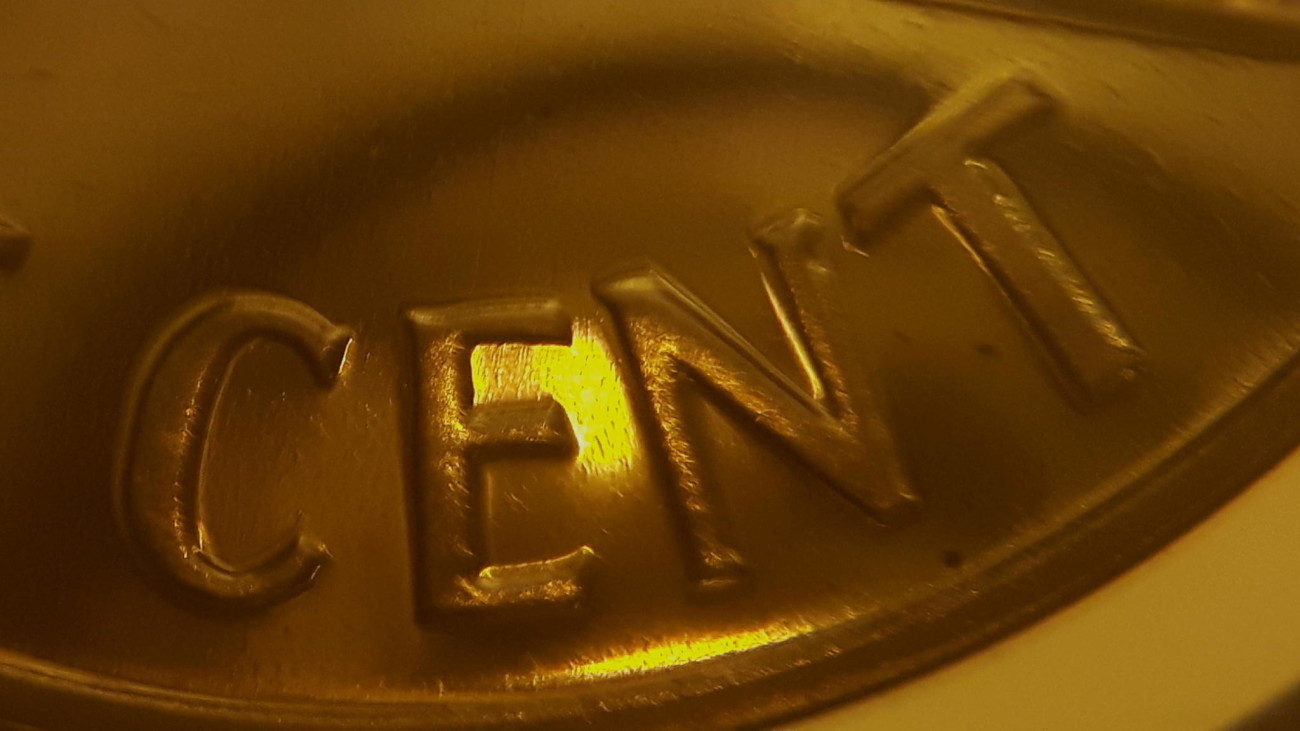
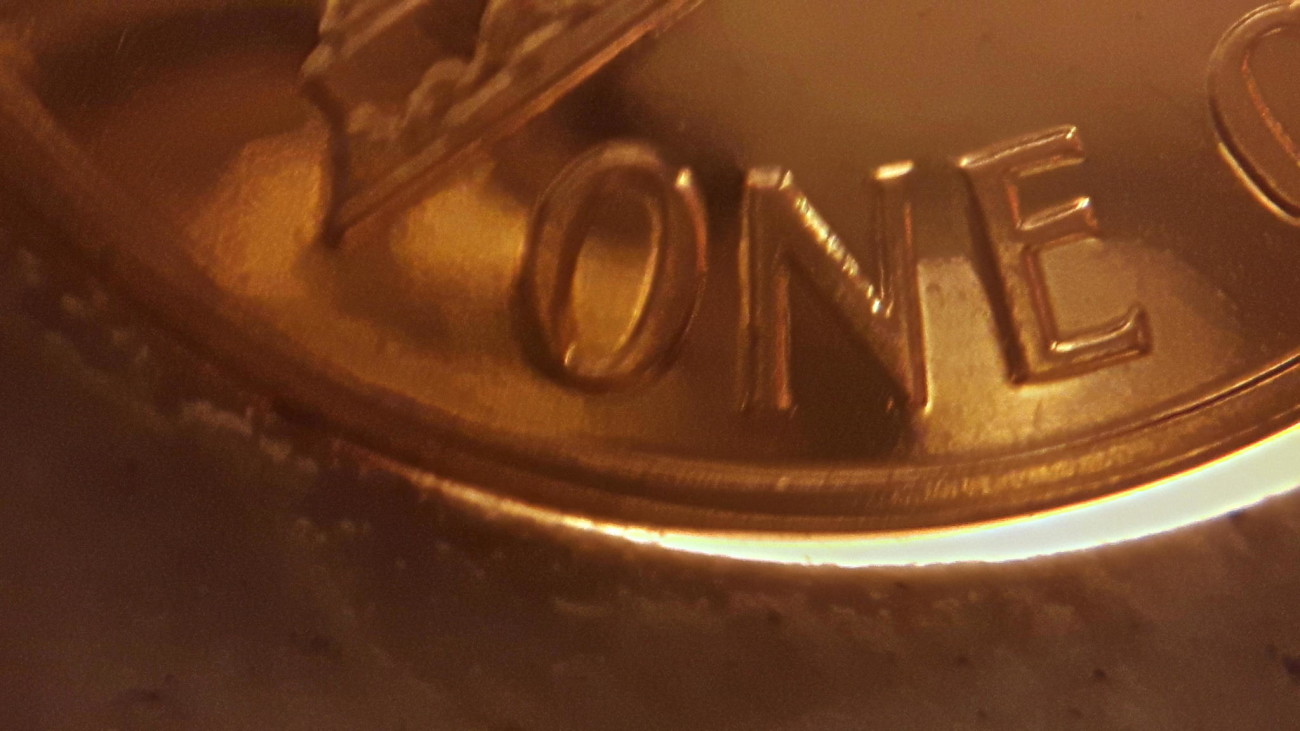
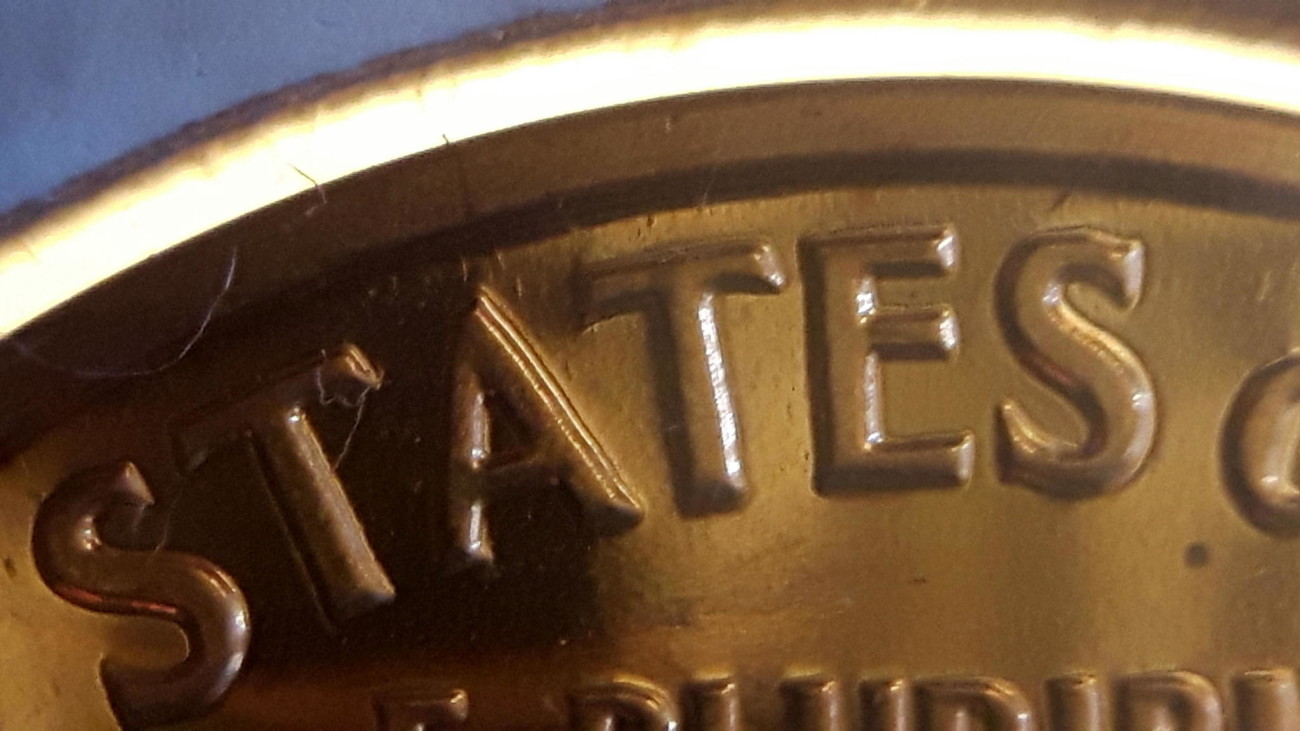
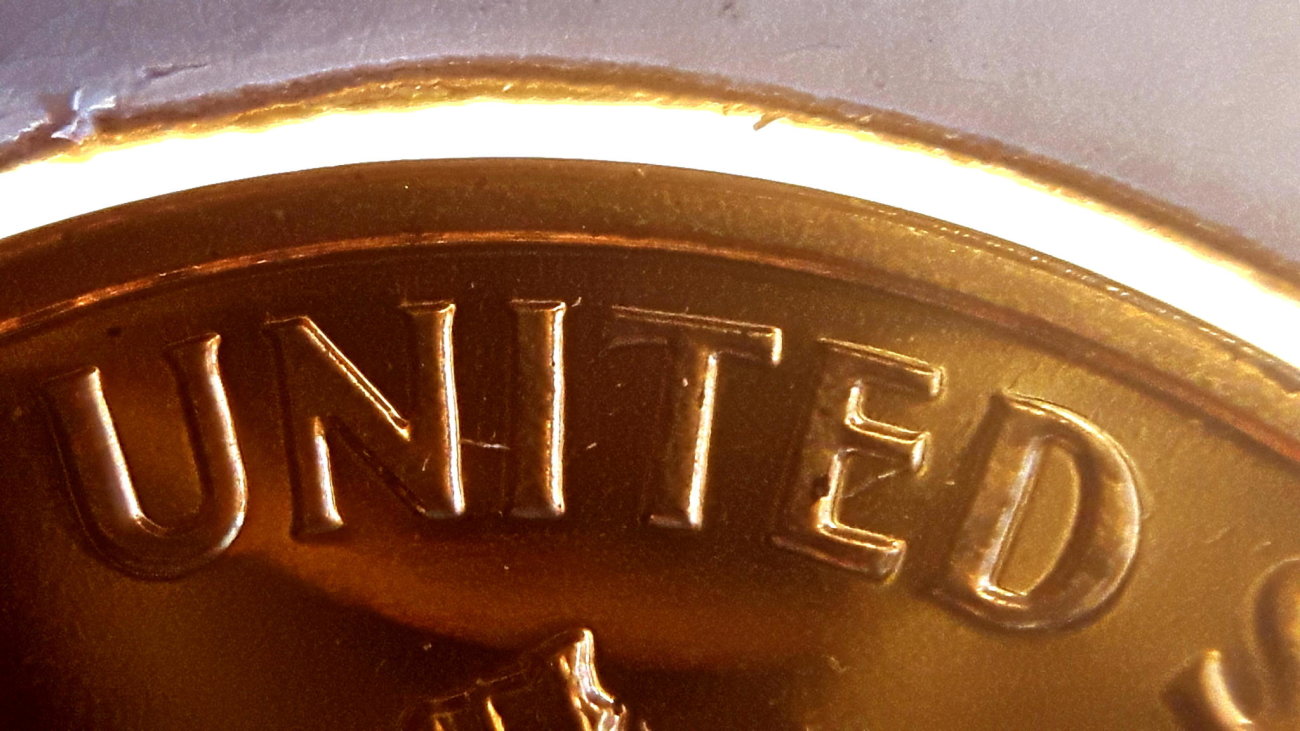
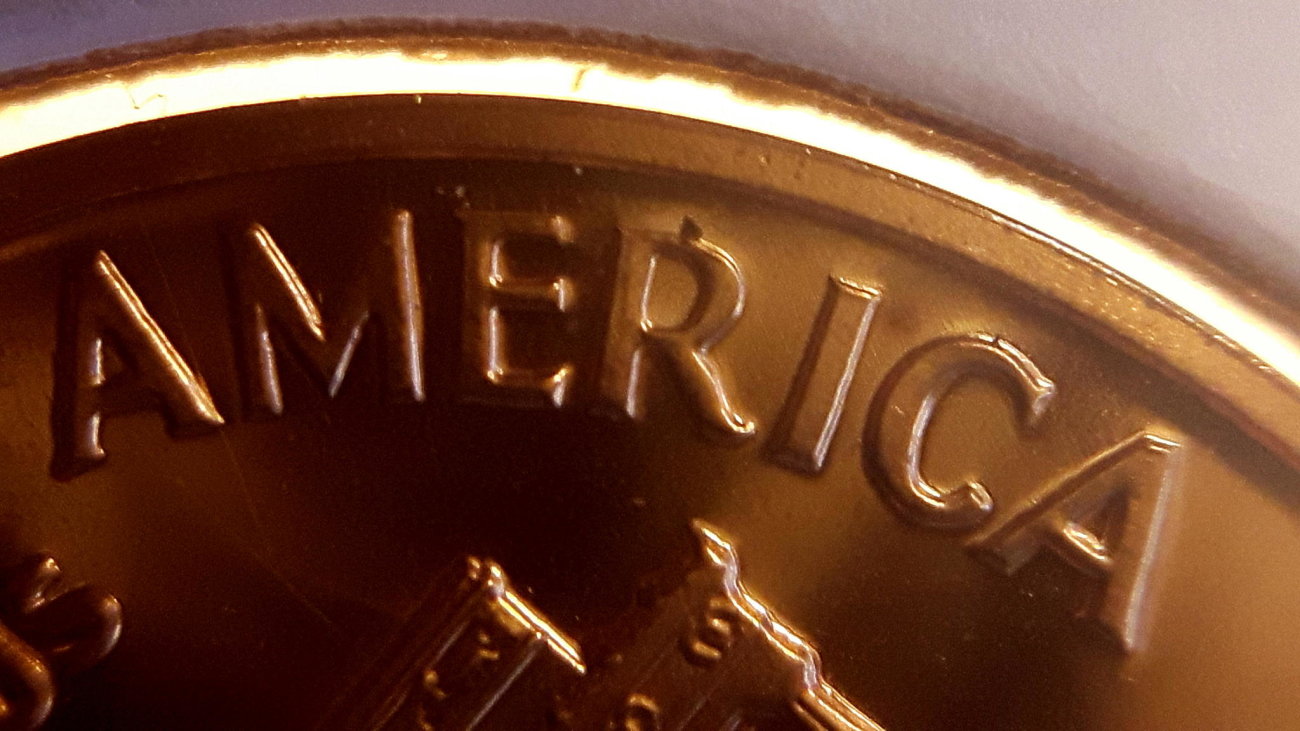
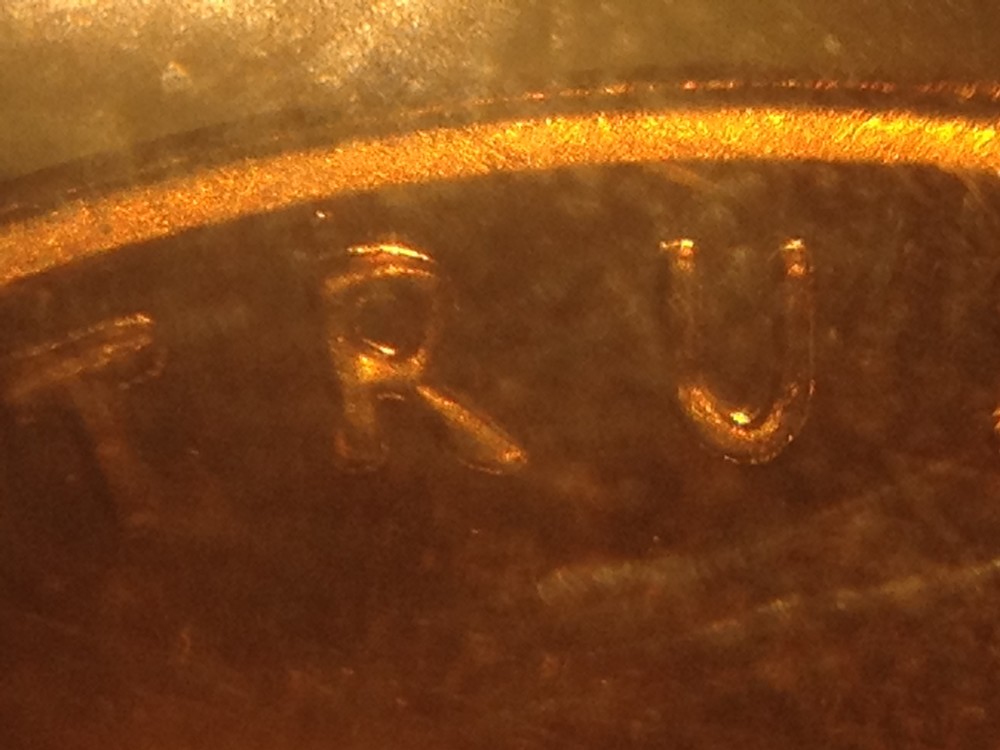
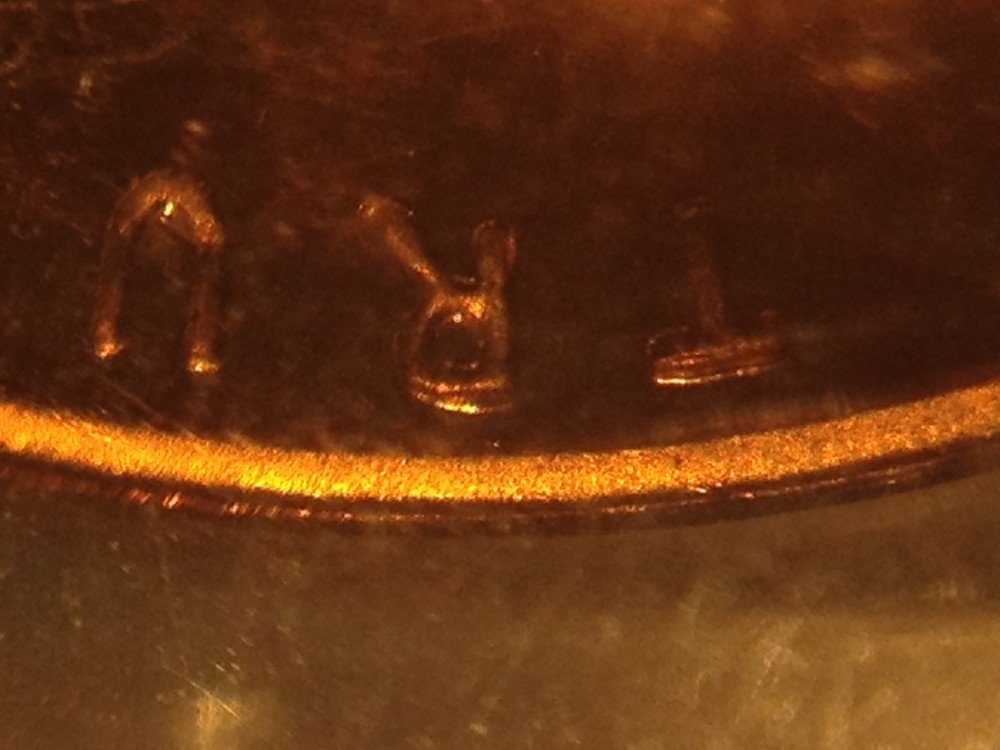
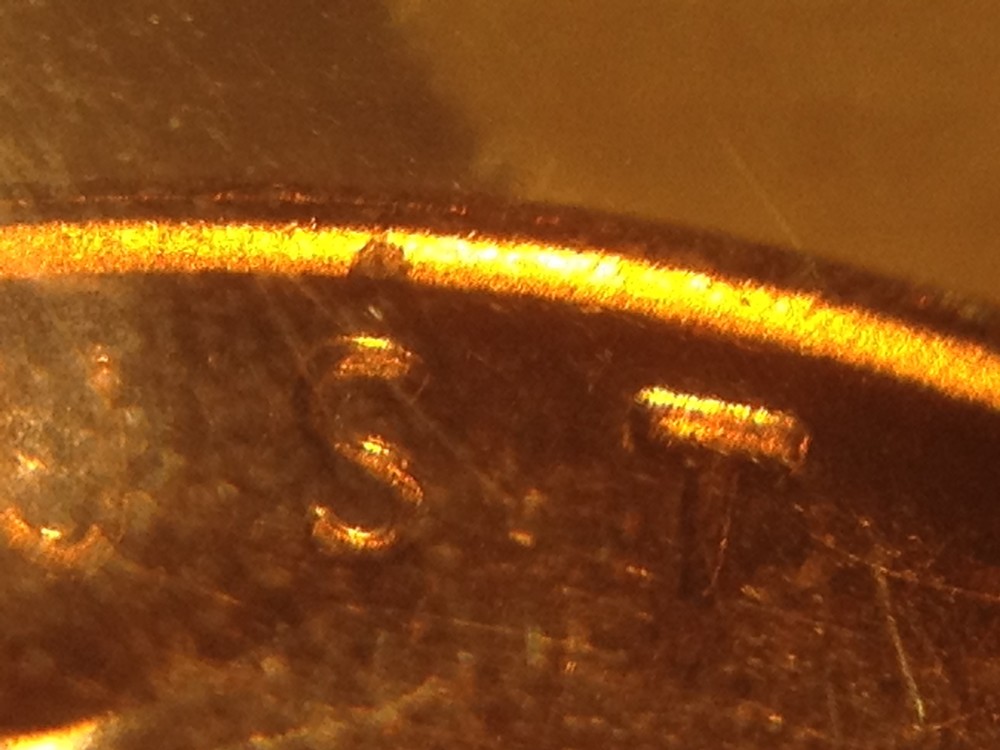
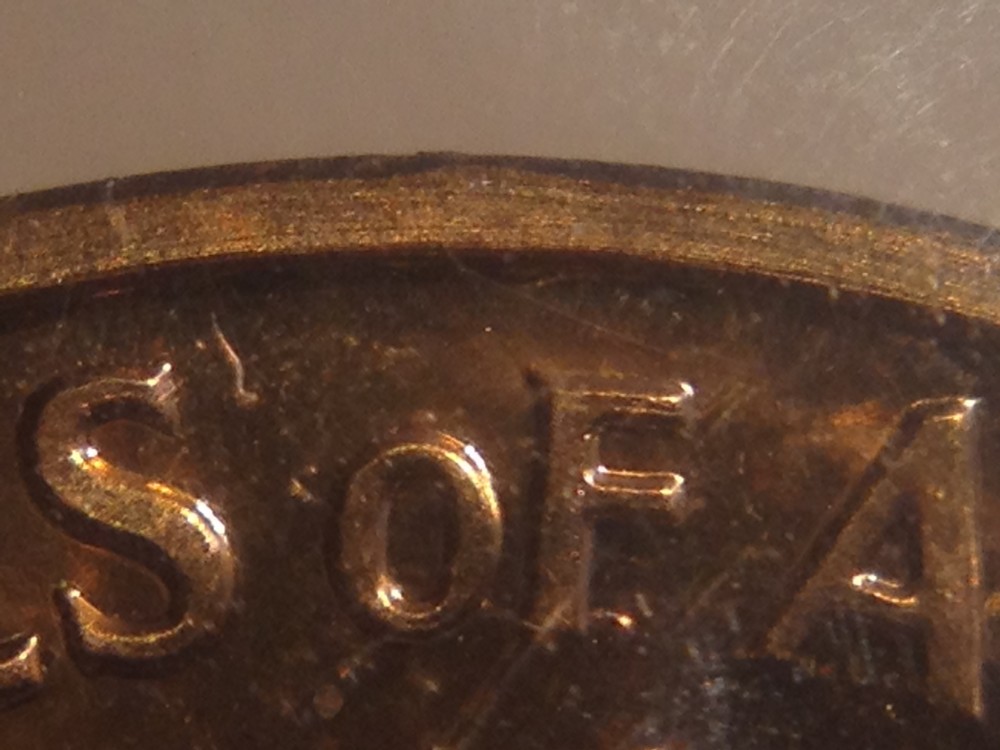
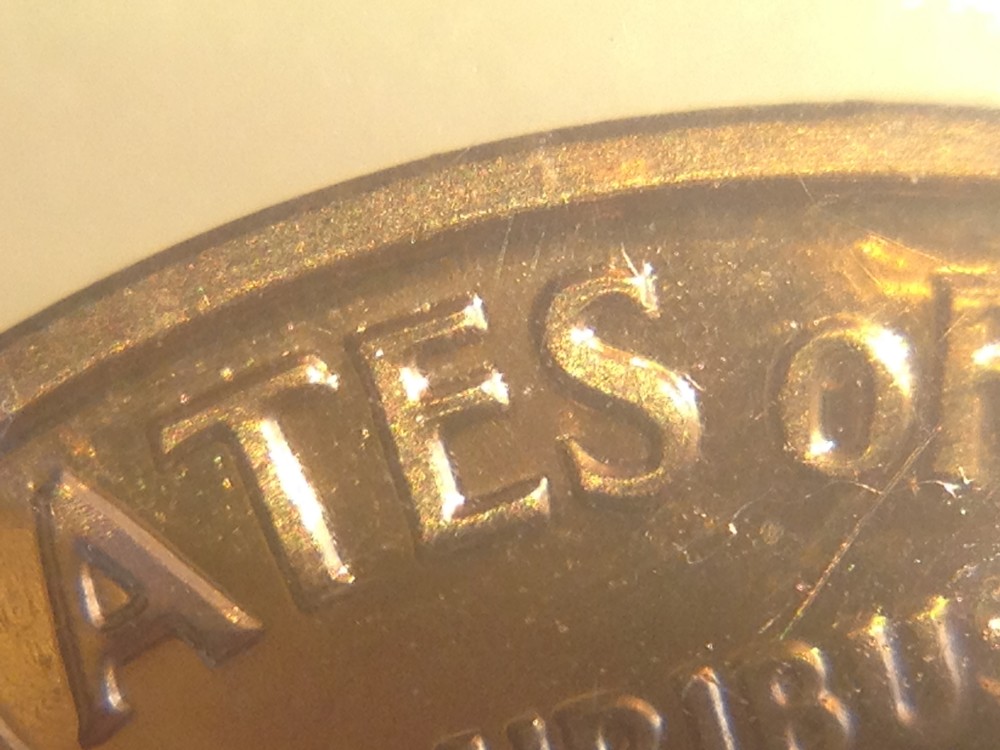
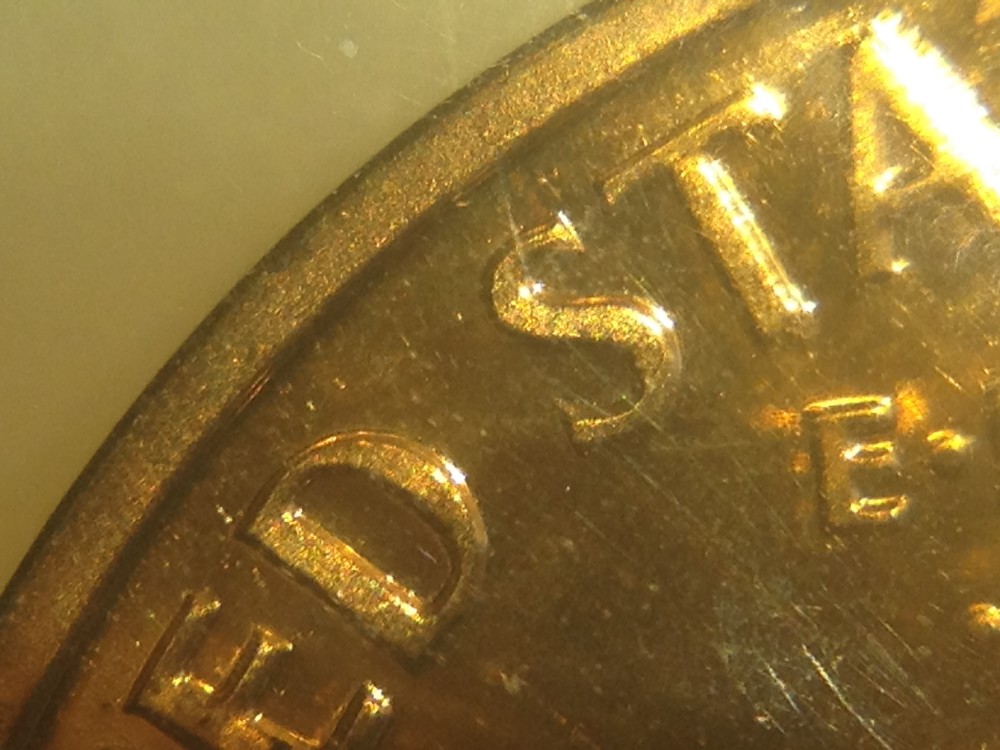
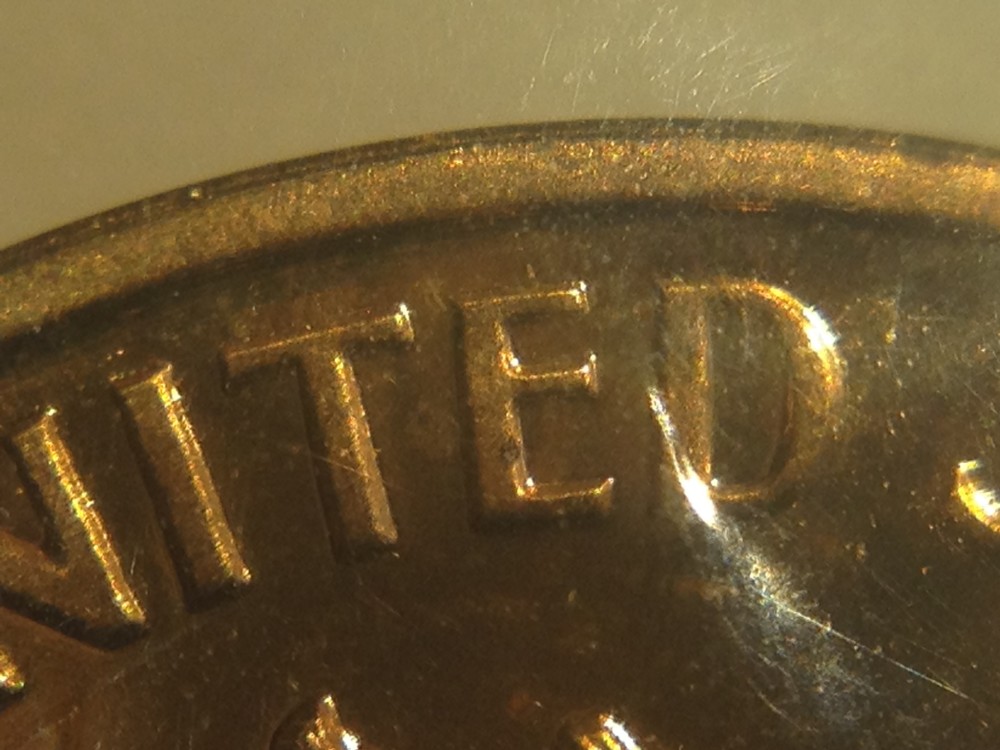
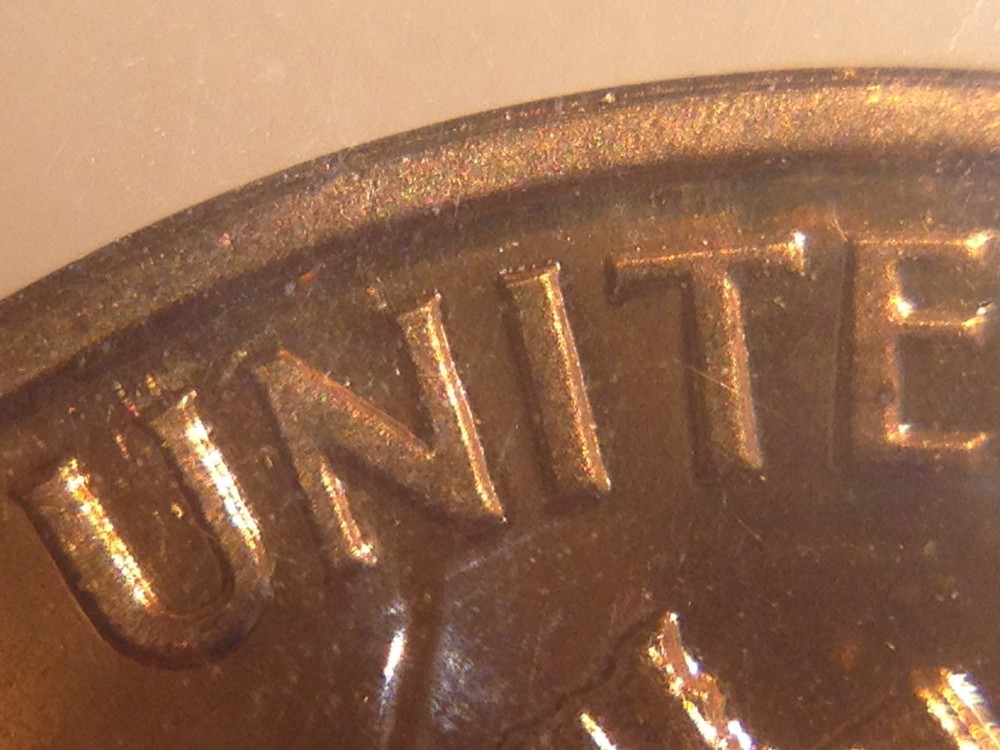
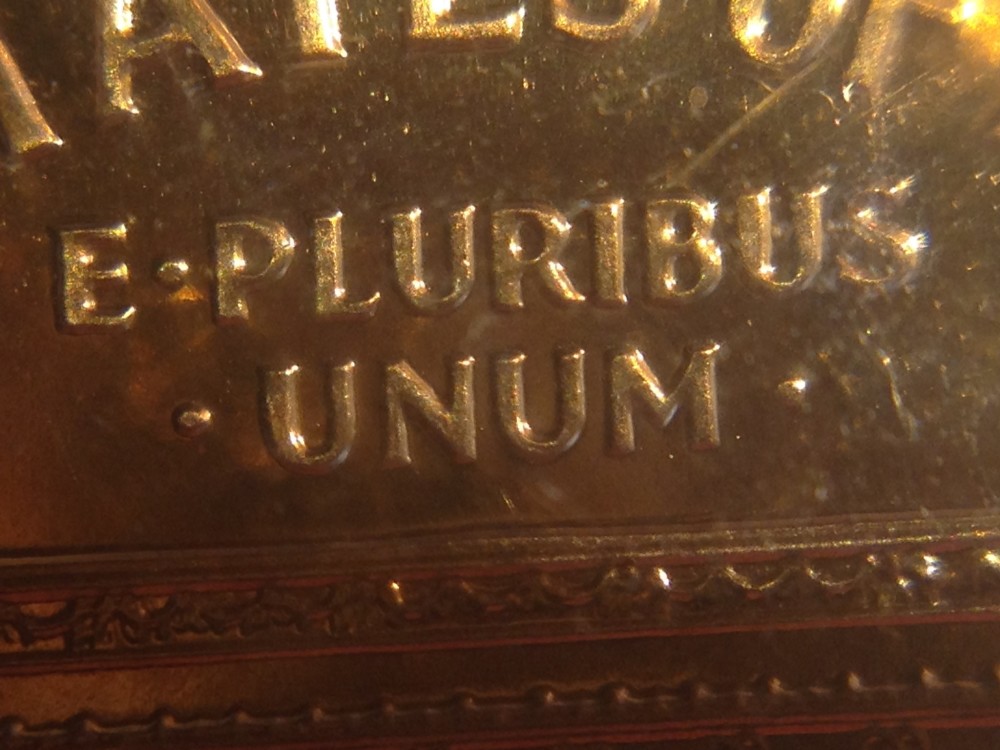
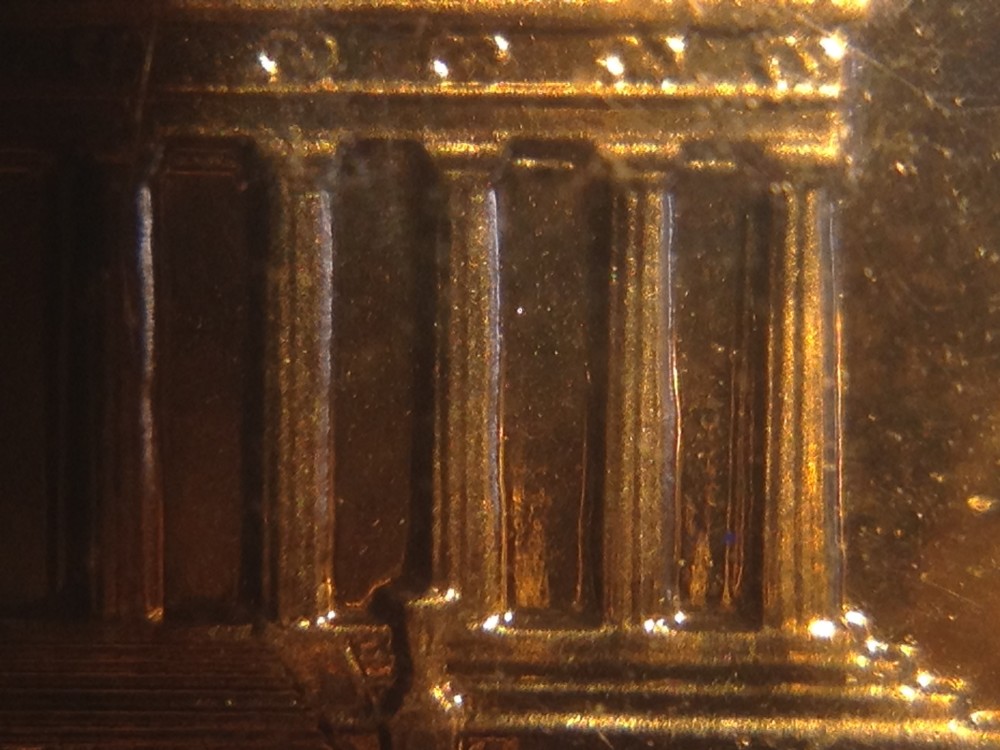
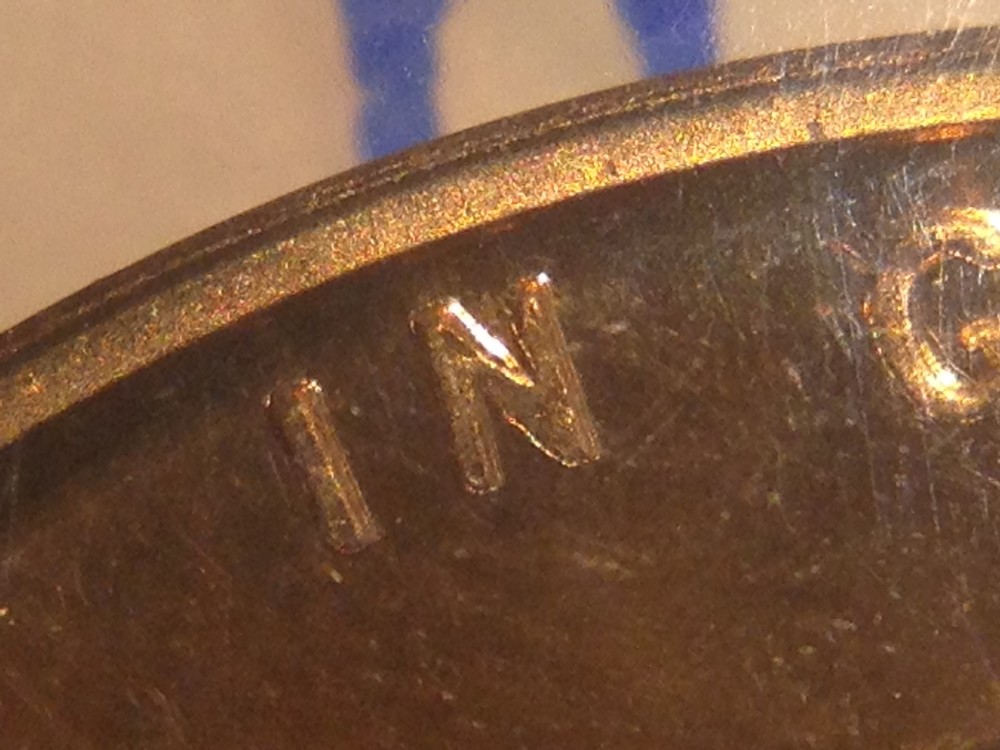
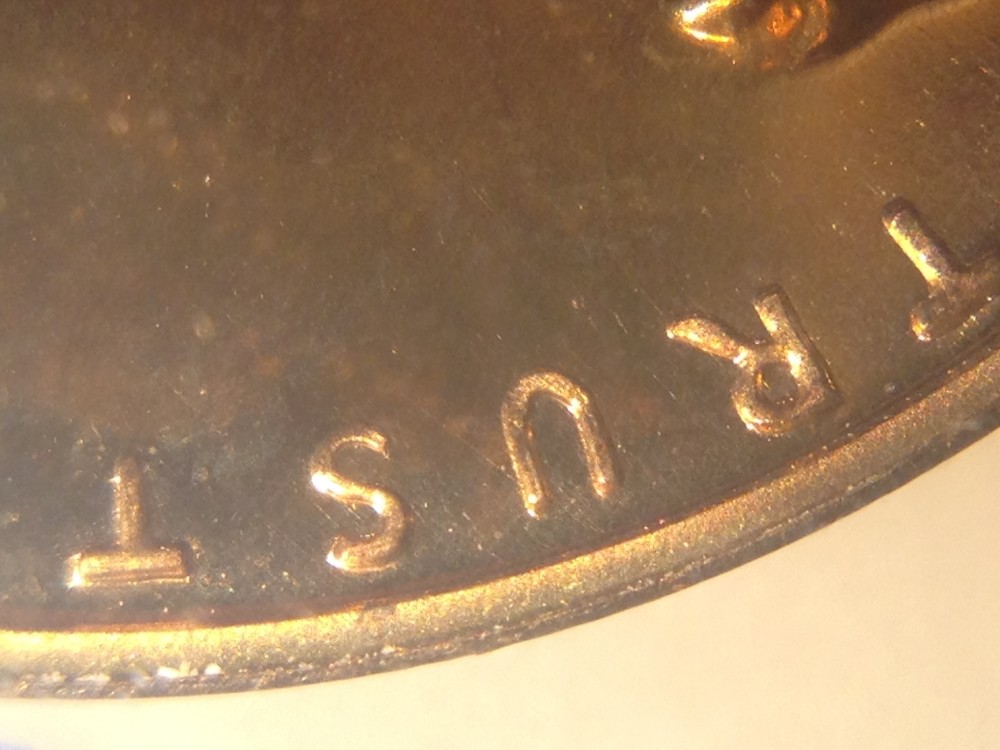
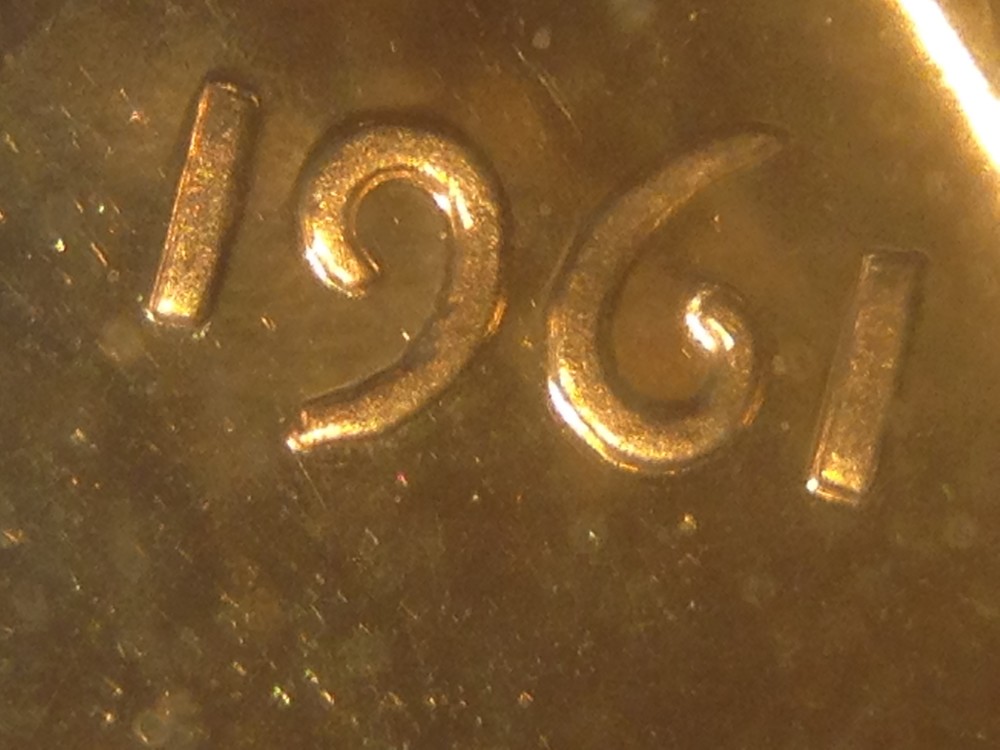
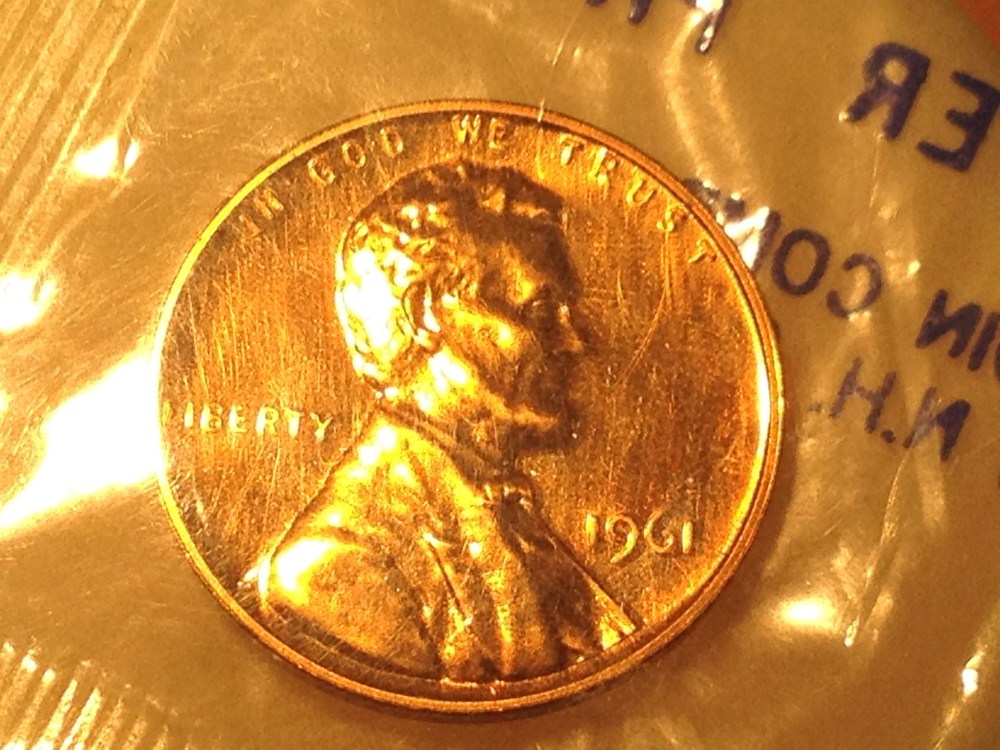
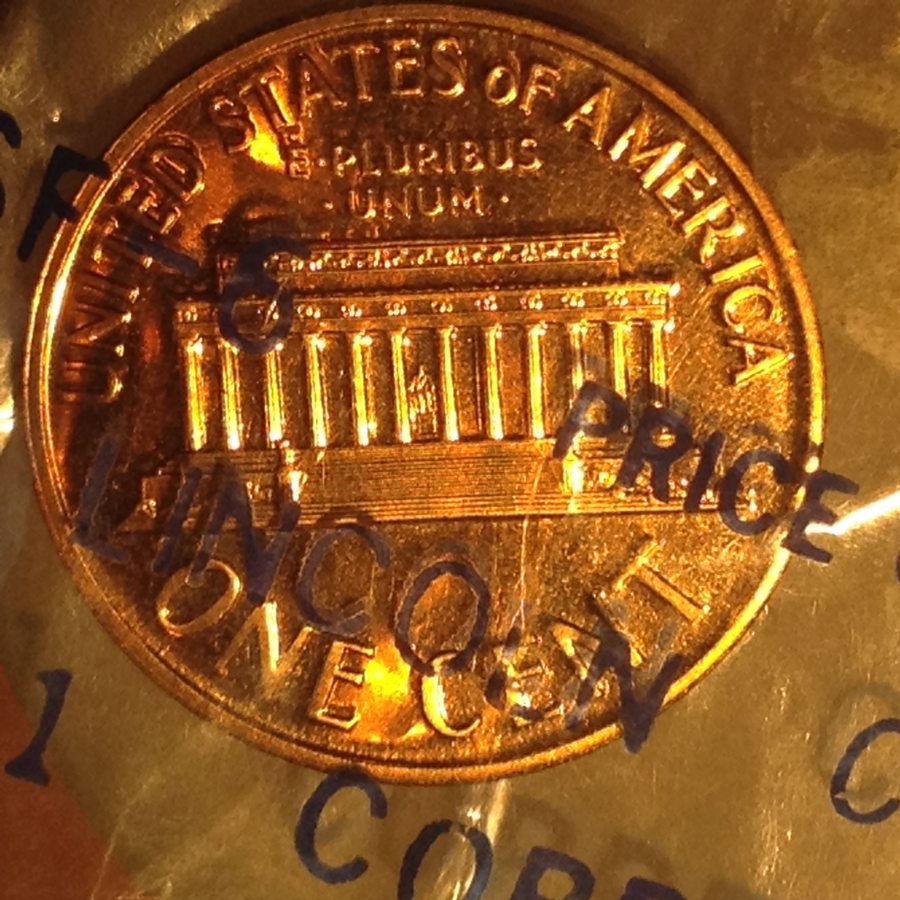
Looks like a normal proof cent with some machine damage on some devices altering their shape. (always reducing the overall size of the devices) Proof coins are struck more than once. (cents twice, larger coin maybe several times to made the devices stand up more) When they are struck the second time the MD and flat field doubling happen, alter the devices not in a good way. On a doubled die, the hubbing process make the doubling on the die. MD damage a coin after the first strike. Here is a thread that will help you find a doubled die on Memorial cents. They happen in the same areas over and over, but knowing where to look is the key: https://goccf.com/t/257745Edited by coop
07/08/2016 11:55 pm
|
|
Valued Member
 Canada
352 Posts |
|
|
Valued Member
Canada
352 Posts |
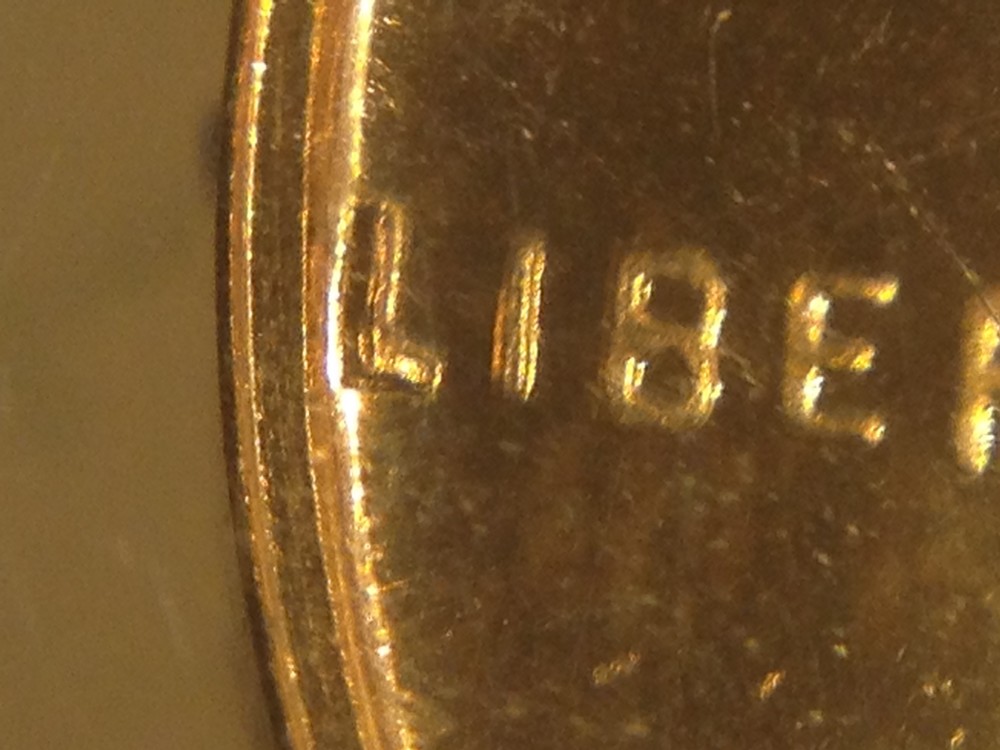
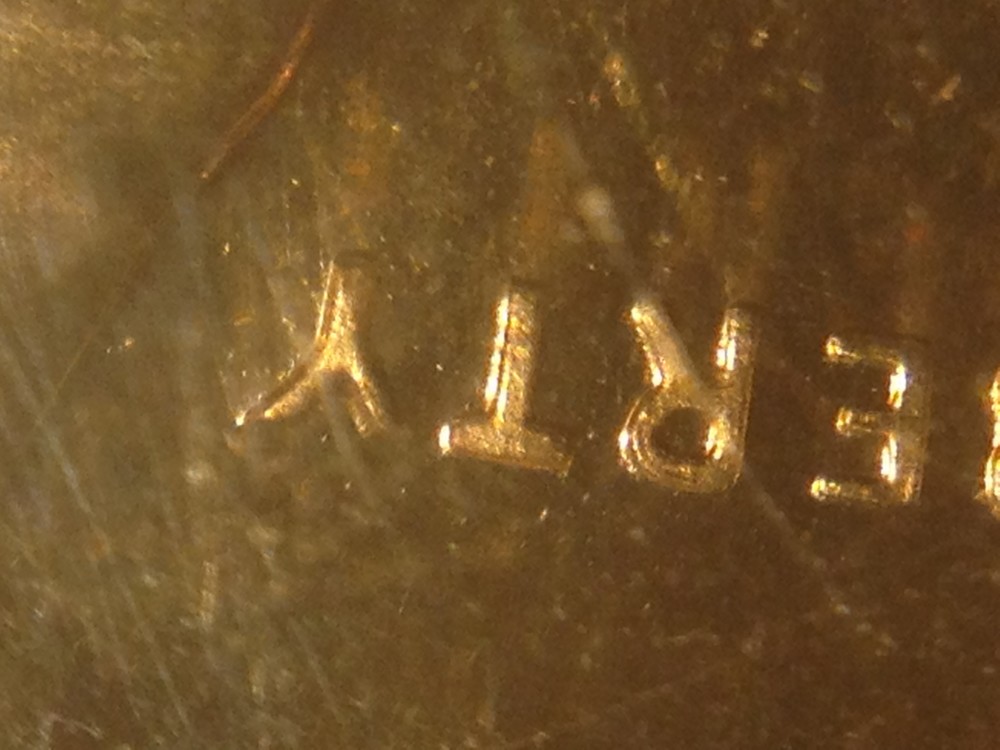
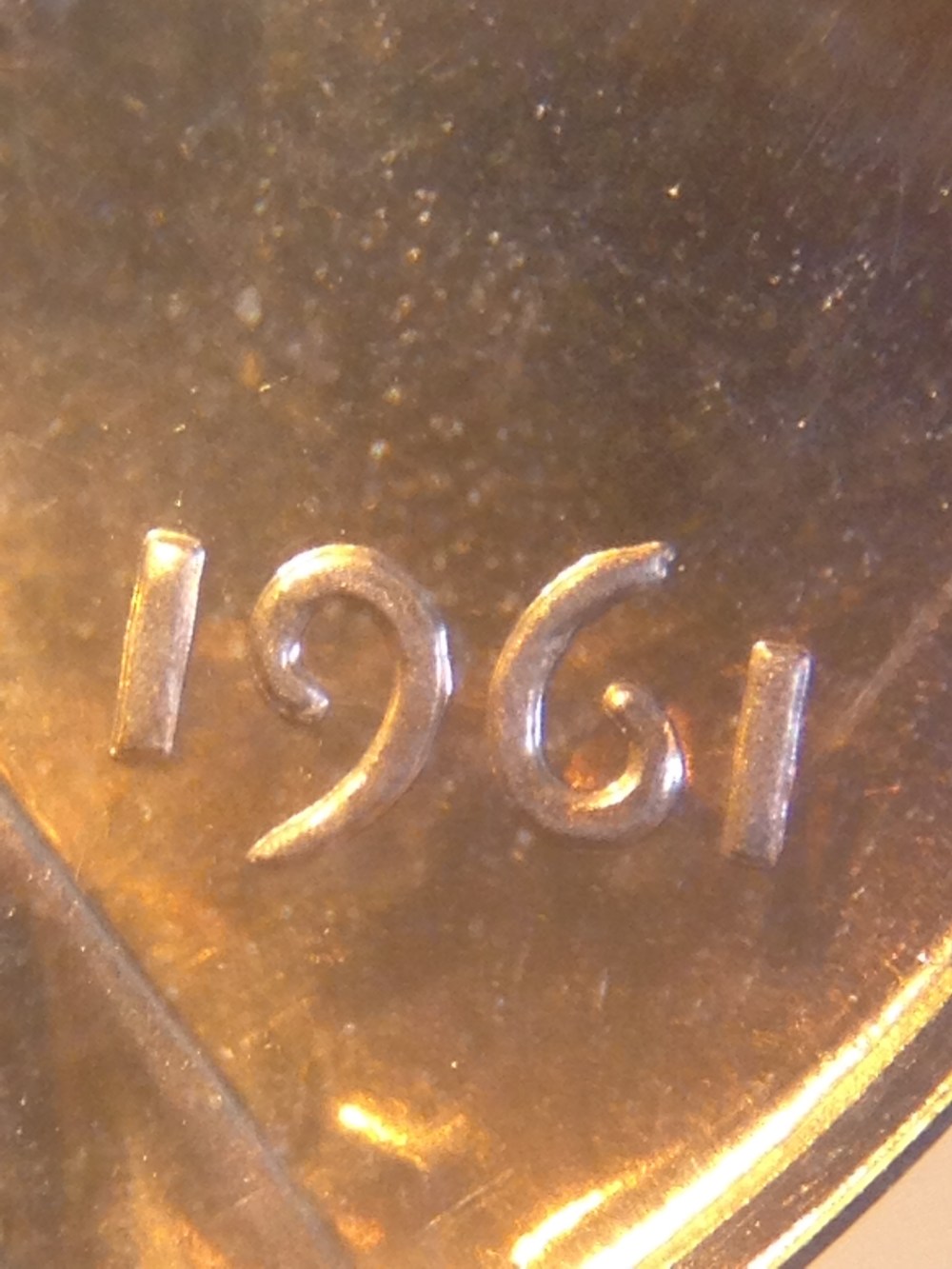
the 1961 and liberty is die damage?
|
|
Valued Member
Canada
352 Posts |
|
|
Valued Member
Canada
352 Posts |
new pic 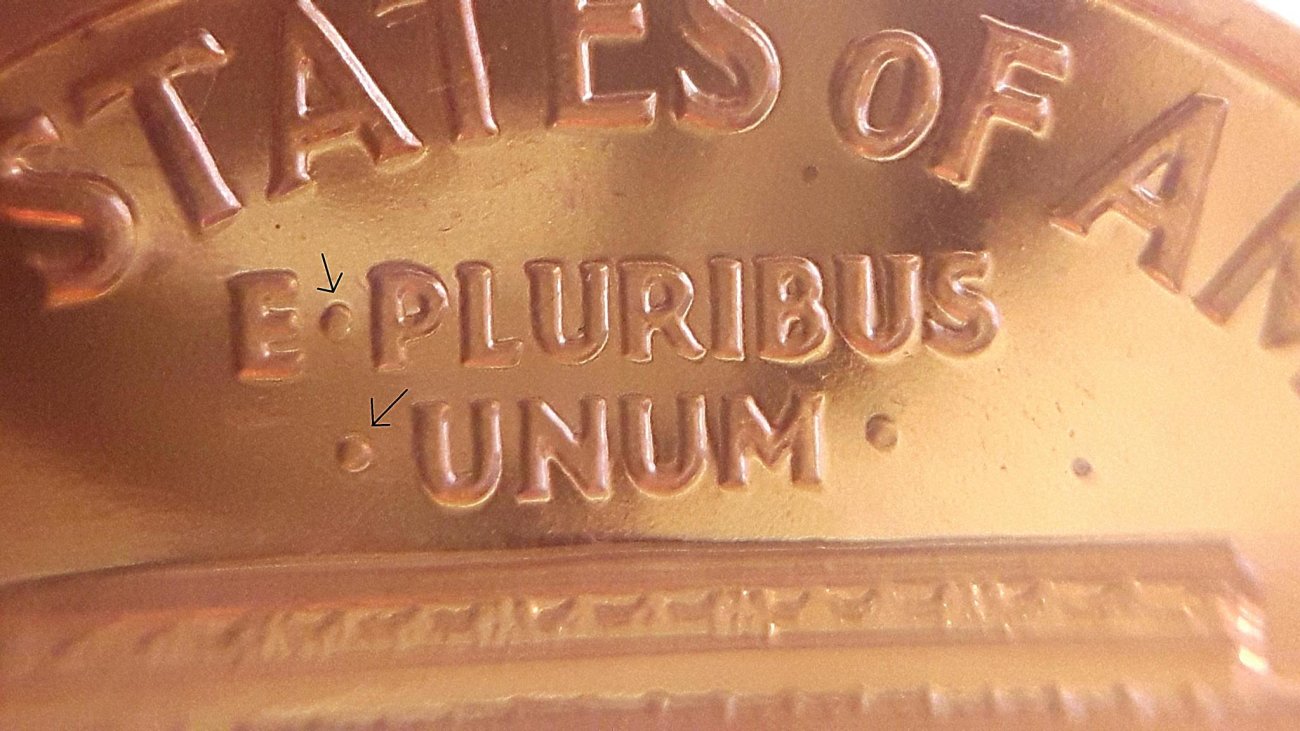 |
|
Bedrock of the Community
United States
62064 Posts |
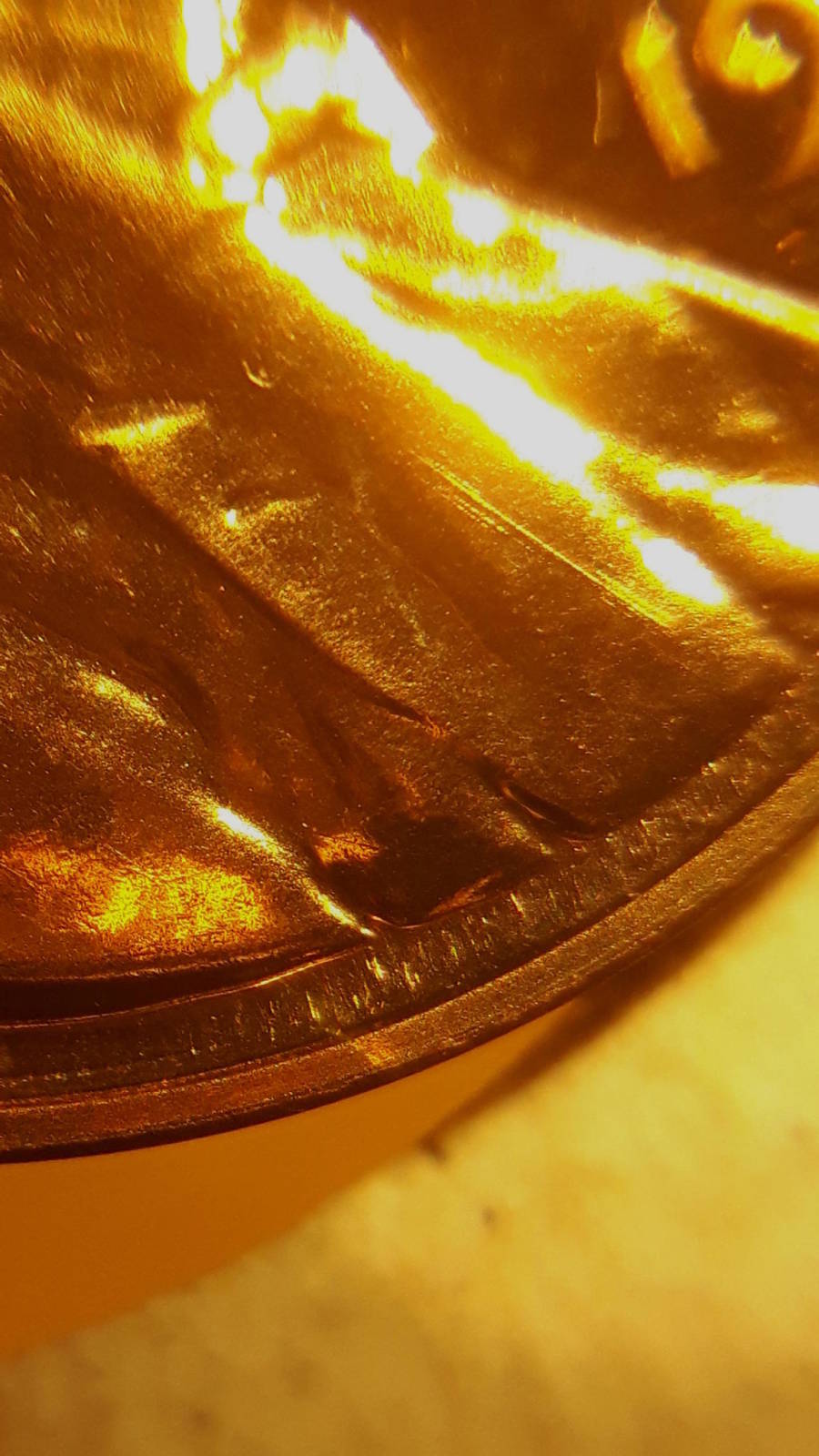
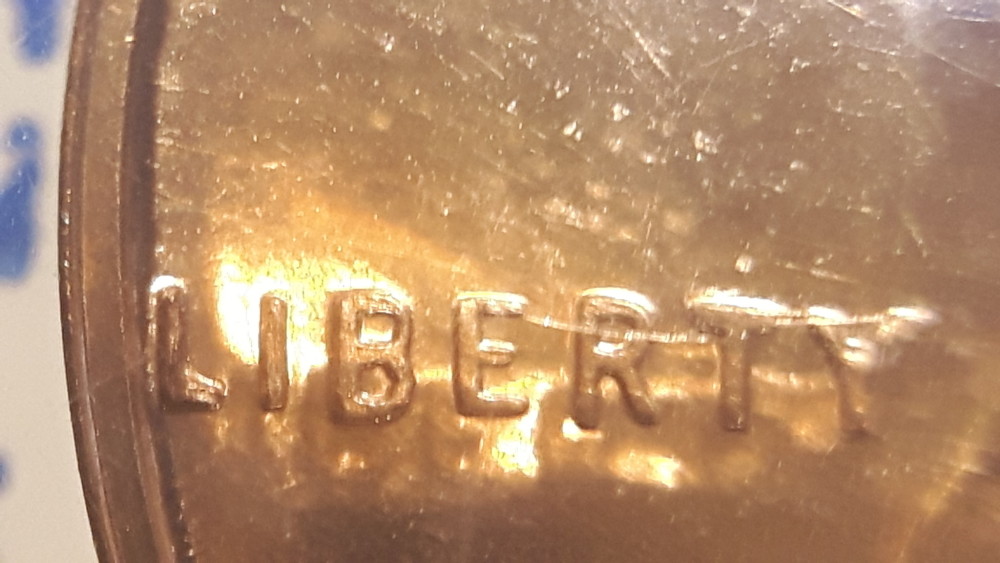
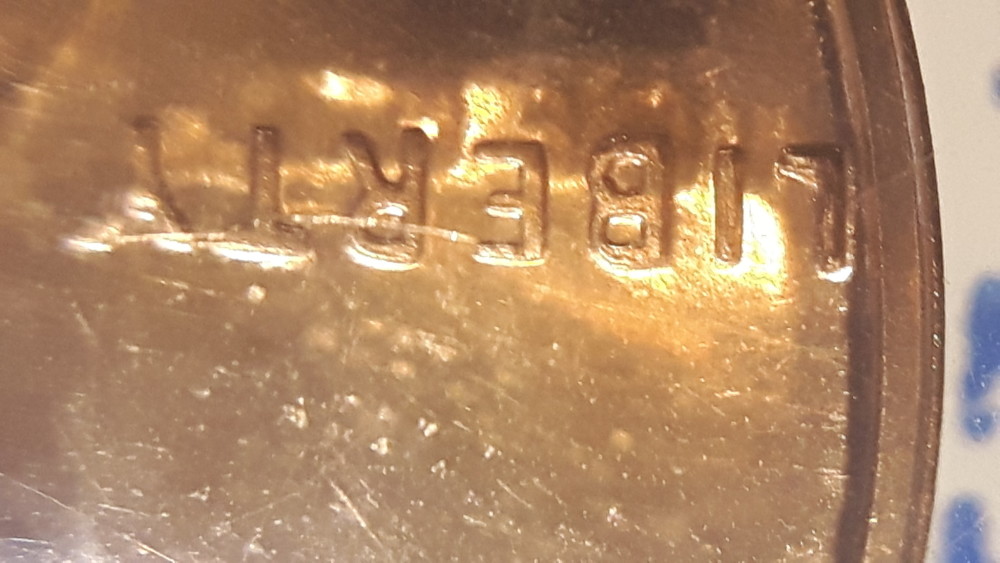
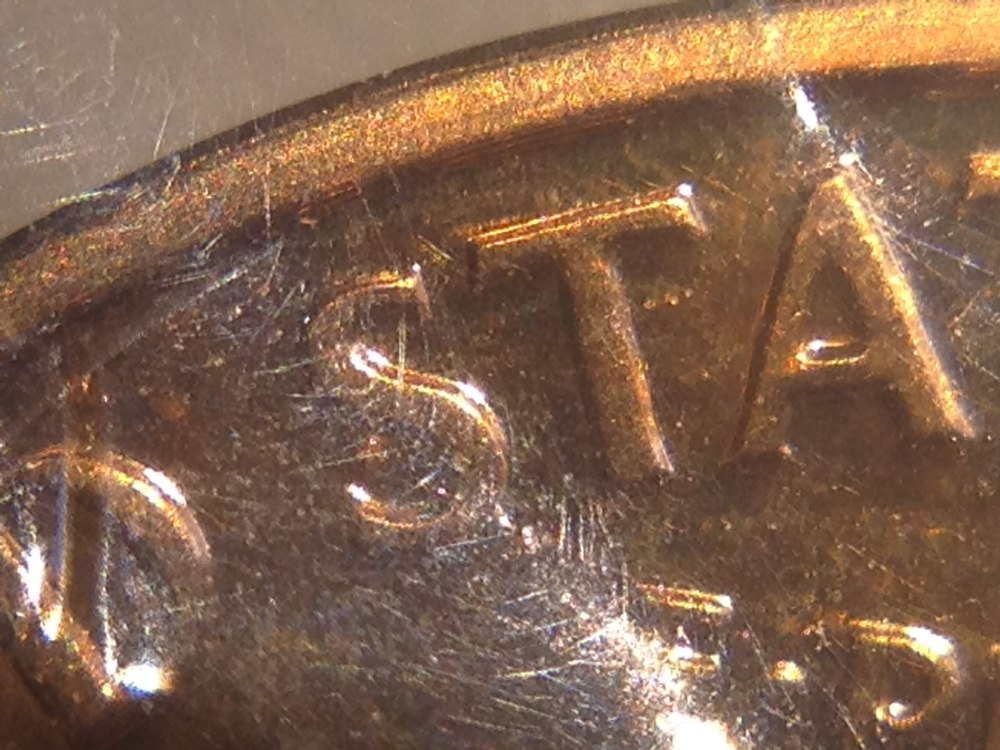
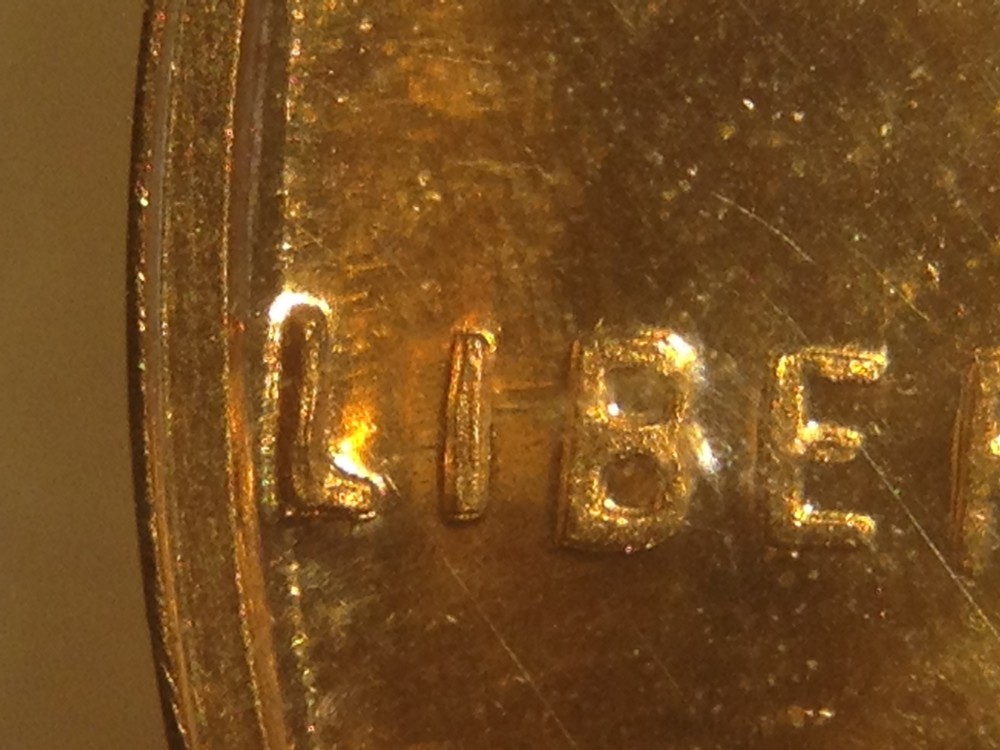
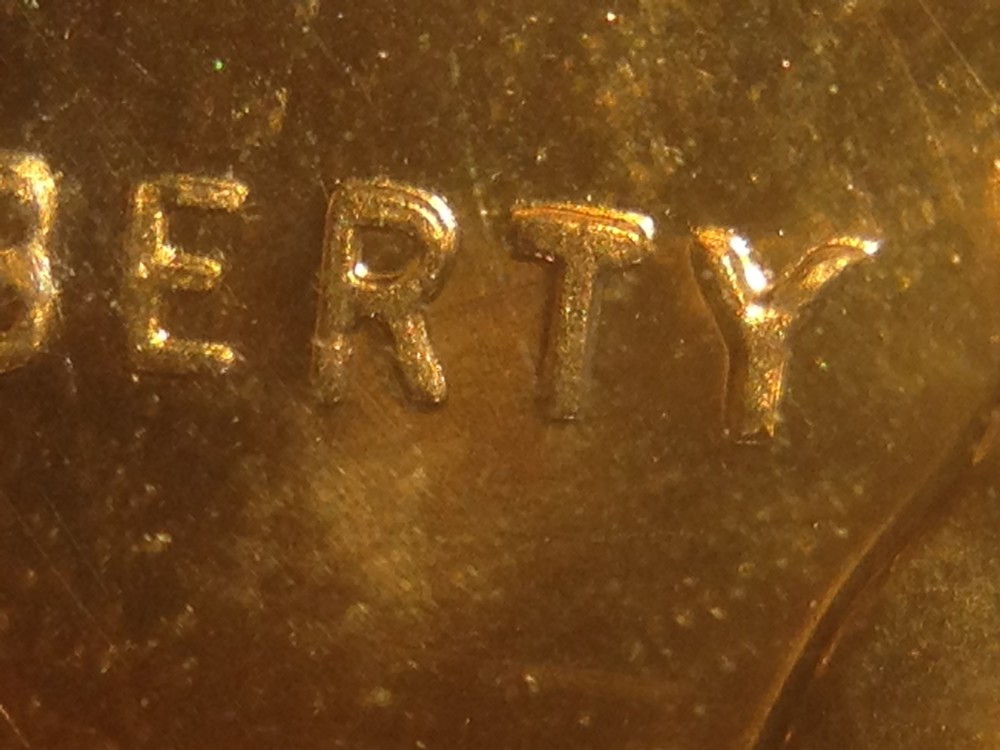
On the LIBERTY, that is coin damage from the machine damaging those devices after the strike. How do I tell? Note on the image with the LIBE on LIBERTY. Note how the devices are not the same width. The 'I' is reduced in size from MD after the strike. If it were hub doubled those devices would be enlarged. Something like this: 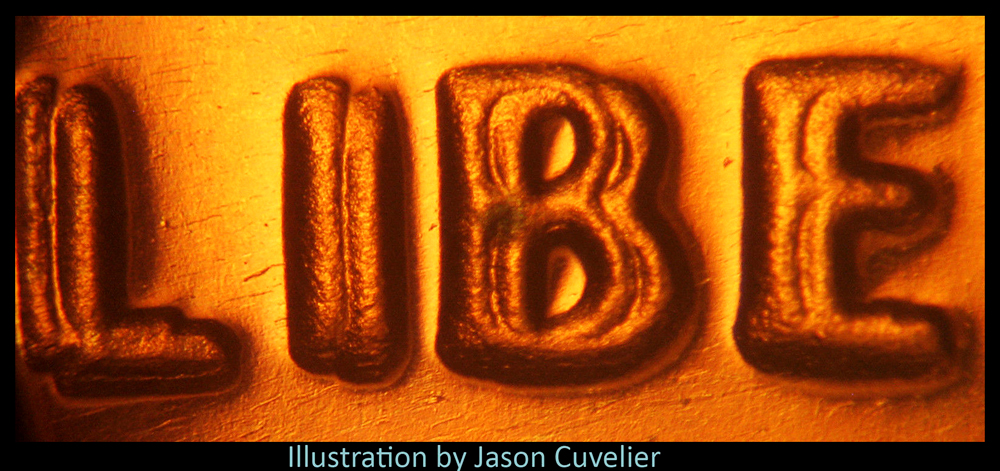 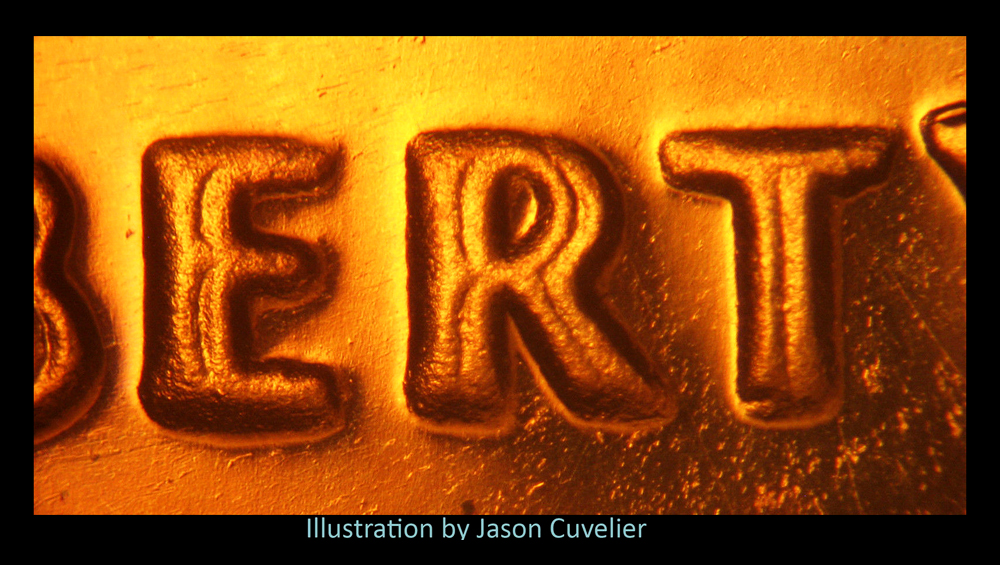 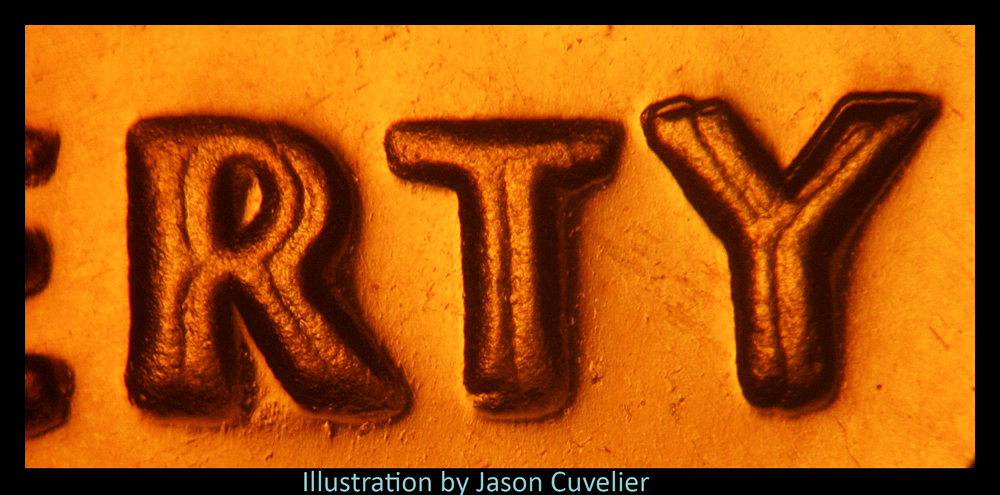 Did you note the spread on these devices? Note how they are enlarged on the coin. That is what you should see on hub doubling on a die that strikes doubled die coins. The double die is on the coin, not created during/after the strike. Proof coins are double struck (business strikes are only struck once) but you find a lot of them that show MD and flat field doubling because of alignment of the strike issues. But you coins devices are normal in size. What is the last coin you posted? This is not the same coin, correct? |
|
Valued Member
Canada
352 Posts |
coop thanks for the lesson all the pictures above is all the same coin 1 coin only , the angle when I too picture only... still learning how
|
|
Bedrock of the Community
United States
62064 Posts |
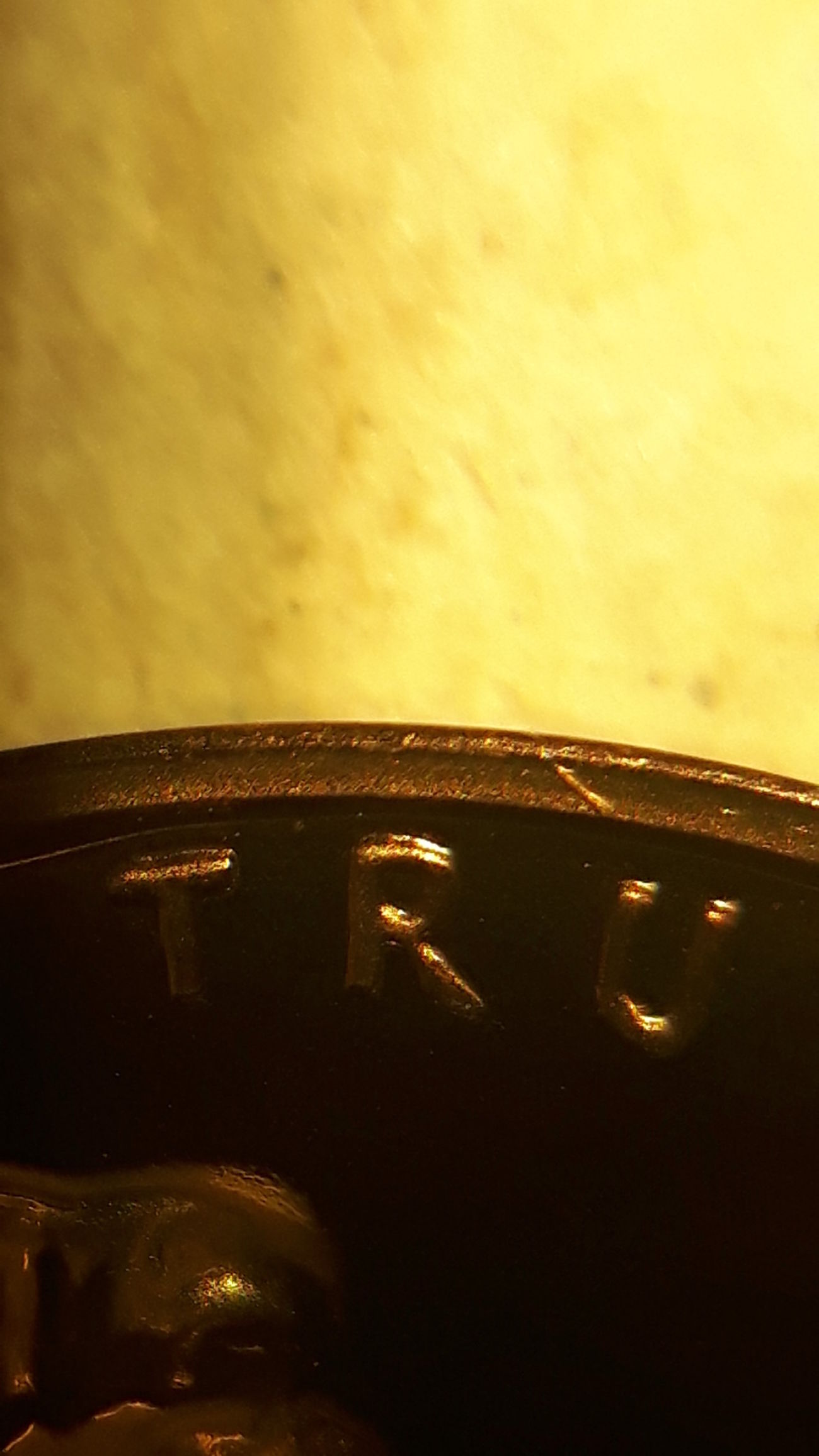
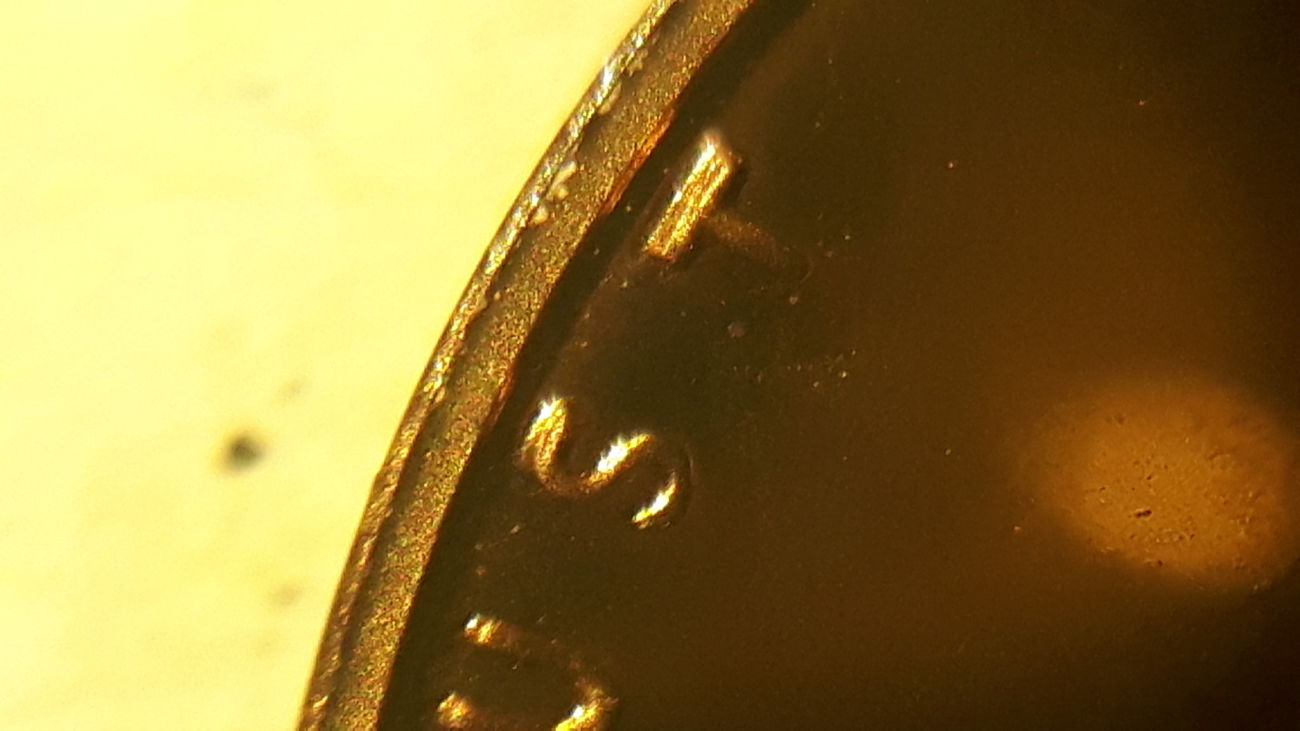
The reason I asked was of the EPU. It looks interesting. I found a DDR that had a similar shape there: 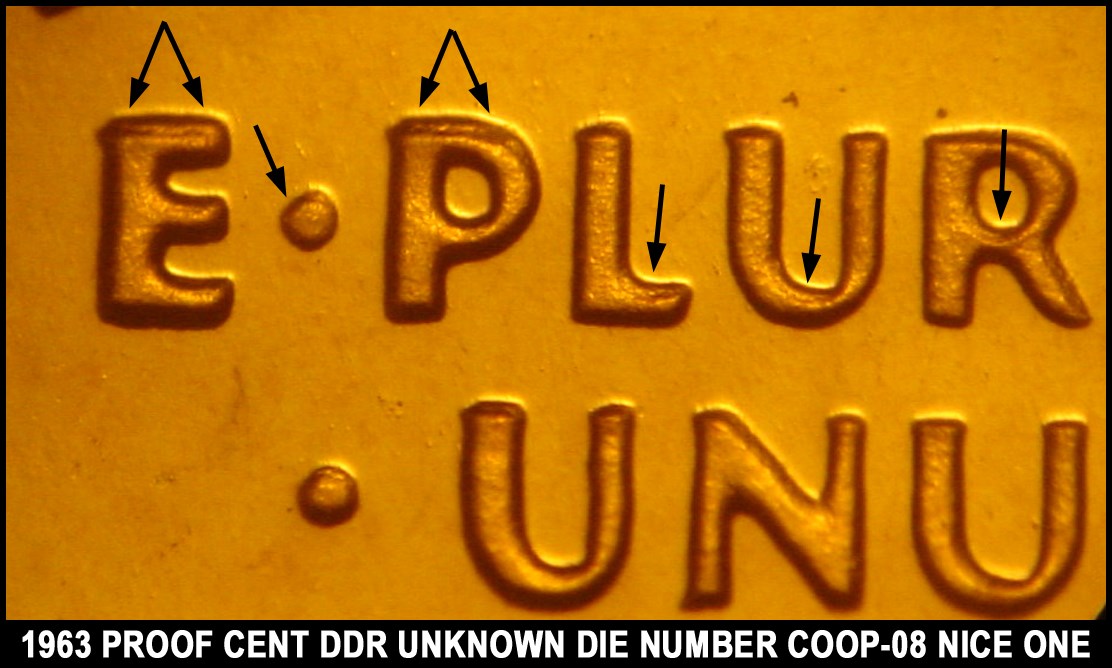 This was a 1963 proof cent. But mine is a minor one. (but I still save them) I can't see the tops of the USA in that area to see if that is MD or hub doubling on your coin. So more images of that area might help. Edited by coop
07/09/2016 12:08 pm
|
|
Valued Member
Canada
352 Posts |
Coop Let me know if you need more clear pictures of a certain area...the newer pictures that I post is without mint plastic I decided to remove it to have a clear picture
thanks!
Edited by domys
07/09/2016 2:51 pm
|
|
Bedrock of the Community
United States
62064 Posts |
I remove the cellos off the coins of cut from sets. The nickels tend to tone too much. But I like a nice color. (not so much the brown tones you find on silver coins. reds and blues look nice, but not artificial tones. That is just ugly) I store proofs in tubes or 2X2s for storage.
|
|
Valued Member
Canada
352 Posts |
|
|
Bedrock of the Community
United States
62064 Posts |
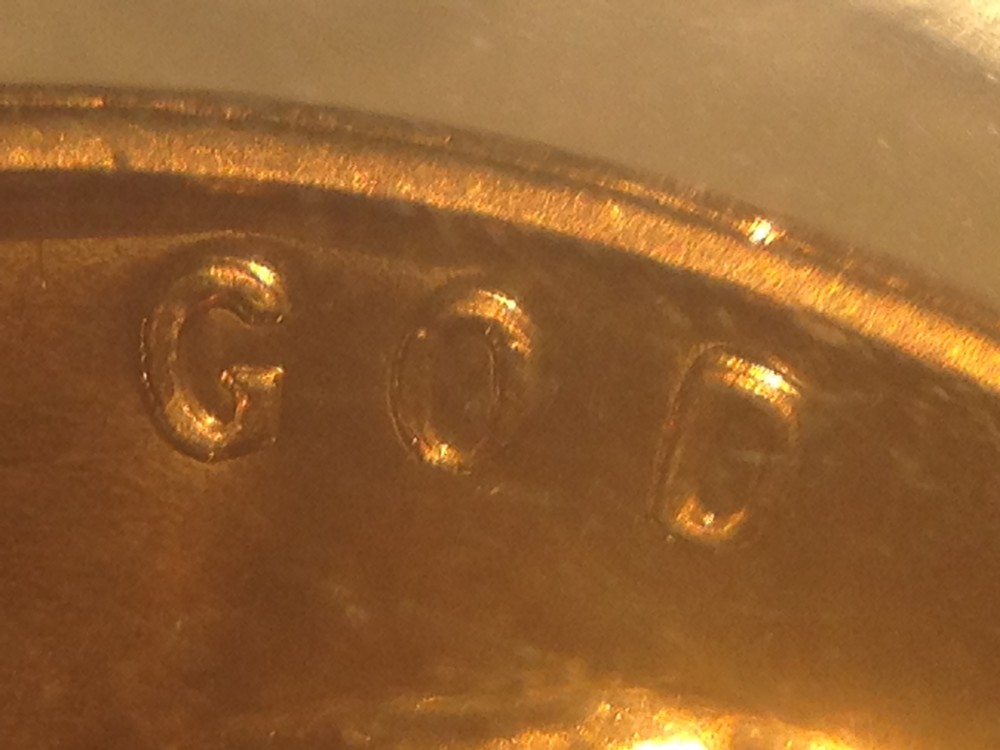
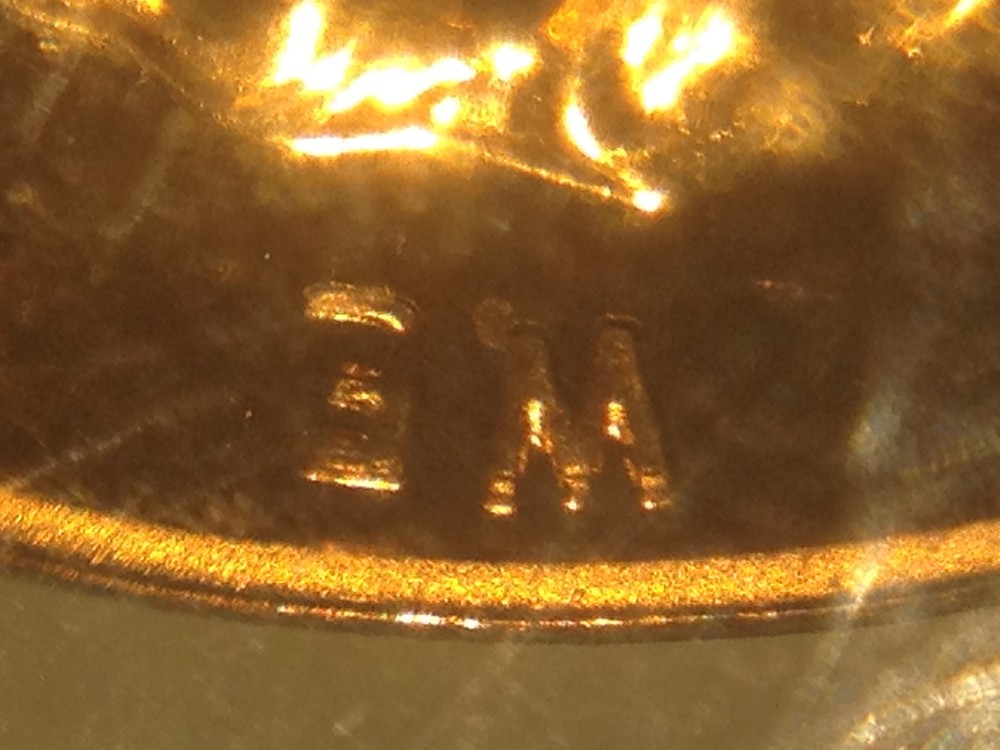
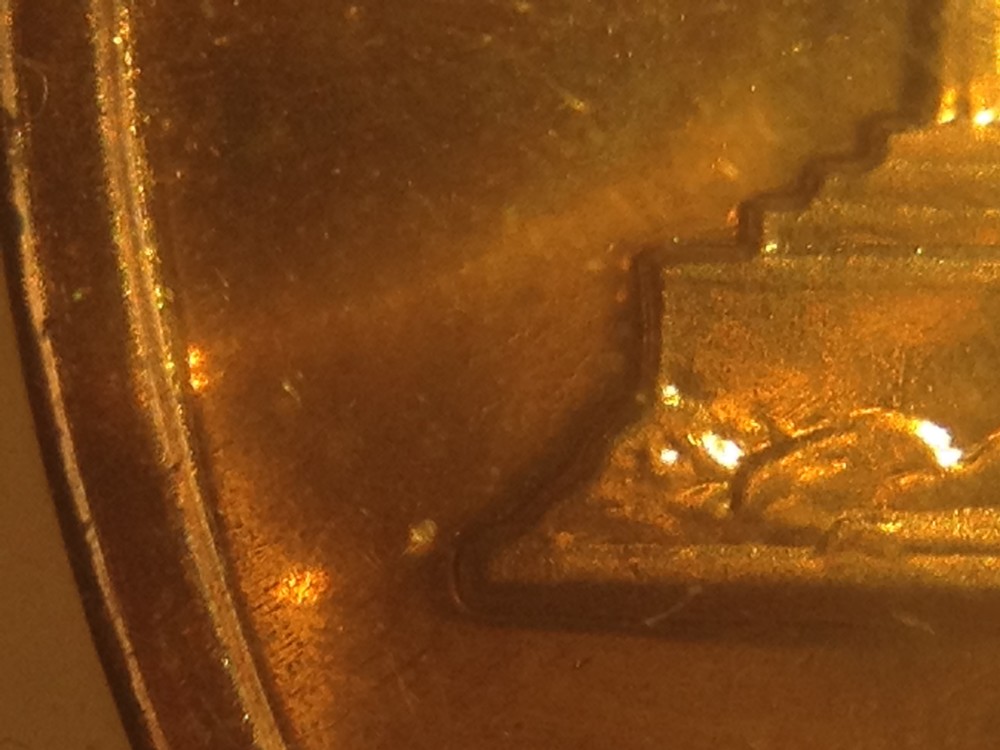
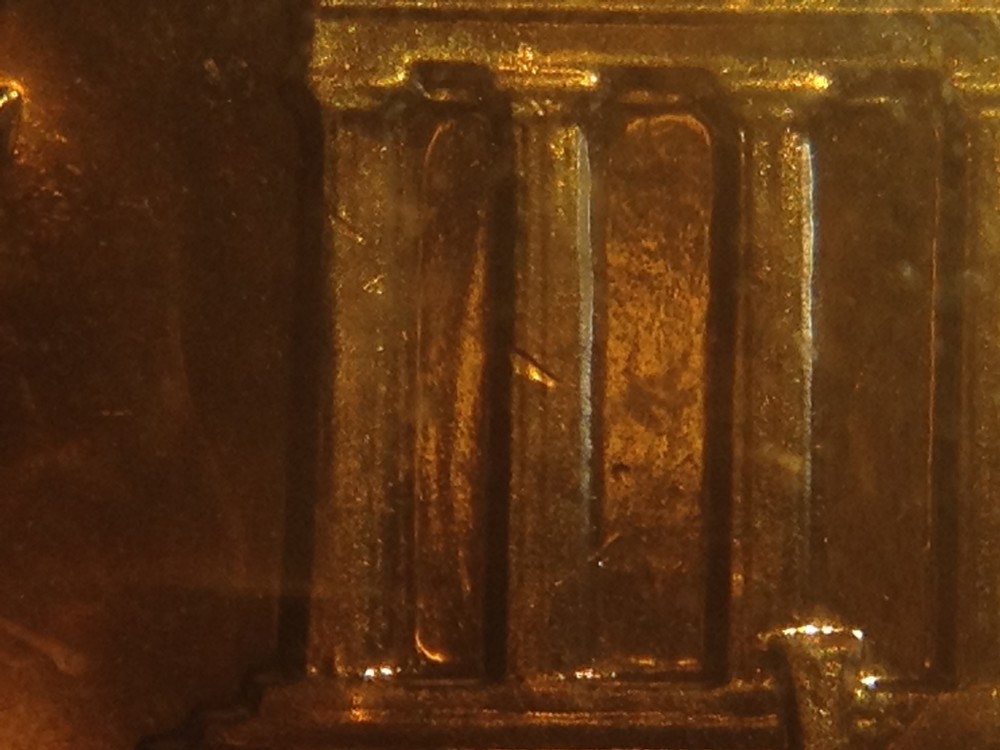
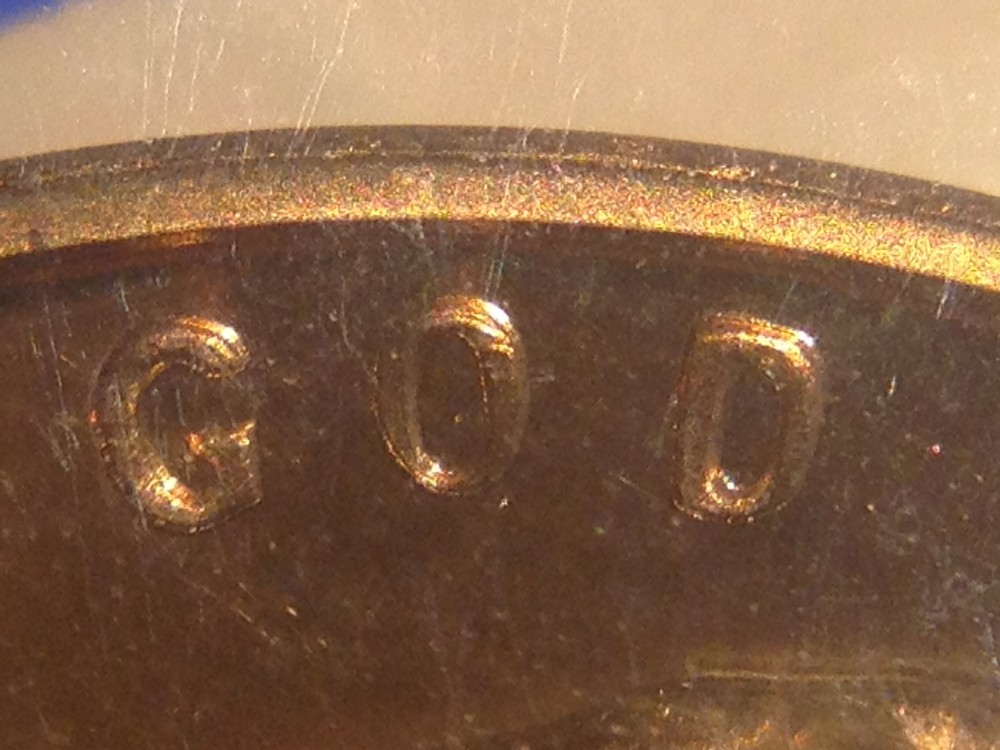
The last three are showing more machine damage after the strike by the dies damaging the devices. (keep in mind that the proof coins are struck twice so there is more opportunity for this to happen than on a business strike coin.
|
|
Valued Member
Canada
352 Posts |
|
| |
Replies: 14 / Views: 2,493 |
|











 Posted 07/08/2016 11:52 pm