| Author |
 Replies: 15 / Views: 3,381 Replies: 15 / Views: 3,381 |
|
|
New Member
Canada
6 Posts |
|
|
|
|
Pillar of the Community
Belgium
651 Posts |
|
|
Pillar of the Community
 Canada
5644 Posts |
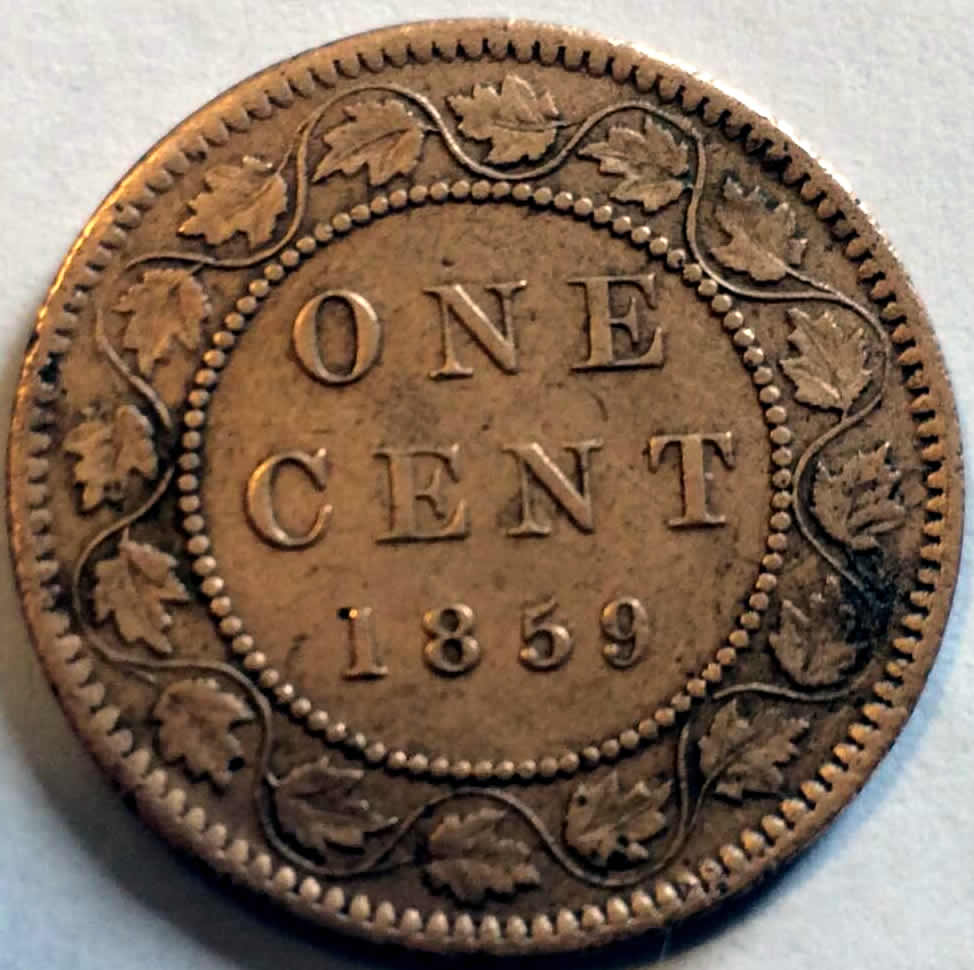
The photos don't have enough magnification to see what you have. It's a heavily cleaned VF-20+, but hard to tell what variety. For some fun, try to find it on this site by Dr Haxby: http://www.vickycents.com/ |
|
Pillar of the Community
Canada
581 Posts |
Looks like a narrow 9 variety, but never know :p try taking a close up of the date for us :)
|
|
Pillar of the Community
710 Posts |
 I agree, it is heavily cleaned with something. The coin is a "narrow 9" variety. |
|
New Member
 Canada
6 Posts |
Hi everyone: I found this coin along with 3 others while I was gardening, in the soil, back in 1976. Here are better close ups of the coin. 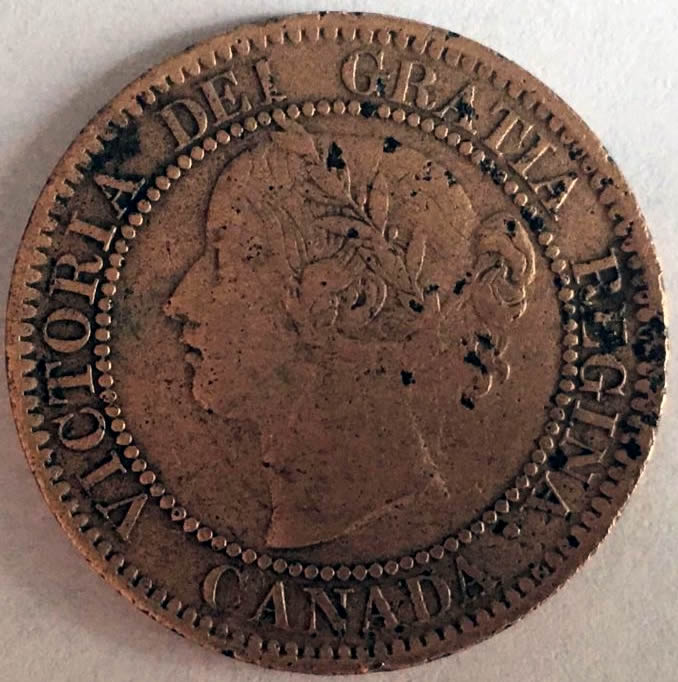 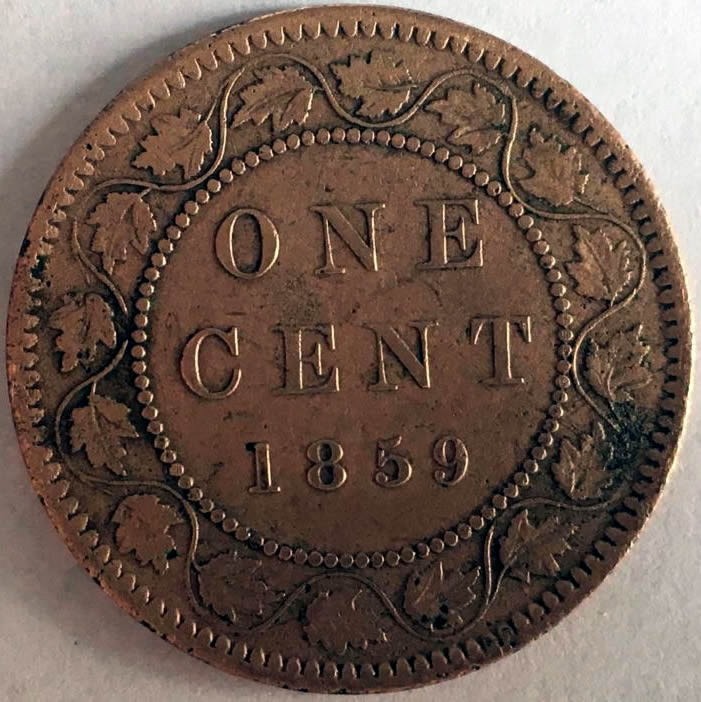 |
|
New Member
Canada
6 Posts |
Hi everyone:
I made the mistake of cleaning the coin a few years back. I used a creamy metal cleaner and I have lived to regret it. It is still tarnished in some areas. Does anyone know what type of coin it is? I know that its a narrow nine, but thats about it. I would really appreciate your opinions. Thanks
|
|
Valued Member
Canada
257 Posts |
It is a Canadian 1 cent coin (known as a "large cent" due to its size) Large cents were produced from 1858-1920, but not every year in the 1800's This coin is the second year large cents were made and 1859 large cents are special as they are the most well-researched Canadian coin - due to the hundreds of variations in dies used to create them. Vickycents.com goes more into depth on this. Personally I am most interested in large cents from 1858-1901. Cleaning never helps value, but you've probably learned/or are finding that out since joining the forums :)) Here is a link to some more statistics on the 1859 http://www.coinsandcanada.com/coins...nt-1858-1859This isn't the definitive price guide, but gives you an idea of the range of what it might be worth |
|
Pillar of the Community
United States
1101 Posts |
The repair of the vine loop at leaf 2 is the most obvious feature of this reverse and there is also a die crack at leaf 12.
The top of the C of CANADA on the obverse shows repunching and you can see a die crack at the N of CANADA.
As Okiecoiner and GregJG suggested, you might enjoy going to Dr. Haxby's site and matching up those features, I think you can identify this die pair yourself.
All 1859's are fun. Welcome to the forum!
Edited by Phil310
07/18/2016 08:08 am
|
|
New Member
Canada
6 Posts |
Hi everyone, thanks you so much for your expertise and advise. I have been to Dr. Haxby's site, boy its a little confusing for me. I noticed the vine loop at leaf 2 repair but I didn't notice the die crack at leaf 12 nor the C or N anomalies. This is fascinating. Again thanks.
|
|
Bedrock of the Community
Canada
10743 Posts |
Hi Adrianacimbron... ..to CCF enjoy your stay with us..  Your coin is a Canada large cent (narrow 9) variety, looks VF-30 cleaned to me. |
|
New Member
Canada
6 Posts |
Hi everyone, can someone suggest a coin grading company in the Waterloo or Toronto area. After reading all the posts about the 1859 rare brass coin, I used my diamond ring and I scratched a tiny piece on the rim side of the coin. To my surprise it looks like 14 K. gold and the residue left on my finger looked like gold dust under the magnifier. So I don't what to think, I need to have it looked at.
|
|
Valued Member
Canada
257 Posts |
I'm sorry but it's not gold
Maybe there's a very unlikely chance someone had it gold plated, but then there's not enough to be worth $1 in gold
Let me explain the merits of grading and I'll explain why I don't think you should have it graded.
People get coins graded to:
1. Publicly register and show off a set of coins
2. Have the coin in a more protective holder or to display high value coins
3. Individuals with less experience can get coins graded if they have no advice from others and need to know
4. To get a grade on a coin where subtle differences can make a massive influence on price (one grade is $4000, and the next one up is $6000)
5. To more easily sell coins that require more experience to determine value.
6. (I'm probably missing some reasons but these are the main ones)
As this coin is a low value coin (relative to the cost of grading and other coins) maybe in the $5 range, you could loose the entire coins value getting it graded and possibly loose money on it.
For this one, the advice of the CCF community should be enough for you :)
Tell me if I'm wrong too :)
|
|
Valued Member
Canada
257 Posts |
As for it being brass, there's such a small possibility it comes down to your risk to investigate it further.
Of course you need a grading professional to tell you exactly what it is. (If you try a coin shop you may get one answer or another)
There are only a handful of grading companies in Canada, and only two reliable ones ICCS, CCCS
I've heard if you phone ahead and visit ICCS they can tell you if it's brass or not by talking to them.
Sending it in takes that risk of loosing all the value on the coin or an extremely small chance of making tons
|
|
New Member
Canada
6 Posts |
Of course I know its not gold but the piece that I scraped off is the unexposed metal and it is very shiny and gold looking in the sunlight. I just found it strange that I had a fine gold like colour residue on my fingers than again maybe it means nothing. I am curious to know if it is brass and if it is than I would get it graded. I know that the possibility is slim but I am curious to know.
|
|
Pillar of the Community
Canada
5644 Posts |
You have to use the diamond scratch and then take it into the outside sunlight. Incandescent bulbs make all new brass a yellow color. I can say with more than 99.5 certainty that it's bronze and not worth the time or effort to get a TPG. |
| |
Replies: 15 / Views: 3,381 |
|







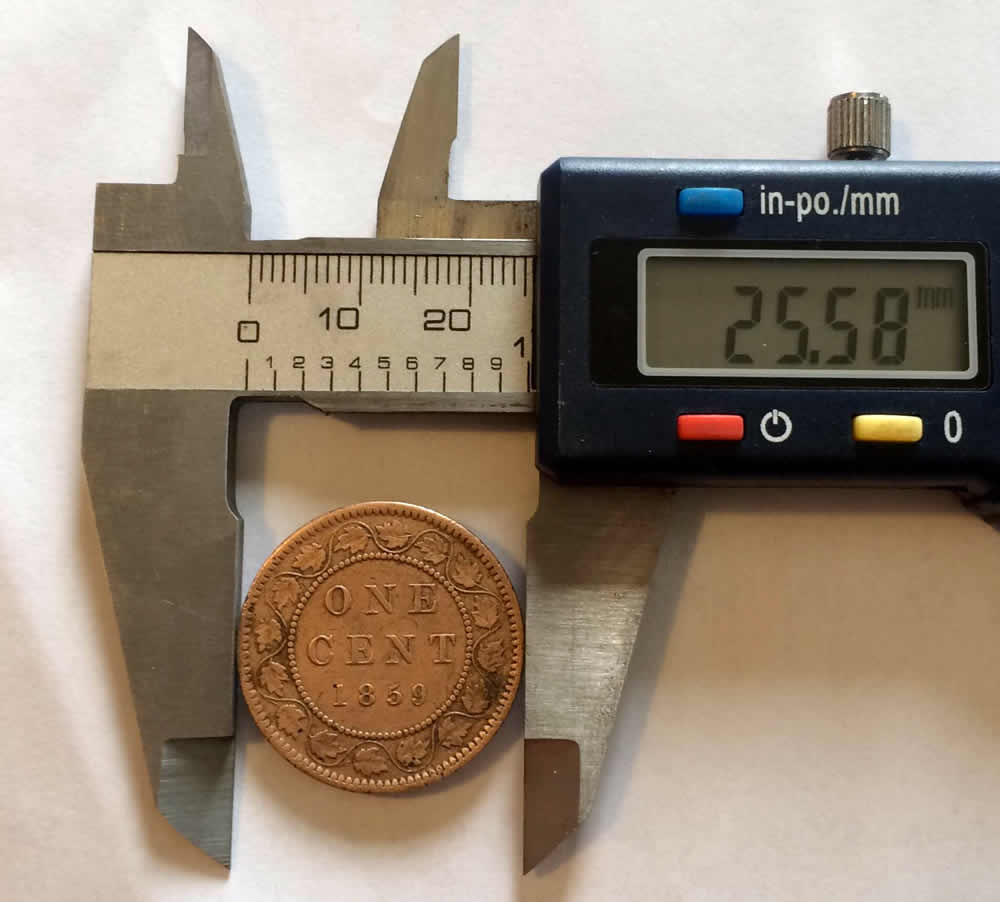
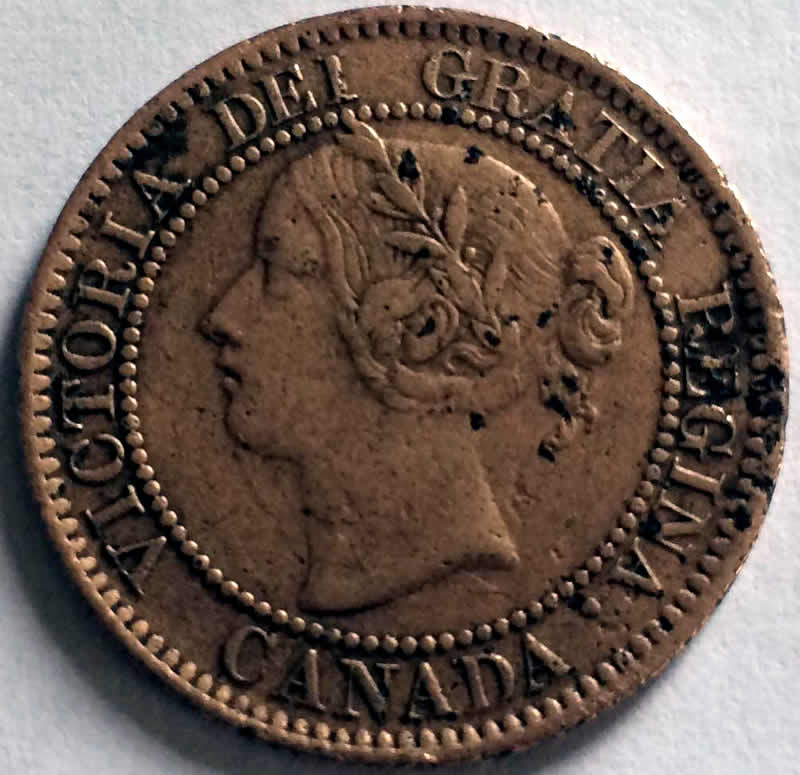

 Posted 07/17/2016 07:57 am


