| Author |
 Replies: 24 / Views: 2,917 Replies: 24 / Views: 2,917 |
|
Valued Member
United States
96 Posts |
|
|
|
|
Pillar of the Community
United States
3552 Posts |
direct from the PCGS lingo reference page: Quote:
whizzing
Term to describe the process of mechanically moving the metal of a lightly circulated coin to simulate luster. Usually accomplished by using a wire brush attachment on a high-speed drill. |
|
Moderator
 United States
56855 Posts |
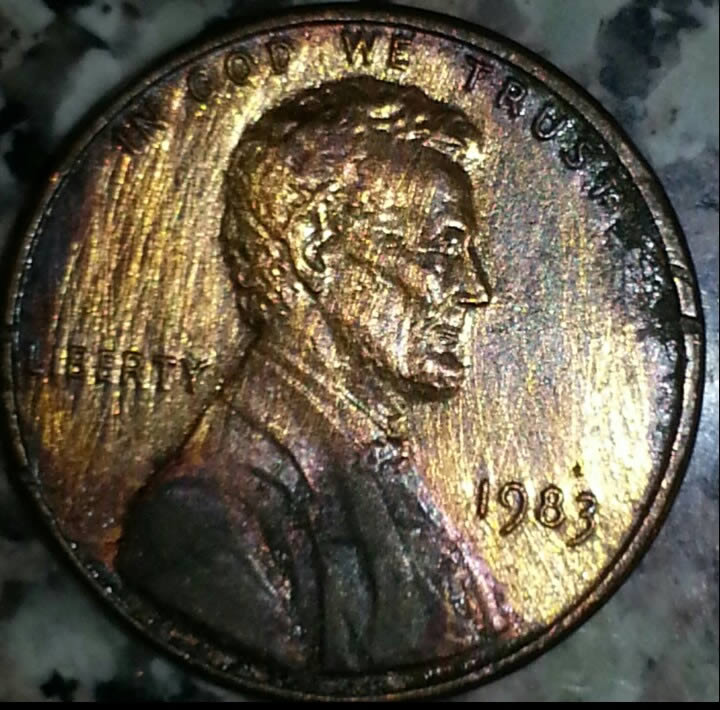
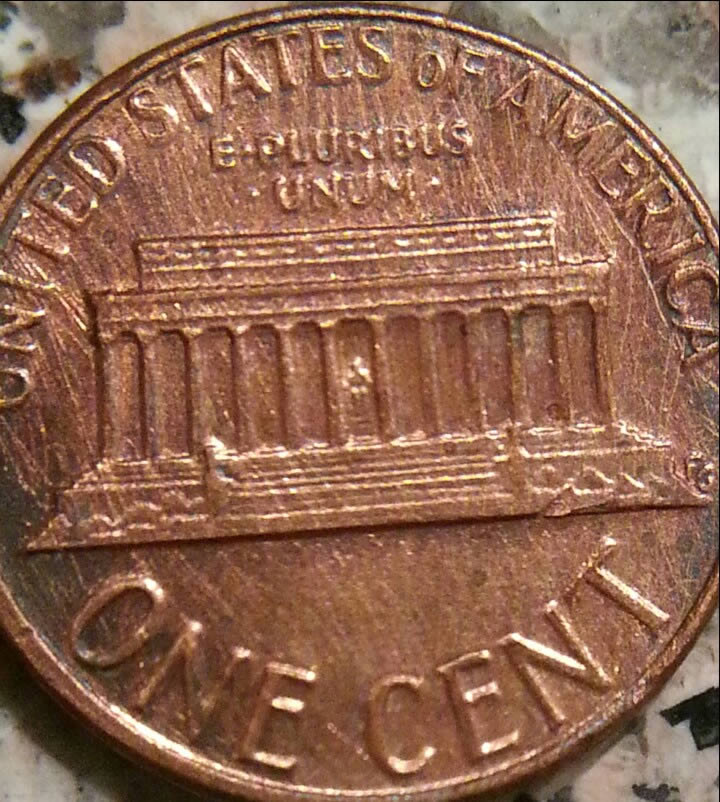
I don't think it has been whizzed. It looks more like a VVLDS to me. A mint tech was a little heavy handed John1  Edited by John1
07/26/2016 06:30 am
|
|
Valued Member
 United States
96 Posts |
This is getting interesting..got two answers. One says "it's whizzed" & the other says " not whizzed" I don't know which to side with! Please I need additional people to way in. Come on guys?!
|
|
Pillar of the Community
United States
2189 Posts |
Honestly I can't tell one way or the other but at least it's still worth one cent
|
|
Rest in Peace
United States
18456 Posts |
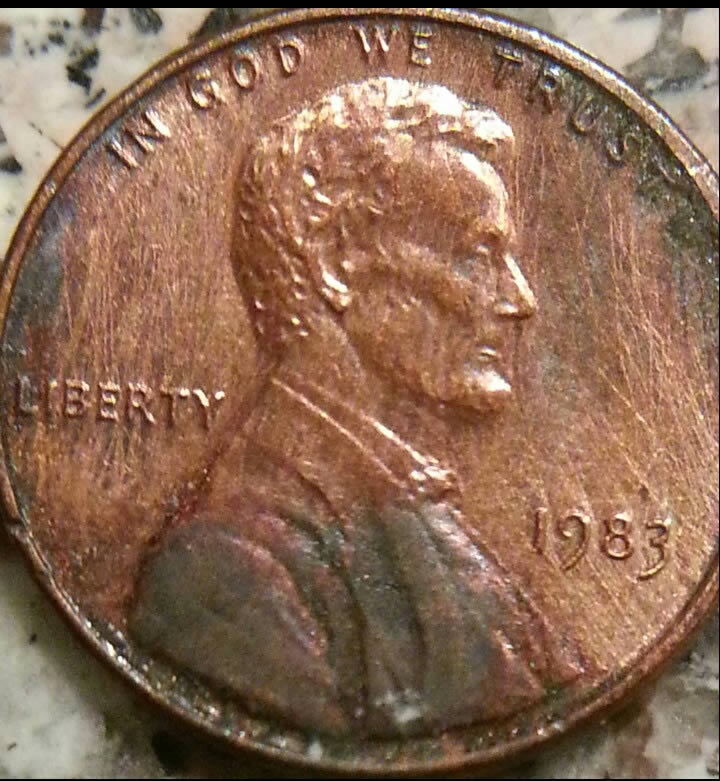
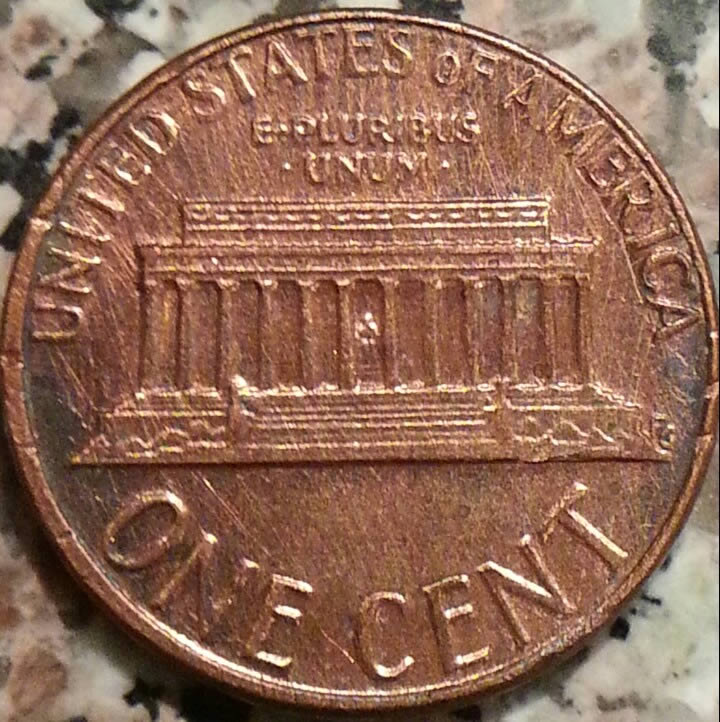
Sure looks like PMD to me .On both sides of the coin the lines ARE NOT all one direction . Some go up and down, some on angles ,etc .  |
|
Valued Member
United States
403 Posts |
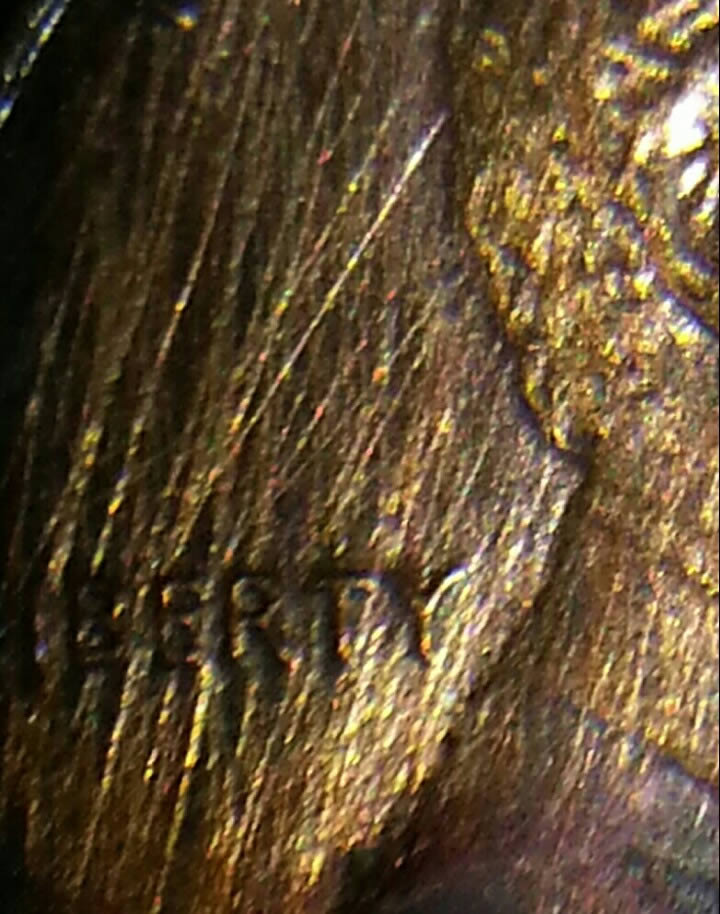
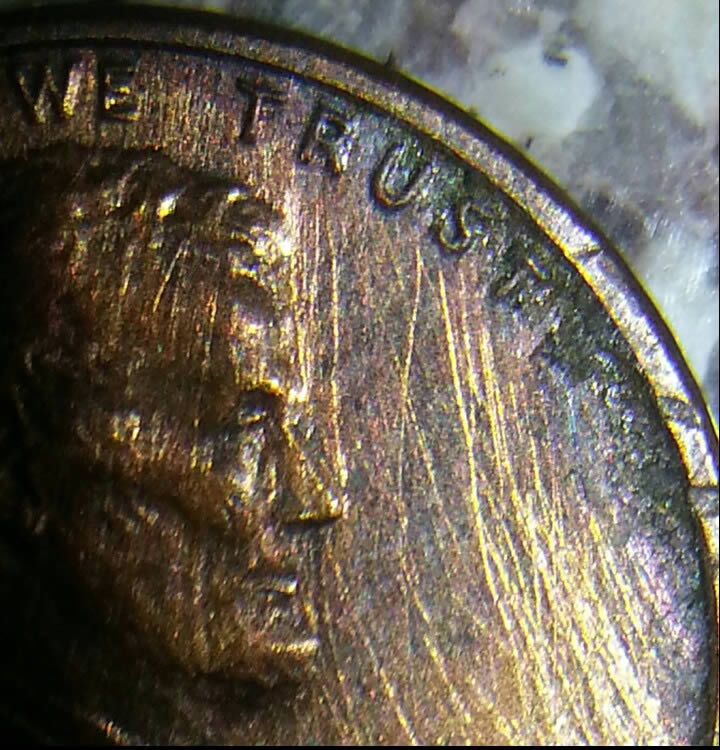
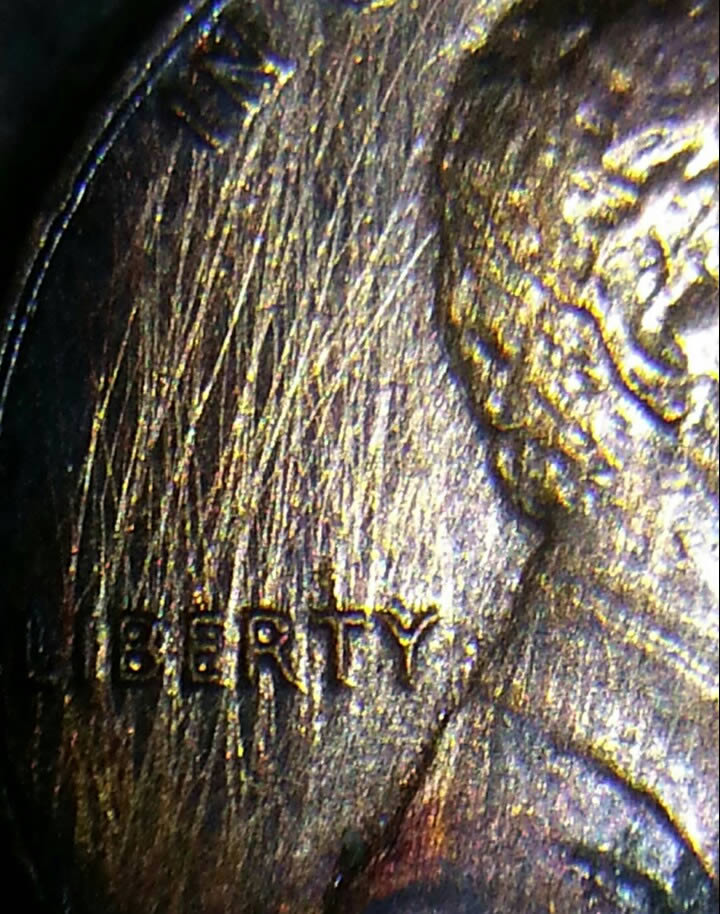
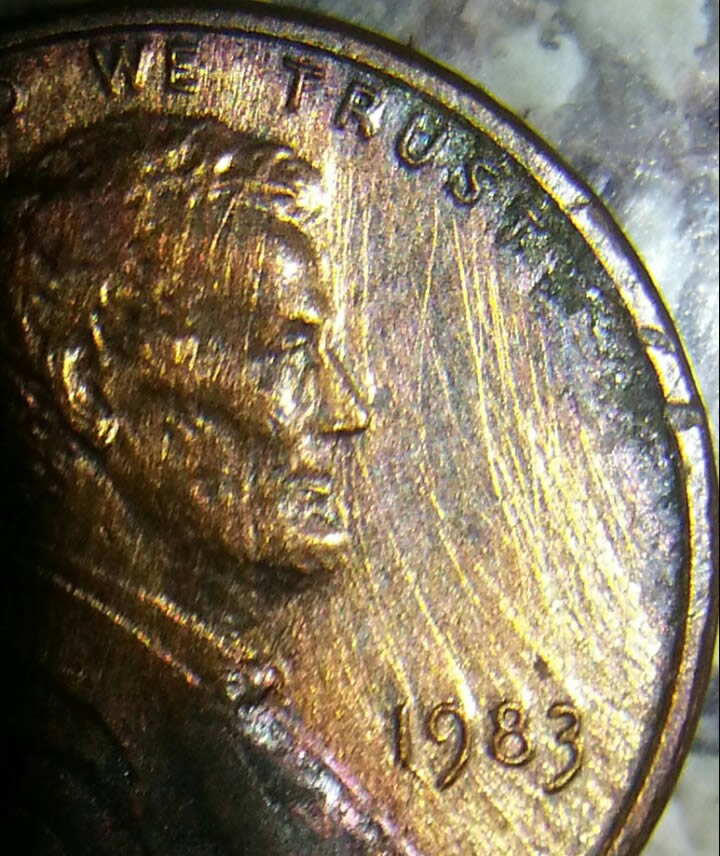
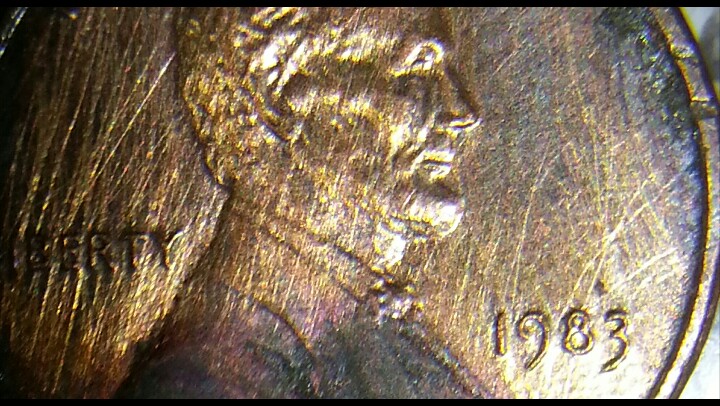
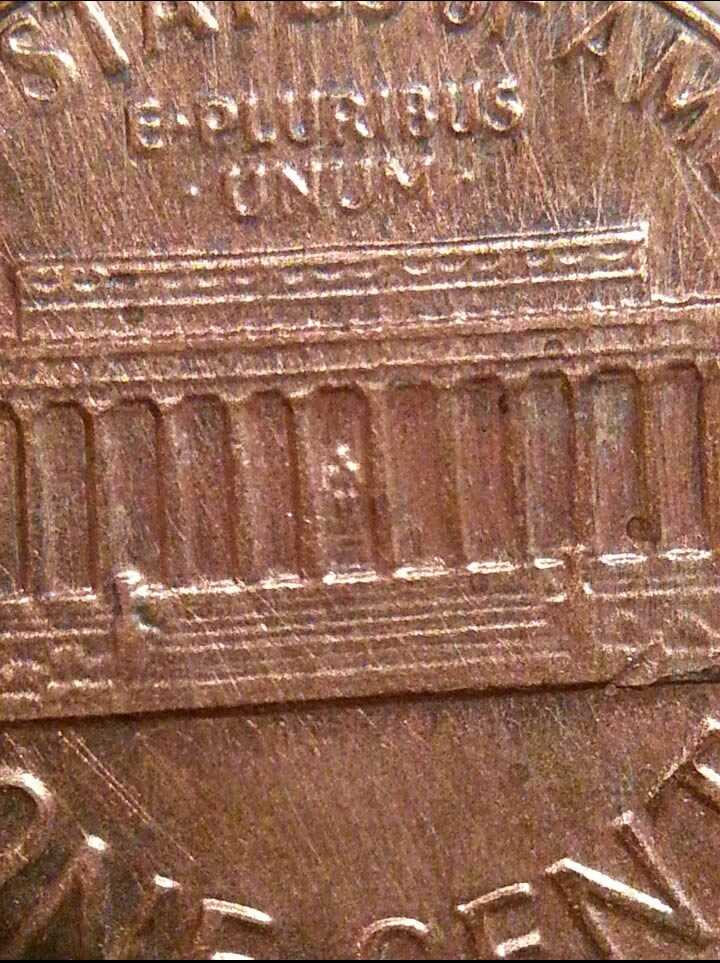
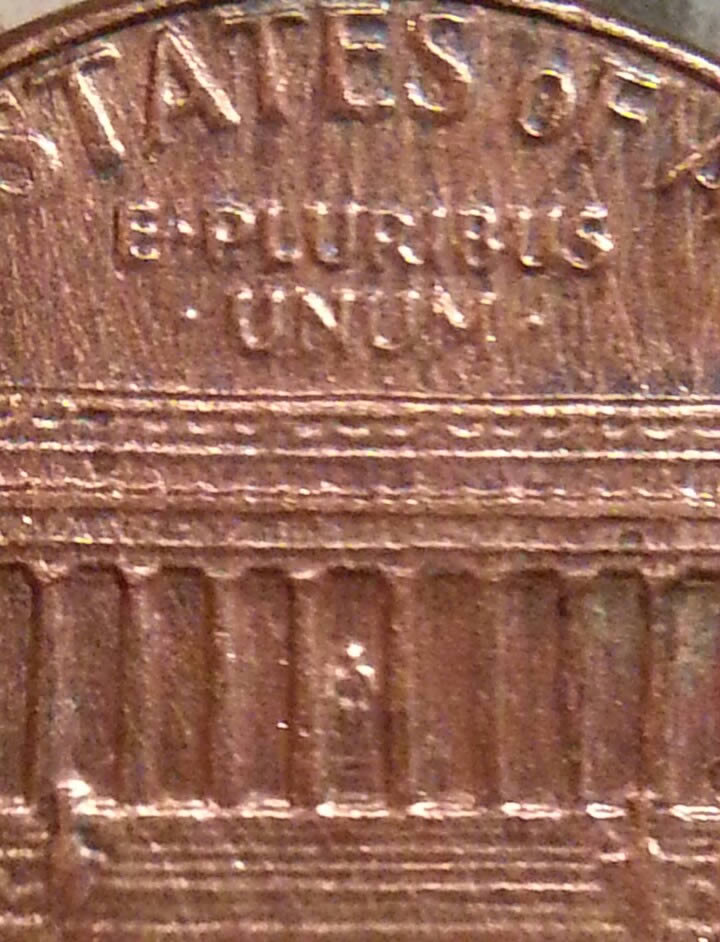
Either the coin was whizzed, or the dies were getting worn and were therefore re-polished (whizzed) at the mint. The former would result in tiny grooved scratches on the coin, especially on the raised devices, while the latter would lead to tiny raised lines on the fields while the devices would be less affected. It's not easy to tell from the pictures, but LIBERTY and the date look unscratched, so I blame the mint (very late die state, or very very late die state).
|
|
Pillar of the Community
United States
6370 Posts |
Basically, what happened is that someone subjected this coin to a metal brush and scratched the dookie out of it for some reason. Not quite "whizzed," but same process of PMD is present. Worth 1¢. No offense, but there was no need for all of the pictures. The first four were sufficient. |
|
Pillar of the Community
United States
3516 Posts |
|
|
Pillar of the Community
United States
3552 Posts |
I never mind being told I've made a mistake but would like justification as to why.
Because they are more predominant let's try looking more closely at four or five of these scratches: the three under the BE of LIBERTY and the two under the I of UNITED.
Please let us know if they are dug inward toward the center or the coin(incuse) or hump-like, protruding upwards from the field of the coin. This can be done by rubbing a sewing needle both horizontal and perpendicular near each mark.
Just let us know and that should give us the answer.
For the benefit of any interested parties and if applicable, John1 could then go into more info. ref the process involving VVLDS.
|
|
Bedrock of the Community
United States
20042 Posts |
Lincoln Cent Lover!VERDI-CARE™ INVENTOR https://verdi.care/
|
|
Bedrock of the Community
United States
12437 Posts |
Magic? I just see PMD. There may be some die abrading but the majority is PMD caused by a wire brush or similar mechanical action. There are numerous prominent scratches on top of the design elements, something that would not occur with normal die polishing/abrading. |
|
Pillar of the Community
Australia
7096 Posts |
If the lines on the coin are incused then it is PMD, If the lines are raised then it is die polishing  |
|
Moderator
United States
56855 Posts |
I looked at ALL (12) the pics again and now I am on the fence,PSD or mint abrasion or both. We need coop or mike. John1 |
|
Bedrock of the Community
United States
62064 Posts |
When a die is polished, only the fields are usually directly affected. Sometimes some shallow die devices may show some scratches. Thus when you see the die scratches, they appear to go behind devices. On this coin the scratches are on the tops of the devices. So I would rule out die polishing. On Die Deterioration that usually starts affecting the devices that face the rim, in that direction. I see evidence of the that on some of the reverse devices, but that would not explain the over all damage that is on this coin. So I would rule out Die Deterioration. So I'm also learning towards the alteration of this coin perhaps with a wire brush. The would also leave lines, but most of these lines would be incuse making some appear as raised and others incuse because of the number of scratches on the coin. So I'm thinking PSD. With it being a Zincoln, they die take some care polishing the coin. (to not go through the plating) Edited by coop
07/26/2016 12:27 pm
|
|
Bedrock of the Community
United States
17884 Posts |
The lines are on the fields AND the devices including those areas that would be the deepest recesses in the die. Typically polishing or stoning work done to the dies is just done to the fields and sometimes shows in the shallow ares of the die, not the deep areas. Going just on what I see here I would say PSD. |
| |
Replies: 24 / Views: 2,917 |









 Posted 07/26/2016 06:29 am





