| Author |
 Replies: 21 / Views: 3,670 Replies: 21 / Views: 3,670 |
|
New Member
Canada
8 Posts |
Hi everyone. I am new around here. Here's a couple of coins I found recently while metal detecting. They appear to be in pretty good shape but I need to get the dirt off and I don't want to remove the lovely green patina on the copper or the matte luster of the silver. Any advice from the experts here would be great. I'll probably send them off to get graded soon. Any advice on the best way to go about that would be appreciated as well. Cheers Michael 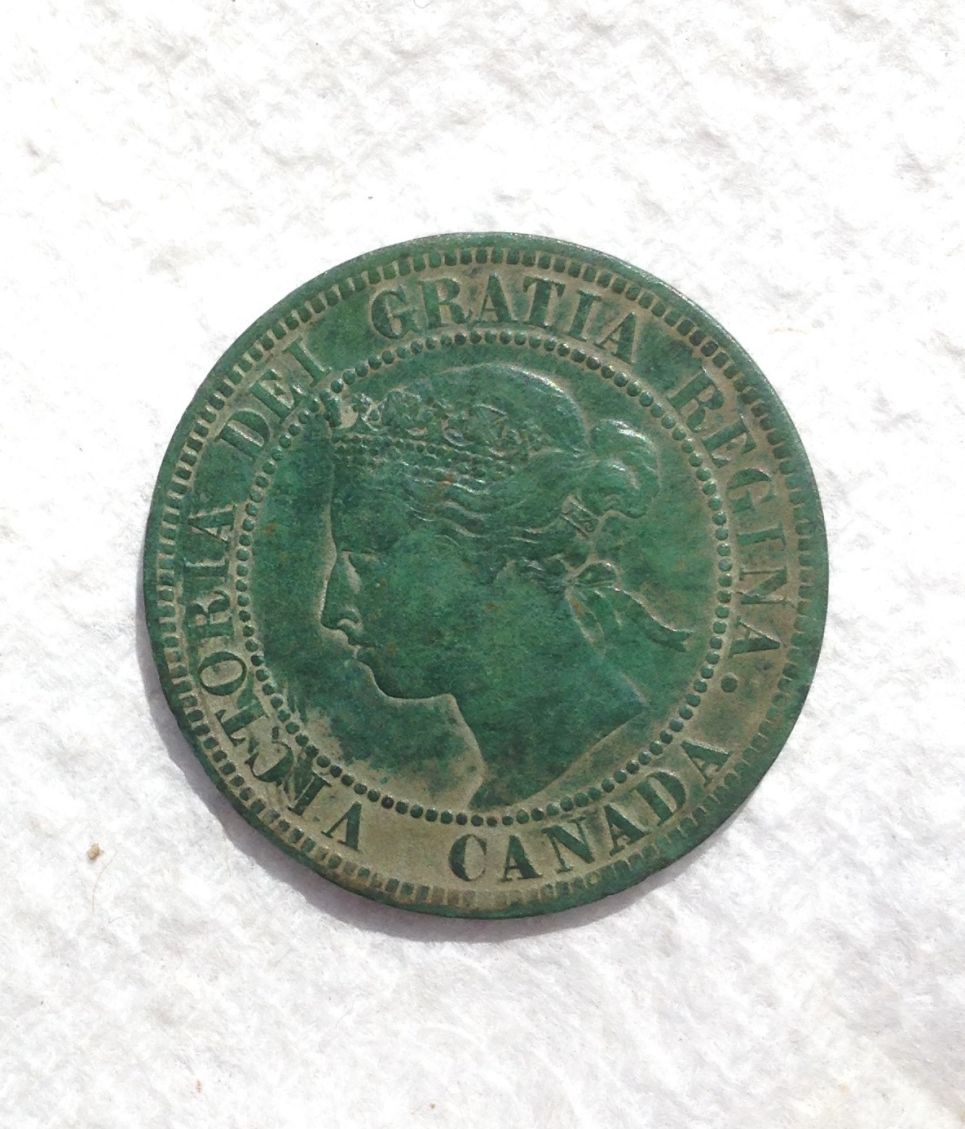 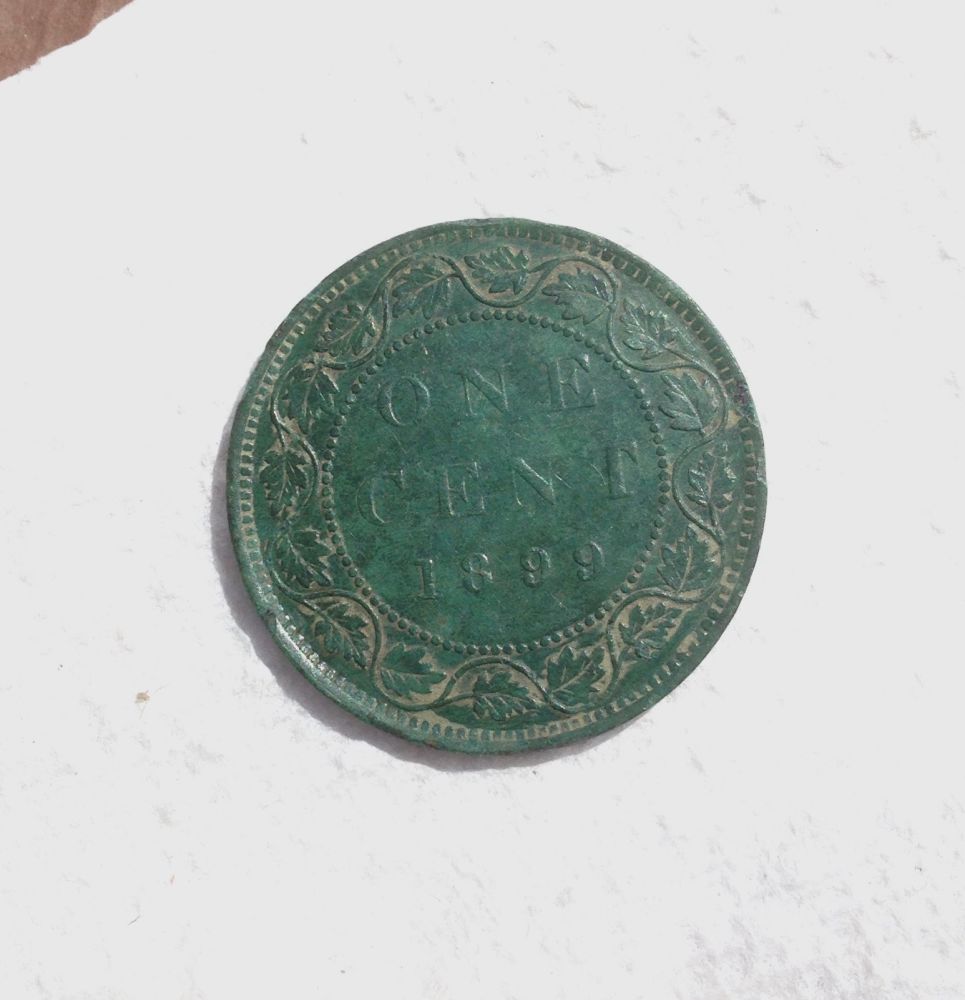 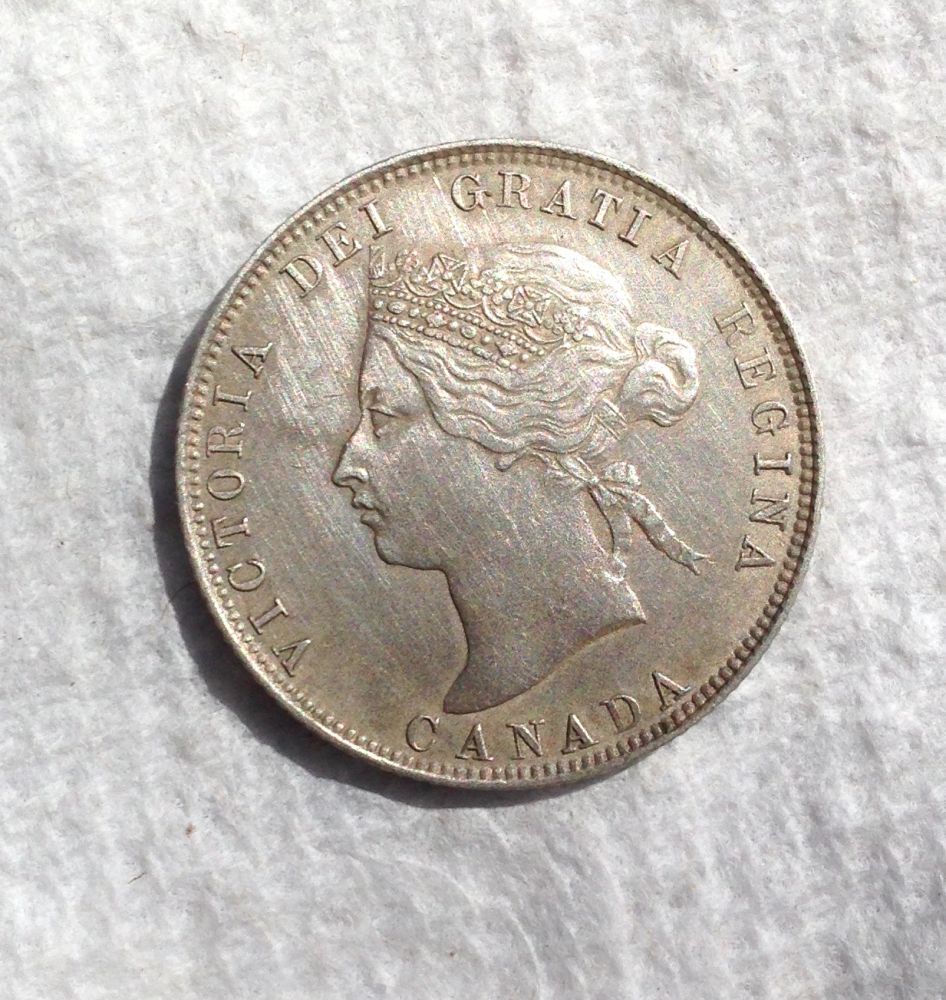 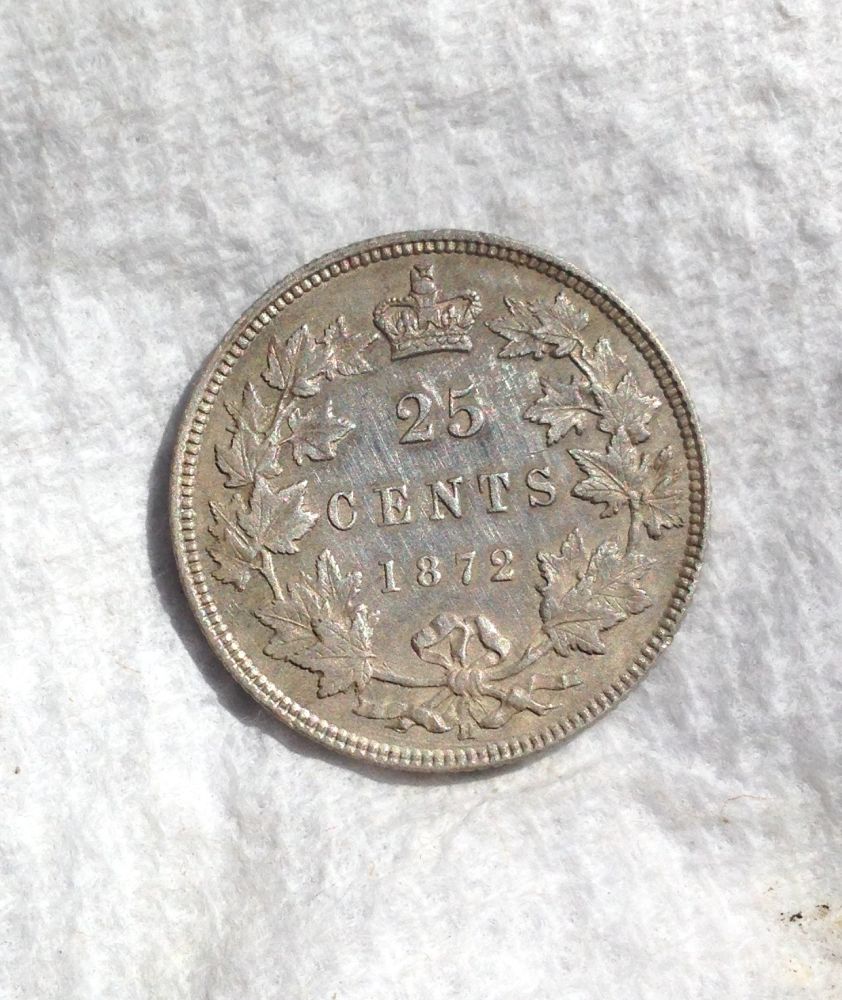 Edited by icehat
08/03/2016 06:43 am
|
|
|
|
Pillar of the Community
Canada
2187 Posts |
Wow Nice finds! That 1872 quarter looks gorgeous. I think what you can do to just remove dirt is place them in a bowl and soak with distilled water. That's how they remove dirt from ancient coins that they dig up. But I'd wait for someone else's opinion too just in case I might be mistaken
|
|
New Member
 Canada
8 Posts |
Thanks. I'll consider that method for the silver but I am afraid to let water touch the copper. Maybe it doesn't matter.
I have found more coins like this in my first year of metal detecting than all of my 30 years of coin collecting from pocket change.
|
|
Valued Member
Canada
372 Posts |
 to the site. Another member from la belle province. Concerning water on your copper coin,it will not dammage it if you wipe it with a dry cloth. Too bad,your 25 cents looks to have been cleaned with some kind of brush with up and down motions already on both the obverse and reverse causing scratches. Still a nice coin |
|
Pillar of the Community
United States
1609 Posts |
Michael, where (generally- I don't want your spot!) were you getting these kinds of finds?
Distilled water is great for coppers as is pure acetone. Neither will harm the coins and will do a good job cleaning.
|
|
Pillar of the Community
710 Posts |
The quarter looks harshly cleaned.
I would leave the large cent alone. If you decide to try and remove dirt then carefully use acetone following all precautions on the bottle, then rinse with clean water.
|
|
Valued Member
Canada
185 Posts |
As a guy who cleans roman coins for fun... (never profit sigh...) Don't use acetone... please do not use acetone... it might react with the beautiful patina.
Use some dish soap and a soft toothbrush.. no matter how hard you press with the tooth brush you will not put marks on the coin.
i would leave both alone really they are pretty as is.
|
|
Pillar of the Community
United States
1609 Posts |
They are nice as is and for gods sake don't use dish soap! I'm serious; just ask around here.  |
|
New Member
Canada
8 Posts |
Thanks for the comments and suggestions. I'm trying to figure out how to reply with quotes lol. It's probably obvious but I can't seem to find it.
As for the coins, they have not been harshly cleaned. The quarter looks scratched up in the photo but it's just where the dust is missing and the silver is showing through. So far I have only brushed the quarter under warm water with a soft bristled toothbrush. The LC came out of the same area of dry ground as the quarter and just had a soft brushing to remove some dust. I'll try and post some more pics of the coins soon but the pics above are how the looked after the dig with a light brushing.
They were both found where once stood a church in the early 1800s. It was demolished in the early 1900s and now there's just a grassy field. Other relics were found but these were the only two coins found so far.
I won't use harsh chemicals or soap on the copper. I really want to preserve the green patina for display. I thought about lightly scrapping away the dirt with a toothpick under magnification. What do you guys think about that?
|
|
Pillar of the Community
Canada
2531 Posts |
Soak only, and do NOT rub! Rubbing a toothbrush, cloth, tissue, etc. will scratch the coin and destroy it! Modren coins are different from ancients. Always pat dry, and only if you need to. Leaving to air dry would be the best. Acetone will evaporate in seconds.
I wouldn't use soap, it might react with the metal. First use distilled water, next use acetone. Acetone will remove organic debris but it will not harm the coin. Using a toothpick is fine but only do it under acetone and be very careful not to scratch the surfaces.
|
|
New Member
Canada
8 Posts |
Ok thanks. I may try that. Here's some more pics of the quarter. Any scratches present were caused by being buried for over 100 years because all I did was run under warm water with a soft toothbrush and I let it air dry on a paper towel. It's possible the ground where it was found got pushed around a bit in the past. 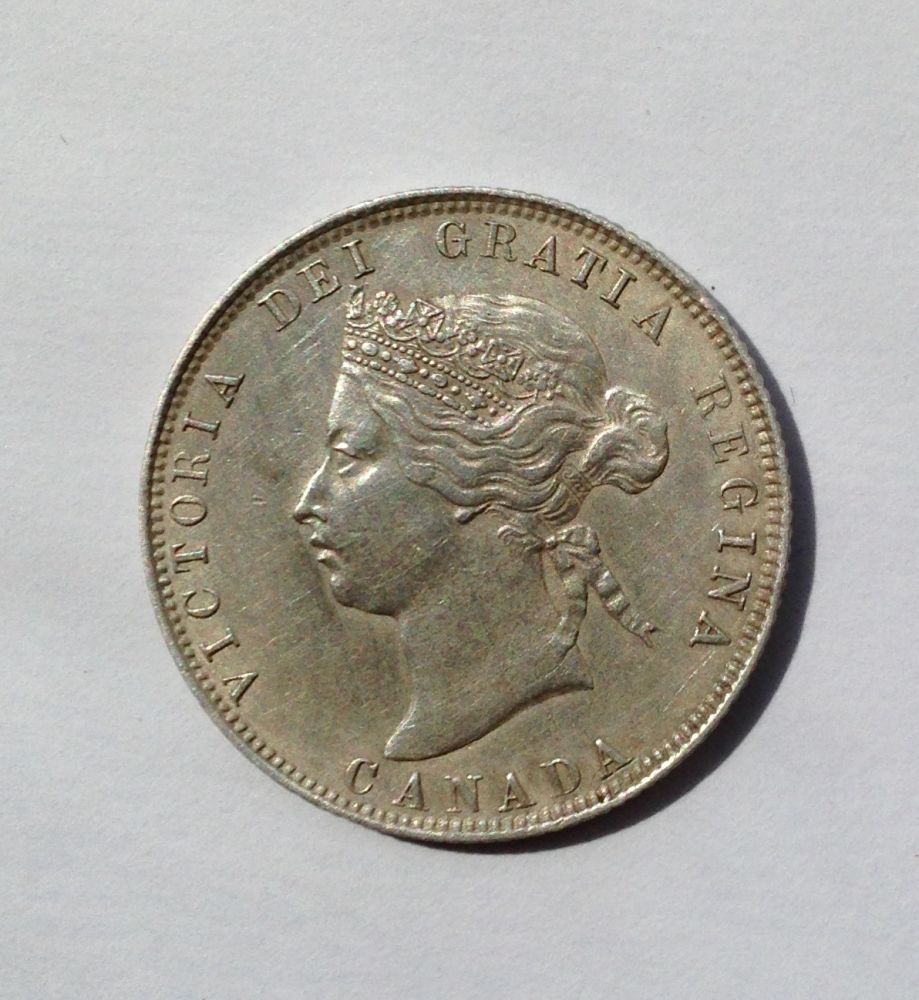 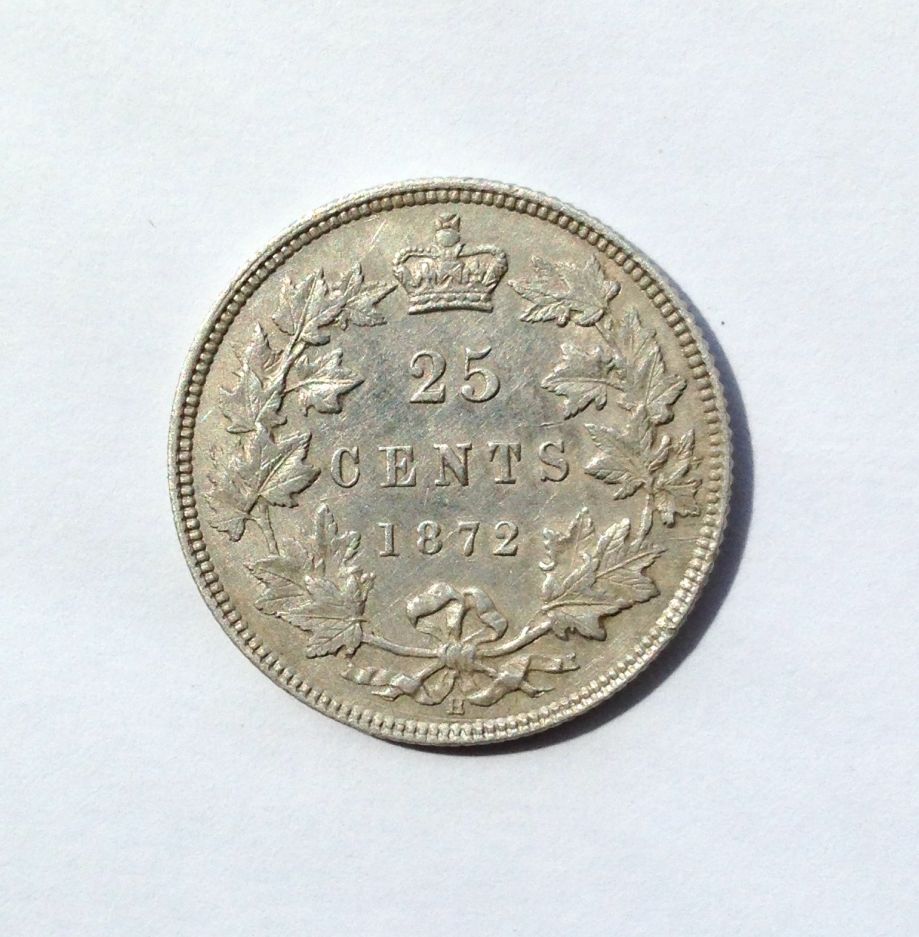 |
|
Pillar of the Community
Canada
2531 Posts |
While it's true there may be scratches from it being in the ground (which is why I won't recommend flicking off the dirt when you find a coin metal detecting, but soak it in distilled water instead), a toothbrush will cause hairline scratches. If it's not because of the photography, there are more scratches on the second set of photos than the first one and haloing around the bust. Please don't treat moderns the same way as ancients!
Use distilled water first if you want, use pure acetone only, then leave to air dry.
|
|
New Member
Canada
8 Posts |
Thanks. When you say use acetone, do you mean soaking in acetone?
I always bring all my coin finds home in the clump of dirt they were found in. I then put them in a sink full of warm water until most of the dirt falls off. I let them completely air dry and after I rinse them clean while lightly brushing off any remaining dust adhered to the coin. I will try the acetone method on silver from now on. I have many more old coins like this one sitting on a towel waiting to be cleaned.
|
|
Pillar of the Community
Canada
2531 Posts |
Yes, soak it. I usually soak my coins overnight before using a toothpick to carefully remove stubborn dirt. Use pure acetone only, not nail polish remover. Nail polish remover may have additives that can harm the coin. Also, you don't want to clean coins, you want to conserve them.  |
|
New Member
Canada
8 Posts |
Yes thanks. I definitely don't want them shiny new. I want to conserve them for sure. Just the way they are minus the dirt.
I'll try and post more pics soon of other finds and also of my other coins that came my way in the past 30 years of collecting.
|
|
Pillar of the Community
 Canada
5649 Posts |
Anything that you use to brush or sweep of crap from a coin will leave scratches, especially silver. It's not the utensil that you use, but rather the dirt/grit that moves and leaves the scratch. Very short acetone dips and "swishing" will do some good, but any acetone soak in acetone will discolor the bronze or copper somewhat.
When I used to get dirty ancients, I would soak them in olive oil to loosen the stuff; then running water and ALWAYS use distilled water as a final step in anything that you do. BTW, olive oil works auite well.
I would not waste the money sending them in for certification .. most will not even grade a cleaned coin and the cent will never be worth what it costs to certify .. and even then you will get a "chemical application" or "corrosion" remark on the paper.
|
| |
Replies: 21 / Views: 3,670 |









 Posted 08/03/2016 06:47 am


