| Author |
 Replies: 17 / Views: 1,498 Replies: 17 / Views: 1,498 |
|
Pillar of the Community
United States
2260 Posts |
|
|
|
|
Pillar of the Community
 United States
2260 Posts |
|
|
Pillar of the Community
United States
3656 Posts |
Well, if I had come across it I would have said Die chip above the "U" and PSD for the other. I get strange stuff like this so it will be real good to see what the experts say on this - since I don't usually post them.  Edited by CoinCents
08/03/2016 8:51 pm
|
|
Pillar of the Community
United States
2260 Posts |
I usually post the strange ones cause I can't figure out what they are.
|
|
Bedrock of the Community
United States
62064 Posts |
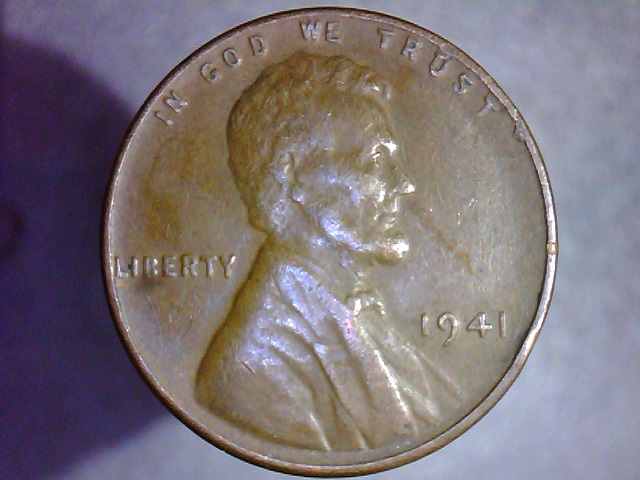
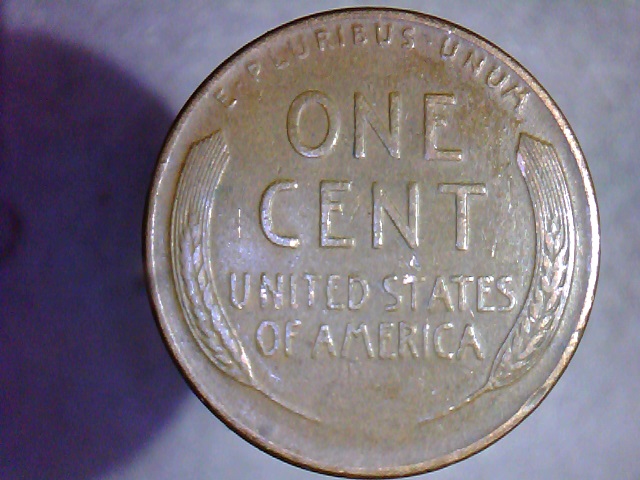
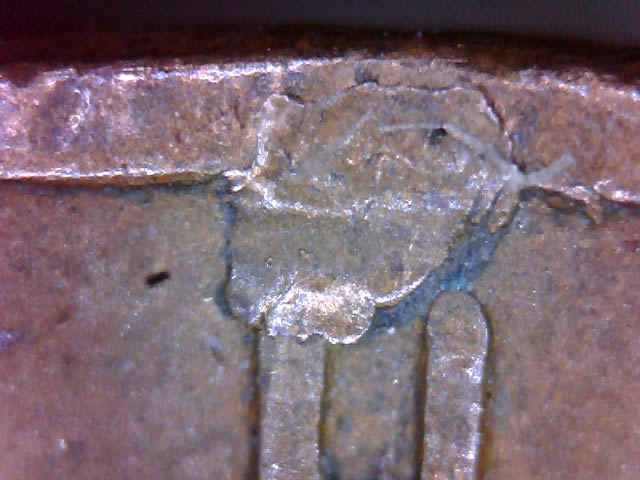
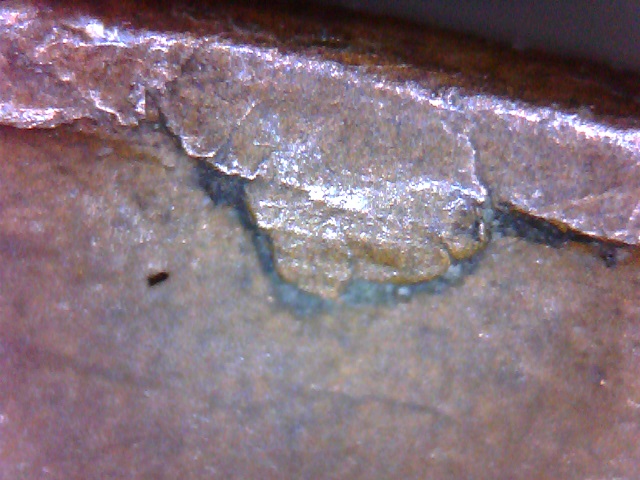
Are the two sides affected back to back, like a wrap around issue? (the alignment of the obv and rev dies would be way off it that were the case) Are they firmly fixed onto the coin on those areas or like a lamination/fusing like a struck through debris? On the'U' on UNUM it looks like it is laying on top of that device?) It can't be a die chip as it is partly on the die and partly on the rim edge. (a die chip would not flow that way, unless it was a Cud) The raised area on the rim by the date is where the coin was dropped hard on cement. |
|
Pillar of the Community
United States
2260 Posts |
I don't know how I missed this last night. This kind of makes me think it's a Cud. The mark on the reverse is about a half a degree from being behind the "extra metal" on the obverse. I don't see anything that would make me think it is a lamination. 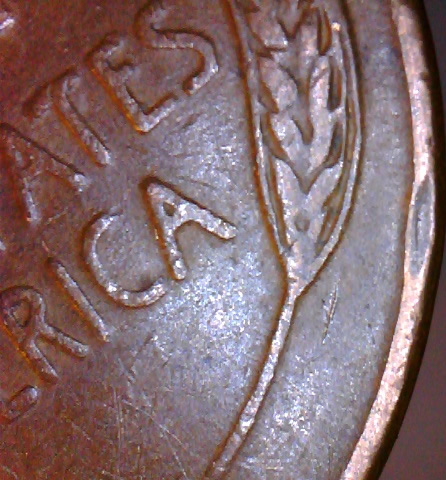 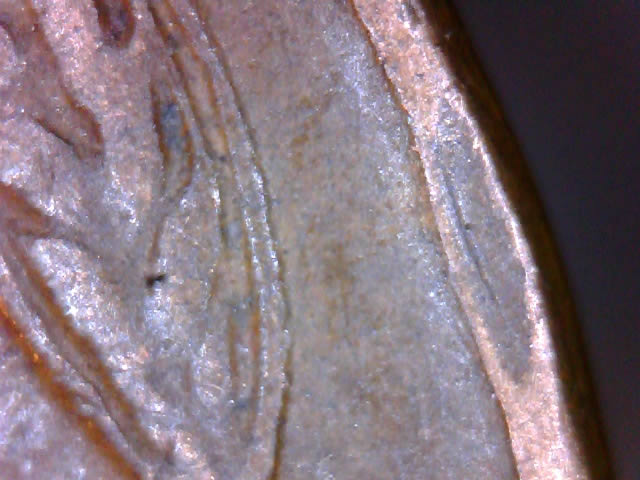 |
|
Bedrock of the Community
United States
62064 Posts |
That is contact from another coin. Not a Cud issue as the die area is not affected. Just the rim. |
|
Pillar of the Community
United States
2260 Posts |
I guess it can only be one of two things. Either struct through or PSD (Took a hit). Hard to tell on the old circulated ones. |
|
Pillar of the Community
United States
2403 Posts |
Quote:I guess it can only be one of two things. Either struct through or PSD  If it were struck through something wouldn't it be an incuse mark? Or are you suggesting it was struck through some metal and it fused to coin. |
|
Pillar of the Community
United States
2260 Posts |
That's what it looks like (if it is not PSD). What would that be called, a retained strike through ? |
|
Pillar of the Community
United States
3656 Posts |
Doesn't look like this post ever got figured out. So probably PSD. |
|
Pillar of the Community
United States
2260 Posts |
Seems like that is the only explanation. Thought about it, If it happened during the strike, it doesn't seem like the top of the "U" would be covered.
Edited by 11997755
08/10/2016 8:58 pm
|
|
Pillar of the Community
United States
3516 Posts |
I have seen this a lot on 50's and 60's coins. I think maybe it is some sort of extra metal problem. I doesn't look like PSD to me because I see this a lot on 60's coins. |
|
Pillar of the Community
United States
2260 Posts |
Agree, it does not look like PSD. Just can't think of what would cause it. |
|
Pillar of the Community
United States
3516 Posts |
I would think it is some sort of extra metal problem. I only see it on the rims though when I find it, which leads me to think maybe some extra metal sometimes gets stuck to the upsetting mill and then transferred to the coin
|
|
Pillar of the Community
United States
3463 Posts |
The 5th image down on this page shows an example of a rolling fold. http://www.lincolncentsonline.com/error2.html The photos you have are not a rolling fold but may have been caused from a similar issue with the punching process. I have opened older rolls of uncirculated cents that have many small pieces of loose metal mixed in with them. If one or more of those small pieces becomes stuck to the coin, then later compressed during the rolling of the coins or going though a coin counter it would cause something like what you have. That is most likely what you have. |
| |
Replies: 17 / Views: 1,498 |












 Posted 08/03/2016 6:15 pm


