| Author |
 Replies: 20 / Views: 6,068 Replies: 20 / Views: 6,068 |
|
Pillar of the Community
United States
666 Posts |
In my effort to learn how to identify problem coins, in this case Lincoln Wheat Cents, I want to present a few coins (one per post) that I think have been adulterated in some way, and see if I'm on the right track. I very much appreciate your feedback.  Please let me know if: a) You agree the coin has been adulterated, usually meaning cleaned for these examples. b) If my reasons for thinking the coins has been cleaned are accurate. c) If there are other signs of cleaning I did not identify. Some of these examples will probably seem obvious to experienced members, or even to a newbie like me, but I figure it's best for me to learn how to identify the obvious cleaned coins first, and then refine my skills. After showing some cents that I'm pretty sure were cleaned, I will display some coins that I'm not sure about. When I refer to those coins as "mostly okay" or the like, I am referring to whether they have been adulterated or not only, as opposed to evaluating their overall condition or grade. Here's a 1921 coin that looks cleaned (buffed, brushed) because of the diagonal lines traversing across the coin on the obverse and reverse; and because it looks like someone tried to rub out some spots on the upper right quadrant of the obverse.  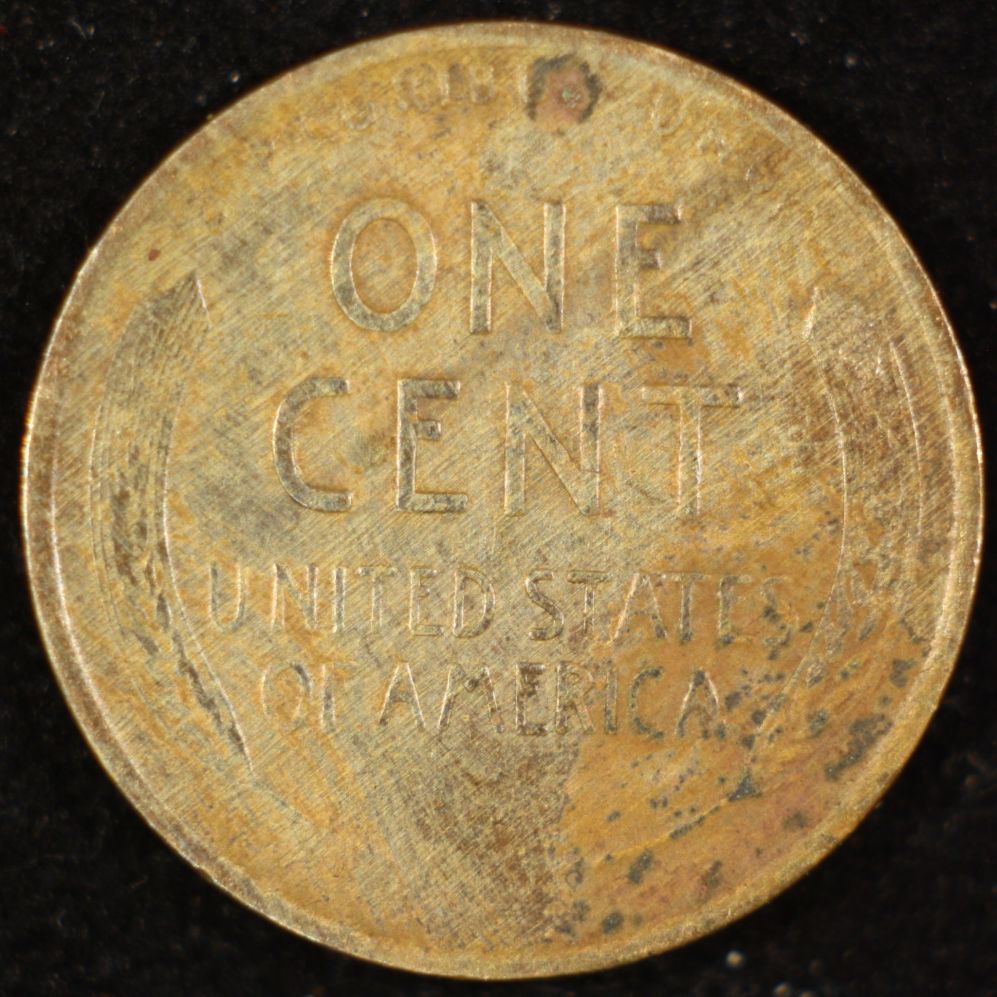 *** Moved by Staff to a more appropriate forum. *** *** Moved by Staff to a more appropriate forum. ***Edited by dd27
08/07/2016 06:46 am
|
|
|
|
Pillar of the Community
 United States
666 Posts |
This 1925-S cent looks like someone tried (not very successfully) to clean across the upper half of the obverse - the diagonal lines going southeast to northwest. [I forgot to take a picture of the reverse and my camera battery is recharging.] 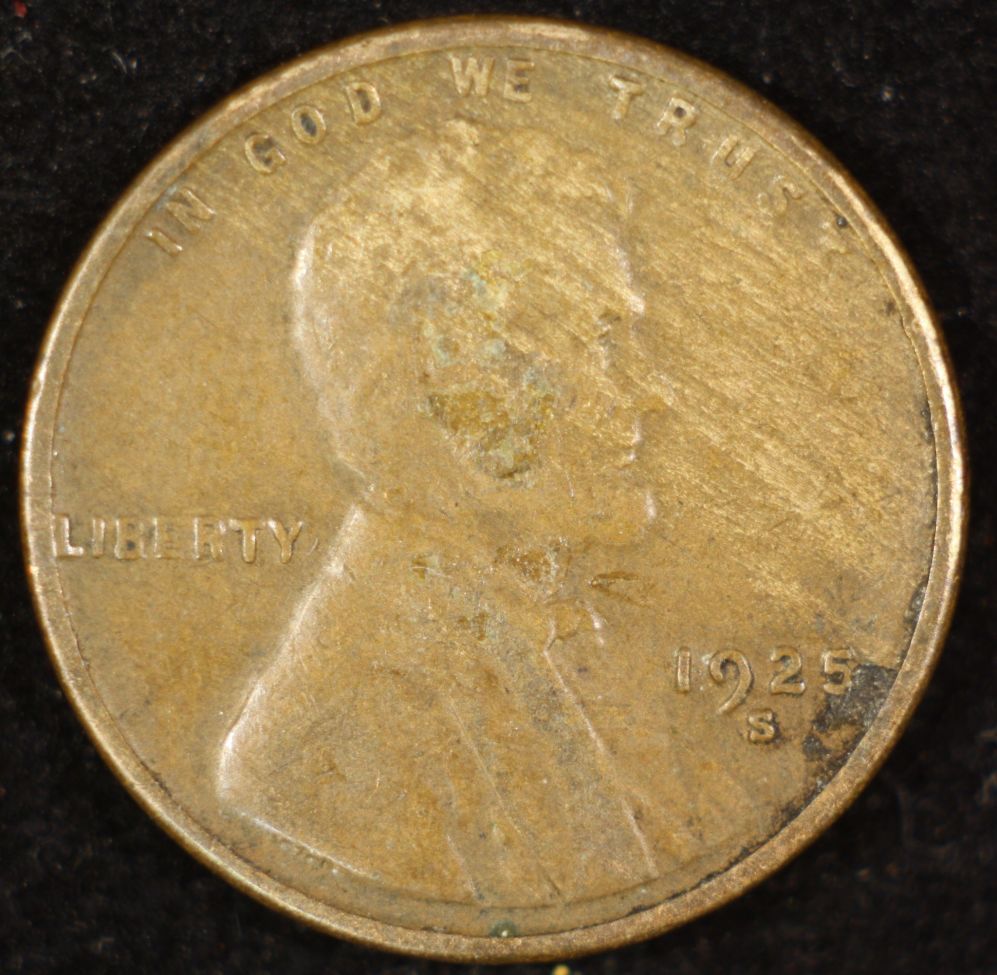 |
|
Pillar of the Community
United States
666 Posts |
|
|
Pillar of the Community
United States
666 Posts |
This 1942 cent looks cleaned because of all the scrub-a-dub marks on both the obverse and reverse. 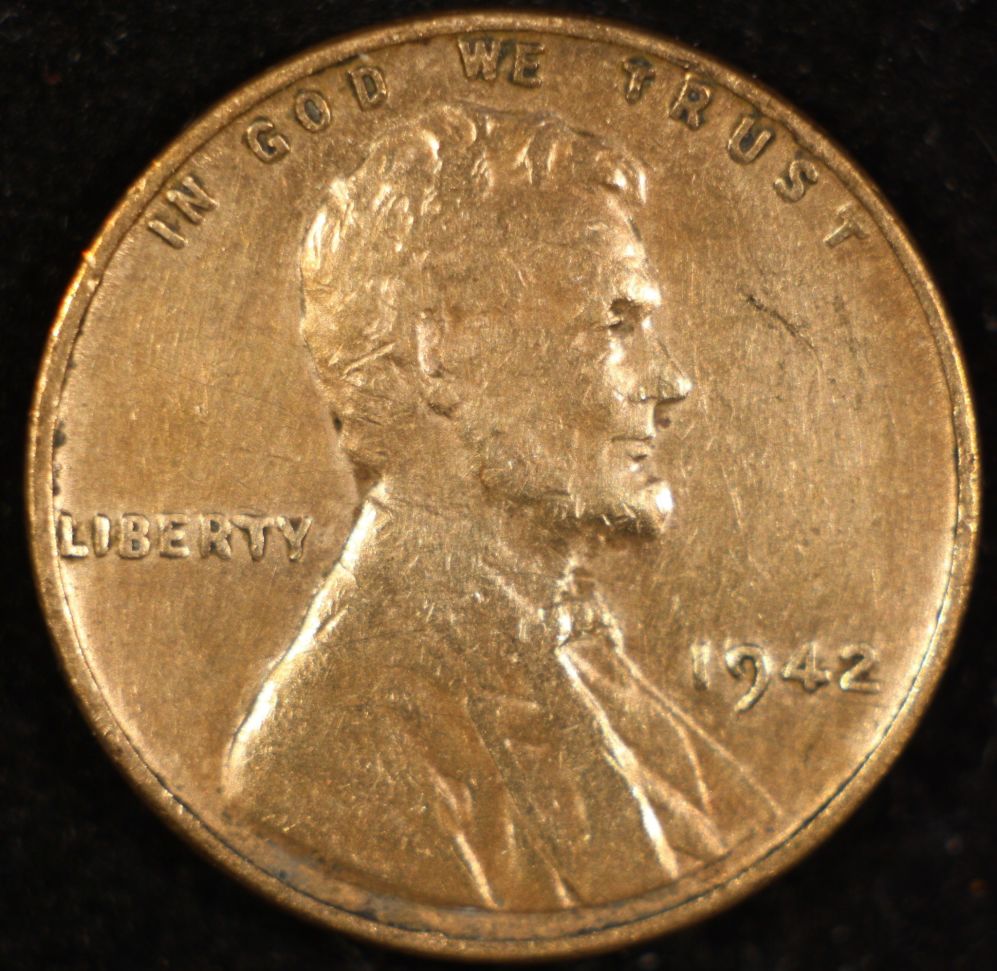 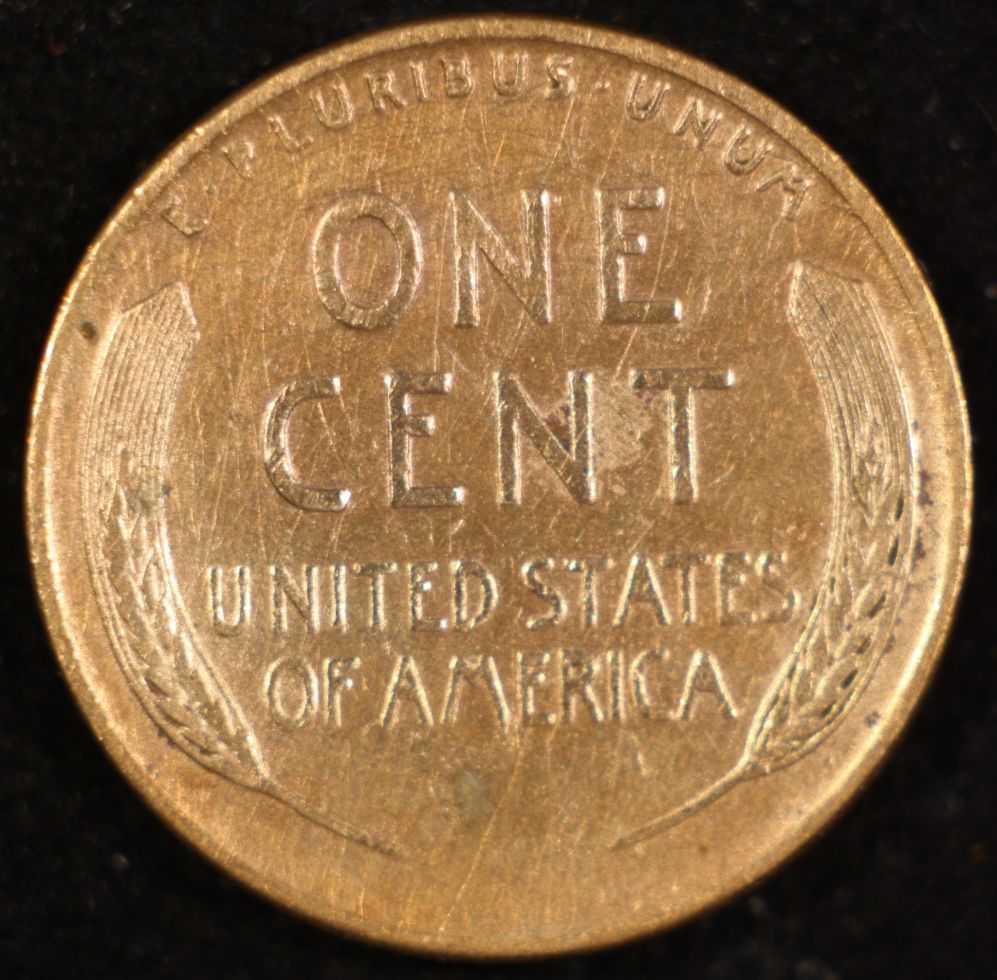 |
|
Pillar of the Community
United States
666 Posts |
I'm not sure what to make of this 1943 cent - it is almost missing the '4', as if someone tried to rub it out (?), although I cannot see any scratch marks. And the other hairlines (if that is the right term), do not necessarily look like cleaning, but I really don't know. 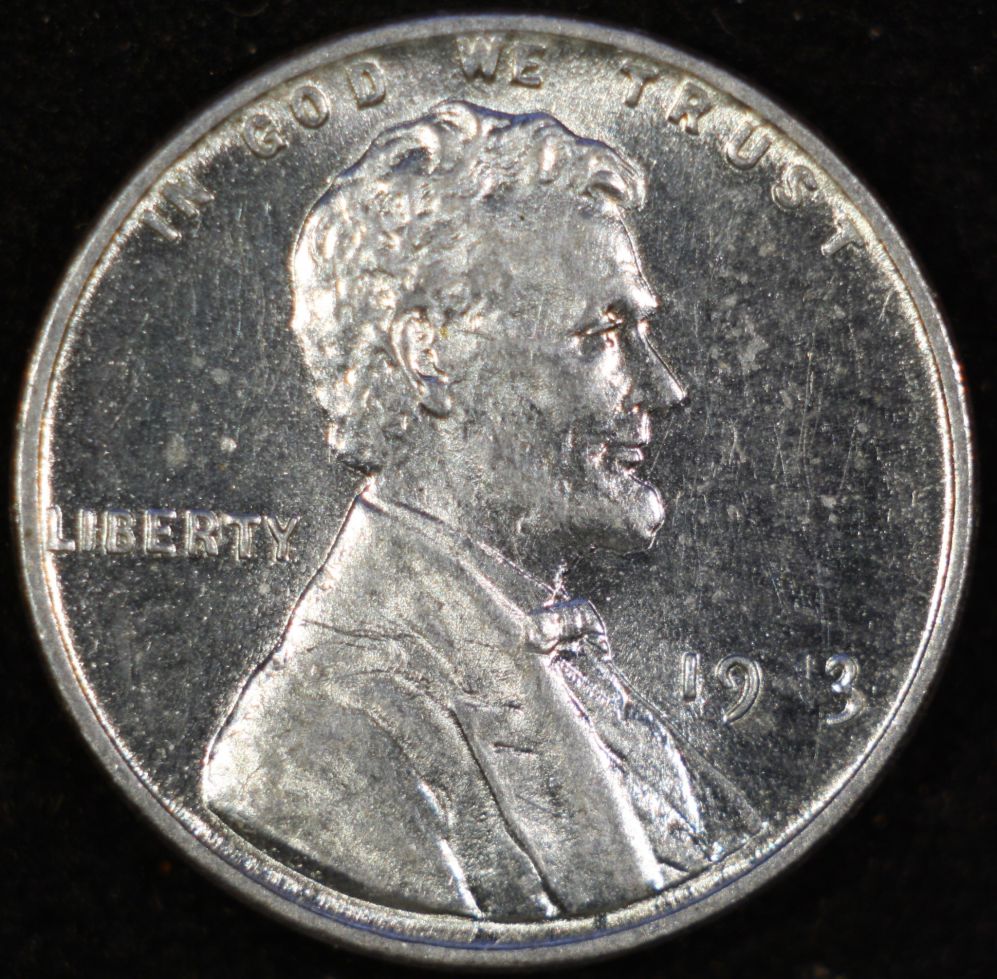 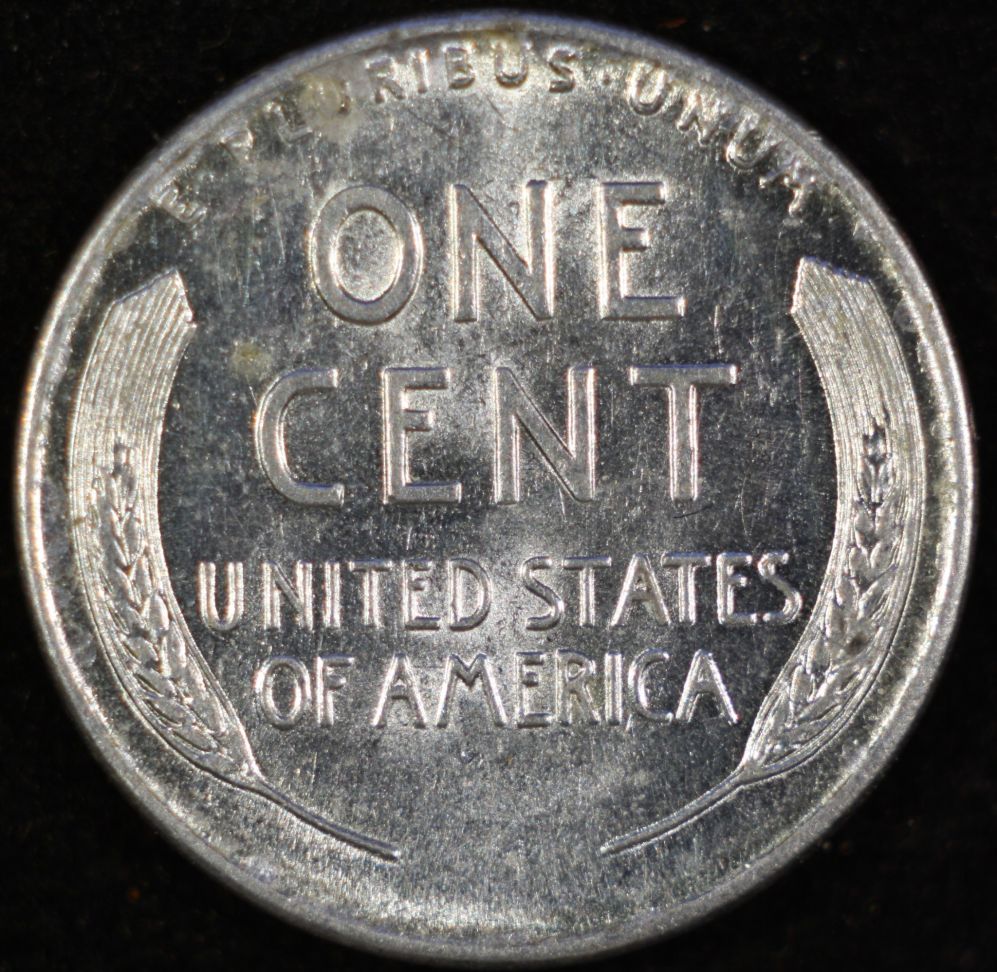 |
|
Pillar of the Community
United States
666 Posts |
This 1943 is sure funky looking. Were they trying to make it look bronze and then tried to cover it up when it was clear it wasn't working? Or were they simply trying to get rid of rust? 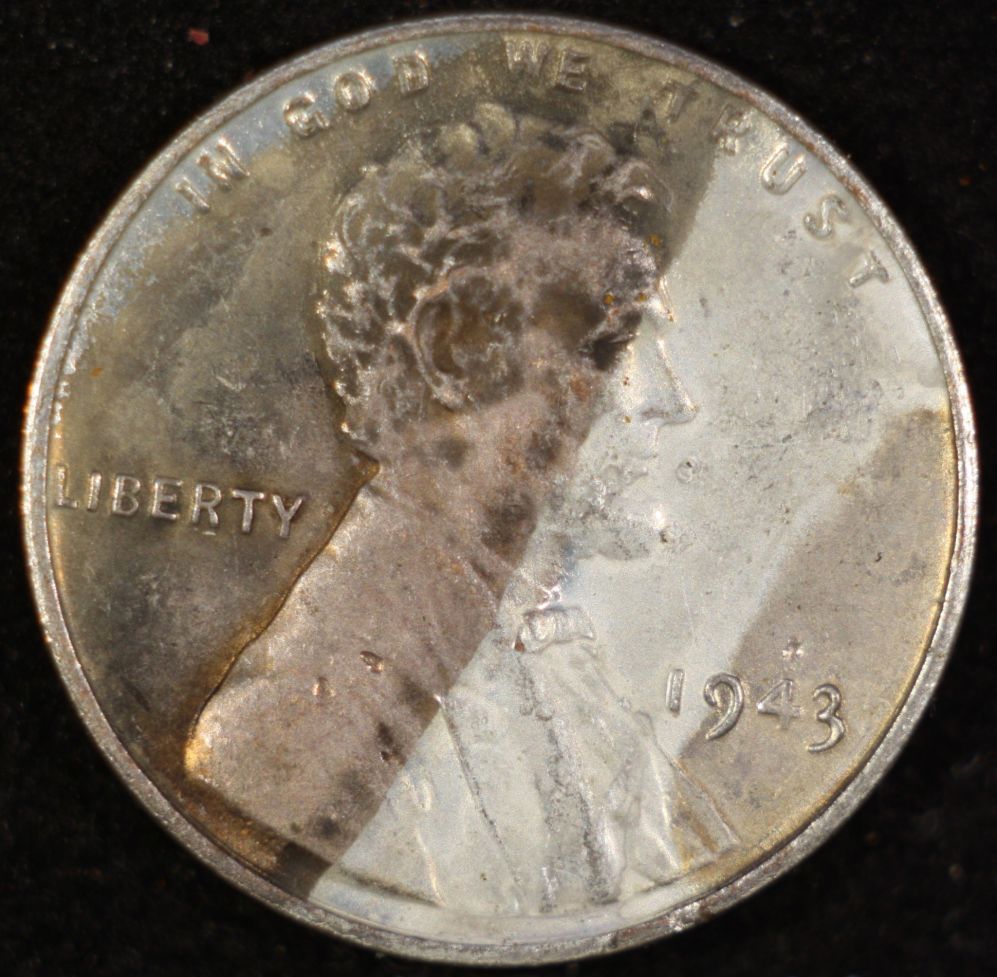 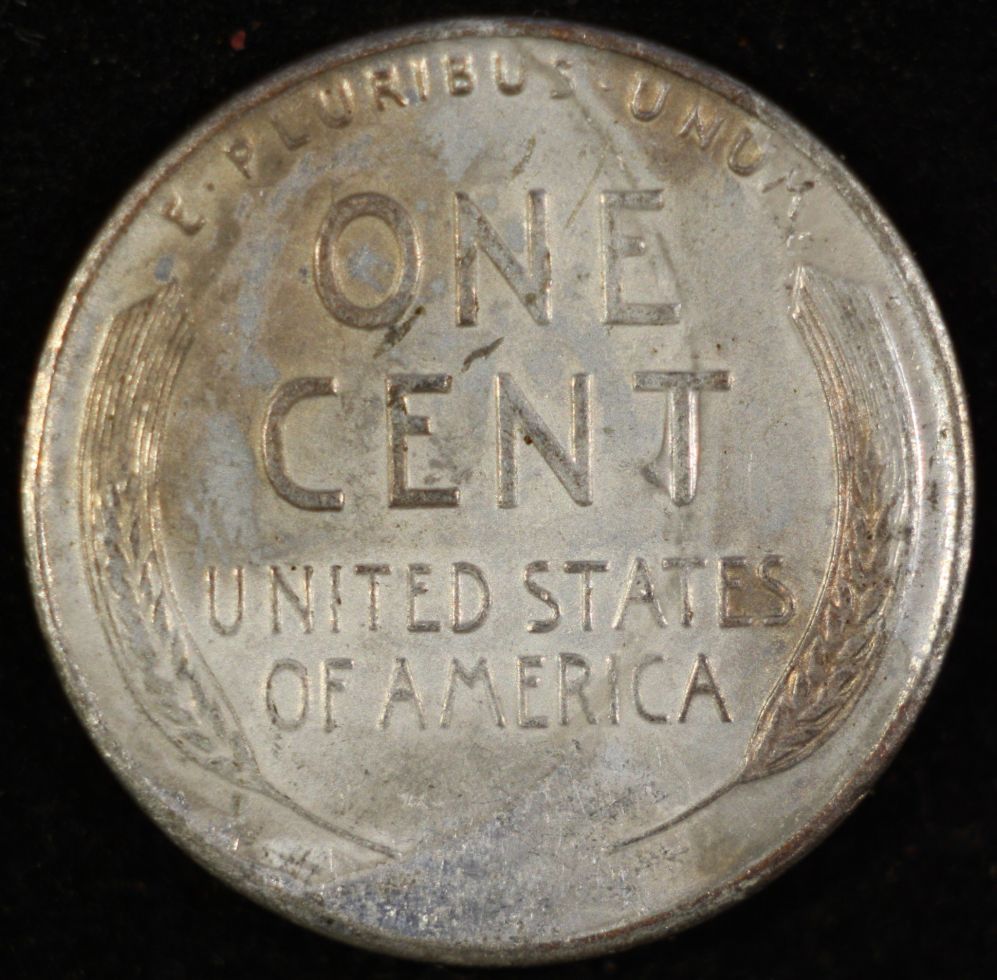 Edited by dd27
08/07/2016 04:23 am
|
|
Pillar of the Community
United States
666 Posts |
Now for some coins that I'm not sure about. This 1944 cent mostly looks okay to me, except for between the wheat stalks and both sides of ONE CENT on the reverse. I can't tell if those are cleaning marks or not. 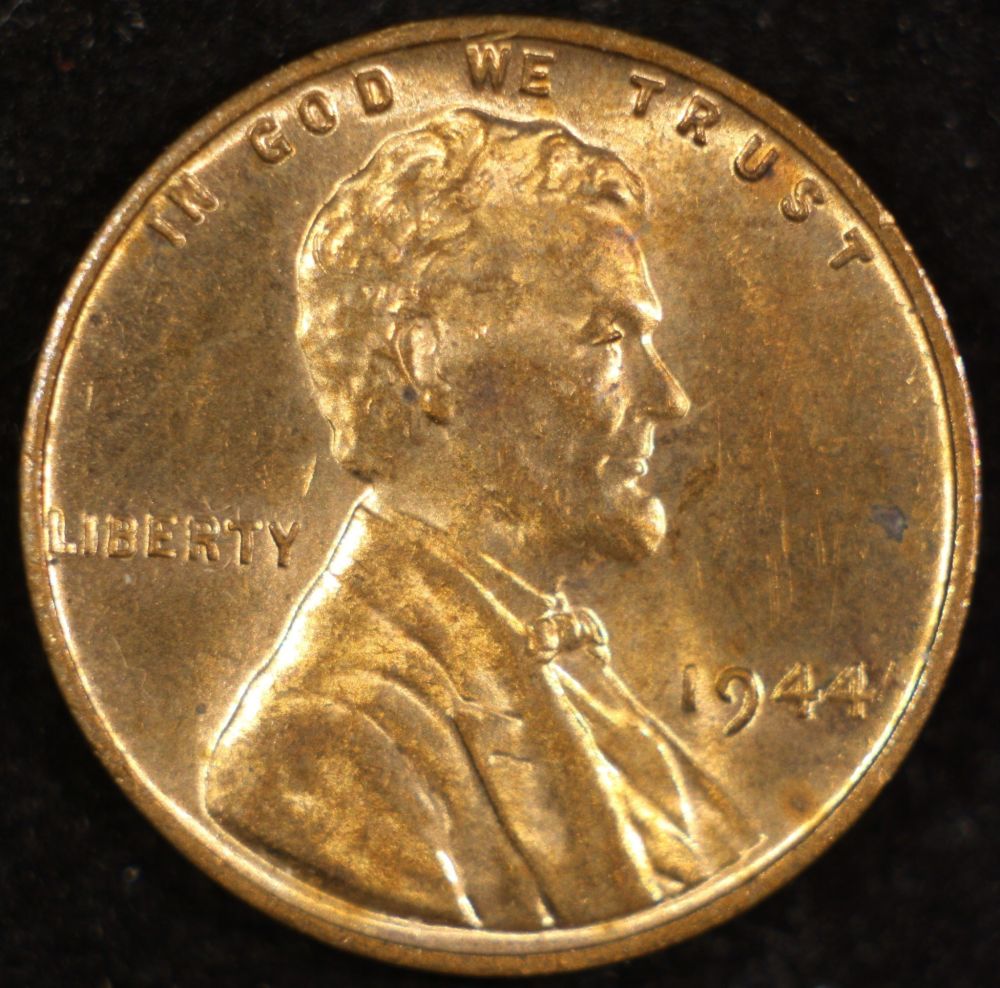 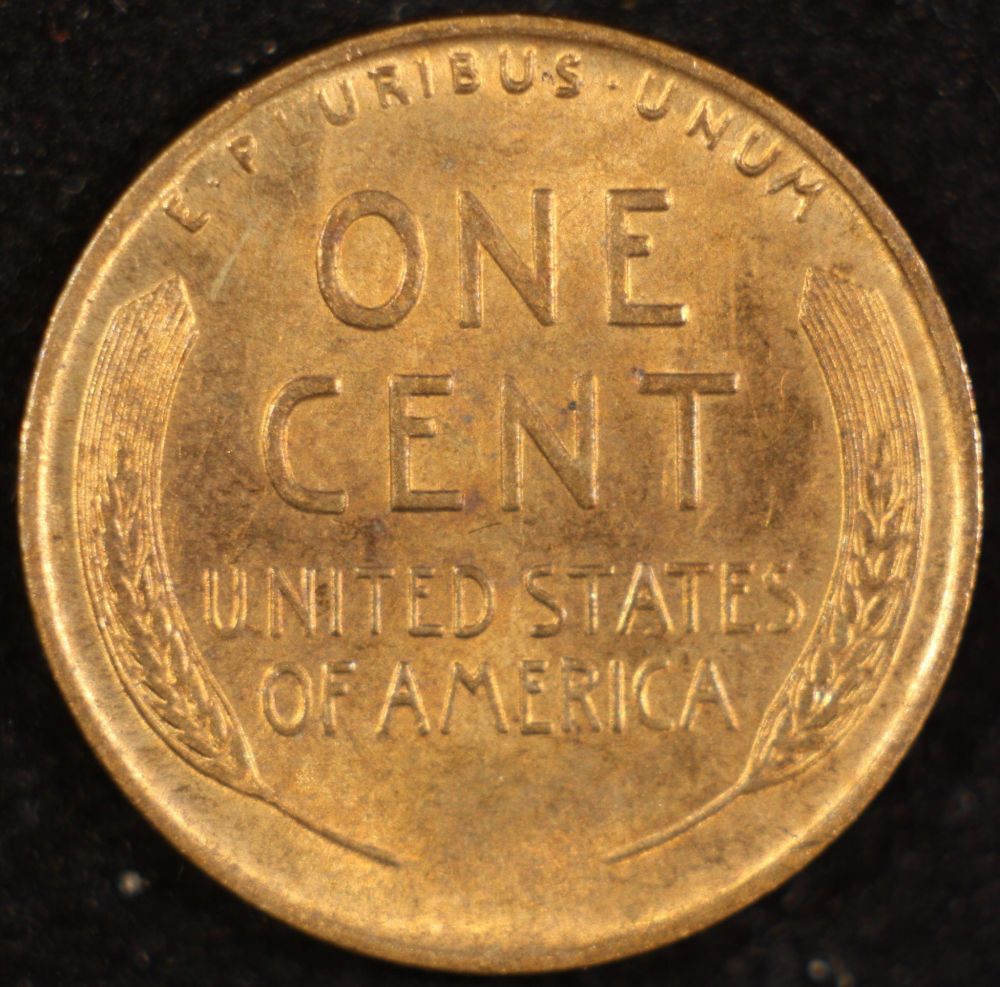 |
|
Pillar of the Community
United States
666 Posts |
This 1946-D also looks mostly okay to me, but I'm not positive. 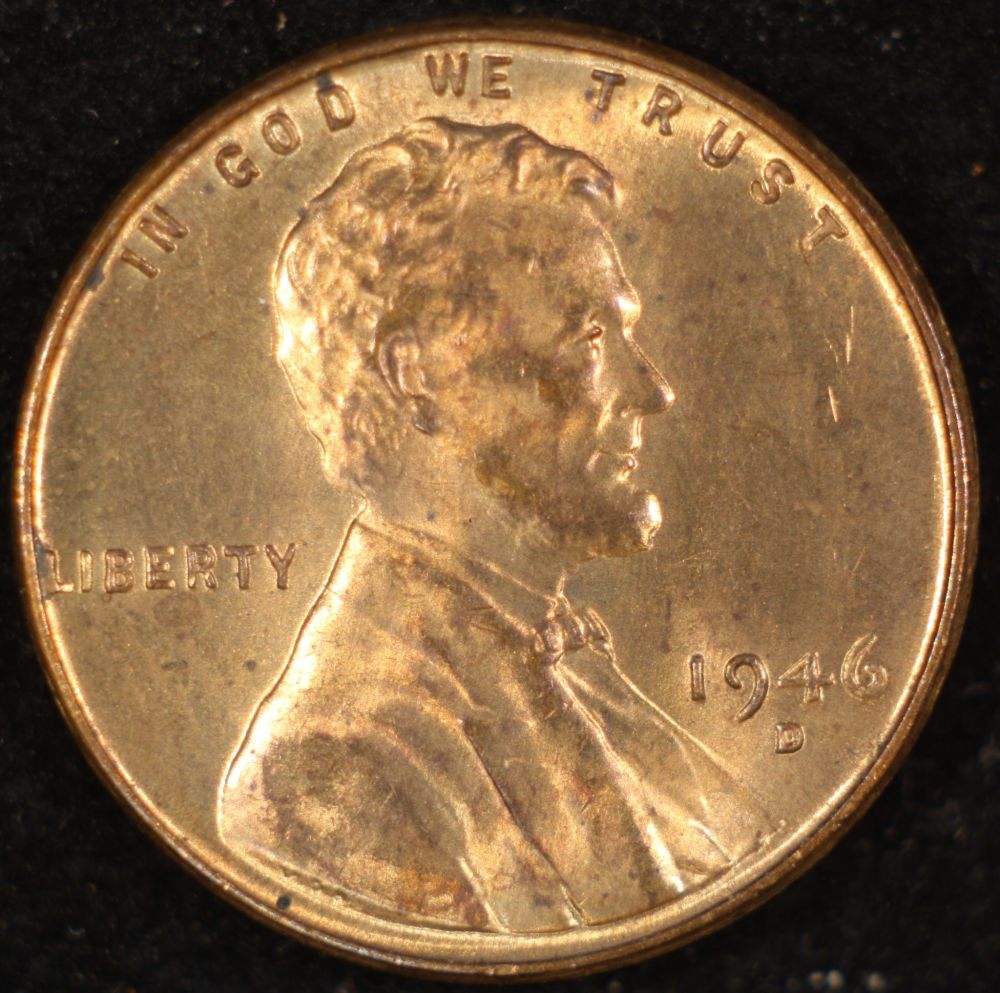 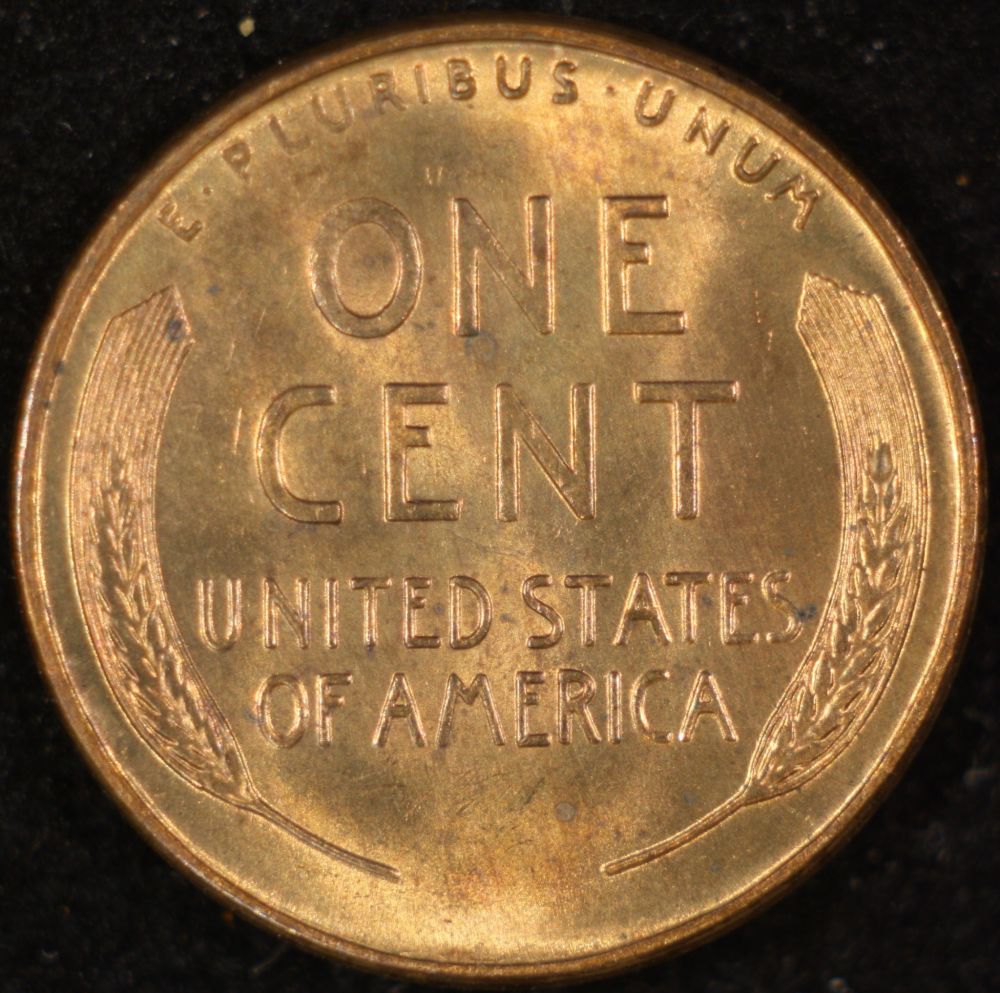 |
|
Valued Member
United States
403 Posts |
I like your idea of soliciting feedback on these cents, and folks here could learn a lot from comments, but you've given us too many examples too fast. It will involve excessive scrolling. I'll address the first. Quote:
Here's a 1921 coin that looks cleaned (buffed, brushed) because of the diagonal lines traversing across the coin on the obverse and reverse; and because it looks like someone tried to rub out some spots on the upper right quadrant of the obverse. I agree it's been messed with, but the diagonal lines on the obverse look more like compositional variations in the planchet elongated during rolling (i.e. an eye-pleasing woody). The spot in the upper right does seem to be from an old rubbing, like with an eraser. The lines on the reverse are travelling in the same direction as those on the obverse, so although they appear to be PMD scratches I suspect they are manifestations of the planchet variations exposed from extensive PMD rubbing. The splotchy nature of the toning is consistent with this. There are some large carbon spots, which may have been the cause of the rubbing. |
|
Pillar of the Community
United States
1696 Posts |
I have seen another example of the 1943 cent where the 4 is mostly missing due to a grease-filled die.
|
|
Pillar of the Community
United States
724 Posts |
I agree with the cleaned coins except the first 1943 steeler.
This coin looks fine to me. The second steeler suffers from bad dipping.
Coins after the steelers are not cleaned.
|
|
Pillar of the Community
United States
666 Posts |
Thanks y'all very much! Quote:
compositional variations in the planchet elongated during rolling NoPoMoCo - Ah, I did not know to look for that. My knowledge is enhanced! Quote:
1943 cent where the 4 is mostly missing due to a grease-filled die aristarchus123 - I did not know about that, and I did not know about the possibility of a grease-filled die. I appreciate the insights! NoPoMoCo - Thank you for the feedback re: posting too many requiring a lot of scrolling. That makes sense. I will do it differently for future questions. ~ Mark Edited by dd27
08/07/2016 11:54 pm
|
|
Valued Member
United States
403 Posts |
You're welcome Mark. I like that you're looking for reasonable opinions rather than judgements. I need observations and opinions to learn as well. Of course it's difficult to know what really happened to a coin. All we can do is give the simplest reasonable opinion that fits the facts. Gotta wait on the reverse pic of the 25s to make any statements, so I'll continue with the third cent. Quote:
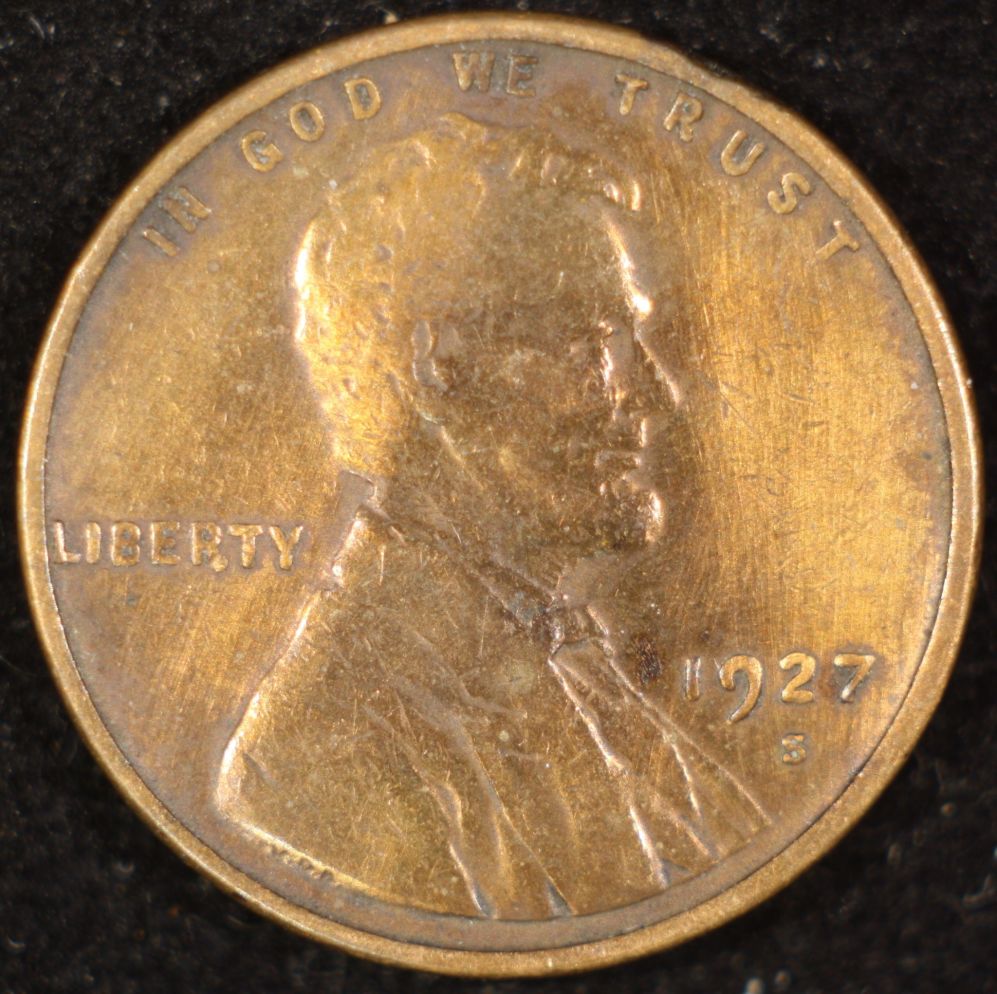
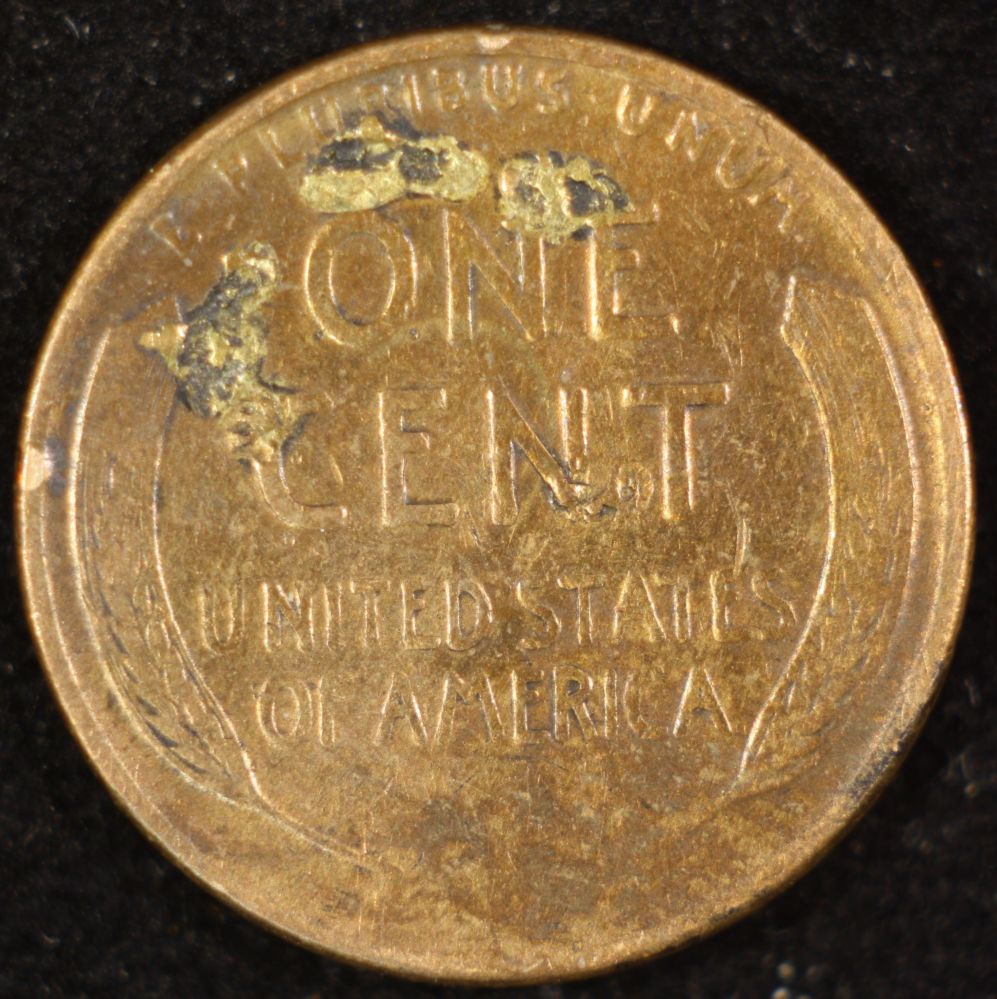
It appears someone tried to clean the obverse of this 1927-S with the 'scrub marks' almost everywhere, but particularly on the right-side field. It appears they gave up after this failed attempt and did not try to clean the reverse with it's lovely blobs of goo. IMO, that goo is probably glue, which would suggest the coin had been mounted somewhere. The scrub/rub marks probably happened while it was still mounted, otherwise the goo would have been the first target of the rubbing. The devices (such as LIBERTY) were able to protect the closely adjacent fields from the rubbing. Eventually, the coin was unmounted; fresh pry marks at 9 and 12 o'clock. Judgement: PMD. |
|
Bedrock of the Community
United States
20061 Posts |
1921 - These are almost all woodies, the alloy mix was very poor for this years planchets. Your coin looks to have been exposed to something chemical. 1925 - Another year for woodies, just like your coin shows. 1927S - Harshly cleaned and scrubbed. 1943 - Grease Filled Die caused the missing 4. 1943 - Chemical exposure 1944/46D - Normal, low grade MS cents |
|
Bedrock of the Community
United States
20061 Posts |
1942 - Probably unintentionally cleaned but definitely scrubbed at some point.
Lincoln Cent Lover!VERDI-CARE™ INVENTOR https://verdi.care/
|
|
Pillar of the Community
United States
1590 Posts |
I'm going to agree with Bad Thad, the 25 is a woody. The 43 with the missing 4 is an error/variety? that I have a couple of dozen examples.
|
| |
Replies: 20 / Views: 6,068 |







 Posted 08/07/2016 04:11 am