| Author |
 Replies: 17 / Views: 2,198 Replies: 17 / Views: 2,198 |
|
New Member
United States
7 Posts |
|
|
|
|
Pillar of the Community
United States
3210 Posts |
|
|
Pillar of the Community
United States
7378 Posts |
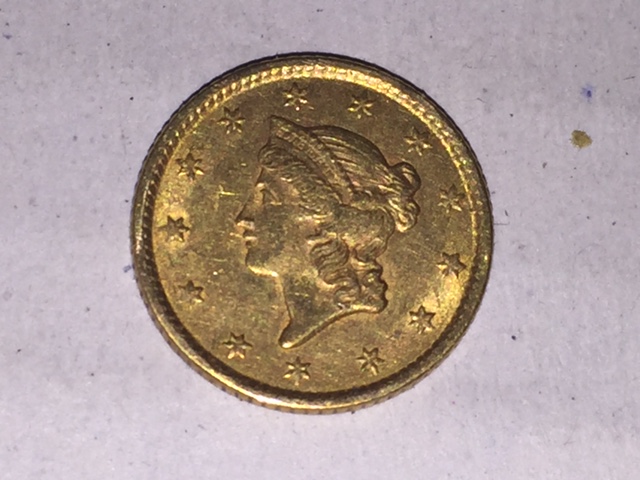
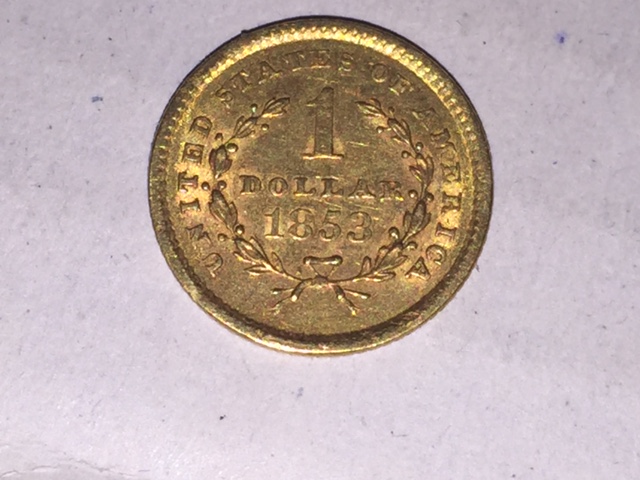
Some original luster, so I agree AU55
|
|
Bedrock of the Community
United States
37203 Posts |
|
|
Valued Member
United States
403 Posts |
|
|
Bedrock of the Community
United States
94367 Posts |
|
|
Bedrock of the Community
Canada
11922 Posts |
|
|
Pillar of the Community
United States
3234 Posts |
AU50 and I would venture a super conservative grader could go XF45 on this.
|
|
Bedrock of the Community
 United States
18932 Posts |
|
|
Pillar of the Community
United States
6370 Posts |
AU-50. Mine was nicer than this, and Bill Fivaz called it EF-45.
|
|
Valued Member
United States
130 Posts |
|
|
Pillar of the Community
United States
4509 Posts |
|
|
Pillar of the Community
United States
1499 Posts |
My market value grade would be EF-45. It's got sort of an AU-50 look, but it's got a lot of marks too.
The 1853-P gold dollar is the most common date in the series. There are so many nice ones, that a well used one like this will not draw a lot of attention.
|
|
Pillar of the Community
 Canada
5420 Posts |
ExFine 40 scratched. A nice solid AU 55 could be had for only a bit more. The reality is that the OP coin has little eye appeal and would probably NOT straight grade in a holder from a major TPG. Still a very interesting coin to own , very historical. Hard to believe these actually did circulate at one time. |
|
Pillar of the Community
United States
3234 Posts |
Pacificoin, I'm not sure I see a significant enough scratch to keep that out of a good holder. Which scratch are you referring to?
|
|
Pillar of the Community
United States
1499 Posts |
Quote:
Hard to believe these actually did circulate at one time. It's not that hard to know why they circulated when you know the historical context. The intent of Congress when they authorized the gold dollar was to give people an alternative to the paper dollars that private banks were issuing. The value of these bank notes was often dicey, and the intent was to give working people a reliable dollar. These coins saw a fair amount of use prior to the Civil War. That is boren out today by the numbers of circulated pieces that have survived despite the fact that many have been melted. When the large gold dollars were introduced in 1854, the Treasury made an effort to get the small coins out of circulation. Something like 75% of the mintage was pulled out of circulation for melting in the 1850s, '60s and '70s. The Treasure viewed having gold in two sizes as "an evil." At the outbreak of the Civil War, virtually all gold coins were withdrawn from commerce and hoarded. After the war the gold dollar never really recovered. Mintages got down to token annual levels before the series was discontinued in 1889. |
| |
Replies: 17 / Views: 2,198 |








 Posted 08/21/2016 08:14 am





