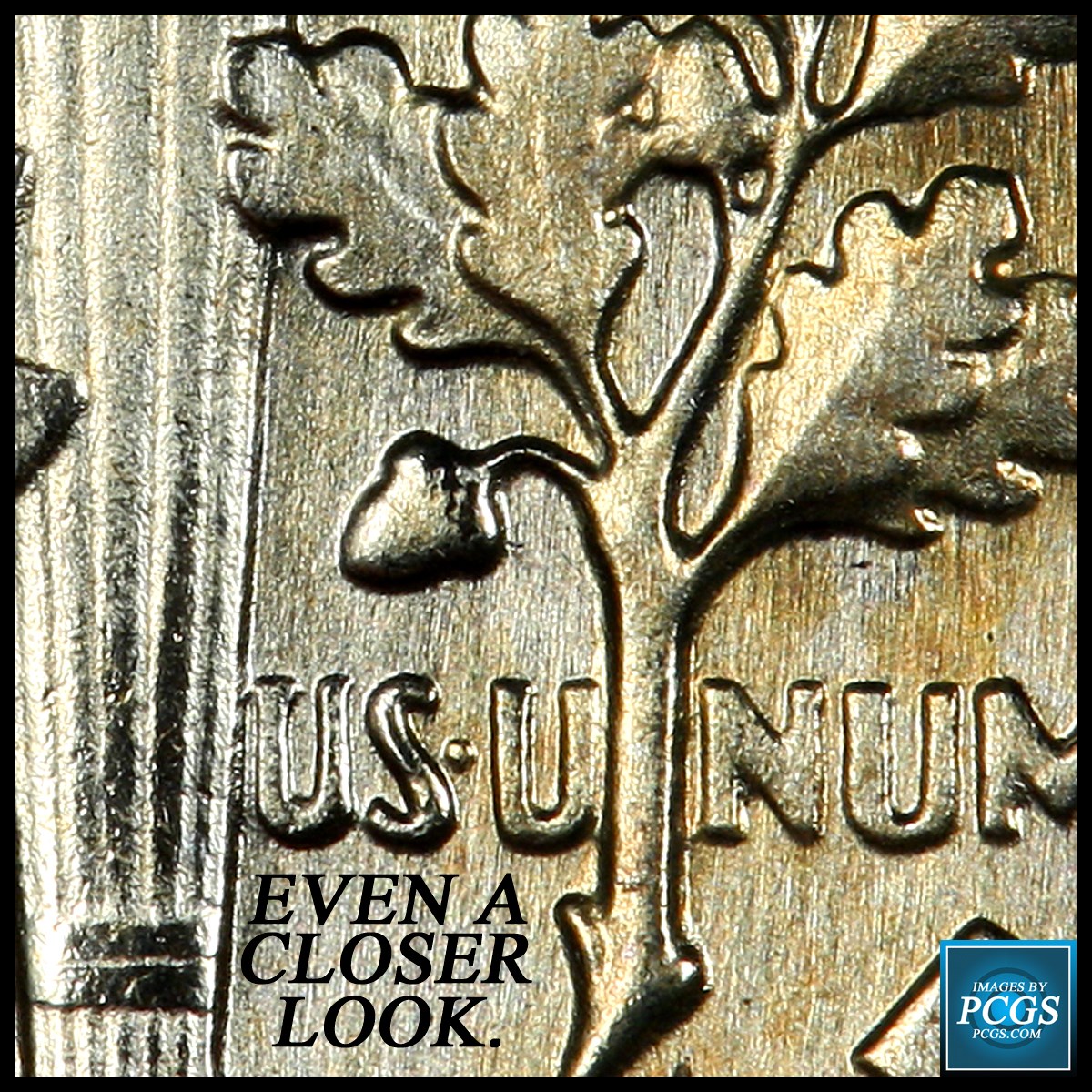
We often speak of die states/deterioration a lot here. Is that a good thing or a bad thing for a coin? I prefer the earliest die state possible for a coin. The coins just smile and they take images so well. When the dies age they are like us. We show our age and the coins they strike show theirs. We may not look as good like we did when we were younger. Young ones will see a picture of their Grandmother/grandfather when they were their age and wonder
what happened to you? But dies experience the same thing also. This may not be apparent to the new collector, but after you've view sever hundred thousands of coins, you start to notice that fact. But how can knowing a die state benefit you. Lets train our eyes a bit to see if they know the differences.
On a die the planchets get pushed towards the rim while the coins are forming. Consider: are all the devices on a coin the same height? No. The planchets start to wear down the dies in a direction. That direction is usually towards the rim. The wear patterns start to show on the rim and field area first. The stretching of the planchets a few hundred thousand times can make even the softest metal wear down hardened steel dies. So the edge of the outside devices closer to the rim, are first to be rounded off a bit even in the mid die states. The squared edge on the outside device wears a bit every strike. How much so? Well check out what happens on the outside edges of the reverses of multi-hub dies on the Memorial cents.
Notice on this coin the edge that should be squared is now rounding toward the rim.:
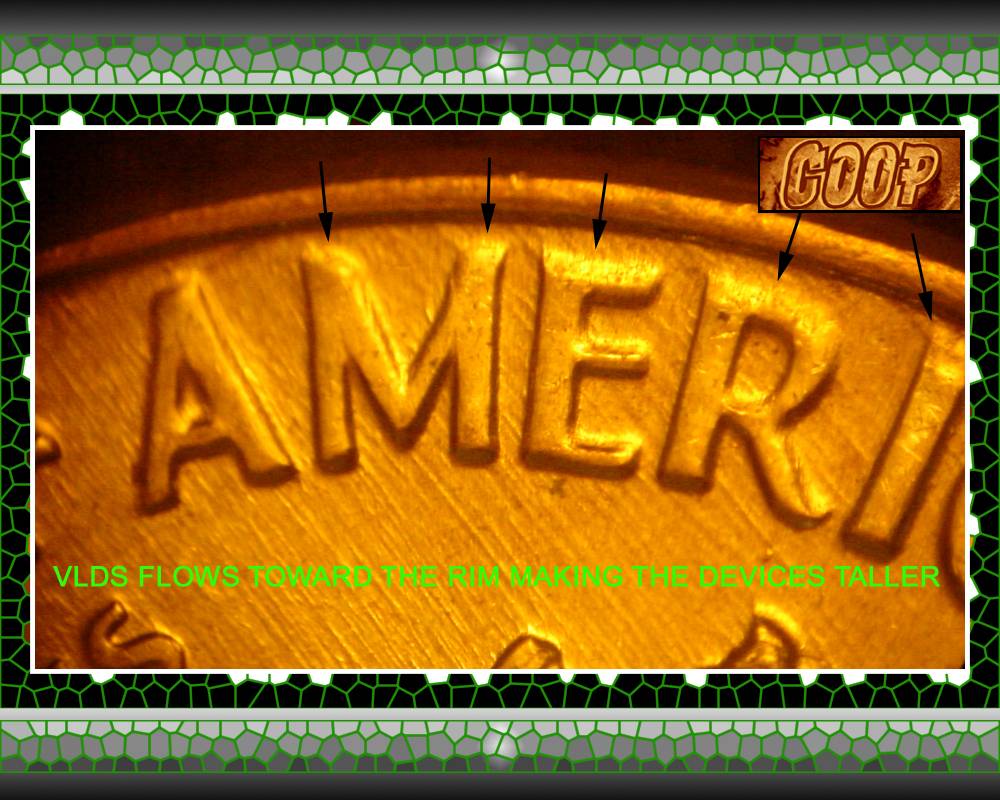
Can you see it feather down towards the field near the rim? Now we are starting to see
why and how this happens.
I've posted a set of images of what the different die states make the coin look like. All this can be determined by just looking at the die wear on the edge of the devices closest to the rim.
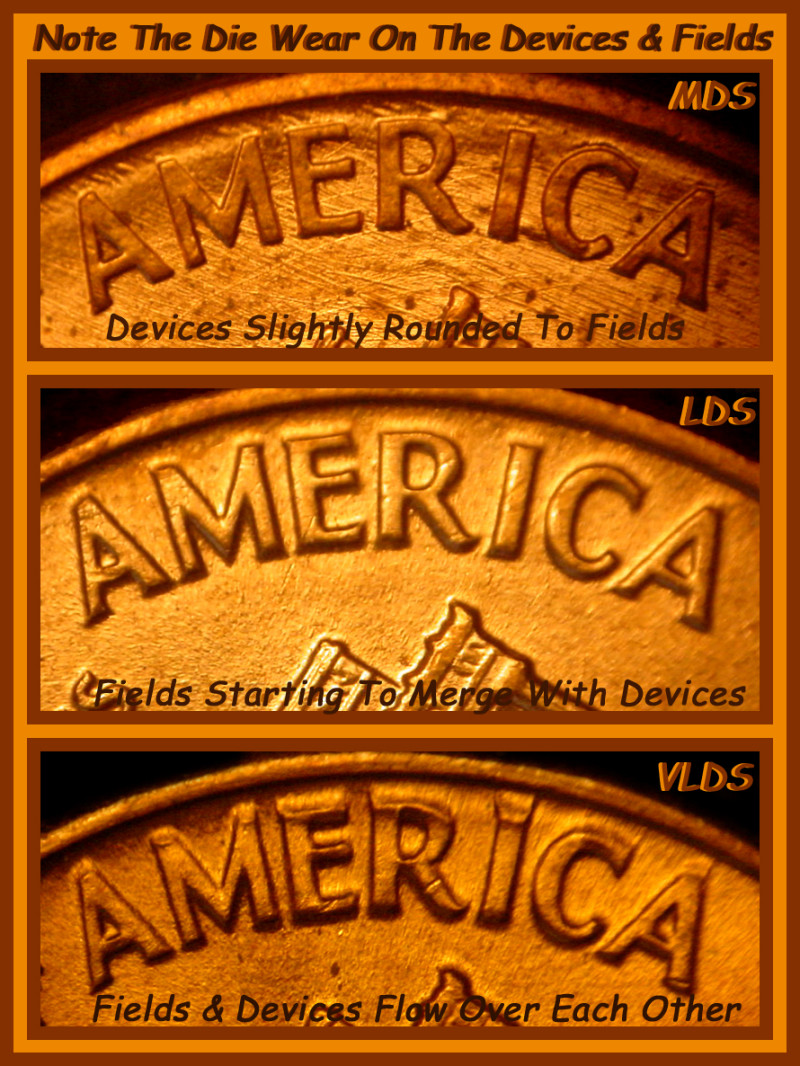
Note the last two image of that area next to the rim. You can see this happening to a die that at one time was a fresh new die.
But back to my question?
How can knowing a die state benefit you?If you are like me, I prefer the better die state coins. So when I look for a new coin to buy as an investment, with better eye appeal, it will noticed more on the EDS (Early Die State Coins) This die state does not last for long on a die compared with the number that could be made with a die pair.

Only 40,000 coins per die pair will be considered EDS. Only 25% from these dies will be of this die state. So when you look for that coin you
really want and it is a later die state, it might be a lot harder to sell when you want to part with the coin. When coins are graded, do they pay attention to die state? No. The coin is just graded by what condition the coin is in. But knowing that, we have an advantage for future sales. Maybe sometime in the future they will note that on a slab. Then the whole ball game changes. So it is to our benefit to know this if we buy coins.
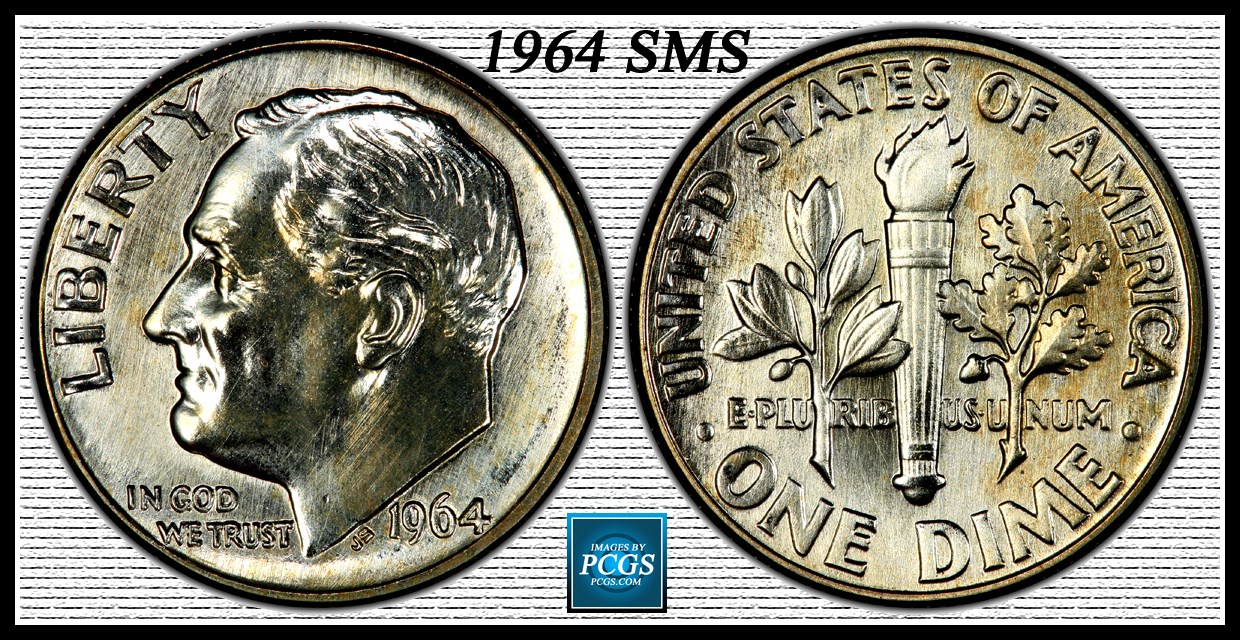
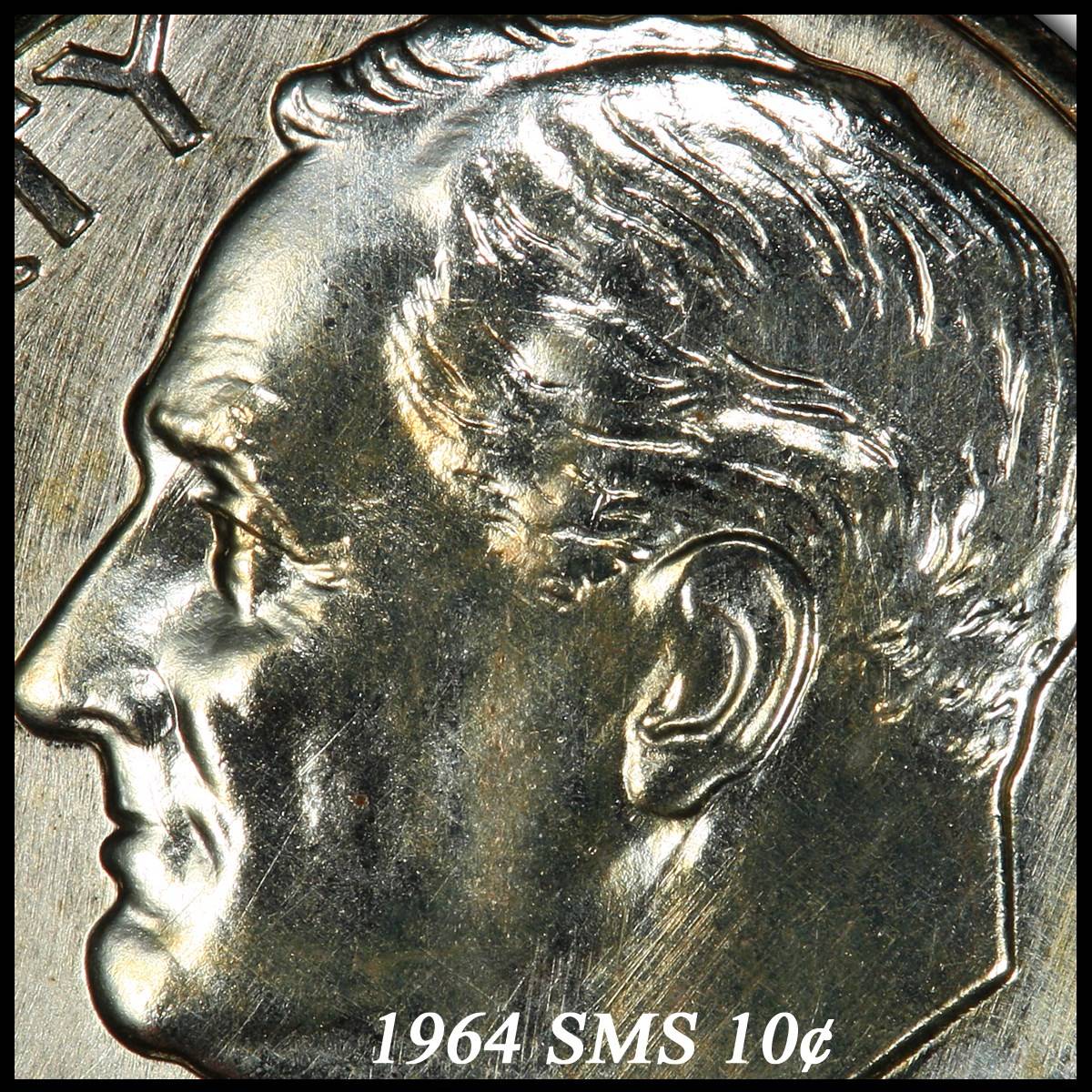
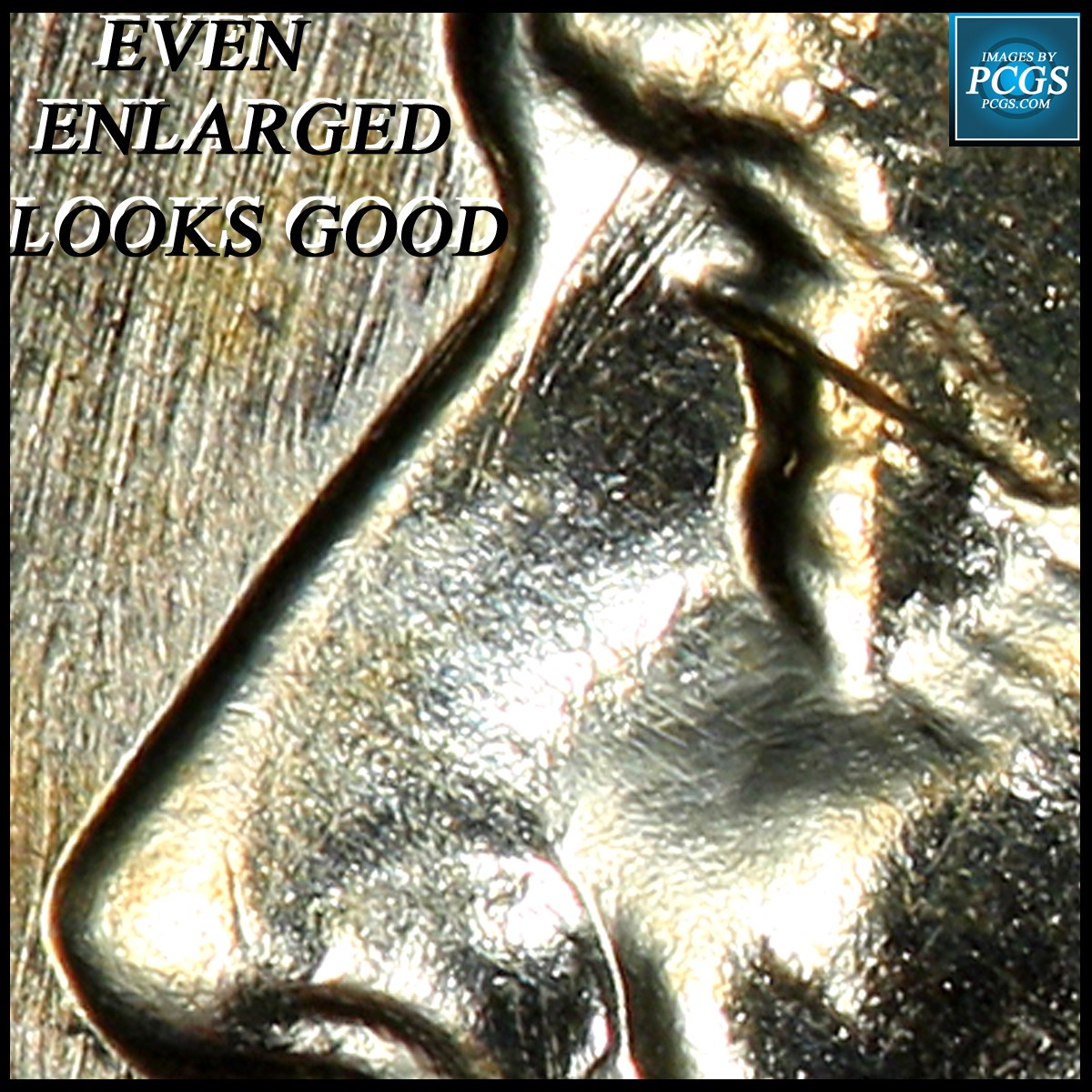
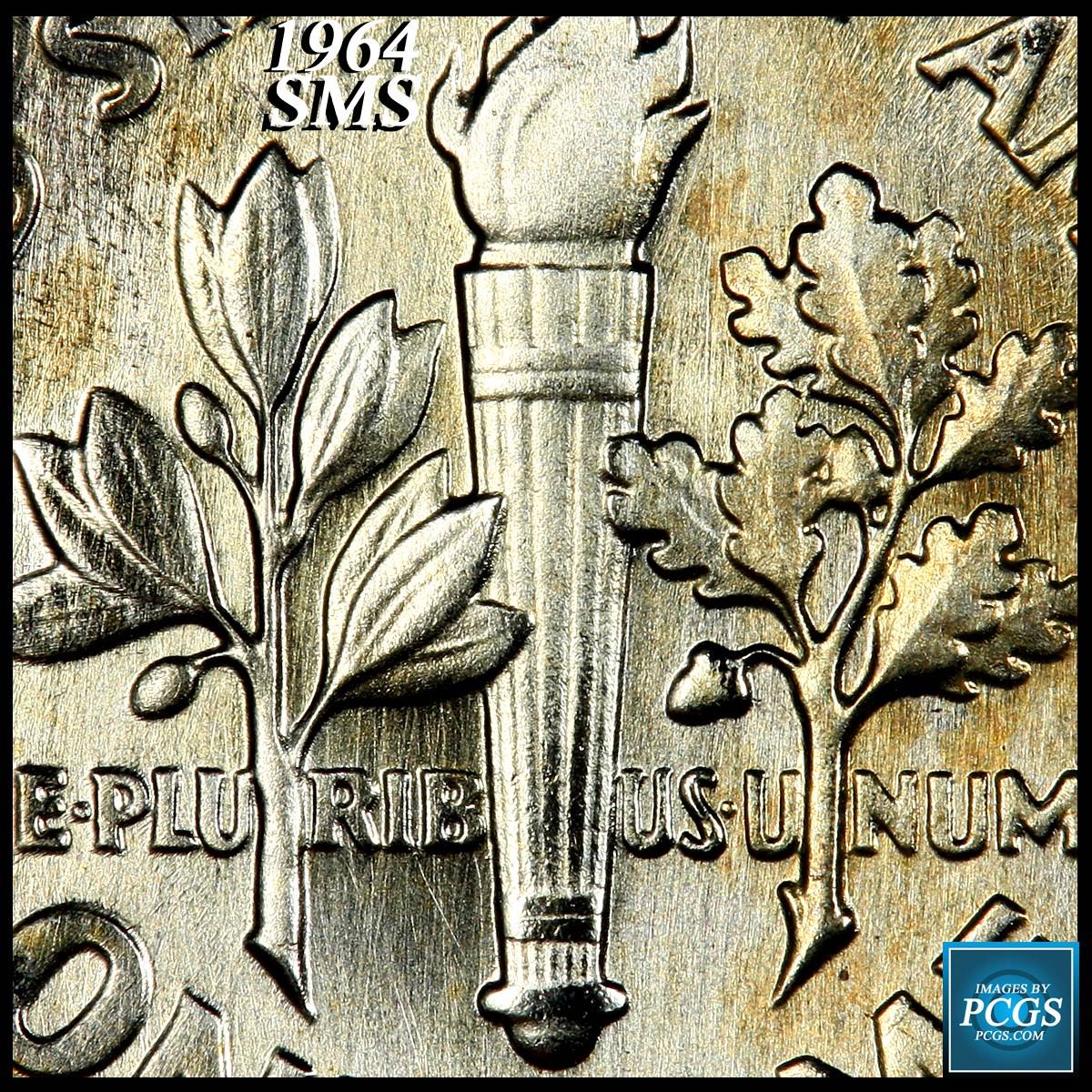
But now, to what to look for on a coin. I was looking at a couple of 1995P-1DO-001 on a site that had them graded and to the untrained eye, they looked OK. But the site had very large image sizes on their site. Imaging view a coin with instead 800 pixels, now with almost 6,000 pixels. You will note things on a larger that is almost microscopic on smaller images. But the larger image can be edited to show more detail. So I thought I would share some of these images with you.
The are in the MDS-LDS (Mid Die State-Late Die State) different die states. What is interesting is to note that the dies don't wear the same all over. Some areas are more affected than others. LIBERTY is one area that show die wear the most. But here we go:
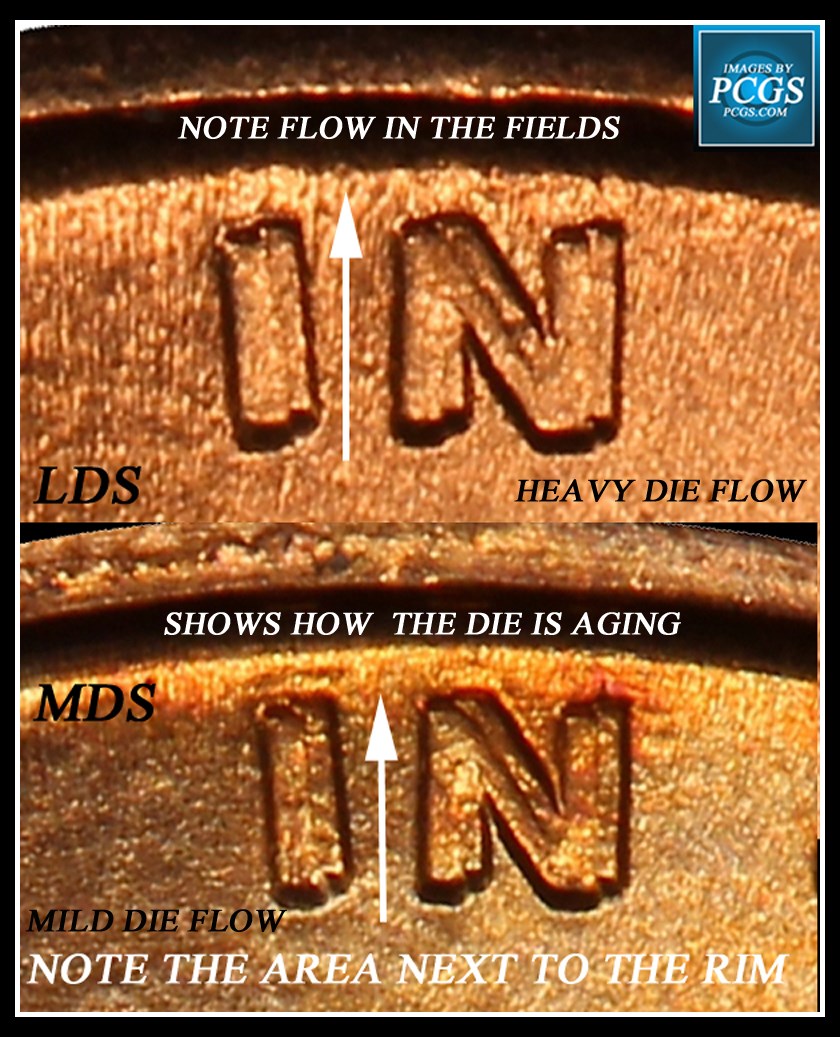
Note on the fields on 'IN' the die is starting to show die flow on those areas. The lighting is a little dark to show the rim area, but others images will help us fill this in that later.
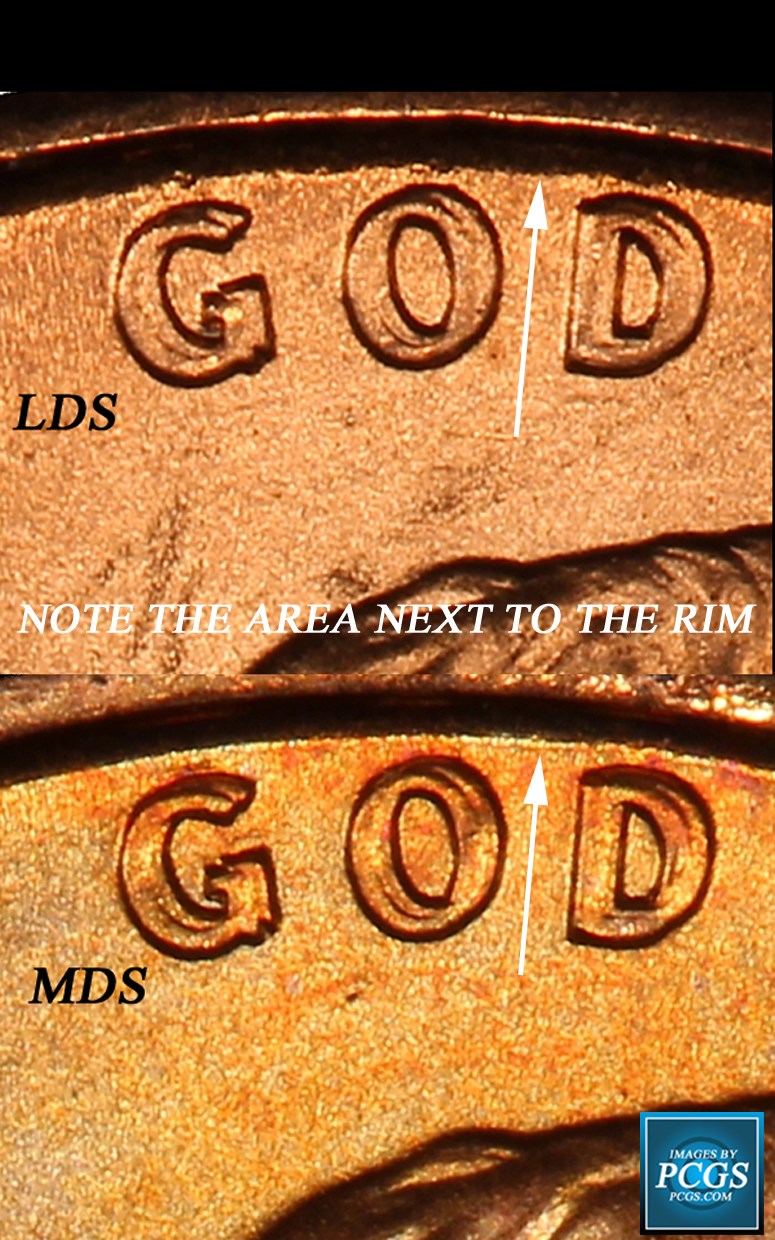
On the 'GOD' image we can see the die flow a bit less, but on the devices, you can see the design is going away a bit. Again the rim edge is in the dark.
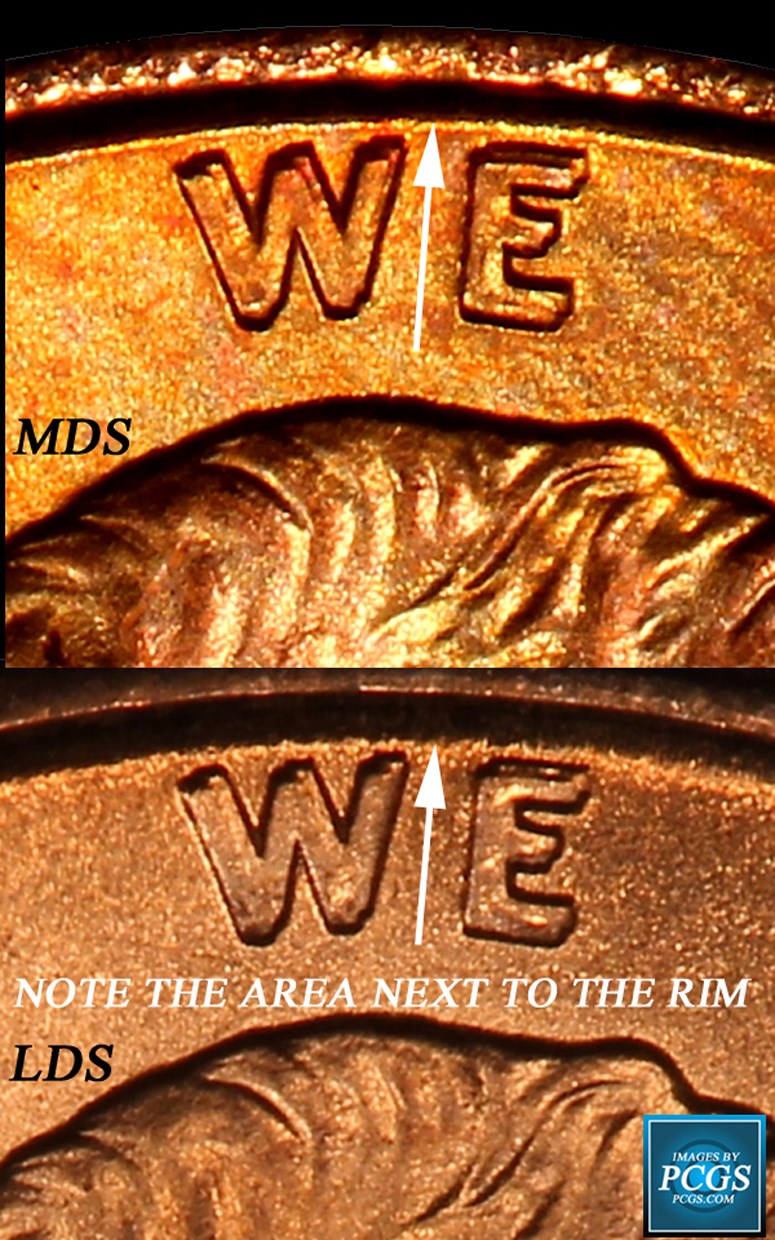
On 'WE' we see the devices are wearing down a bit more. The rim is still darkened. (the whole image was one shot on this obverse)
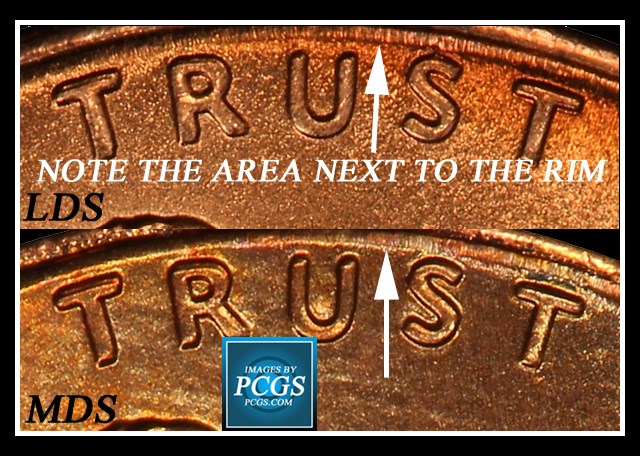
Now we can see that rim edge where the rim starts to rise is showing irregularities. Can you spot the differences on the die flow in these two images? I know it is minor, but on other parts of the coin you will see a lot more.
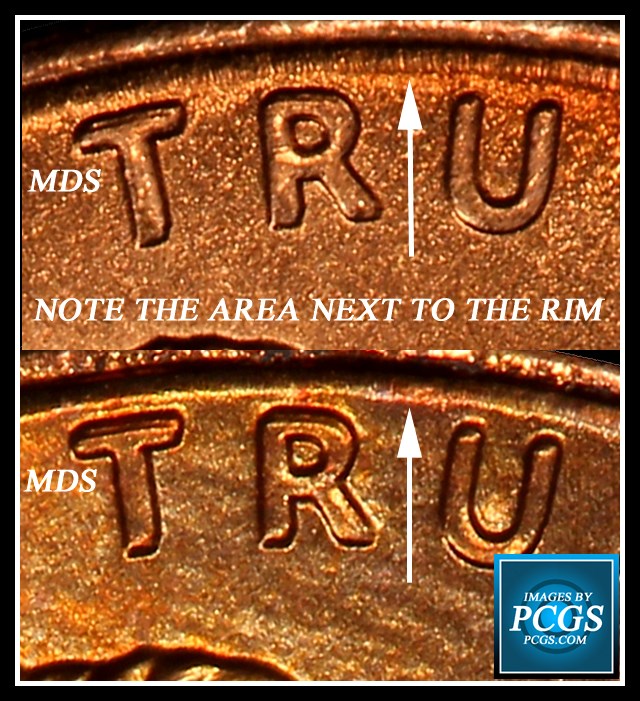
This is a tighter shot of the same area. Now you are staring to see the die wear creating striations on the coin because of the die metal pushing against the rim.
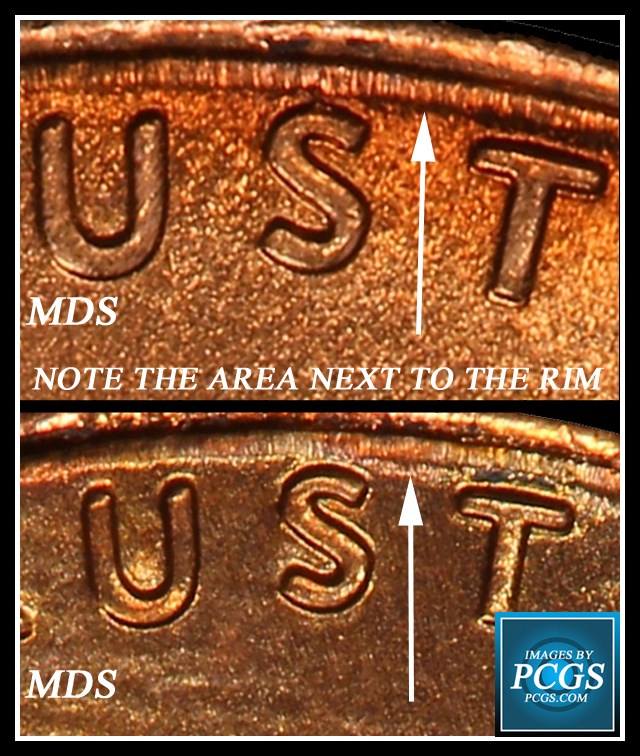
But now lets look at the LIBERTY area where the most
Die Deterioration seems to be happening:
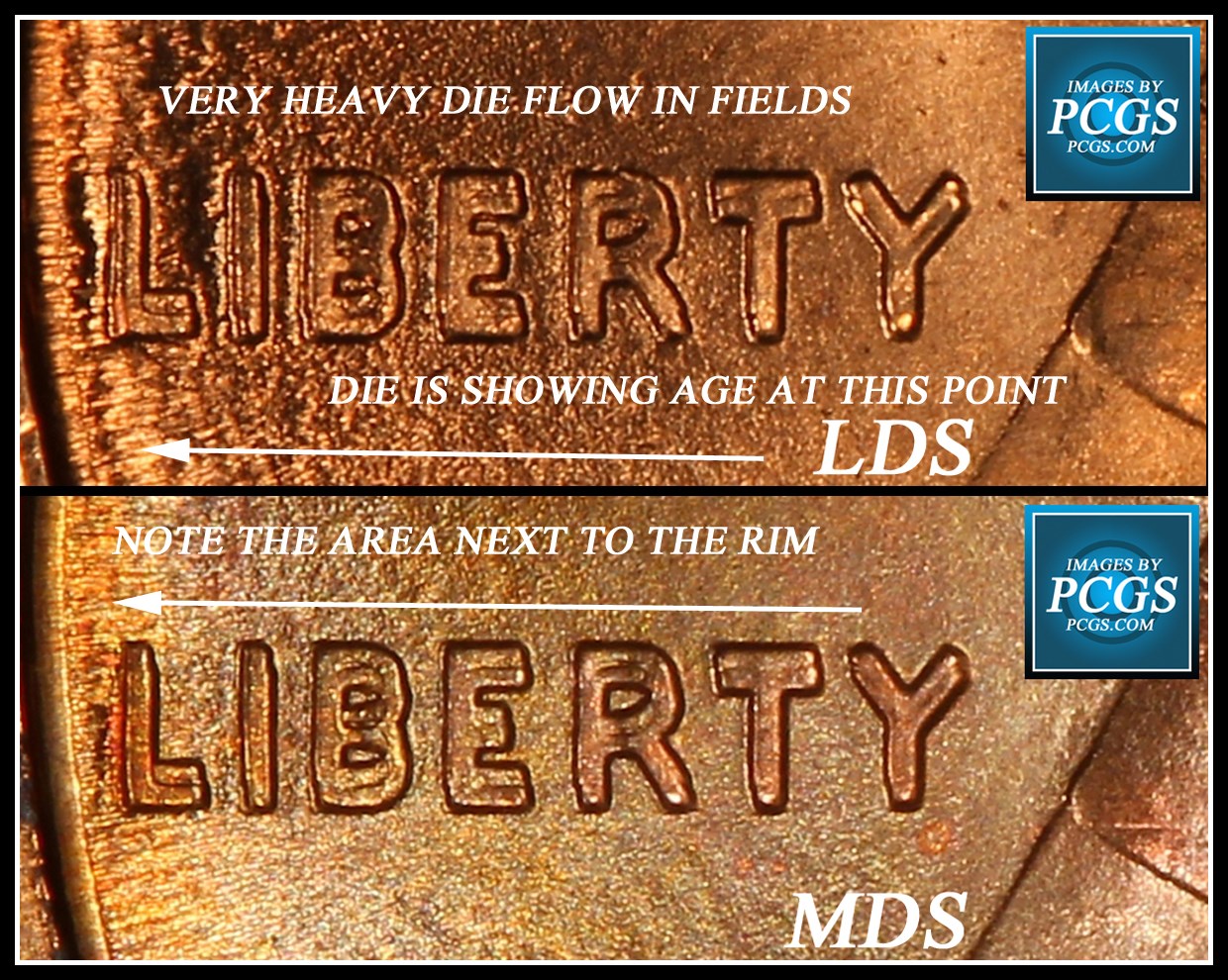
Wow! What a difference there is on this area of the coin. Now, let me ask you a question? How would you have felt when you got that coin instead of the other one in the images. They both graded the same. Both are MS-67. Now is it a benefit to know this information?
Last image is of the date:
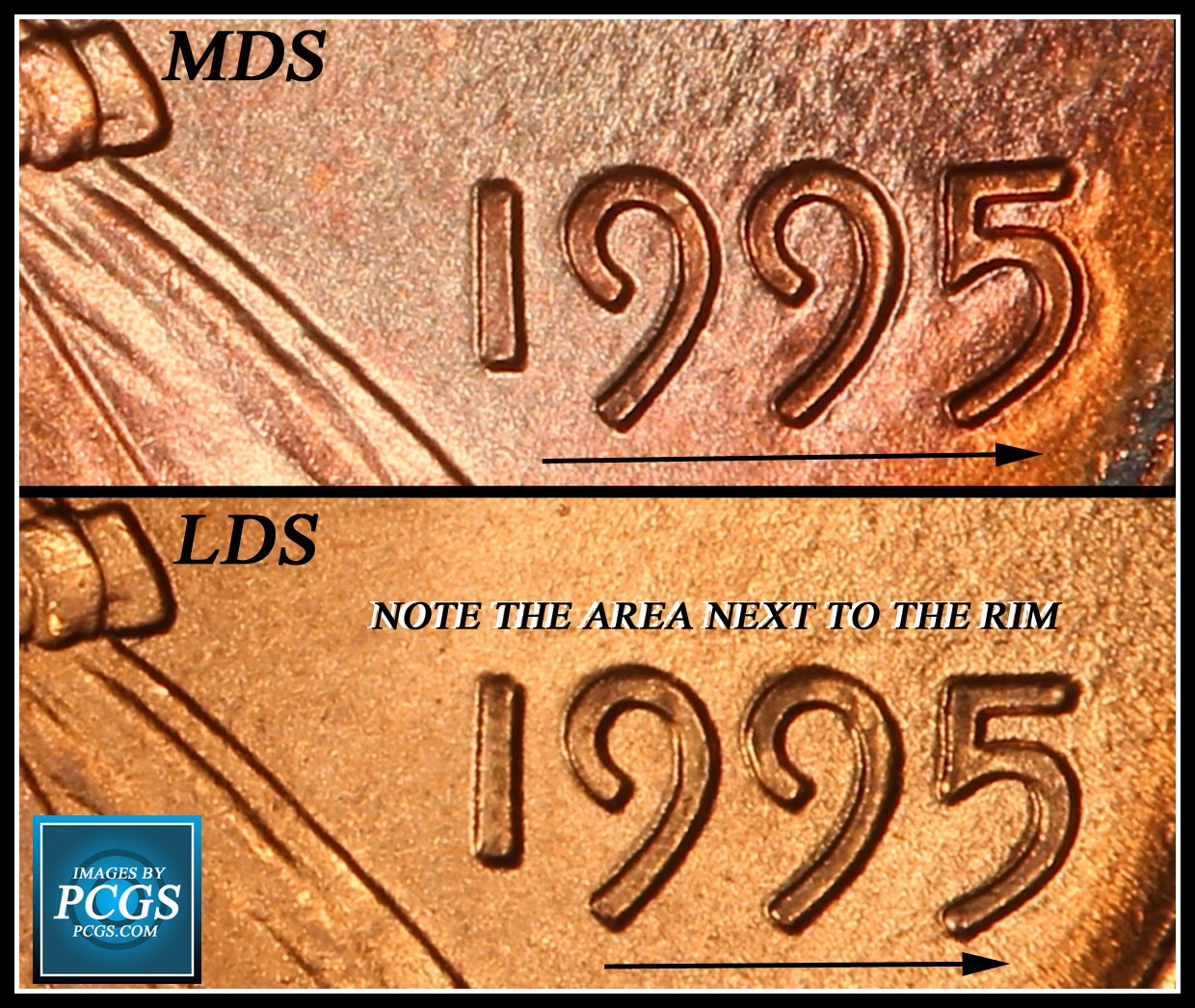
Well on that image we see something that should have never been graded that high. The MDS example has a plating peel on the rim. Another minus for that coin. So which coin would be happy with? The one that has the peeling plating or the one with more die wear? I wouldn't be happy with either. The coins were graded by a well known company. But knowing now what you do, you will look at coins a whole lot different now.
So does this now benefit you? I hope so.










 Posted 09/07/2016 06:02 am