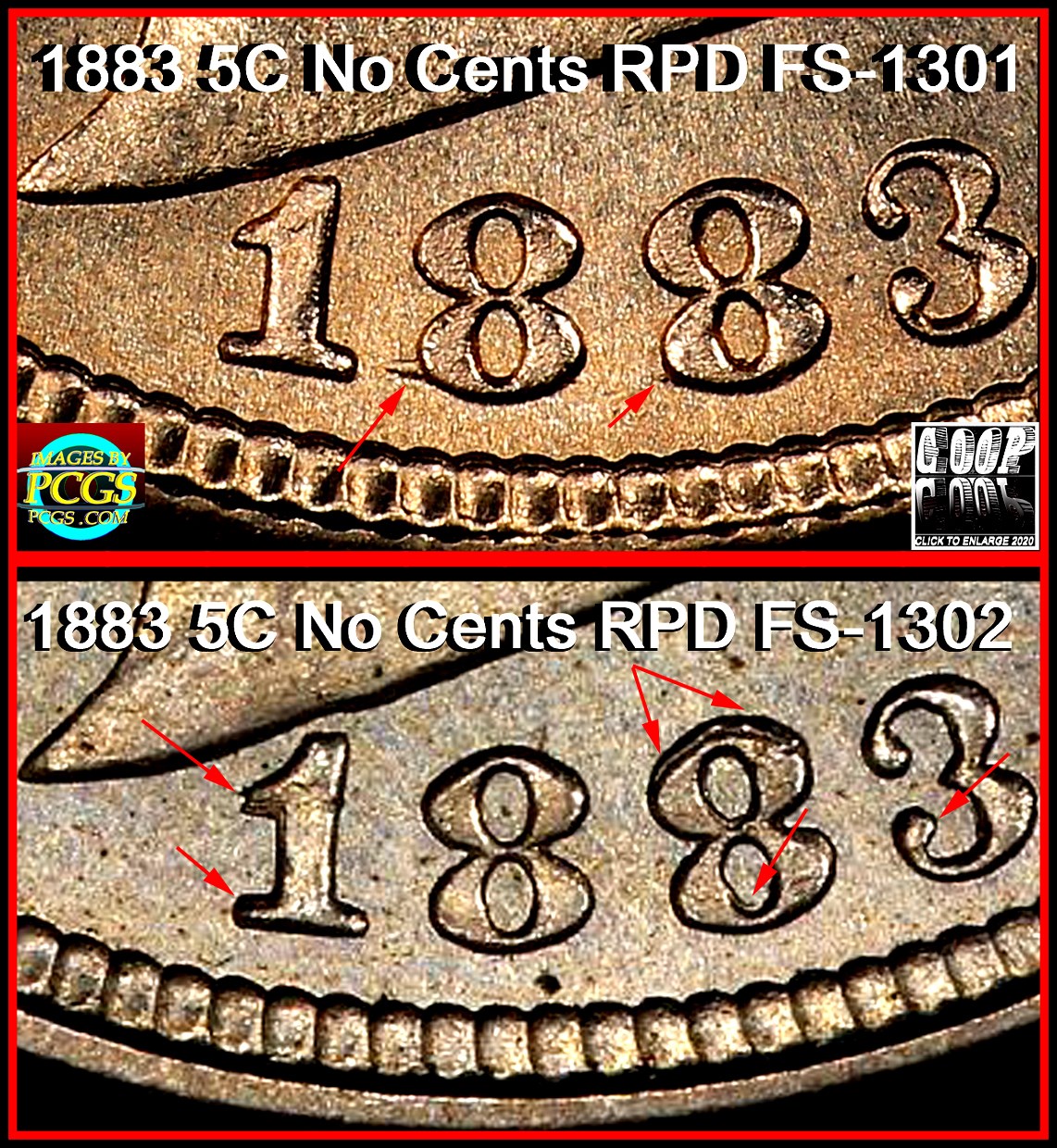
What does RPD, MPD and OD mean? Part one:
These are terms used on the location of the dates on the 18th and 19 century coins. The OD stood for
Over-Date. During the first few years the mint created the dies from punches and each die was almost unique. So much so the dies to are actually numbered with Shelton numbers to Identify them toady. Because the dies were a big job to create, some years were over, and dies had not reached the end of its life. So some obverse dies were re-used another year. How did they do that? A new date digit was added on the die. Most of the time you could still see part of the old date still under the new digit that was added to the die that continued to be used another year or till the die was retired.
Here is an example of a
Half Cent that the last digit was added:
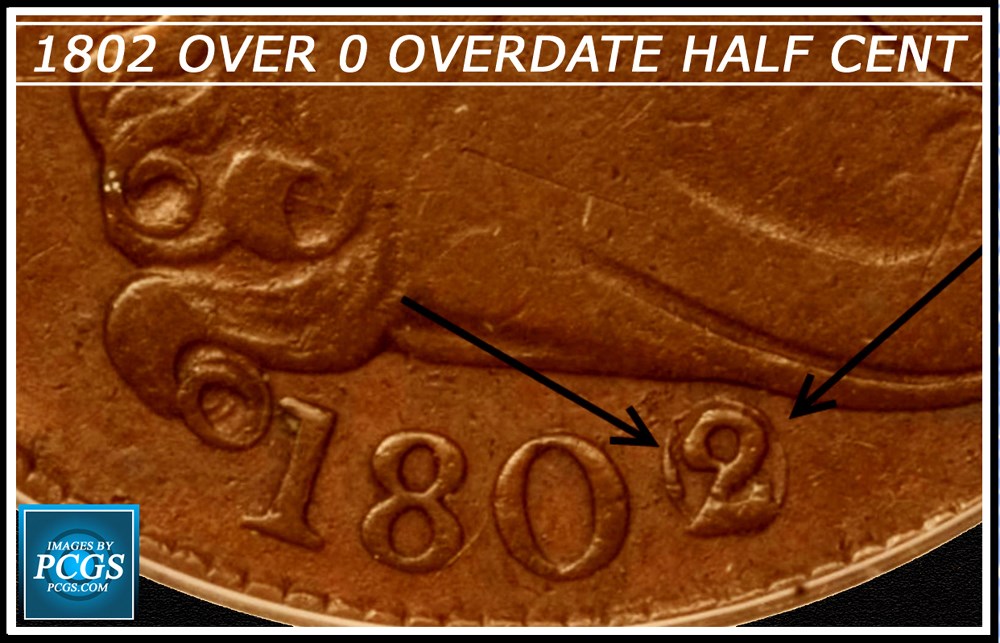
Note the die was used in 1800, but now it is extended to the 1802 date. You can see both dates on the coin.
Here is an example of a quarter that was used another year:


A 1805 reused in 1806 to strike a few more quarters until the die was retired.
Here a 1814 bust half was reused in 1817 (three years later) to strike a few more coins:

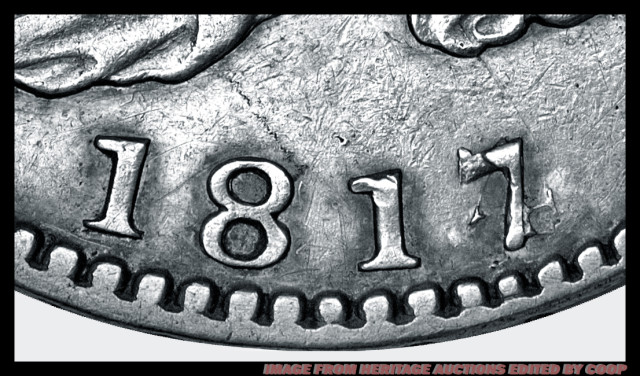
Here is a 1818/7 bust half that had the 8 punched over the 7 on the previous date:

A 1819/8 bust half dollar that the 9 digit was added to a previous years date:

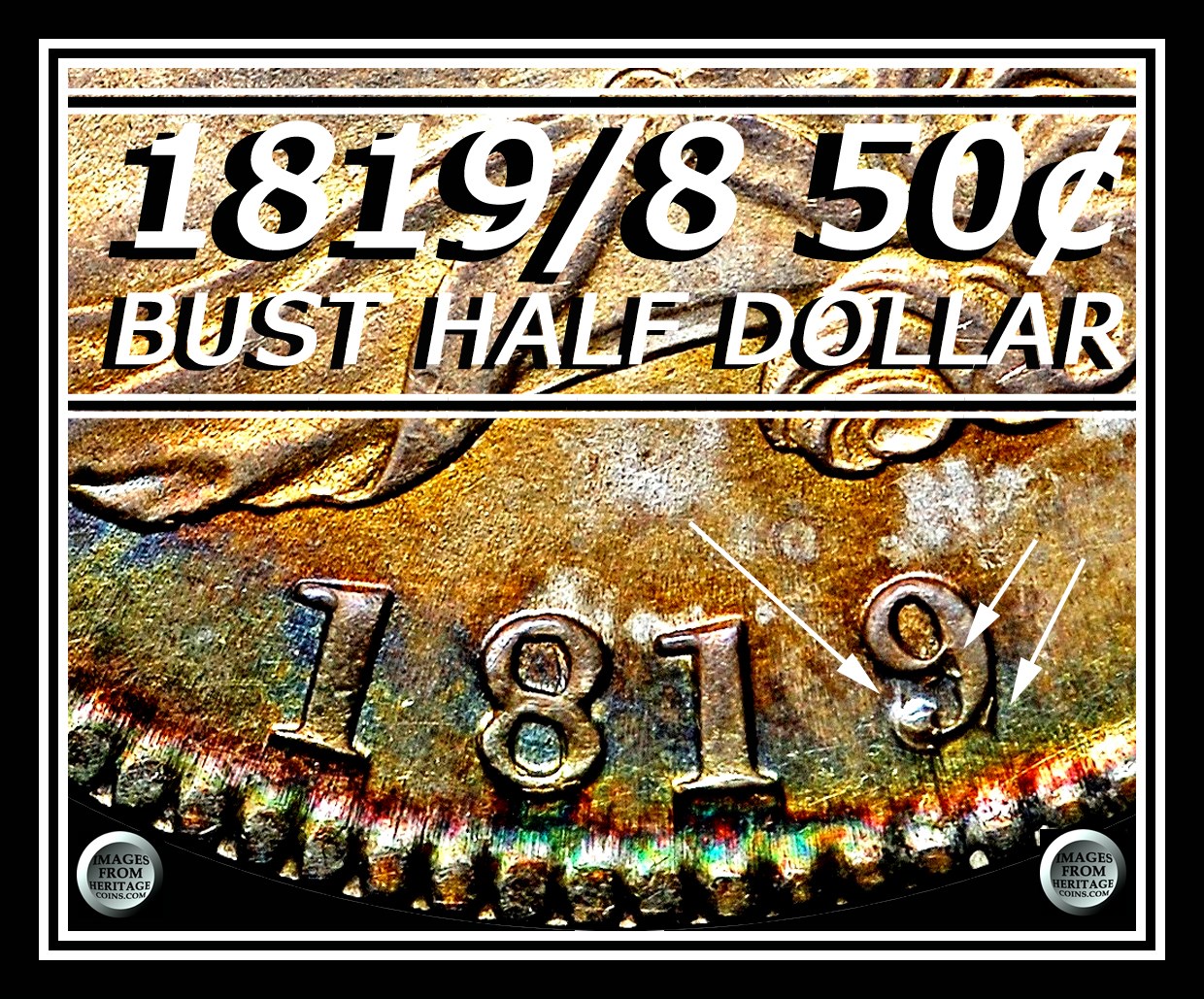
Eventually they stopped re-using the older die as an over date. So the OD means it was previous years date and one date digit changed to a different date digit. We can see both on the same coin. This may have happened on more examples than I posted. We note that the digit was the same size as the previous date and both dates are raised from the field because they were punched into the die. Some are weaker so they may have been partly removed from the die before it was the new digit was added.
But after 1909 this no longer happened. But what about the 1942/1
Mercury dimes and the 1943/2 nickels?


These are
not over dates. Why? Because the date digits were not added to the die like the earlier dies. Each digit was punched and then a different process for making the dies happen later on. The die creating process was changed in 1909 to a new way of creating the dies. So on the
Mercury dime and
Jefferson nickel, the die creating process had changed since 1909. The four step process for creating the dies were set in motion. The Master hub, Master die, the Working hub and the Working dies. When you look at this chart, it tell you the progression.
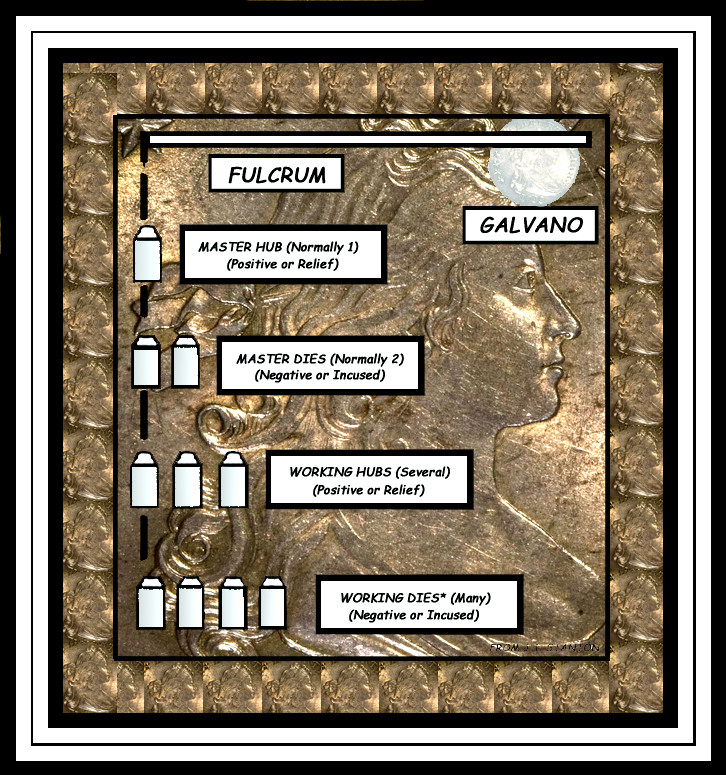
Did you note the number of dies created in each step. One for the Master Hub. Two for the Master Die. The working hubs many were created and the working dies, thousands of these were created. So the date is added onto the Master Hub, transferred to the Master die and on down the line. So the three die examples I mentioned earlier didn't have dates changed on the die. They were passed on down the line in the progression. On the earlier dies the dies were created by hubs punched with
parts of the design. Thus different looks were happening. Some had more stars. On some the locations of the bust we slightly different. some used different size/styles of devices. Eventually they devices were all put together on a hub, but the date digits were added to the dies. But on the coins I mentioned before, this procedure could not have happened. The die was created by two different year hubs. One for hubbing with the 1941 and one hubbing with 1942 hubs. This happened once at Philadelphia mint and once at the Denver mint in 1942 on the dimes. It must have been a mix up of the year hubs and dies they created. This also happened on the 1943/2 die on the nickel. One die was hubbed with a 1942 hub one time and with a 1943 hub a second time. Thus they show both dates. If you look closer on the nickel the year hubs were slightly different changing some other devices, but just slightly. But this is
not an over date (OD) as the digits were not added individually or changed just the one digit like the earlier die were. They are doubled dies because they were hubbed from
two different hubs. So it is not possible to have an OD after 1909 because the digits are not added to the dies. They were added on the master hubs.
End of part one.
Click Here for part two.




 Posted 09/23/2016 1:29 pm