| Author |
 Replies: 9 / Views: 1,710 Replies: 9 / Views: 1,710 |
|
|
Pillar of the Community
United States
6196 Posts |
|
|
|
|
Pillar of the Community
United States
3463 Posts |
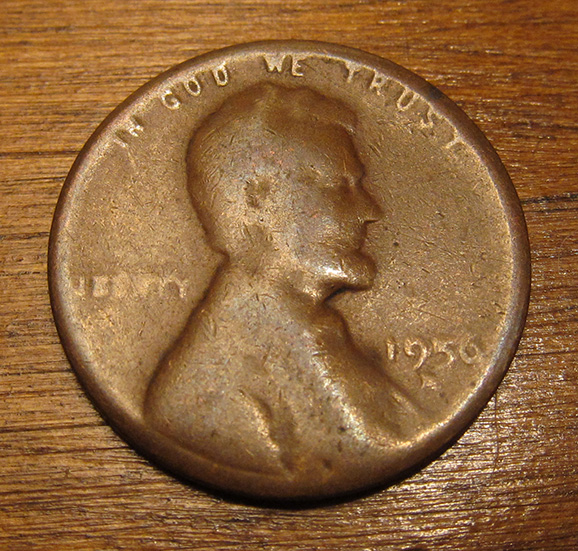
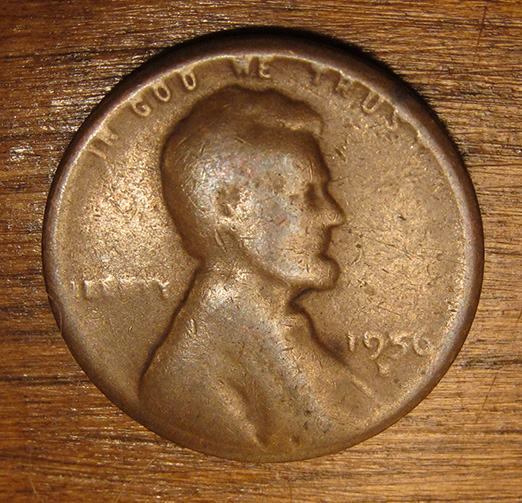
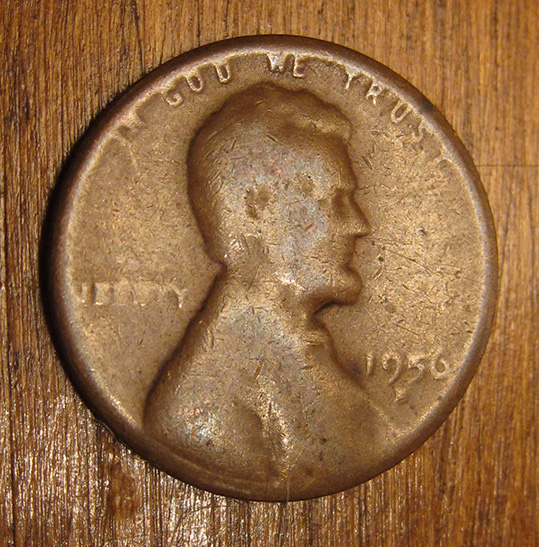
 to the forum! That is damage that happened after it was minted. It looks like a coin that has bounced around on some type of machinery for a long period of time with just the obverse side taking the beating. The metal isn't always removed on a worn coin, it gets moved, so the weight may be normal but the details can be distorted. To understand this better, you can take a cent and tap it repeatedly with a spoon until the details are nearly gone. The coin will still be the same weight as before, but it will look drastically different. |
|
Pillar of the Community
United States
1609 Posts |
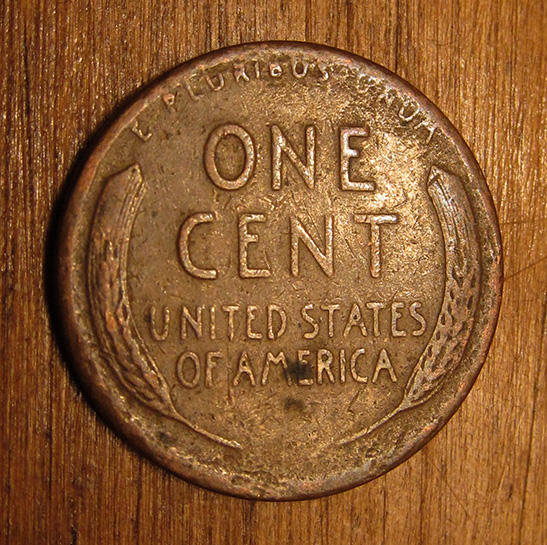
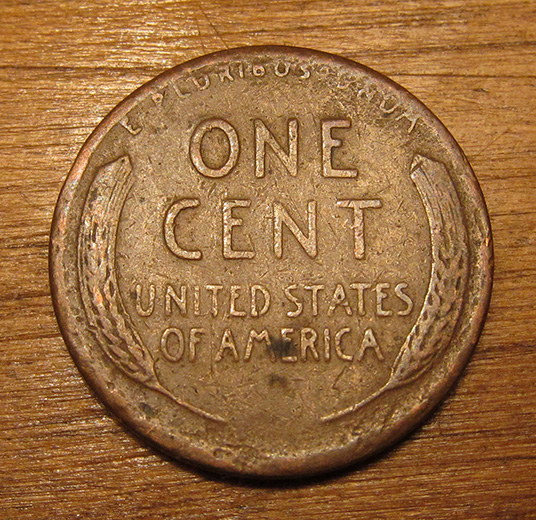
This little guy looks corroded on both sides. It doesn't take long in nitric acid to produce this effect. With the reverse at the bottom of the beaker, it's more protected. Should shave a litte weight, like about 0.04 g.
|
|
Pillar of the Community
 United States
6196 Posts |
Do either of these possibilities account for the GOD WE TRUST top of the coin's obverse being the most robust and still showing good rim while the area below the bust is well-rounded and beveled with the rim gone and the coin slightly thinner? 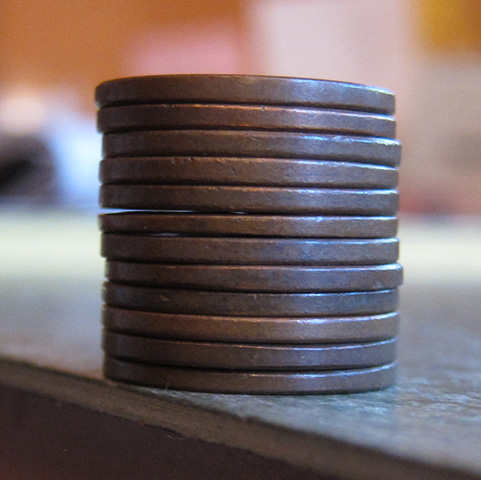 |
|
Pillar of the Community
United States
1609 Posts |
I shouldn't have implied that my way was the only way; there could be other ways to get to the coin you have. I also should have tested my hypothsis rather than just passing on what others have told me about similar coins. I'd like to test my hypothesis, but a can't find any nitric acid around here. I did manage to come up with some industrial muriatic acid, though. For those who've forgotten their chemistry lessons, muriatic acid is a variant of hydrochloric acid and calling it industrial means I don't know the molarity, molality, actual pH, etc., or any useful information. I used some plastic forceps, a small glass vessel, and an actual 1956-D Lincoln. Not having a lot of patience is a poor quality in a home chemist so I only exposed this for about 10 minutes and the acid was not very concentrated. What it does show that might pertain to this coin is the area up where the forceps held the coin. If the cent was purposely dipped in acid "X", the area around the forceps might not have reacted in the same manner as the rest of the coin. For what it's worth, this may relate to your IGWT question. 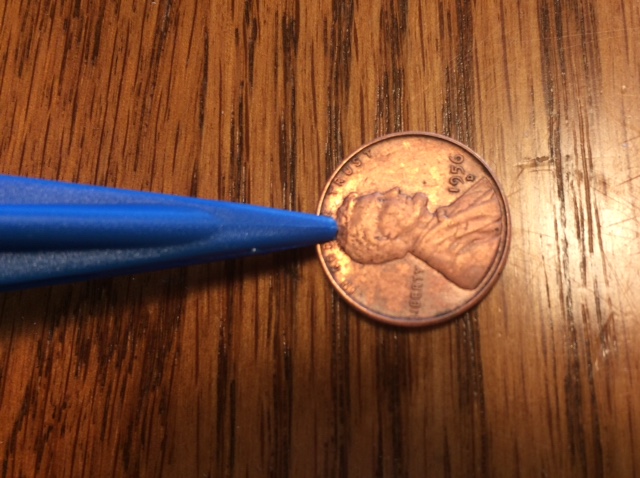 Is the coin in question the sixth down from the top? |
|
Pillar of the Community
United States
6196 Posts |
Yes, sixth from the top with the light gaps which relate to the lower bust area of the coin (that might not have been exactly clear, eh?).
I have been pondering doing just what you are doing. I've got all the lab stuff to run various chemical tests on some junker coins to observe the results, but it would seem that getting the chemicals in the first place is the hard part. I have not decided to, or not to, go this direction quite yet.
|
|
Bedrock of the Community
United States
62064 Posts |
It also was bent. You can see light light above and below the coin. PSD |
|
Pillar of the Community
United States
3516 Posts |
|
|
Pillar of the Community
United States
1609 Posts |
Where's your intellectual curiosity, Dustin?
|
|
Bedrock of the Community
United States
94367 Posts |
I like the bottom-of-the-beaker explanation for the reverse, well done.
|
| |
Replies: 9 / Views: 1,710 |
|











 Posted 10/31/2016 06:25 am


