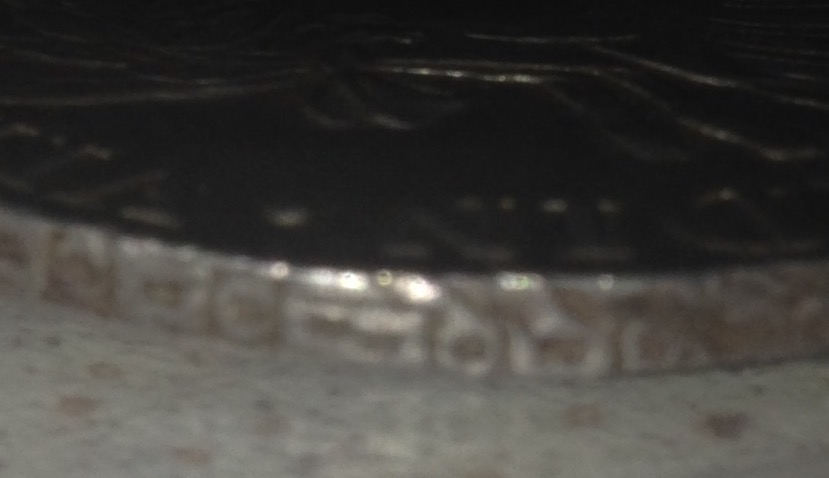
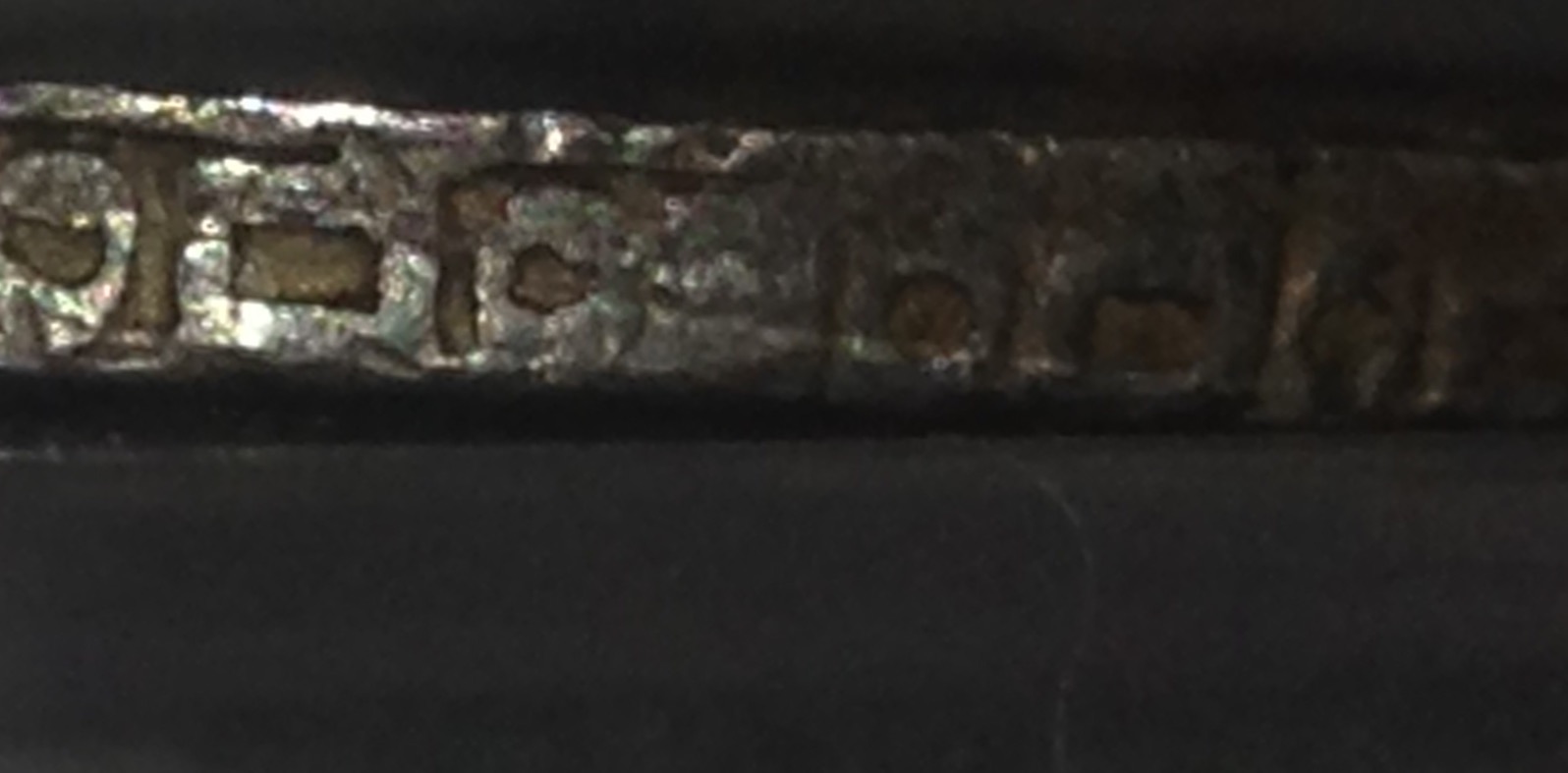
NickelCollector With coins of this specific type I would echo Lucky Cuss' caution to be concerned first about authenticity. Grading is far more difficult than a modern US coin and it can wait until the status of the coin is confirmed.
The 8 Reales of Mexico City, in particular the ones made with this portrait and the two Charles issues, were counterfeited over a long period of time and in many different places. The reason was their status as
Trade dollars particularly in the Chinese inland markets where these dollars carried a 25% premium value over silver bullion. This premium caused several different nations to become involved in the secret manufacture of restrikes to meet demand.
So looking at this coin I see signs of manufacture that are good signs for authenticity.
On the obverse above the G in GRATIA there is a "silver fin" that was rolled onto the face of the coin and then struck into the obverse dentils. This happened when a worn blanking punch was used to cut out the rough blanks from the rolled silver strips. This bit of excess metal was not cut off during the weighing process (more on that later). When the blank went through the Edging Mill (casting machine) the fin was bent or folded onto the face of the coin because of the channel the edge entered to be milled. When the coin was subsequently struck in the open sided screw press the fin was driven into the face.
The reason the fin was not trimmed off as excess weight during the adjustment phase was most likely because there was a thin area in the silver strip. This thinner than normal area is visible in the weakened strike in the area of the date and on the opposite face of the coin as well. The extra weight of the fin was compensated for by the thin area. These thin areas are often seen on coins made in this period because manual labor was used to roll the silver strips to the correct thickness and therefore the rolled flat bars were ONE coin in width. The edges of the bar tended to be slightly thinner than the centers hence the edge taper of the blanks.
The fact that this is observed only in that one place is good for authenticity. There are some types of silver counterfeits that show this form of weakness in two places exactly opposite one another. I do not see evidence of that here.
The rim along the word GRATIA shows a "hollowness" on the obverse which corresponds with a weakness on the reverse. That feature is odd. I would ideally like to see the coin all the way to the edge on the obverse to insure the defect has a known cause.
The only issue I have a genuine concern with is the "die break" near the bottom of the shield. I call it a die break because it is a raised feature on the coin and a recess had to exist in the die to create it. You were referring to this in your incomplete thought;
Quote:
Also, the line of the shield around the lion's foot seems to be missing, which might be where that little piece of metal to the left below the coat of arms.
I presume your thought was that somehow the incomplete area of the shield outline could be the cause of raised lump below. That is difficult to postulate from a
Die Deterioration point of view. A missing segment of the outline could result from two causes. First the punch used to make the outline might have been chipped. If so the full outline was missing from the outset. The second possibility in a "die fill". Die fills occur when debris (usually metal dust and grease) fill part of the recess of a die which results in a weak or missing area. That is common in modern presses but less likely in an open screw press that is manually operated.
I see no clear reason for the appearance that makes sense at this time. I never get concerned with one area like this.
Weight is absolutely needed. You need to get a decent scale that is accurate to 0.01 gram. Most of the $10 types that read 0.01 or even 0.001 are not actually accurate to that level. Read the fine print and usually they indicate accuracy to 0.2% of the weight of the object. For an object that weighs 27 grams that is a possible range of deviation of 0.054 gram. So a reading of 26.99 could actually be anywhere between 26.936 and 27.044 grams. Such a scale is accurate only to 0.1 gram not 0.01 gram.
Finally most of the silver counterfeits can be identified by mistakes in the edge design. Without seeing the edge there is no way to determine authenticity.
The net result is I can not be sure what you actually have here. It is most likely genuine however I can not completely rule out a counterfeit because of the lack of information.
The good news is that if you do have a Circulating Silver Counterfeit it is going to be worth as much as a genuine coin of the same grade. The case for a circulating counterfeit is far better at this point than is the case for a modern numismatic forgery.







 ) and I've just stumbled across it again, and I picked up this Spanish reale today for quite a nice price for the look. can somebody give me a possible grade?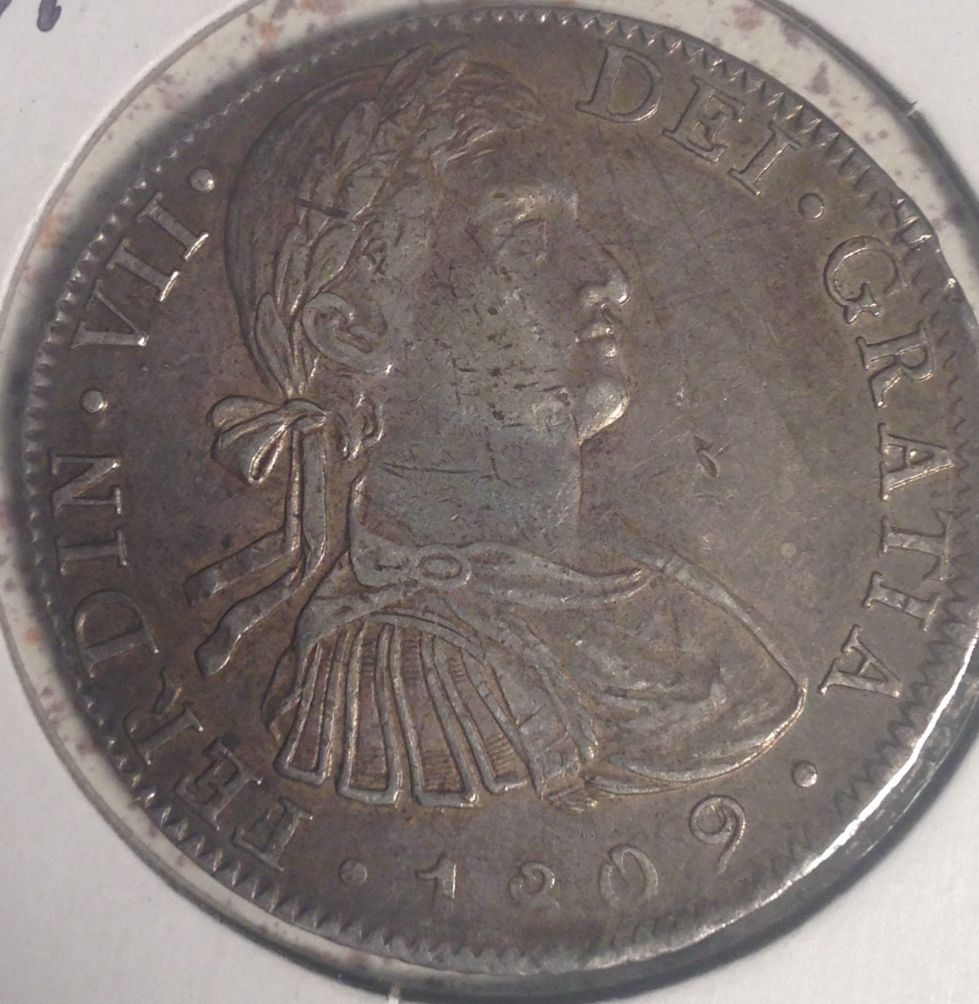
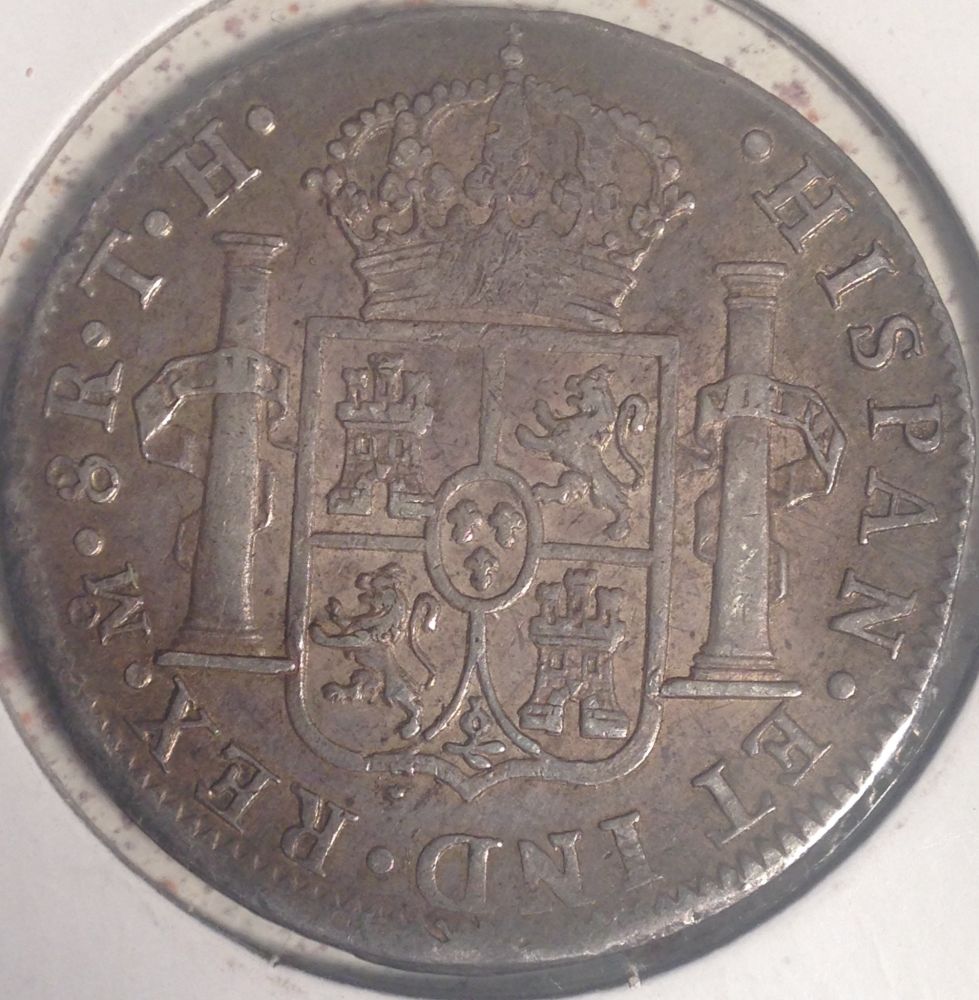


 Posted 11/19/2016 6:51 pm