| Author |
 Replies: 17 / Views: 3,327 Replies: 17 / Views: 3,327 |
|
Pillar of the Community
United States
3479 Posts |
|
|
|
|
Pillar of the Community
United States
4337 Posts |
its a circulated proof it looks fine here is a perfect example of cleaned at one point versus never touched: Note the differences in the devices, their brightness on the cleaned coin. Yes, the fields have darkened over the course of time, but the high points on the reliefs are never going to be anything but a visual contrast against the back ground. Now look at the second coin below and there is your original surfaces 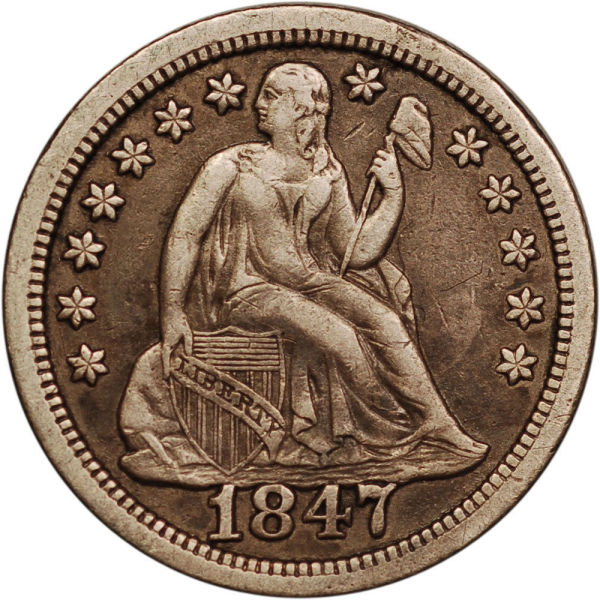 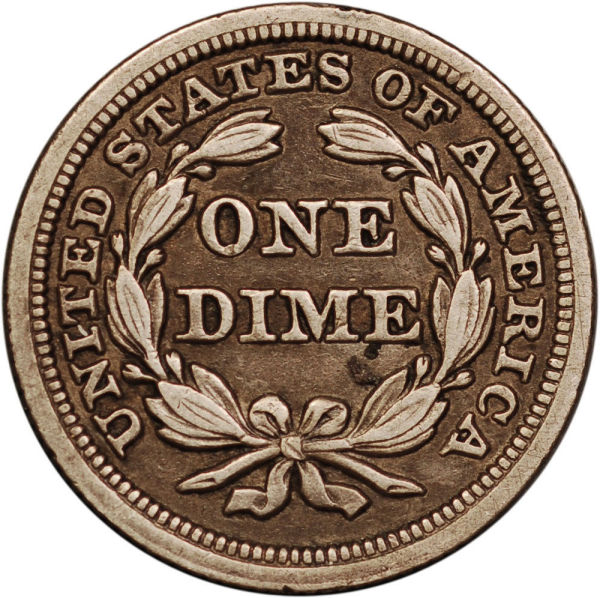 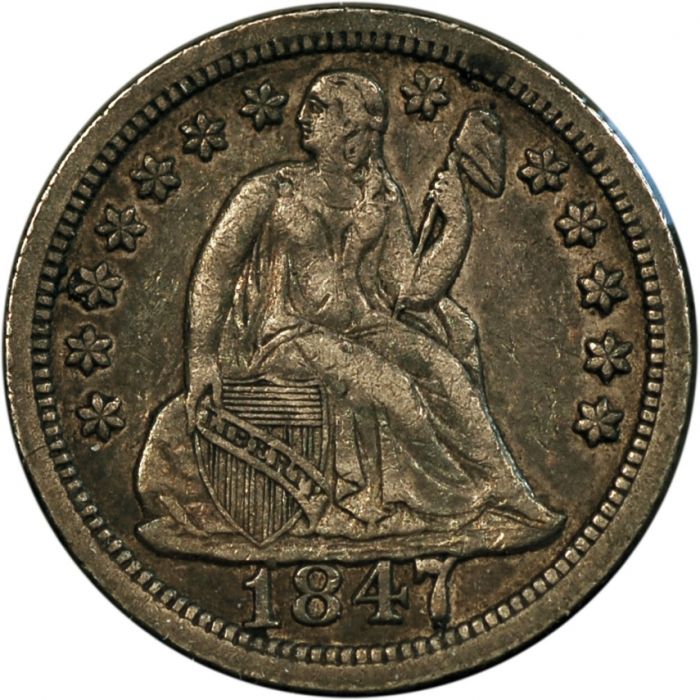 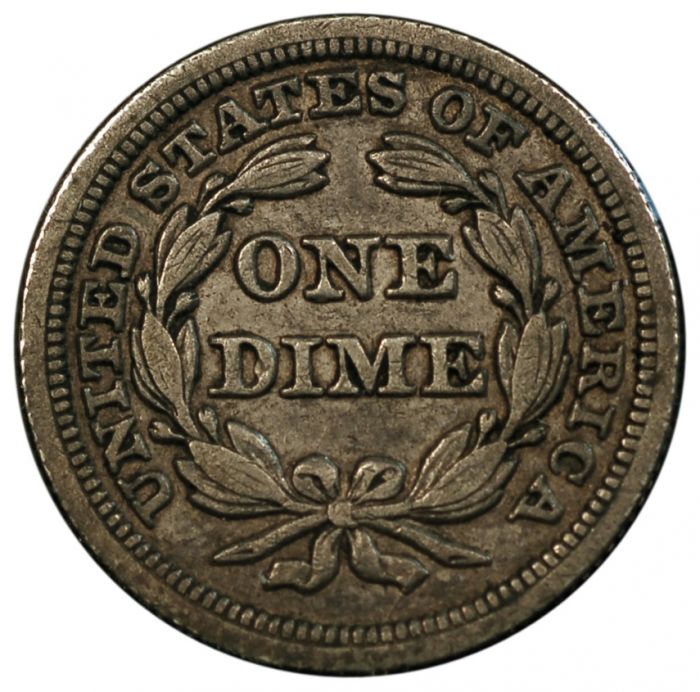 Now as you move into lower graded circulated silver, and you will for some coins unless you've got $12,000 for an AU50 versus $1,200 for a VF20, you've got to know what true worn wholly original surfaces look like on the high points versus something that has been cleaned: 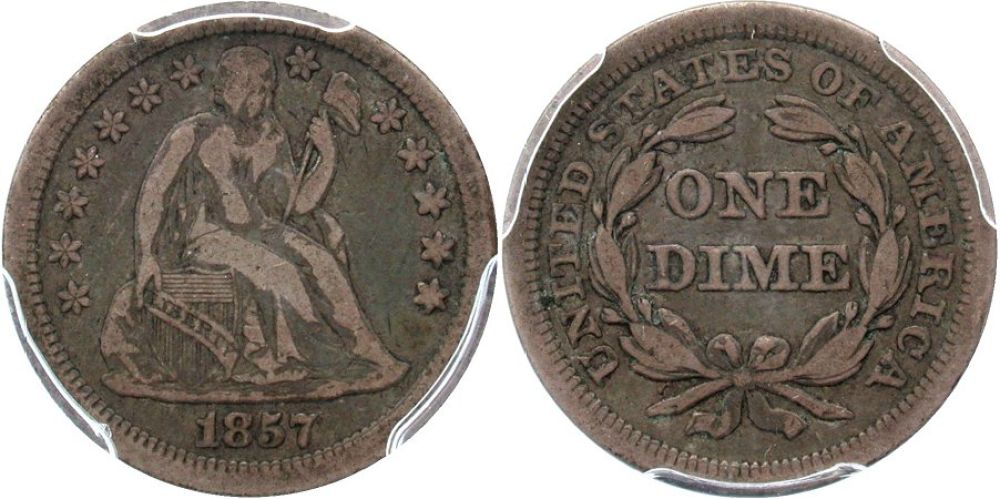 You'll have to handle hundreds of coins at the least to develop the ability to note the subtle differences. It cannot be just by pictures online. Get out to a local coin shop or two and attend some shows. You'll get there. Enjoy the journey. |
|
Pillar of the Community
 United States
3479 Posts |
Dsfreeworld, once again, hats off too you, sir. This is the best explanation with visuals that I've read. My valuable takeaway (and please correct me if I'm wrong) is that I need to compare the color contrast on the high points of the coin to the background(fields?)and because the high points have been stripped of their original layer, they will most likely appear to be unusually shiny when compared to the background.
|
|
Pillar of the Community
United States
6370 Posts |
All of those dimes are original. The first one has a look called "circulation cameo" caused by the patina of the devices (high points) being wiped off during circulation. Keep in mind that this coin was made in Philadelphia, and likely circulated in the Northeast where the US industrial revolution was taking place. These factories produced a very sulfur-rich environment, which caused a coin to tone very quickly. Sitting for a month would put a substantial patina on it, compared to today. When the coin would be circulated again, the patina on the high points would be wiped off by friction with the fingers, while leaving patina in the harder-to-reach fields mostly untouched. Thus, the patina in the fields would always be thicker, and thus darker, than the patina on the devices.
@MikeF: PM me and I will send you a powerpoint for a presentation I made on detecting cleaned coins. In a few days I will make a thread that will explain how to detect cleaned/dipped coins.
Edited by TypeCoin971793
12/01/2016 09:20 am
|
|
Pillar of the Community
United States
3479 Posts |
@typecoin, PM sent. I'm not sure if it went through. I might be restricted due to my 'new member' status.
|
|
Pillar of the Community
United States
7390 Posts |
Proof surfaces scuff up easy so impaired proofs that have circulated tend to have the look of a cleaned business strike
|
|
Pillar of the Community
United States
3234 Posts |
I must admit that I wouldn't have recognized the difference between the 2 coins as DSFreeWorld pointed out and I've been involved with coins for nearly my entire life. It just shows, there's always something to learn!
So, is the main subtlety here that the worn surfaces also show signs of toning? Or is the color the dead giveaway?
|
|
Pillar of the Community
United States
6370 Posts |
Quote:
@typecoin, PM sent. I'm not sure if it went through. I might be restricted due to my 'new member' status. Got it. Will reply shortly. Quote:
I must admit that I wouldn't have recognized the difference between the 2 coins as DSFreeWorld pointed out and I've been involved with coins for nearly my entire life. It just shows, there's always something to learn!
So, is the main subtlety here that the worn surfaces also show signs of toning? Or is the color the dead giveaway? IMO, none of the coins he posted are cleaned. |
|
Rest in Peace
United States
17900 Posts |
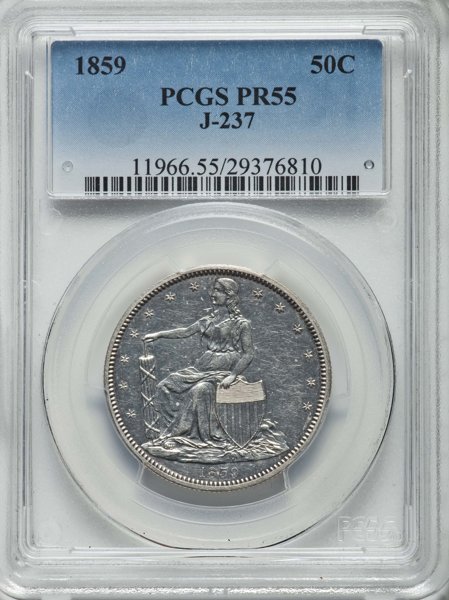
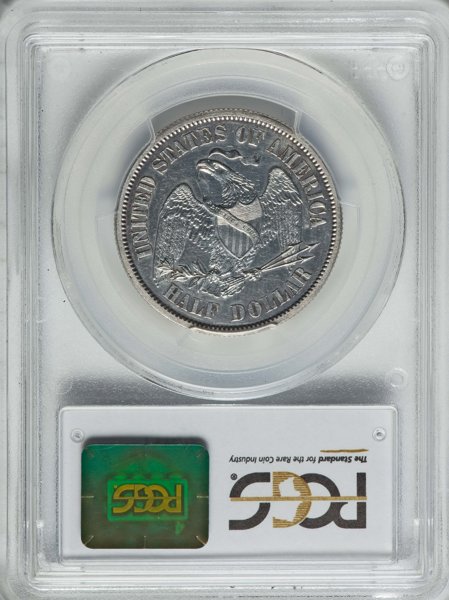
A circulated pattern is probably not the best coin to use to try to learn about cleaned coins. I realize that you probably chose it because it is bright silver with no indication of it having been cleaned according to PCGS, which would certainly merit an inquiry. The best way to learn grading and if a coin is cleaned, or not, is by focusing on a type first and learning other types after you've had some experience with one type. You will soon find that what you learn from studying Buffalo nickels will carry over to your interest in Indian Head cents, and will allow you to make better estimates of grade (or cleaning) on types you've never even handled before. If you want to learn grading, go get a bunch of Jefferson nickels, which are most likely to have coins that have been in circulation for a good long time. Take each nickel and put it in a horizontal row with the worst grades on the left and the best grades on the right. Look over what you've done as you continue to go through the nickels and move them from pile to pile as you need. Once you've done this with a fair number, you will start to be able to get a good idea of the "grade" with just a glance. Once you've learned Jefferson's you can begin to use that same knowledge on just about any coin from any country. Even types you've never seen before. That doesn't mean you will be an expert on every coin type, but it does give you the first steps toward a true understanding of how circulation, or lack thereof, affects the placement of a coin along the horizontal line from worst to best. |
|
Pillar of the Community
United States
3234 Posts |
TypeCoin, I would have always assumed that the top coin was original also, as you implied. However, maybe he has a point and it was cleaned at some distant point in time that that coloration is an indicator of that. Or....perhaps not.
|
|
Pillar of the Community
United States
6370 Posts |
I made a rebuttal in a following post explaining how the color could naturally occur. Quote:
All of those dimes are original. The first one has a look called "circulation cameo" caused by the patina of the devices (high points) being wiped off during circulation. Keep in mind that this coin was made in Philadelphia, and likely circulated in the Northeast where the US industrial revolution was taking place. These factories produced a very sulfur-rich environment, which caused a coin to tone very quickly. Sitting for a month would put a substantial patina on it, compared to today. When the coin would be circulated again, the patina on the high points would be wiped off by friction with the fingers, while leaving patina in the harder-to-reach fields mostly untouched. Thus, the patina in the fields would always be thicker, and thus darker, than the patina on the devices. Edited by TypeCoin971793
12/01/2016 4:22 pm
|
|
Bedrock of the Community
United States
94367 Posts |
Must agree with TypeCoin that none of the dimes appears cleaned.
|
|
Pillar of the Community
United States
4337 Posts |
what I am trying to point out to the OP are the differences between original unmolested surfaces and those that have been compromised to some degree. The first dime is absolutely cleaned. If you don't want to take my word for it, PM me and I will send you private and personal correspondence between myself and a Hall Of Fame Numismatist who happens to specialize in the series and we're discussing this exact dime a few years back. Both 1847 dimes are EF. Both are from the Philly mint. Here is a better example of what "cameo" circulated looks like and the effect of fingers rubbing the high points in any part of the world: Note the reliefs of this coin versus the cleaned 1847. Yes it contrasts compared to the mirror but notice how it doesn't POP, its much more subtle. It was truly rubbed by fingers versus a rag/cloth wiping away at it. that is the difference. Hence, cleaned versus circulated. 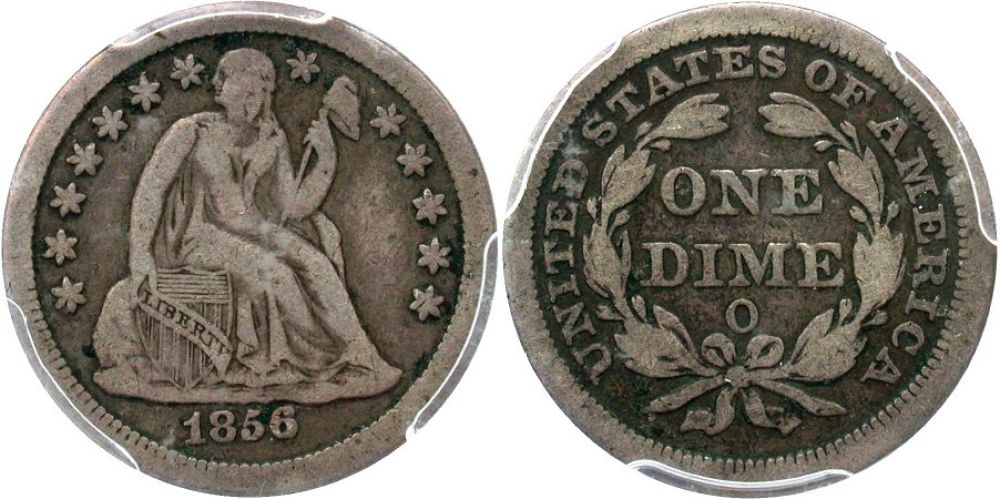 |
|
Rest in Peace
United States
17900 Posts |
Trying to learn some of this, even with good photos, is darned hard to do. In-hand assignments always trumps photos, in my opinion.
|
|
Pillar of the Community
United States
6370 Posts |
Quote:
what I am trying to point out to the OP are the differences between original unmolested surfaces and those that have been compromised to some degree.
The first dime is absolutely cleaned. If you don't want to take my word for it, PM me and I will send you private and personal correspondence between myself and a Hall Of Fame Numismatist who happens to specialize in the series and we're discussing this exact dime a few years back.
Both 1847 dimes are EF. Both are from the Philly mint.
Here is a better example of what "cameo" circulated looks like and the effect of fingers rubbing the high points in any part of the world:
Note the reliefs of this coin versus the cleaned 1847. Yes it contrasts compared to the mirror but notice how it doesn't POP, its much more subtle. It was truly rubbed by fingers versus a rag/cloth wiping away at it. that is the difference. Hence, cleaned versus circulated.
I see what you mean. But how do you know that it wasn't someone rubbing their thumb over the devices to make them stand out more? How is it different? I have used my thumb for the same reason and got the same results. You can see before and after pictures here: http://goccf.com/t/262875#2234344 |
|
Pillar of the Community
United States
4337 Posts |
Quote:
But how do you know that it wasn't someone rubbing their thumb over the devices to make them stand out more? How is it different? Excellent thought and question. Here's my POV on this, intentional versus consequence of circumstance. The latter of course being unintentional as it would just be everyday "wear and tear" as part of circulation while the intentional cleaning is just that, an intentional cleaning. I hold however that the first 1847 was more than just thumbed. We can still observe the difference 140 years in the making and appreciate the one(s) that were not rubbed just a bit more and perhaps consider those to be a more desirable example to an advanced collector. In the end, no coin is a  and all coins deserve love  |
| |
Replies: 17 / Views: 3,327 |












 Posted 12/01/2016 09:06 am


