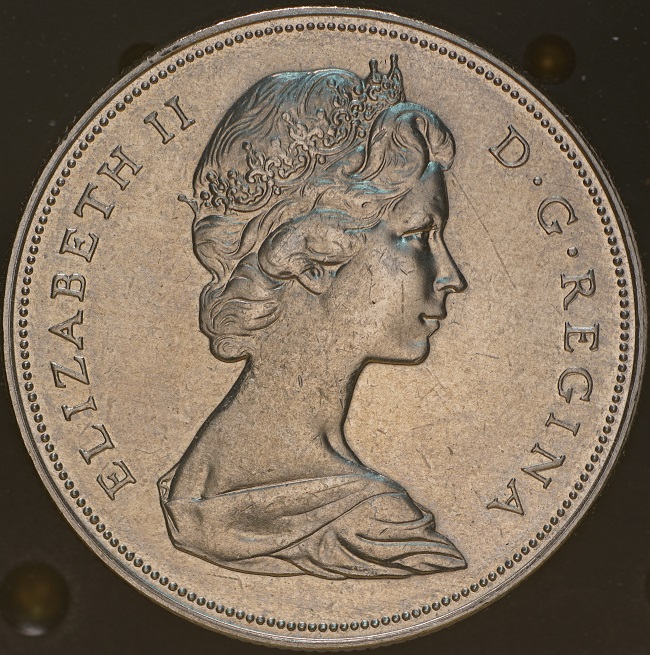
Has any one had any experience of this? For editing in raw I use Phase ones Capture 9 pro( for Sony) I am still learning about raw editing and Capture one are now offering a reduced price for an upgrade to Capture Pro 10. I am unsure as to how useful such a facility would be, has any one used a similar product? If so how did it work for you?
Edit: Here is the mini tutorial that informs of the new diffraction correction feature.
Quote: First Question: Do you indeed have a diffraction problem? No use going to the upgrade expense if you don't.
Good point.... I don't generally have a diffraction problem, as I usually use an F stop below the DLA (F6-F8)and stack, when necessary. If software is an effective alternative then I could use an F stop above the DLA and not stack.
If this technique really works, it would be useful when using a hi-powered microscope objective, since those are often diffraction limited. If this software could double the resolution, a 20x/0.42 objective with acceptable working distance would resolve like a 20x/0.84, which (if any exist) would likely have a unacceptable working distance for coins.
I wonder how much better the resolution is with this software?
You can't actually correct diffraction, it is a limitation of physics. But diffraction affects the image differently from other unsharpening mechanisms, and I suppose they have figured out an algorithm that improves the sharpness of an image that is primarily affected by diffraction vs other mechanisms. There won't be more information in the image but perhaps it will look better/sharper.
Contact me for photographic equipment or visit my home page at: http://macrocoins.com
Quote: I wonder how much better the resolution is with this software?
As most of you know: Phase one is a medium format Camera company and the Capture software is their flag ship raw editing program. They are the people who produce the 100mp back IQ-1. The capture application is described as intuitive, but I haven't found it so. Despite that, with my basic experience, I love the results it produces in the 9 version. However I have nothing to compare to ( I haven't used LR). As for how sharp it is in the new version I also would love to know.
Quote: You can't actually correct diffraction, it is a limitation of physics.
May be its a matter of semantics, perhaps compensation might be a better word. As a limitation of physics I would have thought its effect on images would be predictable, and with the correct algorithms the effects of diffraction could be "reversed" ( note the inverted commas).
I know that since 2014, possibly earlier, some brands of Micro four thirds cameras have built in diffraction compensation software. With the pixel packing on those small MFT sensors, diffraction is an issue in normal photography ( let alone macro) All I would like to know is how well it works.... which is just repeating the question how sharp can it make the pictures?
Edit: I should note for anyone unfamiliar with this phase one software it works best on a 64 bit system( I don't think it works on 32 bit OS )
Quote: May be its a matter of semantics, perhaps compensation might be a better word. As a limitation of physics I would have thought its effect on images would be predictable, and with the correct algorithms the effects of diffraction could be "reversed" ( note the inverted commas).
No, can't be reversed. Diffraction causes permanent loss of information by spreading data from one pixel around to the adjacent pixels. Some compensation can be performed to improve the appearance of a diffraction-softened image using sharpening algorithms, but the data loss is permanent.
Contact me for photographic equipment or visit my home page at: http://macrocoins.com
rmpsrmps you are absolutely exacerbating READ what I wrote... What in the world do you think the inverted commas are for?... I even pointed out I used inverted commas: it was not a quote but rather an indication of a very loosely used word... Stop being so pedantic and read the meaning AND STOP looking for fault. Even if my punctuation was unusual( for you) the very context of what I wrote makes it clear I was being loose with the term...IT looks like you just want to pick another fight, particularly so, as your past behavior was the reason I made sure I used the inverted comas on this occasion. You are truely an "expert"
It was a huge mistake asking this question here! It won't be made again.
Edit: Just to make it clear I was using the inverted commas as scare quote marks. Meaning I was using them to distance myself from an inaccurately used word. Formal definition:
Sheesh, it always ends up being a personal battle with you. Why can't you just stick with the facts? I don't want to pick fights at all AK, just want to stick with the facts.
Contact me for photographic equipment or visit my home page at: http://macrocoins.com
diffraction is that caused by the lens or is that a result of the sensor. possibly is this a combination of both. this is new to me. but I would like to understand it.
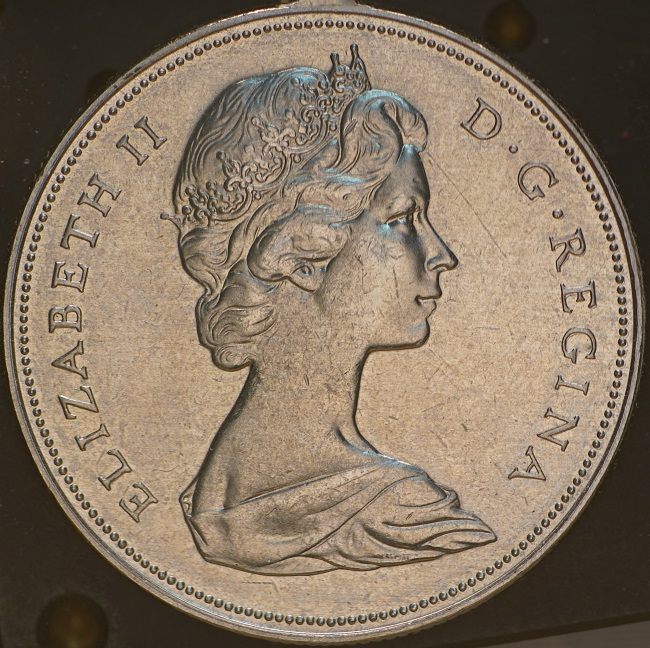
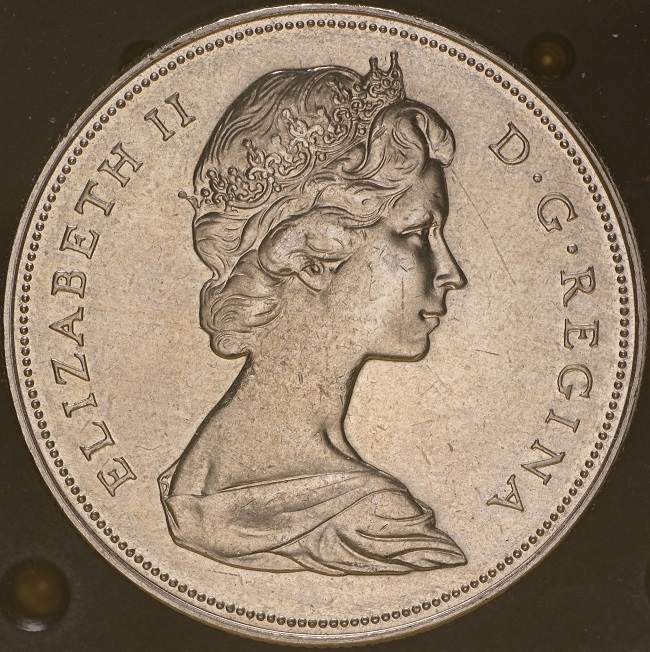
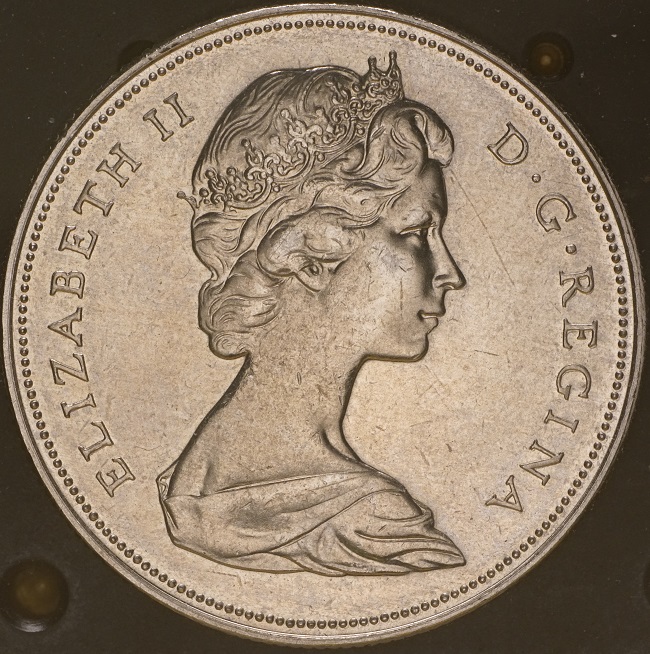
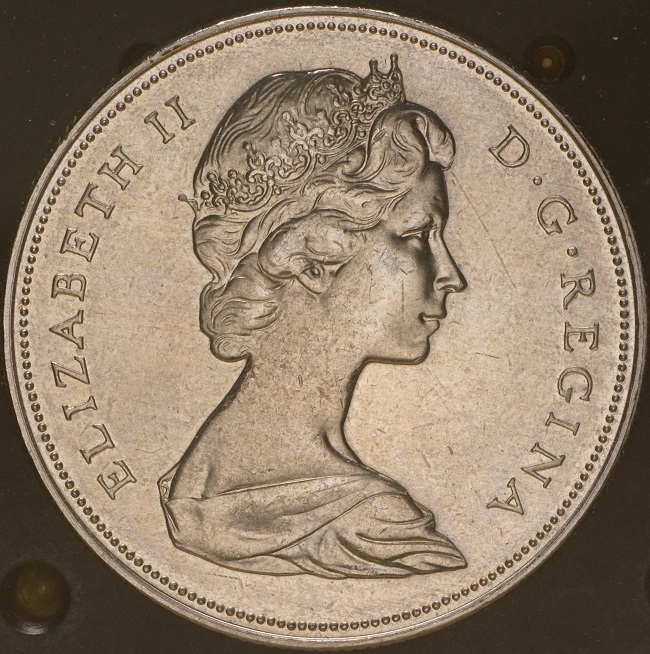
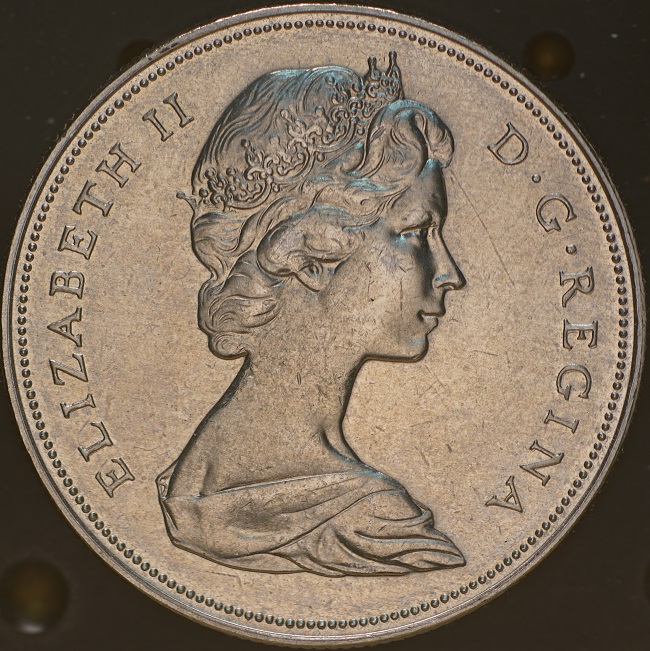
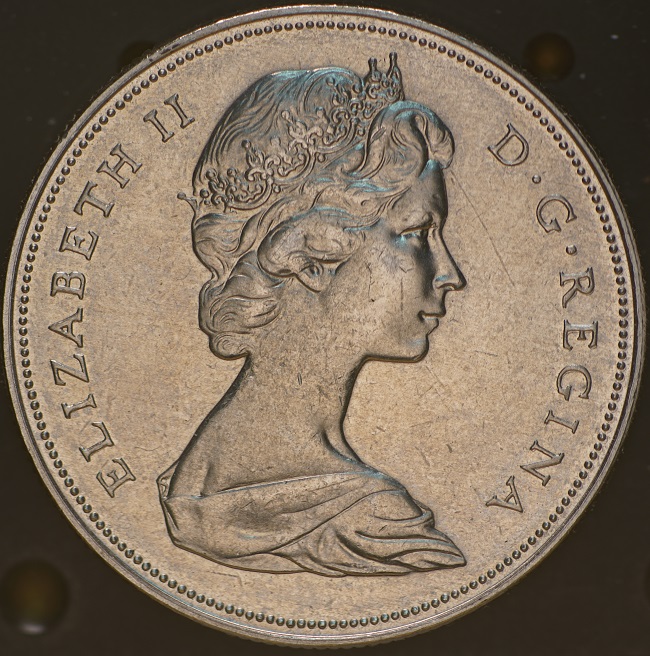
after doing some research on diffraction. thought I would do a test. I used a 100mm F 2/8 macro lens. started the test at f.8 first photo is F 8 second photo is at F 11 third photo is at F 16 the fourth and final photo is at F 22 same light. here are the results
here is a statement by Cambridge . Diffraction-Limited Imaging
If an image is made through a small aperture, there is a point at which the resolution of the image is limited by the aperture diffraction. As a matter of general practice in photographic optics, the use of a smaller aperture (larger f-number) will give greater depth of field and a generally sharper image. But if the aperture is made too small, the effects of the diffraction will be large enough to begin to reduce that sharpness, and you have reached the point of diffraction-limited imaging.
If you are imaging two points of light, then the smallest separation at which you could discern that there are two could reasonably be used as the limit of resolution of the imaging process. Presuming that diffraction is the determining factor, then the generally accepted criterion for the minimum resolvable detail is the Rayleigh criterion.
This shows the intensity curves for the radial distribution of the diffracted light for different separations. Your eye sees the characteristic bullseye distribution of light as illustrated below.
While perfect imaging of the source would be smaller perfect circles of light, this shows the smearing of the light by diffraction into the bullseye patterns.
For modern digital photography where the images are projected onto a CCD, the information is collected on pixels of the digital detector. At left is an attempt to show the effect of diffraction on such imaging in cases where the diffraction is the phenomenon that limits the resolution. If the image is in focus and free of visible affects of lens aberrations, then it may be that it will fit on one pixel. But if the aperture is small enough, then diffraction can spread the image onto neighboring pixels and constitute the limit on the resolution of the image.
like that andy good read. I thought I would try this lens in the other direction. this lens is a very good performer. first photo is at F 5.6. the second photo is at F 4. the third photo is at F 2.8.
I know that this is an old thread, but one other thing to consider when dealing with diffraction limitation would be the anti-aliasing filter used in almost all digital cameras. Since the effect of diffraction is a slight spreading of the light, then compounding it with an anti-aliasing filter would seem to intensify and effectively increase the diffraction limitation of the aperture. So say a lens and camera body who's aperture setting at which the diffraction limitation is approximately f16, could it be closer to f22 if the anti-aliasing filter is removed? I know the effect of the anti-aliasing filter is minimal and is designed to help prevent moire in very high detail subjects as well as prevent stair stepping when a straight edge is at an angle. But the effects of diffraction are fairly small as well.
Disclaimer: While a tremendous amount of effort goes into ensuring the accuracy of the information contained in this site, Coin Community assumes no liability for errors. Copyright 2005 - 2026 Coin Community Family- all rights reserved worldwide. Use of any images or content on this website without prior written permission of Coin Community or the original lender is strictly prohibited. Contact Us | Advertise Here | Privacy Policy / Terms of Use










 Posted 12/14/2016 09:57 am