| Author |
 Replies: 9 / Views: 1,317 Replies: 9 / Views: 1,317 |
|
|
New Member
Libya
3 Posts |
Hello.. This coin is new in my coins collection and I don't know what is it .. I don't know much about Roman coins.. can anyone one tell me it's value? 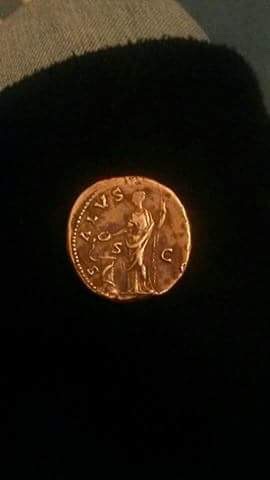 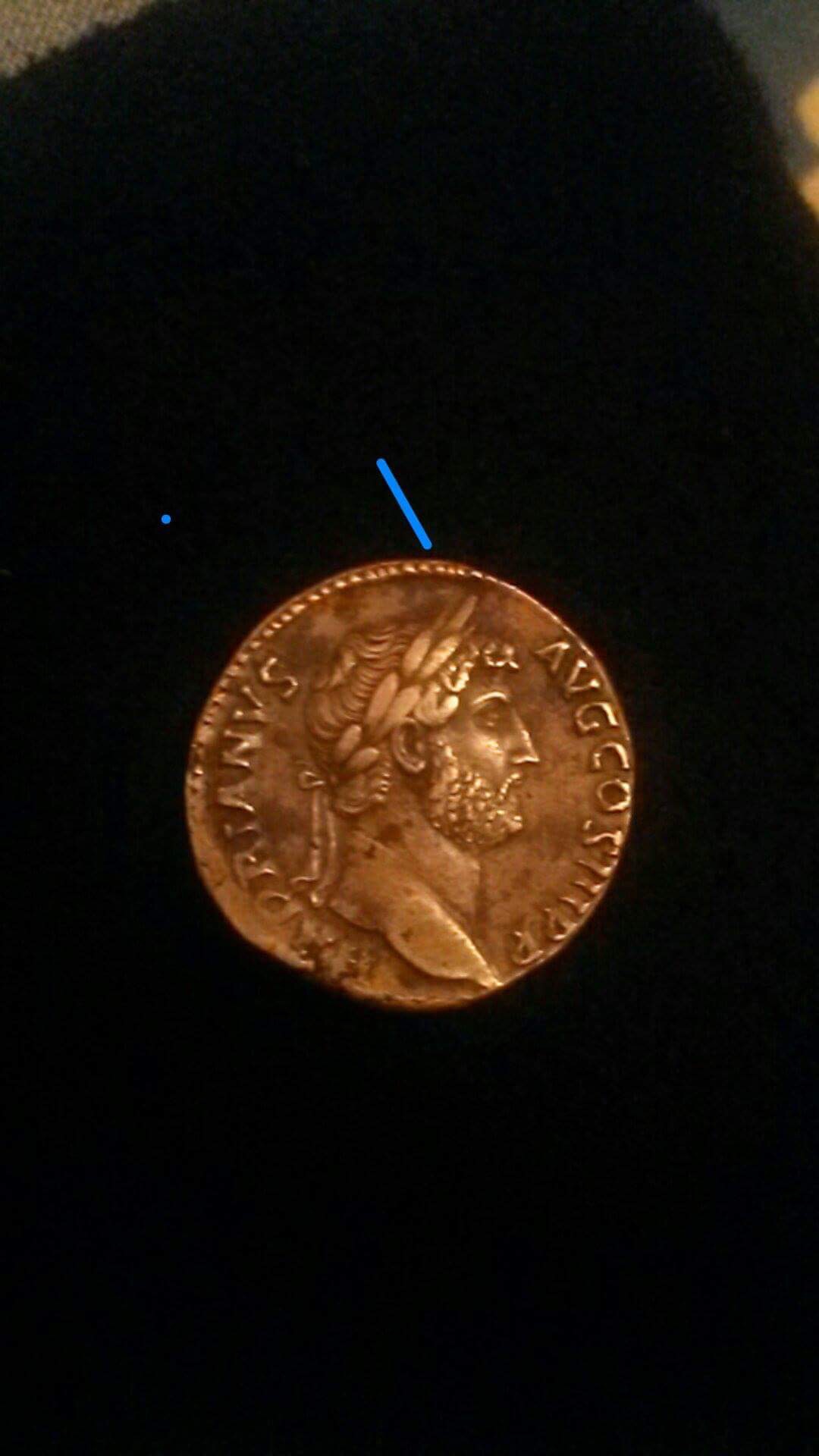 |
|
|
|
Pillar of the Community
United States
6130 Posts |
Appears to be an as of the emperor Hadrian, reverse depicts Salus feeding a serpent rising out of an altar.
I hate to say it, but I am pretty sure yours is a replica. Yours does not seem to have a patina at all, which is the natural brown or green oxidized coating that happens when a bronze coin soaks up minerals from the soil for 1800 years.
In addition, there is no environmental damage or wear whatsoever. A genuine example in such pristine condition would be incredibly rare and thus valuable.
|
|
New Member
 Libya
3 Posts |
I don't think it's replica because a friend of mine actually found it in Libya .. it looks like there's no environmental damage maybe he tried clean it?
|
|
Pillar of the Community
United States
949 Posts |
What is the metal for your coin; bronze or silver? What is its diameter in millimeters? What is its weight in grams?
To me it looks like silver in tungsten light without proper white balancing.
If silver the obverse dates the coin to the last years of Hadrian's reign; 134-138AD.
If the coin is silver the presence of the "S C" on the reverse is a problem. The senatus consulto was rarely applied to silver coins, but neither the BMC catalog nor the Seaby RSC recognizes the reverse you are showing for Salus. In this field, irregular can mean rare, but more often it means fantasy item.
What is it about the findspot that makes you think this coin is authentic? For example, was it buried or was it found on the surface? May it have been lost or put there in modern times? Does/Did the area get a lot of tourist traffic in the last 150 years?
Edited by lrbguy
12/28/2016 12:24 pm
|
|
Moderator
 United States
23731 Posts |
 to the community My first impression also was that it isn't genuine. The lack of patina is a bit of a red flag for me. I see no signs of any cleaning being done. Before we condemn the coin, we will need to know the metal type, size, and weight as Irbguy said. |
|
Pillar of the Community
United States
677 Posts |
There is another option for this coin's provenance. First I must say I mean no offense to zazaz nor his friend. But when he said his friend found it in Libya, it immediately sent up a red flag for me. http://www.cnn.com/2011/11/11/world...a/index.html |
|
Pillar of the Community
United States
6130 Posts |
Found it: http://www.wildwinds.com/coins/sear5/s3642.t.htmlMy concerns still stand; I would expect this coin to show a patina, especially if it was recovered from the ground by itself. Just because it was found does not mean a tourist didn't drop it there as a prank. |
|
New Member
Libya
3 Posts |
Thank you, Finn235
Schmidty, your flag is false.. you just rising the red flag and accusing me of looting just because am from Libya.
What if I'm from the U.K would that another option still be available?
|
|
Pillar of the Community
United States
677 Posts |
zazaz,
I repeat: no offense intended to either you or your friend. All I am saying is that due to recent events in Libya, saying it was found in Libya made me think twice. I think it's a valid concern. And you still have not given any details about where it came from. Was it found in the ground, or was it bought at a sale?
To answer your question, I don't care where you were born or where you live. If you say the coin came from Libya, and it appears to be a museum quality coin, it's worth asking questions about where it came from.
|
|
Moderator
United States
23731 Posts |
Here we go again. No one is accusing you of anything, so don't get offended so fast. We are here to try and help confirm if your coin is real or not. Sadly there have been a lot of fake coins coming out of the Middle East, China, and Eastern Europe. So we tend to be a bit more cautious about coins from these areas. It has no bearing on you.
|
| |
Replies: 9 / Views: 1,317 |
|







 Posted 12/28/2016 11:03 am





