First Page
 Previous Page


 Posted 02/19/2018 3:52 pm


@Spence
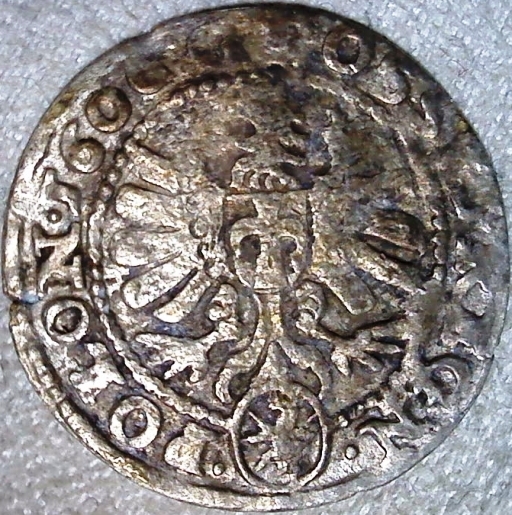
I did some homework myself; on http://www.coinshome.net the following information is written about the tragic Johan Ernst and his 7 brothers.
So it appears 1610 was still a good period compared to what would follow.
"In 1620 Johann Ernst served under Frederick V, Elector Palatine, the famous Winter King. After his defeat in the Battle of White Mountain on 8 November 1620, the duke refused to submit to the Emperor without conditions. As a punishment, he lost his estates and the guardianship of his brothers.
Now fully against the Habsburgs, he fought in the Netherlands and performed duties as a ride master. Later, he took a commission as a Danish lieutenant general of the cavalry and fought in the Thirty Years' War in Westphalia and Lower Saxony. As such he participated in the conquest of the Schlesiens. Afterwards he went to fight for Count Peter Ernst II of Mansfeld for one of his estates in Hungary. There Johann Ernst died, at the age of 32 years, in the Hungarian location of Sankt Martin, as a result of war wounds."
I did some homework myself; on http://www.coinshome.net the following information is written about the tragic Johan Ernst and his 7 brothers.
So it appears 1610 was still a good period compared to what would follow.
"In 1620 Johann Ernst served under Frederick V, Elector Palatine, the famous Winter King. After his defeat in the Battle of White Mountain on 8 November 1620, the duke refused to submit to the Emperor without conditions. As a punishment, he lost his estates and the guardianship of his brothers.
Now fully against the Habsburgs, he fought in the Netherlands and performed duties as a ride master. Later, he took a commission as a Danish lieutenant general of the cavalry and fought in the Thirty Years' War in Westphalia and Lower Saxony. As such he participated in the conquest of the Schlesiens. Afterwards he went to fight for Count Peter Ernst II of Mansfeld for one of his estates in Hungary. There Johann Ernst died, at the age of 32 years, in the Hungarian location of Sankt Martin, as a result of war wounds."