From a mineralogy point of view, copper has a Mohs hardness of 3 and will streak copper orange-red on a porcelain streak tile, with a noticeable coppery luster.
Depending on the alloy, steel has a Mohs hardness of 4-7, and it will have a streak that is grey, greyish black, or black with metallic luster, unless the metal is extremely high in iron content, in which case the streak will be a rusty reddish brown with dull to greasy metallic luster.
In other words, a mostly-copper cent will not easily scratch a steel cent, but can be scratched by a steel cent, and a steel cent will not be easily scratched by a copper cent.
Another test you can do at home is density displacement: (approximations)
Density of a modern Zinc cent: 7.1-7.7 g/cc
Density of a 1946-1982 copper cent: 8.5-8.9 g/cc
Density of a steel cent: 7.7-8.0 g/cc
Density of common brass alloy: 8.4-8.5 g/cc
Take a coin-safe substance such as distilled water and fill a 10 ml graduated piece of glassware such as a 100ml flask or beaker to a meniscus level of, say, 50ml.
Drop in any pre-1982 non steel cent and mark the level of rise in the meniscus using a glass marker or sharpie.
Remove the coin, reset the water level to 50ml meniscus, and repeat w/a modern Zincoln, and mark the level again. It should be lower than the first mark.
If you have a steel cent available, use that as a control and mark its meniscus level as well. It should be between the first two marks.
Repeat one more time with your coin.
Observe the rested meniscus level:
If it is copper plated steel, it will be in between the copper and zinc (first and second) marks and just barely above the third (control) mark (the copper plating will add the slightest density to the steel.)
If it is pure copper, it will be slightly above the tallest mark, as it will have the highest density displacement.
If it is made of another non-magnetic ferrous alloy, such as brass, it will be just below the tallest mark or in between the tallest and middle (steel cent) marks, as brass is just slightly less dense than copper, but denser than steel.
This is non-destructive and can be easily accomplished with minimal effort and a
Three Cent investment + a 100ml beaker, albeit somewhat old school. :)







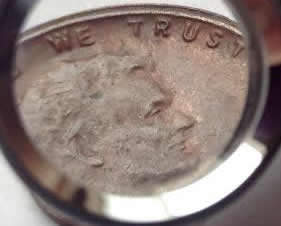
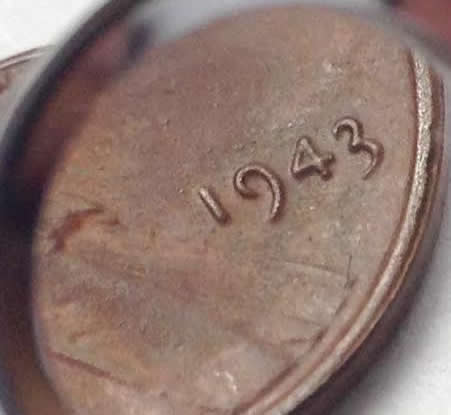
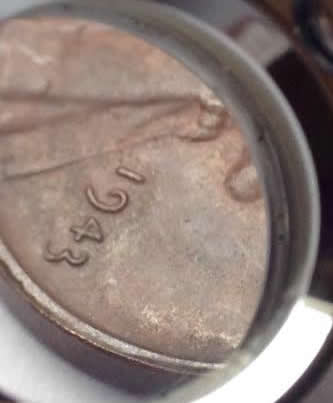

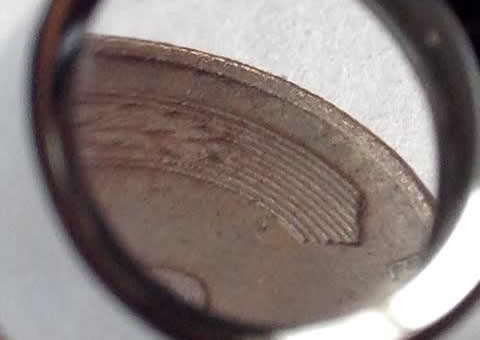


 Posted 01/14/2017 6:58 pm





