| Author |
 Replies: 11 / Views: 7,010 Replies: 11 / Views: 7,010 |
|
|
Pillar of the Community
United Kingdom
1273 Posts |
Hi all, I'm interested in this 8 Reale that is coming up at an auction. From the photos, is it possible to tell if the article is genuine? I know there are many Spanish colonial coin experts on these forums so I would love opinions. Also, why the counterstamp? Is the coin worth more than $150 ? 'portrait type with bust of George III in oval countermark; obv. CAROLUS . IV . DEI . GRATIA . 1791 around bust of Charles IIII, rev. LIMAE (monogram) I.J. HISPAN . ET IND . REX; 27.17g' 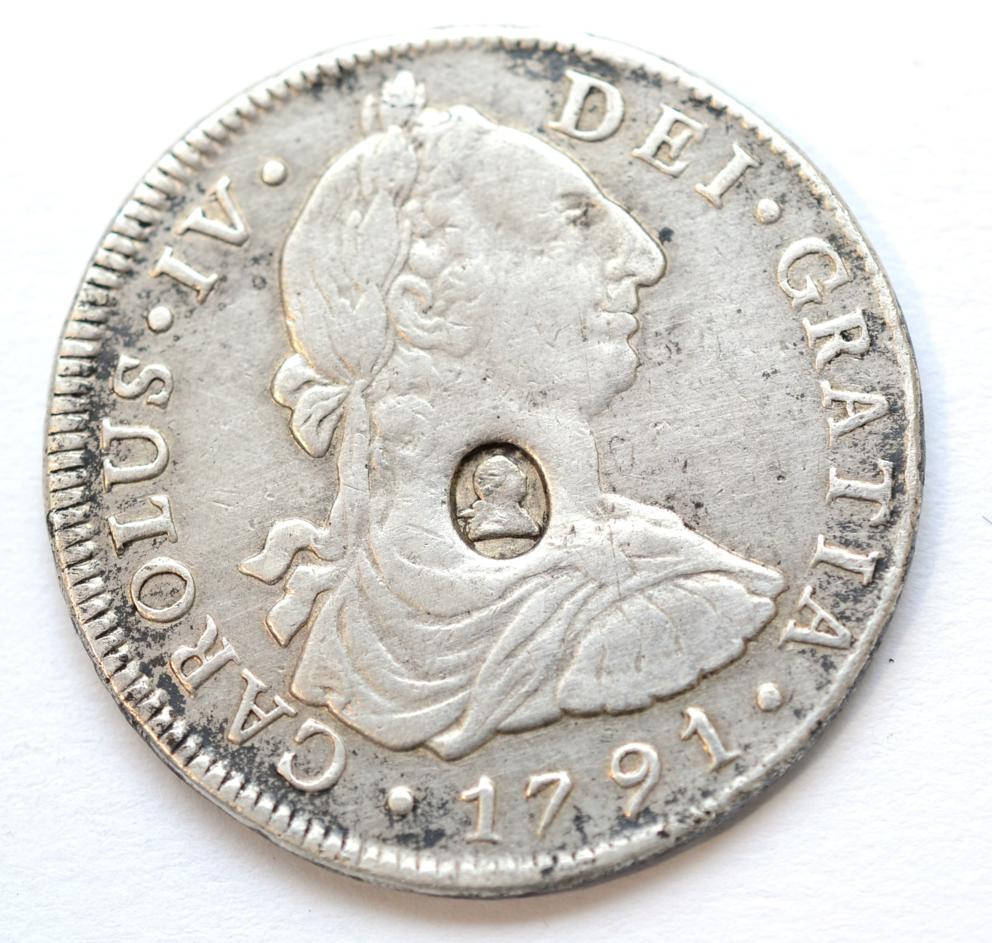 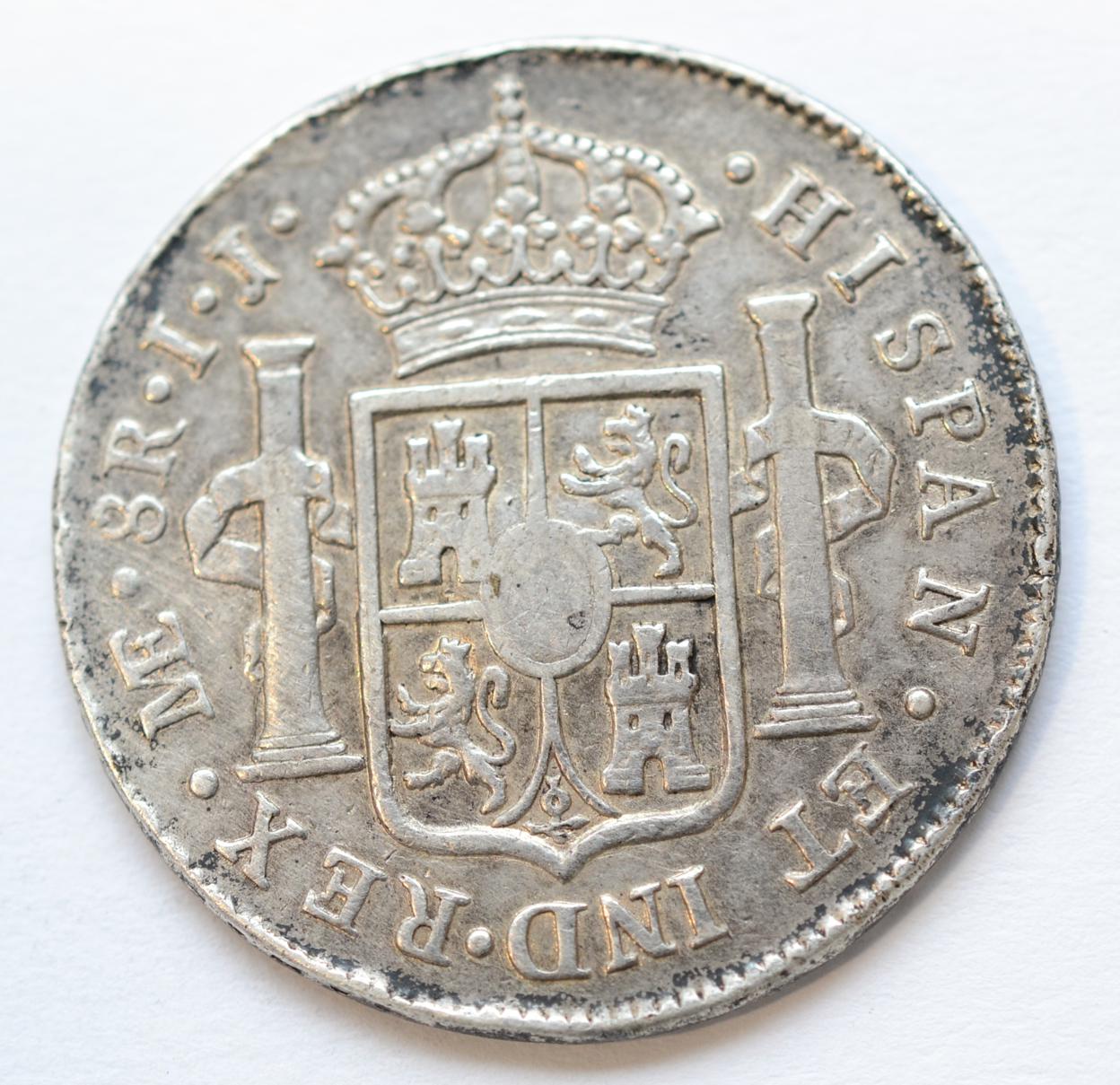 |
|
|
|
Pillar of the Community
Canada
581 Posts |
 In all seriousness, I am not entirely sure about the counterstamp, seems very well done, and a very nice reales. Hopefully someone useful will be by shortly |
|
Pillar of the Community
Canada
4911 Posts |
from my understanding, there was a shortage of imperial coinage in England so 8 reales captured by them were counter-stamped with king George III's image to make them legal tender as British crowns.
i could be wrong though, I specialize in Canadian coins and only have a bit of knowledge on other country's coins.
Feel free to call me Will.
Edited by thedollarman
04/10/2017 2:59 pm
|
|
Pillar of the Community
Canada
581 Posts |
After some research into the matter, Thedollarman is absolutely correct! Apparently there are also counterfeits of the same counterstamp http://www.coincommunity.com/articl...nterfeit.aspAsk for photos of the coins edge* or an XRF to make sure it is authentic, although the counterfeit is just as neat! Edited by Apitrix
04/10/2017 3:04 pm
|
|
Pillar of the Community
Canada
4911 Posts |
i will send a link to swamperbob, he is THE guy when it comes to this stuff.
Feel free to call me Will.
|
|
Pillar of the Community
United States
4883 Posts |
My recollection of the circumstances under which Spanish 8 Reales specie was counterstamped for circulation in Great Britain around the beginning of the 19th Century matches that already posted by thedollarman. 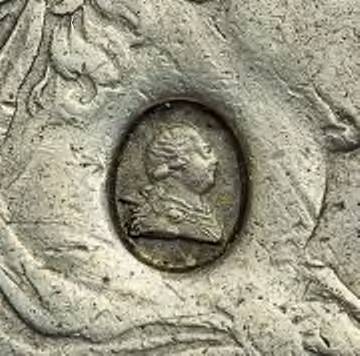 British subjects irreverently referred to this practice as putting "the head of a fool upon the neck of an ass". If genuine, the coin shown is certainly not in primo shape, and I see some possible evidence of improper cleaning. The "if" in the previous sentence is present simply because there've certainly been enough numismatic forgeries of this type (both wholly so and also just the counterstamp) documented to make me leery of purchasing such raw without an in hand examination first, and even then there's risk involved. Colligo ergo sum
|
|
Pillar of the Community
United States
5362 Posts |
TogyJ In general what you have heard is correct. These coins were emergency issues of the Bank of England.
The stamp applied to the 8 Reales was a method used by England to re-value the coin above the melt value of the silver content. This was necessary because silver was being hoarded due to a wartime shortage.
In England coinage had been in short supply for many years and clipped "underweight" and worn coinage was all that was generally available for commerce. New coins when minted by the government were immediately hoarded for their silver content. So when England declared war on Spain in 1796 (when Spain concluded a treaty with Napoleon), it made the pre-existing shortage much worse. Merchants had already resorted to making their own penny and half penny coins of copper during the 1790s before the war.
The expedient of stamping the small oval on Spanish Dollars did not work well because the stamp was too easily copied. In addition the stamp used to mark coins was a Tax stamp that was already in existence so unscrupulous individuals could apply the stamp themselves and reap the added value of the coins they stamped.
The stamp was called to a Privy stamp, it was used to mark all sterling silver used in England for various commercial purposes. The Tax stamps were applied to spoons, dishes and all sterling articles to indicate the taxes had been paid. This tax stamp was even forged for debased silverware. So the first emergency issue was short lived before it was withdrawn. Theoretically it should be the scarcest of the types but in reality it is readily available.
A second issue using a larger octagonal stamp was only slightly more successful. It was not until 1804 that Matthew Boulton created the most successful emergency dollar coin by fully restriking 8Rs with full sized dies.
All of these issues were token coins because their value set by law was higher than their metal content. After Boulton's success with his 1804 dollar the Bank issued other tokens in several denominations. These remained in the monetary supply until about 1820. Numerous counterfeits of all of the various tokens are available and make a nice type collection.
The stamp applied to this coin is the correct form. The best way to know what the correct stamp looks like is to view a large number of privy stamped pieces of silver from the reign of George III. I bought a nice serving spoon for under $50 to confirm the appearance of the stamp for 1796/7. You do not need to do that (unless you are a stickler for details like I am) because the picture posted by Lucky Cuss is correct.
The tax stamp was used officially until 1820 to mark silverware (the end of the reign of George III). The stamps were also available for decades afterward. The result was that many coins were stamped after the official issues ended. That is the usual reason given for why so many of the oval examples still exist. It is impossible to determine if the stamp was officially applied or not unless the coin itself is of the wrong date or is itself a forgery.
The 1791 coin from Lima appears to be genuine and it is of appropriate age. I would reserve final judgement until the edge has been reviewed and the physical weight and density have been verified, but I see nothing wrong in the photographs. The coin appears to have some surface corrosion present so the stamp need to be examined to verify that the same corrosion is present.
The coin appears to have been cleaned but even so it should be worth more than $ 150.
|
|
Pillar of the Community
 United Kingdom
1273 Posts |
Thank you everyone for the information.
I really like the look of the coin, and I've been looking for an entry point into collecting 8 Reales for a while now. If it goes for too much then I probably won't get it. If I do manage to win the coin, I shall take some really good photos, especially of the edges.
Yes looking at the stamp actually, its the same as is on silver pieces of the time. (The hallmark, with the date letter and assay office next to it.)
How much more value, over the silver, do you think the stamp would have added, by law, at the time?
|
|
Pillar of the Community
United Kingdom
1273 Posts |
So I won the coin, very happy with it. Had to pay more than I expected (hopefully by advertising it on here I didn't end up paying more because of that.)  I've took some images of the edge of the coin as you asked. What do you think of the grade? The coin weighs 27.3 grams on my scales, but they only go to one decimal place. The auction description was 27.17 grams so I trust that judgement better. EDIT: My edge photos are not the best so I will take some better ones tomorrow. 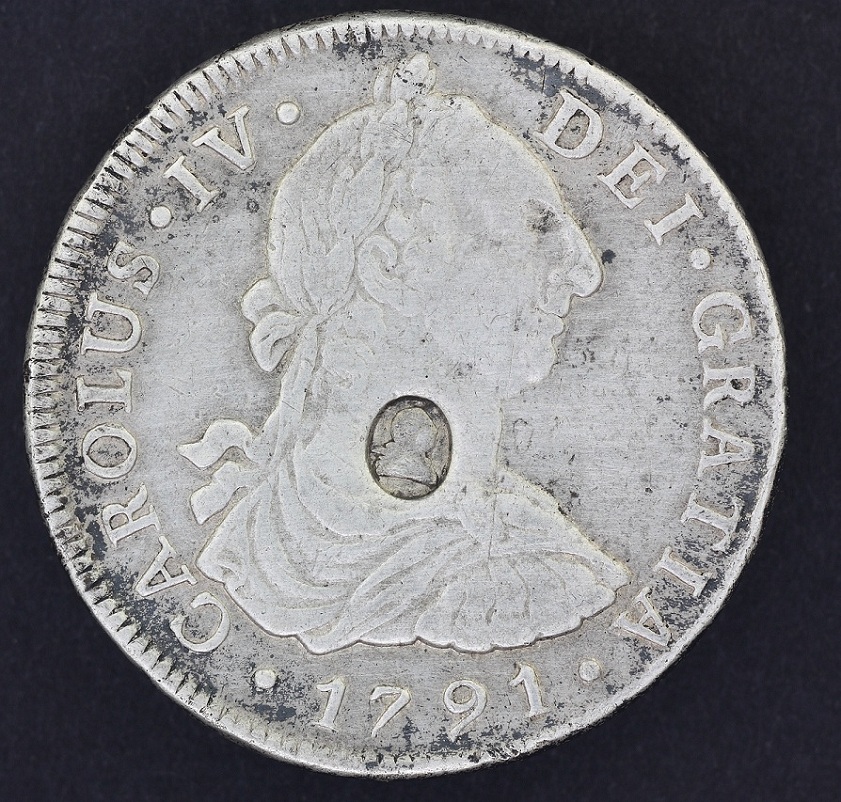 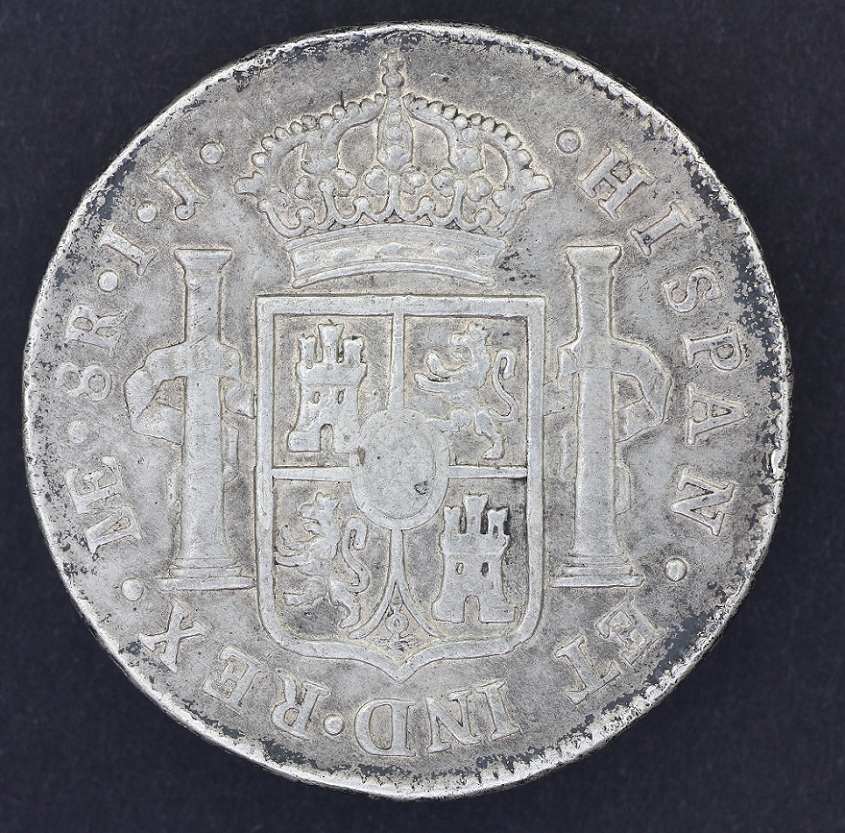 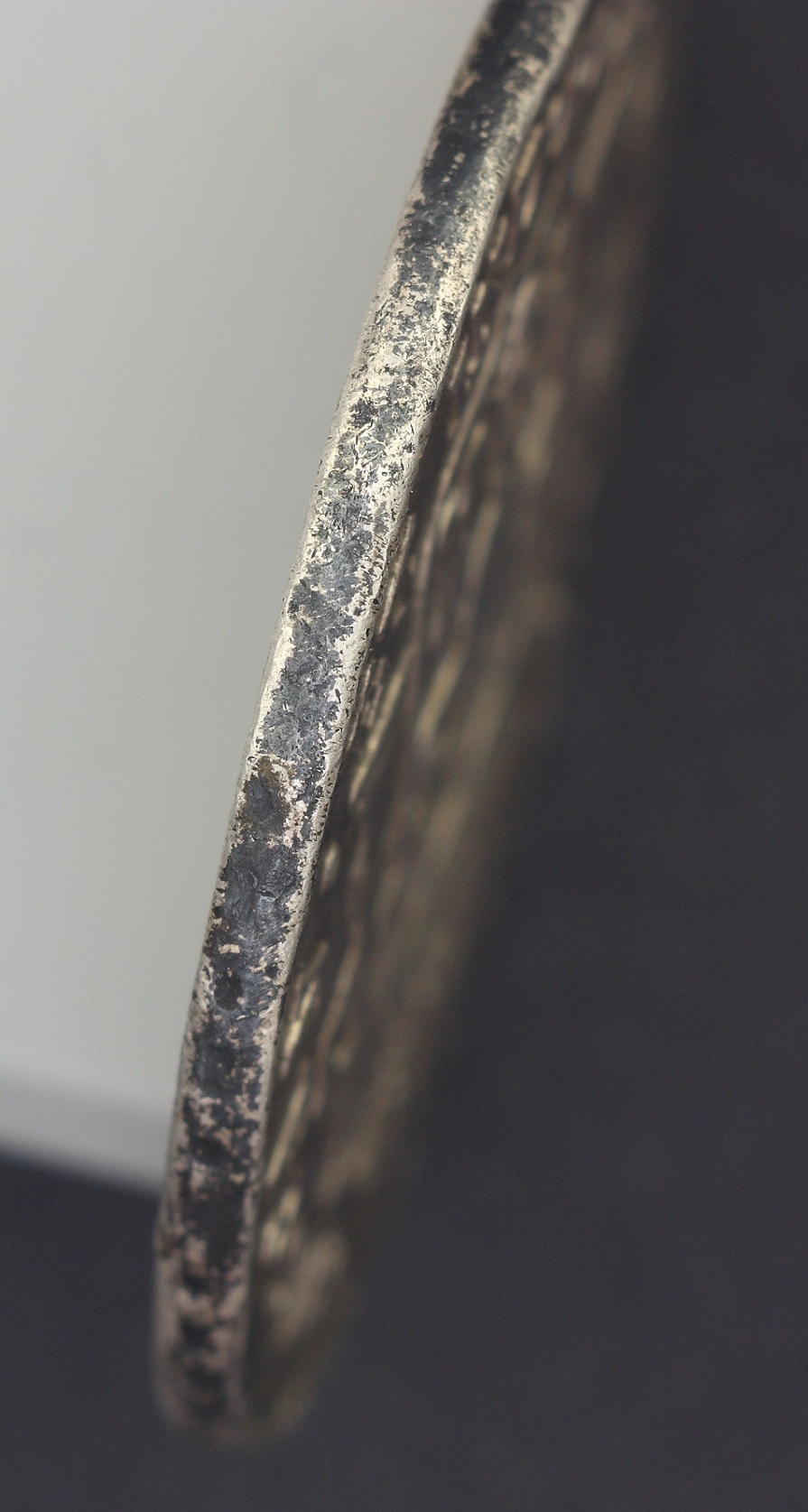 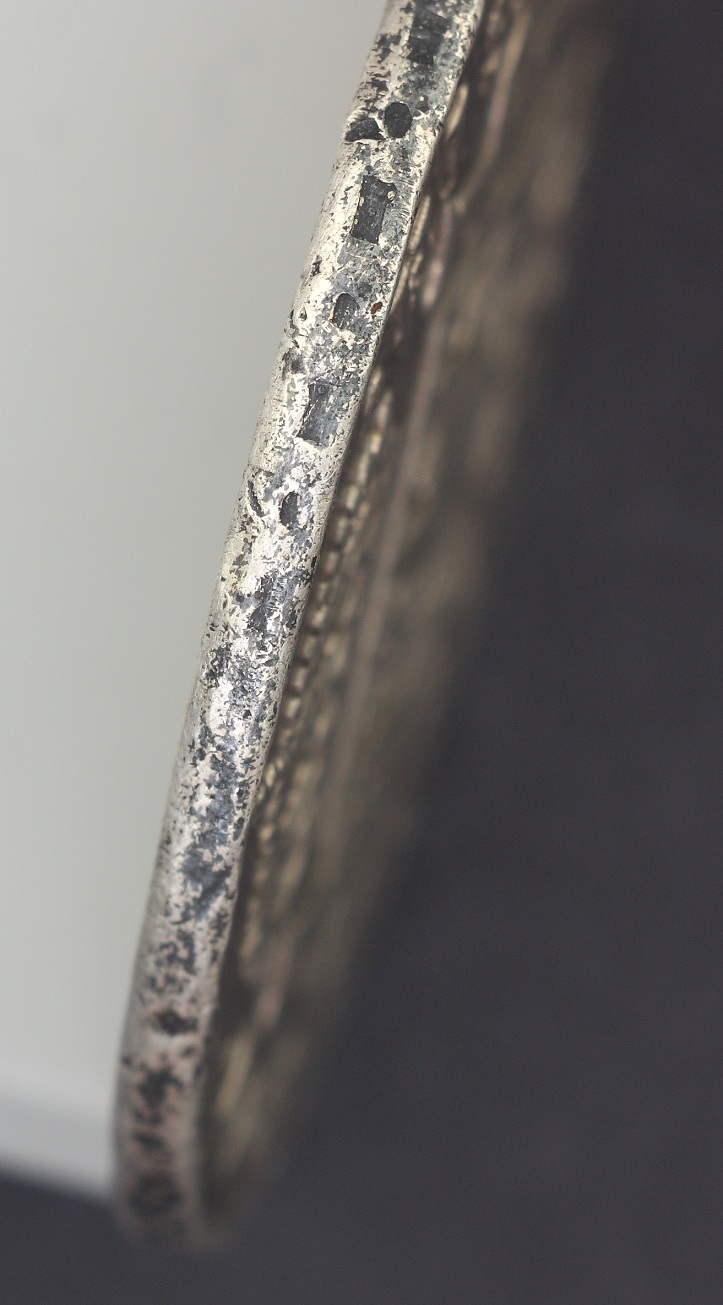 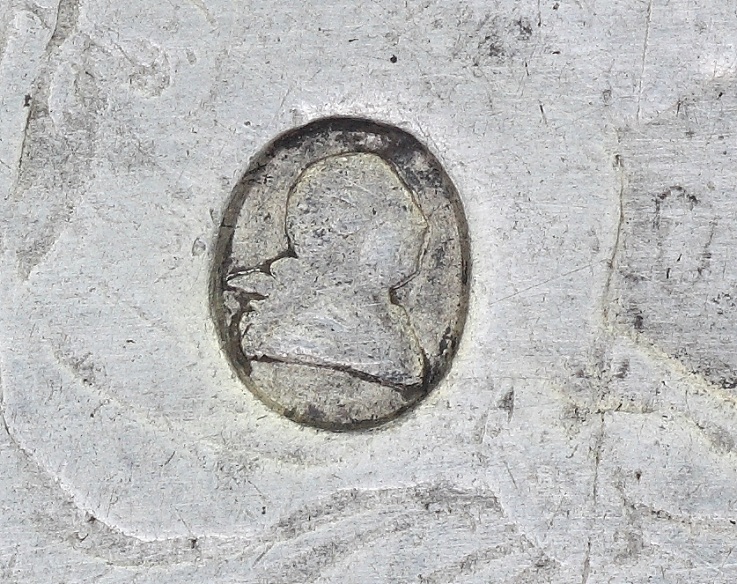 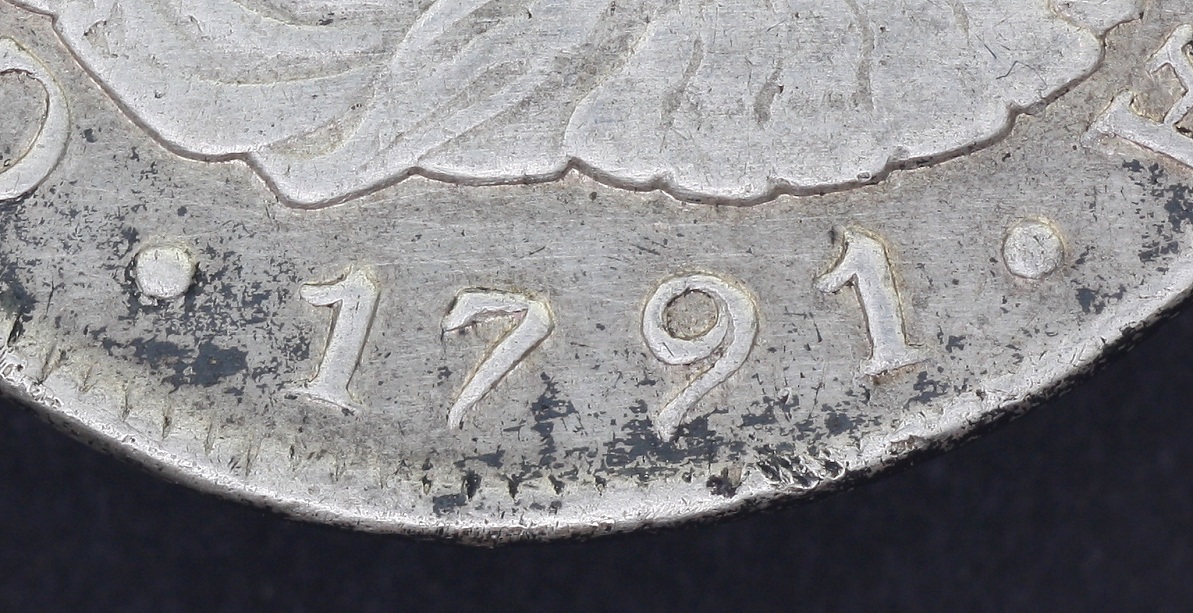 Edited by TobyJ
04/13/2017 5:23 pm
|
|
New Member
United States
1 Posts |
I don't think this is a real coin, just based on the edge device, or it is a fraud because the edge has been filed down to relieve the Spanish/British monarchies of some of their argent wealth.
|
|
Pillar of the Community
Canada
581 Posts |
I agree with the above, I believe this coin to be a contemporary counterfeit. Hopefully swamper will swing by for assurance
|
|
Pillar of the Community
United States
5362 Posts |
I had not seen the post that indicated the actual weight was under 24 grams. That is NOT correct for a coin worn by only this amount. Something happened to the coin to make it that lightweight.
There is no reason to automatically believe the coin is counterfeit. There is reason to get a very accurate weight.
At least part of the edge was removed by sanding or filing. But that rarely accounts for a weight this low.
Is there a point on the edge where a hole could have been drilled into the coin to remove silver? This hole could run side to side or only part way through. It could also be several holes drilled through one point on the edge.
|
| |
Replies: 11 / Views: 7,010 |
|









 Posted 04/10/2017 2:56 pm


