| Author |
 Replies: 6 / Views: 3,209 Replies: 6 / Views: 3,209 |
|
|
New Member
United States
34 Posts |
I came across this coin and after not being able to locate the state with this counterstamp, I realized it is the common variety but with 2 shapes stamped ON TOP OF the existing stamp. It appears to be a full lion and a figure in robes with both arms outstretched. Does anyone have any information regarding this coin? It is on an 1800 Lima 8 Reale and was originally purchased for $35 in the 1960's (a fair sum back then) by a knowledgeable collector. Any input would be greatly appreciated! Thanks! 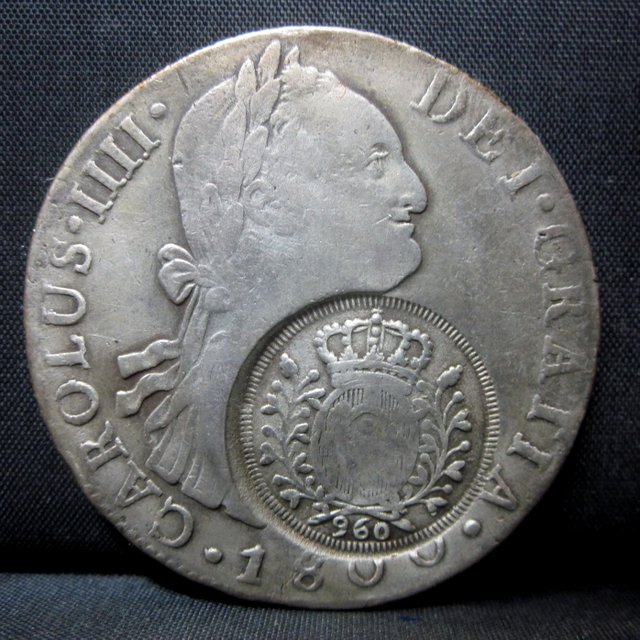 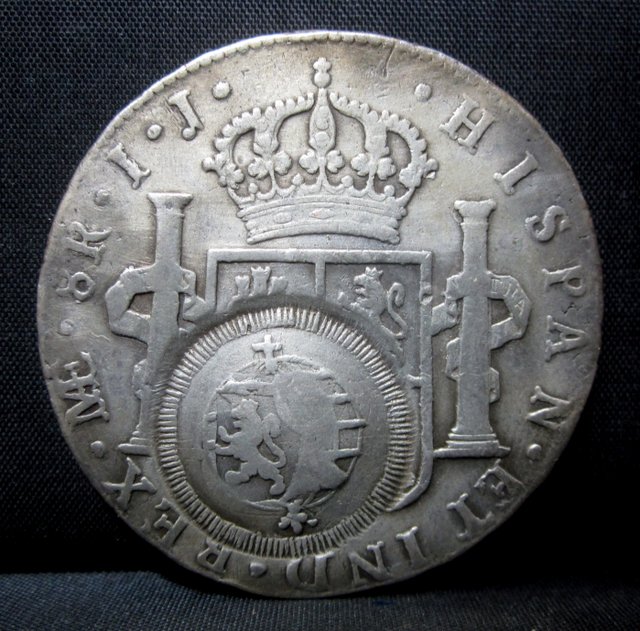 Edited by ame5057
04/14/2017 2:31 pm
|
|
|
|
Valued Member
Uruguay
217 Posts |
I believe that it could be a "Minas Gerais" counterstamp, "carimbo de Minas" in Portuguese Language. The lion figure is part of the Spanish shield on the base coin, could it be a weak counterstamp ? About authenticity, I prefer not to give my opinion because I am not an expert, I will say that there are many copies with the original base coin but fake counterstamp. Here I leave a link to a forum in Portuguese that can serve as a guide to further study the topic: http://forum-numismatica-notafilia....ic.php?t=881Edited by cara
04/14/2017 8:32 pm
|
|
Pillar of the Community
United States
4212 Posts |
That looks to be a relaively scarcer stamp.
Google '960 counterstams' & there are hundreds of images.
|
|
Valued Member
Brazil
67 Posts |
Yeah, that's what it is. It was struck in about 1809, over a 8 Reales as you can see. Here in Brazil the poorly conserved ones usually go for about US$300, so I guess this was a sweet deal. This was the first coin to circulate with the face value of 960 Reis. When D. João VI (at that time Prince Regent)ran from the Napoleonic army to Brazil they faced an economic crisis. One of the ways the government found (it was actually suggested by a member of the court) to deal with it was to buy the 8 Reales for about 850 Reis and emit them with the 960 Reis stamp. This counterstamp is called Minas counterstamp because that was the region where most of the dies were used, they were sent to foundry houses (places where the gold was melt and the taxes were collected) all over the country (Sabará, Vila Rica, Serro Frio, Rio das Mortes, Vila Boa, Vila Bela, São Paulo, Rio de Janeiro and Bahia). As some counterfeits were found they ceased the counsterstamping and started using full dies (and stopped sending dies to almost all the foundry houses, using them only in mint houses. Later, the dies that were in good shape would be used to counterstamp gold bars, because of that, now some dies can be connected to certain foundry houses. I saw a very worn die at our National Historical museum.  Gold bar with the Minas stamp  Map with some of the locations where it was sent to. Sorry for the late reply |
|
Pillar of the Community
United States
1346 Posts |
|
|
Pillar of the Community
United States
1962 Posts |
|
|
Valued Member
Brazil
67 Posts |
The weakness is caracteristic of this die, wich is genuine. Take a look at this one... 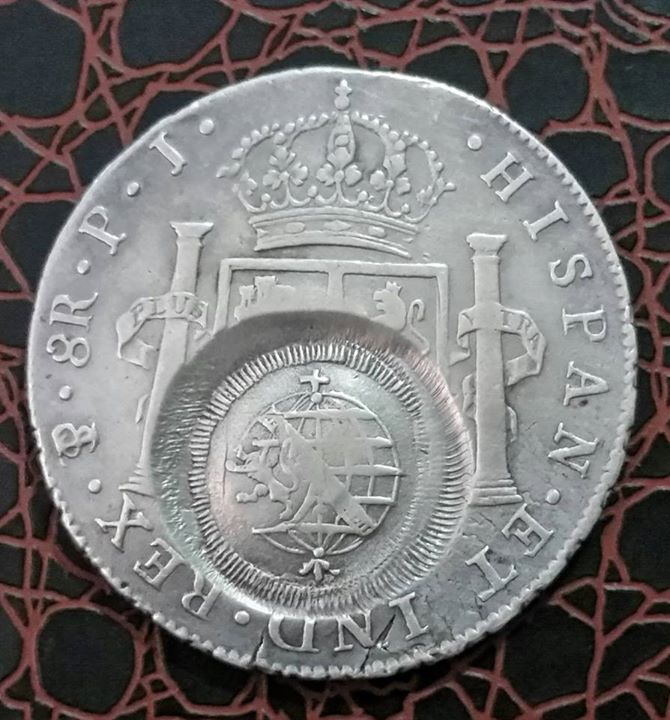 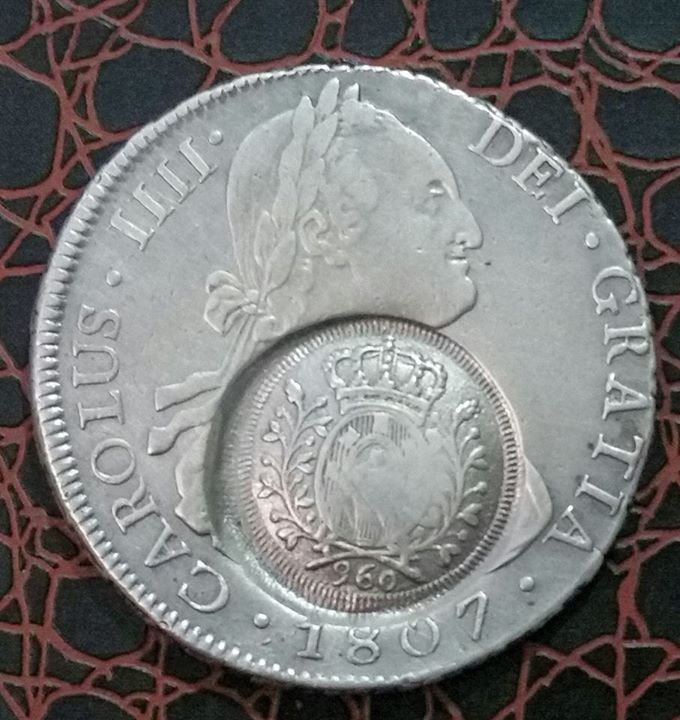 |
| |
Replies: 6 / Views: 3,209 |
|







 Posted 04/15/2017 1:16 pm





