











 Posted 04/30/2017 12:02 pm


january1may is right, as usual. Concerning schjöth 622/623, I'll just repeat myself from the previous topic in which one of these coins popped up:
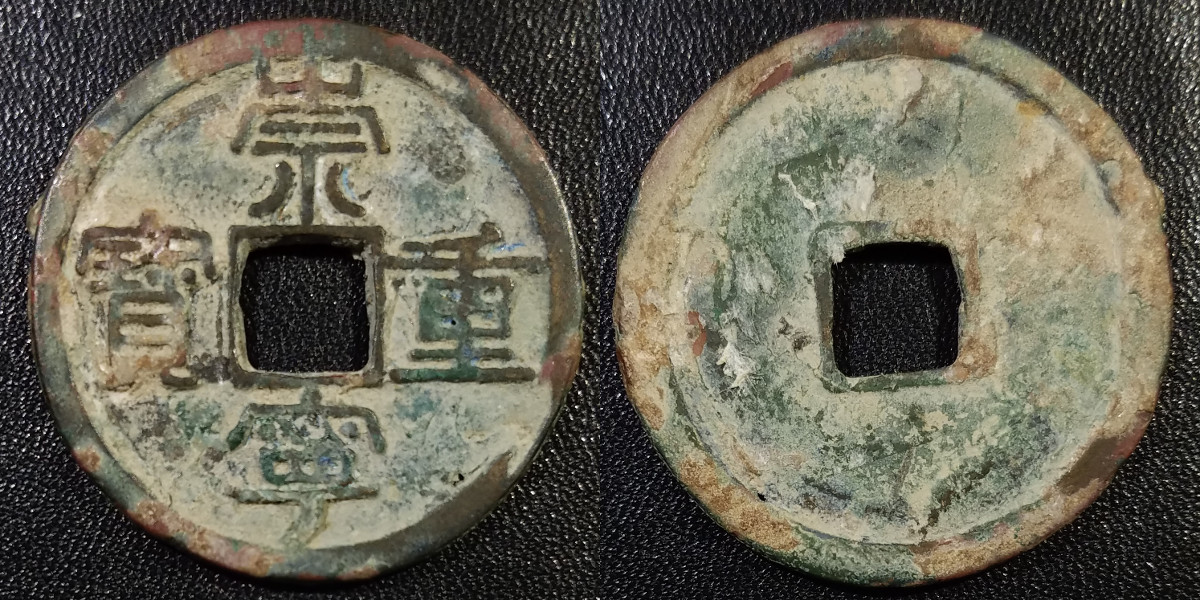
"The only difference between the two varieties 622 and 623 is the calligraphy. The main difference is the first stroke of Zhong; 622 has an entirely horizontal stroke, while the first stroke of 623 is pointed upwards, like the one on these two coins (albeit it not very acute). There are many, many more varieties, and Schjöth is not known for his attention to these minor differences. His work had been the standard reference within the area of Chinese numismatics, right up until Hartills work was published, but mainly due to the lack of something better. Don't get me wrong, the book is, for its time, rather comprehensive and relatively detailed. I am fortunate enough to have an original 1929 edition at home, and I must say that the plates are absolutely stunning. Unfortunately, these were drawn by his daughter, who wasn't that into coins. The drawings are therefore not always that reliable. Anyway, enough digressing. This variety pictured here is obviously 623, or Hartill 16.407, the thin variant, to be more precise."
Same goes here, Schjöth 623, Hartill 16.407. I can't comment on the weight. All I know is that the two specimens presented in Schjöth varied form 7.7 - 13.3 gram. But Schjöth is, as we know, rather unreliable. I currently have no other information on the weights, but I'm just guessing 8 and 9 grams are both okay. Calligraphy looks okay on both, but check what the white/tan stuff is, whether or not it is dirt.
Mika
"The only difference between the two varieties 622 and 623 is the calligraphy. The main difference is the first stroke of Zhong; 622 has an entirely horizontal stroke, while the first stroke of 623 is pointed upwards, like the one on these two coins (albeit it not very acute). There are many, many more varieties, and Schjöth is not known for his attention to these minor differences. His work had been the standard reference within the area of Chinese numismatics, right up until Hartills work was published, but mainly due to the lack of something better. Don't get me wrong, the book is, for its time, rather comprehensive and relatively detailed. I am fortunate enough to have an original 1929 edition at home, and I must say that the plates are absolutely stunning. Unfortunately, these were drawn by his daughter, who wasn't that into coins. The drawings are therefore not always that reliable. Anyway, enough digressing. This variety pictured here is obviously 623, or Hartill 16.407, the thin variant, to be more precise."
Same goes here, Schjöth 623, Hartill 16.407. I can't comment on the weight. All I know is that the two specimens presented in Schjöth varied form 7.7 - 13.3 gram. But Schjöth is, as we know, rather unreliable. I currently have no other information on the weights, but I'm just guessing 8 and 9 grams are both okay. Calligraphy looks okay on both, but check what the white/tan stuff is, whether or not it is dirt.
Mika


