

 Posted 05/17/2017 5:07 pm


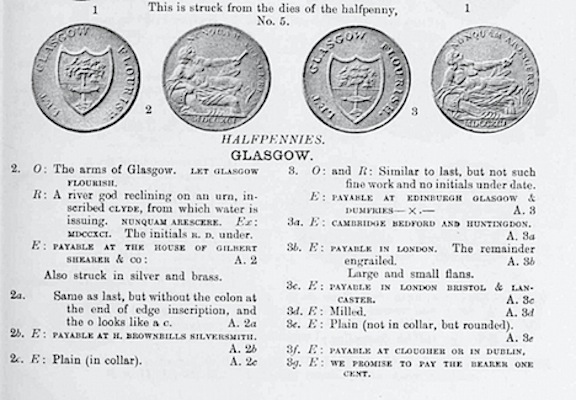
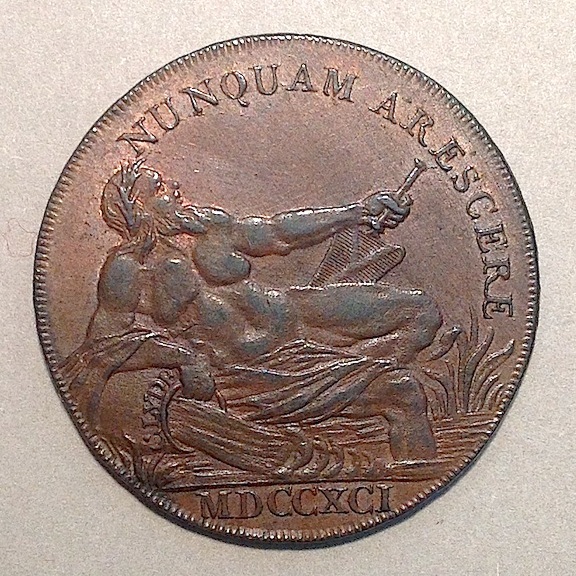
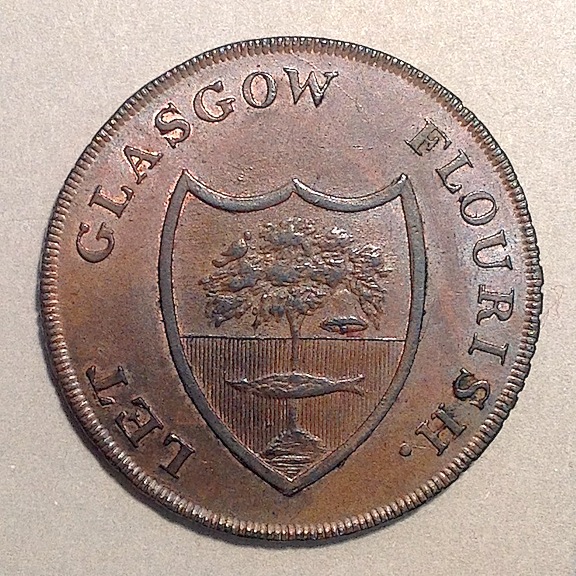
Thank you A, some very interesting information and observations you have there. It may well be that this token is one of the counterfeits which circulated at the time. Another explanation could be that there were several dies used in the production of these, and so each would differ slightly in the cutting of the devices and legend placement. The same was always true in the production of regal coinage. You'll see in the page screen shot from Dalton and hammer which I'm attaching the two examples of the token illustrated differ slightly in the positioning of the legends and the Cambridge edge reading is mentioned in the listing.
D&H is available on line and here's the link should you wish to bookmark it:
https://www.scribd.com/document/206...nd-S-H-Hamer
Your user name suggests an interest in the Classical world. I do have a couple of 'ancient' trays, so I'll get them out and photograph a few of my Greek coins for you later in the week.