| Author |
 Replies: 14 / Views: 6,911 Replies: 14 / Views: 6,911 |
|
|
Pillar of the Community
United States
887 Posts |
I seem to be having difficulty identifying when a coin has been cleaned. So far I've been lucky, in that the coins that I have purchased that have been ID'ed by CCF members as having been cleaned (or potentially), I bought for dirt cheap, and were mostly just type coins. The 2¢ piece in this thread - http://goccf.com/t/290479 - is a perfect example. I was buying a couple of other coins from this seller, and checked out other stuff, saw this, and got it for $27 and change. I only bought it because I didn't have a 2¢ coin, and it had good detail. I still can't see what others see regarding cleaning though. So what am I (you) looking for to determine if a coin has been cleaned? I mostly look for numerous parallel light scratches, and obvious stuff (an MS shine with VG wear), and I think crud in the finer detail areas would also be an indicator(?). If maybe some of you have examples of cleaned coins, and what it is about the coin that tells you it's cleaned, that would be awesome, especially if the cleaning isn't so obvious. I think this could be beneficial to all new-ish collectors. |
|
|
|
Pillar of the Community
United States
1969 Posts |
Well, look for surface hairlines. I learned, don't buy a coin with surface hairlines on in. It will grade surface hairlines Dets, wiped, cleaned, or something like that.
|
|
Moderator
 United States
14463 Posts |
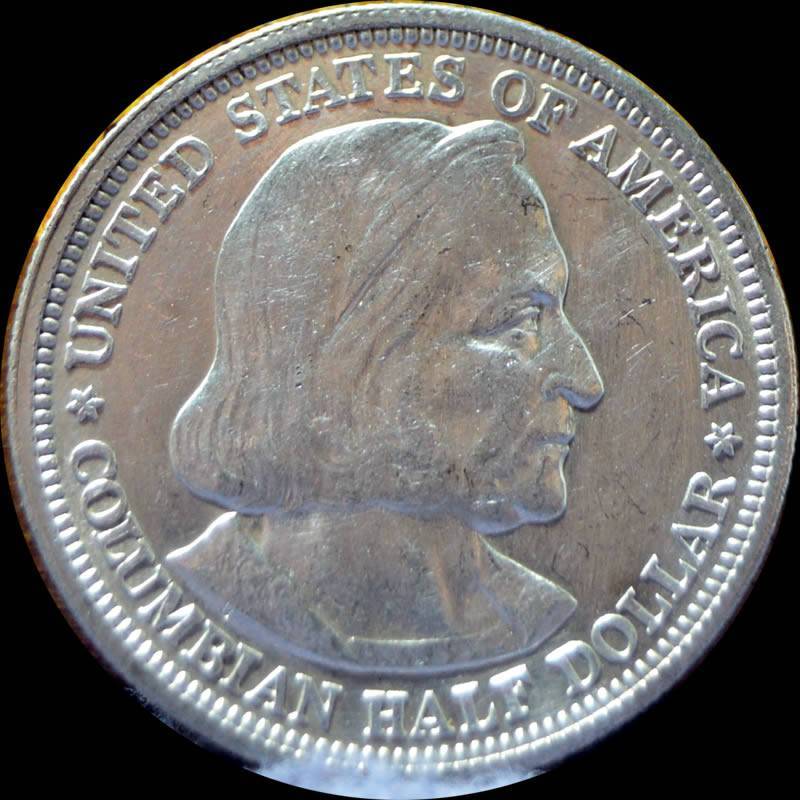
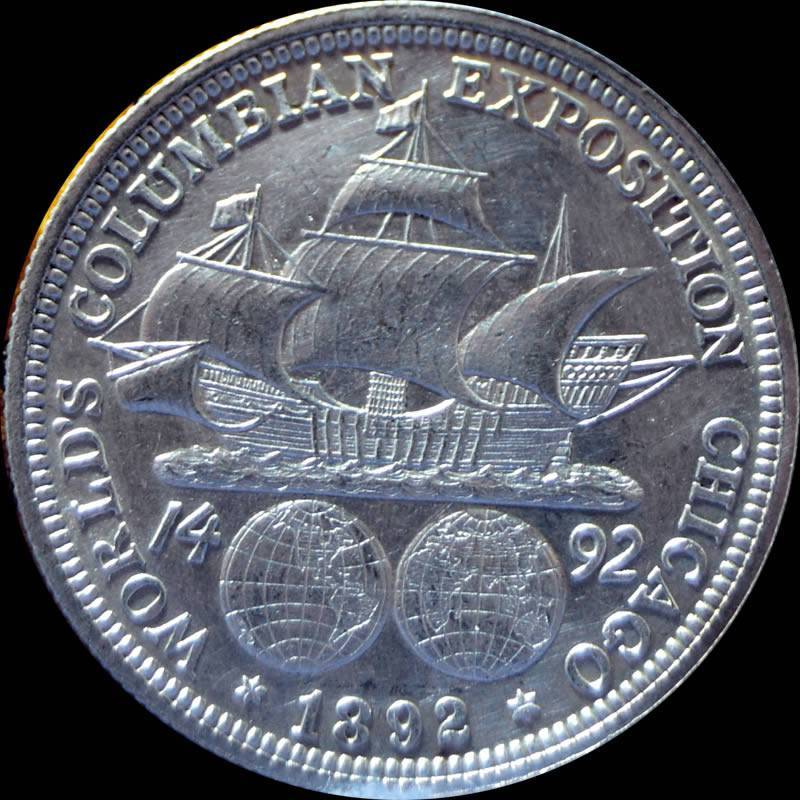
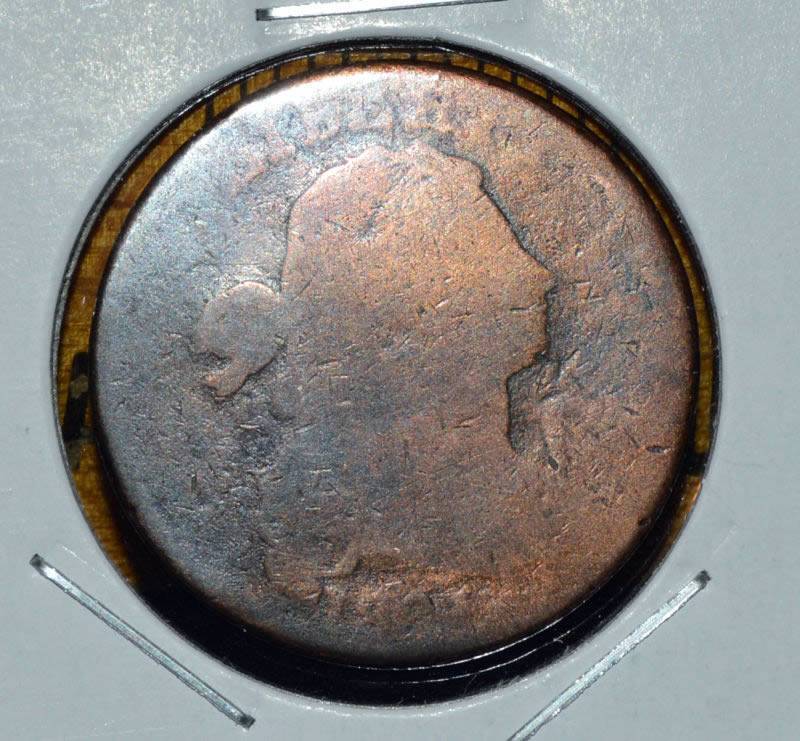
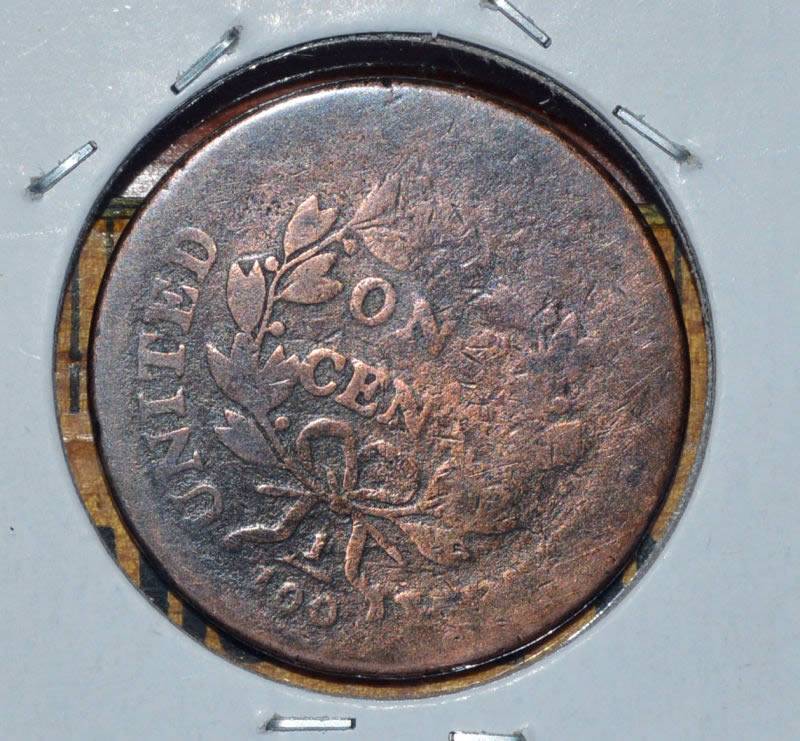
Also, be cautious of coins that aren't the same color across one side. What I mean, watch for coins that are bright and clean in the fields but darker/dirty in the intricate details, like the lettering or around the edge. It may not be a clear Yes/No, just something to watch for. For example, this coin that is bright in the fields, but has dirt/grime in the lettering. This was probably not a recent cleaning, but they felt it was cleaned sometime before it was slabbed as "Genuine". 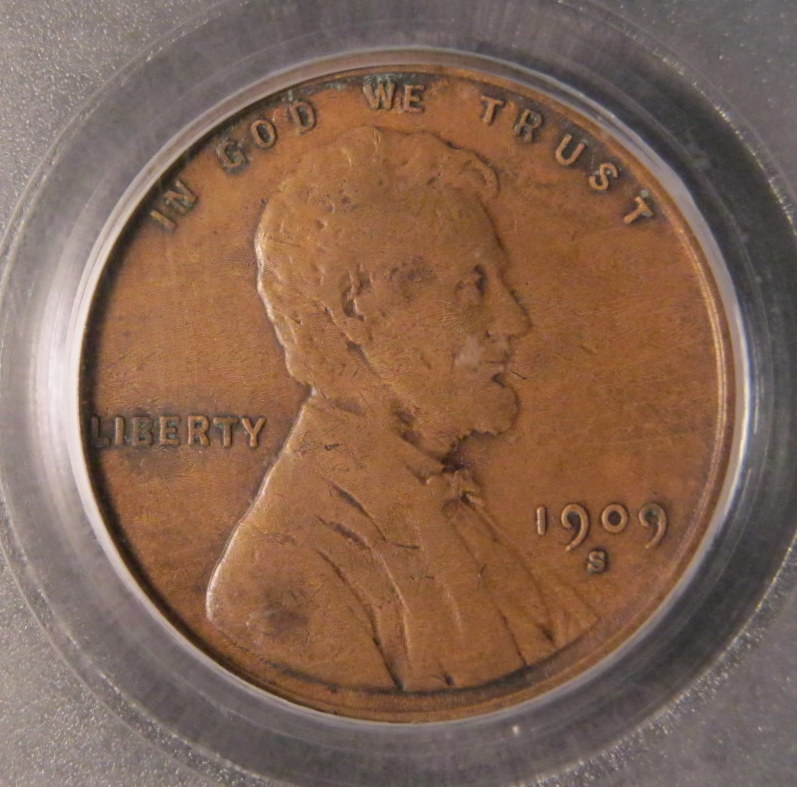 |
|
Bedrock of the Community
United States
12477 Posts |
I posted a Franklin half a month after joining (almost 7 months ago) that was deemed "cleaned". I agree now. However, you can sense my problem with that answer in the thread and then my realization/learning moment. It may be interesting to read: http://goccf.com/t/275076&whichpage=1In Memory of Crazyb0 12-26-1951 to 7-27-2020
In Memory of Tootallious 3-31-1964 to 4-15-2020
In Memory of T-BOP 10-12-1949 to 1-19-2024
|
|
Bedrock of the Community
United States
12057 Posts |
Member ANA - EAC - TNA - SSDC - CCT #890 "Most of the things worth doing in the world had been declared impossible before they were done." -- Louis D. Brandeis |
|
Pillar of the Community
United States
1261 Posts |
These are all good examples of cleaned coins. That's why I look for problem free original coins which seem to be so hard to find. If you can find an attractive one without blemishes then it is a good coin to purchase.
One other point I wanted to make. Sometimes the forum folks are quick to label a coin 'cleaned or details' without justification. I've seen some examples where I was scratching my head how they came up with determination by just looking at the couple pictures posted. Don't take our advice as an end all/be all. I especially like it when people post sliders or AU-58 or low grade MS coins. There's no way any of us can determine if there is any rub or or determine the MS grade without looking at it in hand. I don't care what anyone says...no way.
|
|
Rest in Peace
United States
18456 Posts |
|
|
Bedrock of the Community
United States
10284 Posts |
If the coin is ( supposed to be ) uncirculated. You should be able to turn the coin at a slight angle in the light and see a "cartwheel effect" of luster. I made this gif to sort of show what I'm trying to explain. A dipped/cleaned coin, no matter how much detail is still there, might look nice and shiny, but it won't have cartwheel.  |
|
Pillar of the Community
United States
1264 Posts |
To make things even more difficult, I've noticed TPGs allow coins older than early 1900s to be cleaned and still receive a straight grade  . I can't figure out why they allow it, it certainly makes things confusing. |
|
Pillar of the Community
United States
1261 Posts |
Nickelguy and Libertyeagle make great points.
I just wanted to add to Nickelguy's post that on a lightly dipped coin you can sometimes still see some cartwheel but it won't be as strong. Also, you can have a coin with frosty luster and the cartwheel won't be as strong even though it wasn't dipped or cleaned. Both issues add to the confusion sometimes.
Edited by chesterb
06/23/2017 11:04 am
|
|
Moderator
United States
194816 Posts |
Quote:
These are all good examples of cleaned coins. I agree. Very helpful to see.  |
|
Pillar of the Community
United States
1314 Posts |
|
|
Moderator
United States
14463 Posts |
My opinion: I would guess dipped and brushed. The fields are too clean to have that dirt among the letters, and the obverse appears to have scratches top-left toward bottom-right from being brushed or wiped clean.
|
|
Pillar of the Community
United States
869 Posts |
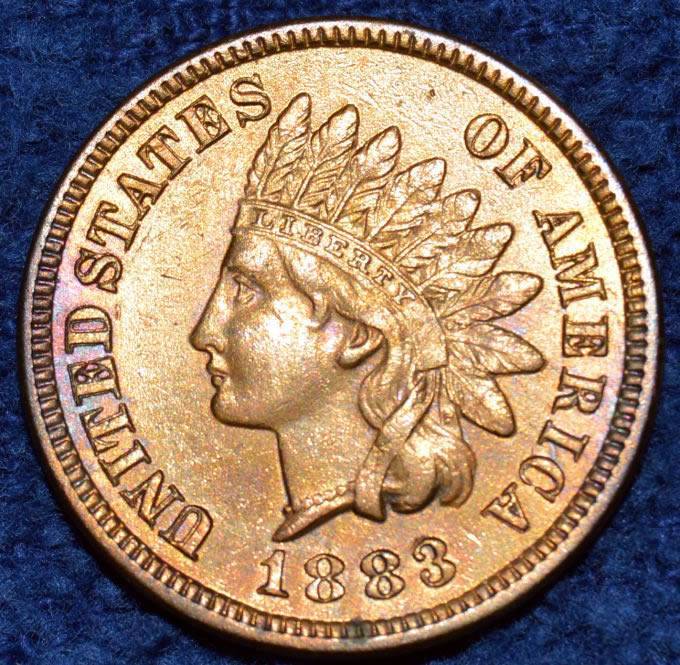
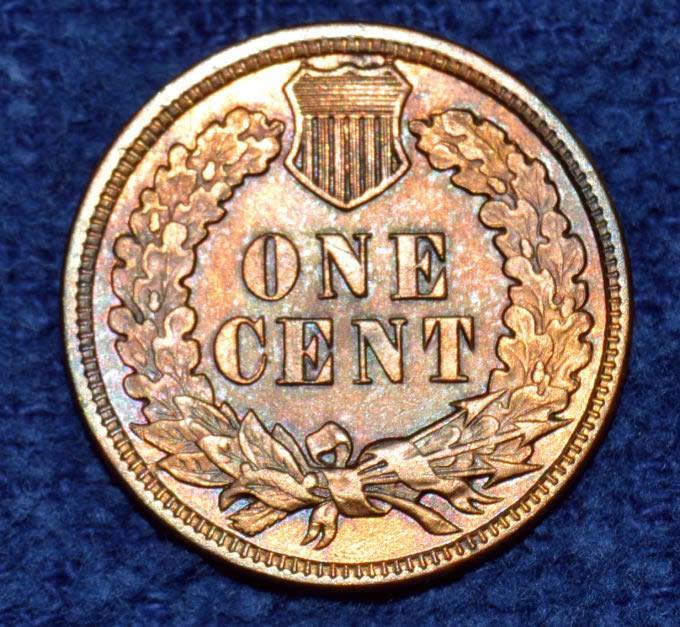
To illustrate the obvious difference between cleaned and polished as opposed to untouched. Take these two Canadian silver dollars as an example. The first coin exhibits hairline scratches as well as a polished chrome like appearance on the devices, while the outer edge retains darkened toning around the lettering. The second coin has dulled a bit with age, but retains it's original luster. Viewing the coin in hand will exhibit the desired cartwheel effect. Some collectors back in the day used to clean and polish their silver coins much like people routinely polish their silver ware. Because it does diminish the vale of the piece, it's not done as frequently as it used to. 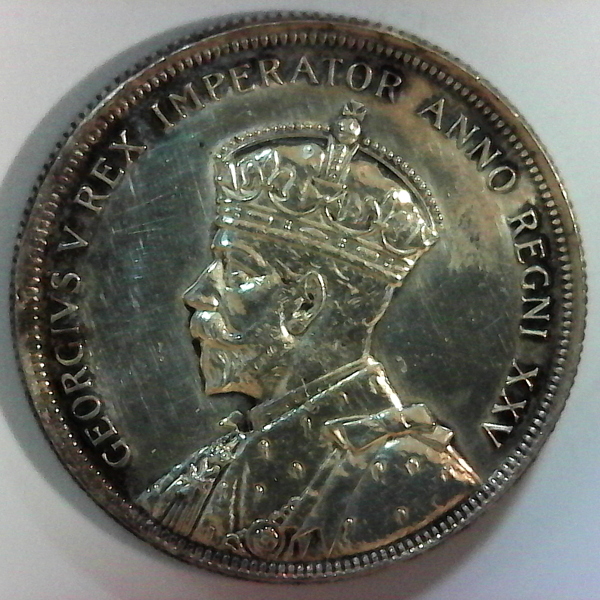 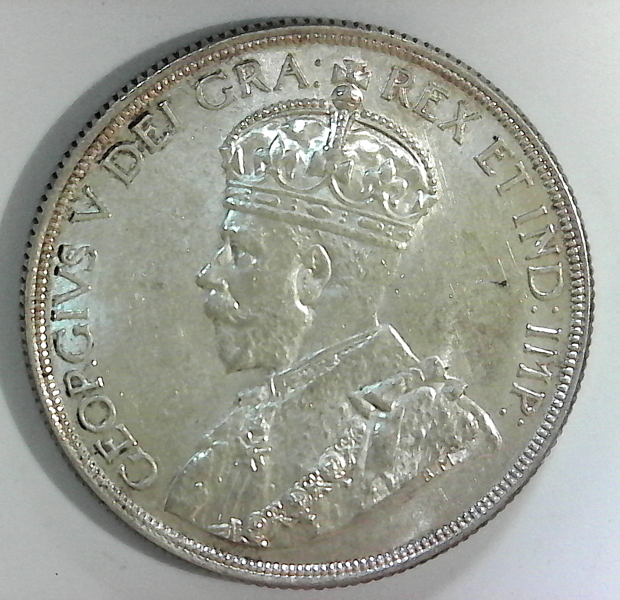 |
|
Valued Member
United States
97 Posts |
All very good suggestions.
I learned that the best why to tell if a coin is cleaned or unnatural is to learn what an original coin looks like. Images are NOT the best to use as they can be manipulated in such a way as to change what you can see. Those who are fortunate can find coins already graded at coin shows. ONLY study untoned examples grading MS-65 and above!
Next, in order to detect unoriginal coins or evidence of cleaning you will need to tip and rotate (at the same time) the coin in the light. If a coin is not in a certain position, very often you will not see the hairlines no matter what magnification you use. BTW, as posted by another member, too many collectors think random hairlines on a coin indicate improper cleaning. You'll need to learn the difference.
With experience, you should be able to see that a coin is not natural with your eyes alone!
Y,
|
| |
Replies: 14 / Views: 6,911 |
|








 Posted 06/23/2017 01:12 am