Strewth, Peter, from your posts I see you are very confused about some of these error coins, so I'll see if I can help explain.
For a start, the mintage process in the USA is IDENTICAL to the mintage process in Australia. In a normal strike, the planchet sits nicely inside the collar and the centre of both dies hit the centre of the planchet.
A mis-strike is a GENERAL term for any type of error caused by misalignment of dies, collar or planchet.
1) A broadstrike is a strike in which the planchet is struck off-centre without the collar being engaged. On occasion, this results in a hugely spread flan (much more likely for softer materials such as silver than for harder materials)
Florin


Sixpence


Gnome gave a link to a decimal broadstrikes above. Of course it has not spread like the sixpence or the florin.
2) A ramstrike is a strike where the collar is present but the planchet is sitting off-centre. A ramstrike will show evidence of the collar (particularly easy to see if the collar has milling as for a florin or a 20c). Ramstrikes can be truly spectacular error coins:
a) High rim (a tiny gap between the collar and the edge of the die causes metal to flow upwards)

b) Sometimes the planchet is a lot further off-centre (this is the most spectacular example it has ever been my pleasure to view)
 3) Collar partially engaged.
 When the coin is struck metal flows outward - if the collar is present the metal flow is constrained, if not the metal flows outward such as in a broadstrike. The result is that the part of the rim where the collar was not engaged extends outwards. If the collar is at an angle we have a
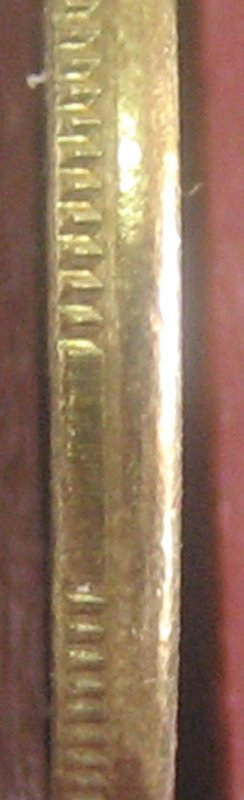
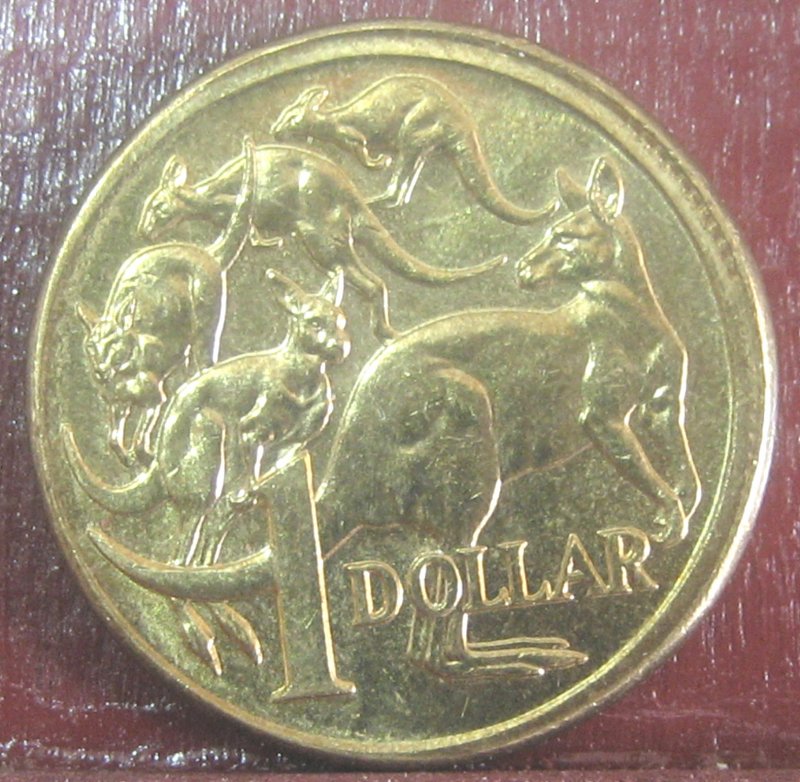
tilted partial collar (I have seen many Australian dollar coins of this type), if not at an angle we have what the Americans call railroad rim coins (all the predecimal partial collars I have seen are of this type; I've also seen Australian 2c coins).
4) Off Centre Die. This is an extremely rare error in modern times (although was common in the era of hammered coins). The planchet is seated within the collar but the hammer die hits off-centre.


The only examples of this that I know of are 1946 Perth shillings, 1952 Perth pennies and 1955 halfpennies.
I hope this overview is of some assistance.








 First Page


 Posted 04/28/2008 03:51 am