| Author |
 Replies: 16 / Views: 2,457 Replies: 16 / Views: 2,457 |
|
New Member
United States
24 Posts |
|
|
|
|
Pillar of the Community
United States
1781 Posts |
|
|
New Member
 United States
24 Posts |
nothing came off after soaking it in acetone
|
|
Pillar of the Community
7234 Posts |
Quote:
nothing came off after soaking it in acetone It may be a urethane substance if it doesn't come off with acetone. The bull crappers on ebay are always trying new things to get the uninformed "coin collector" to bid on junk! |
|
Pillar of the Community
United States
7592 Posts |
|
|
New Member
United States
24 Posts |
okay I won't start new ones on ones already going. sorry for that
|
|
Moderator
 United States
14463 Posts |
You should have updated your existing thread, not start a new one. That keeps any discussions on one thread.
|
|
New Member
United States
24 Posts |
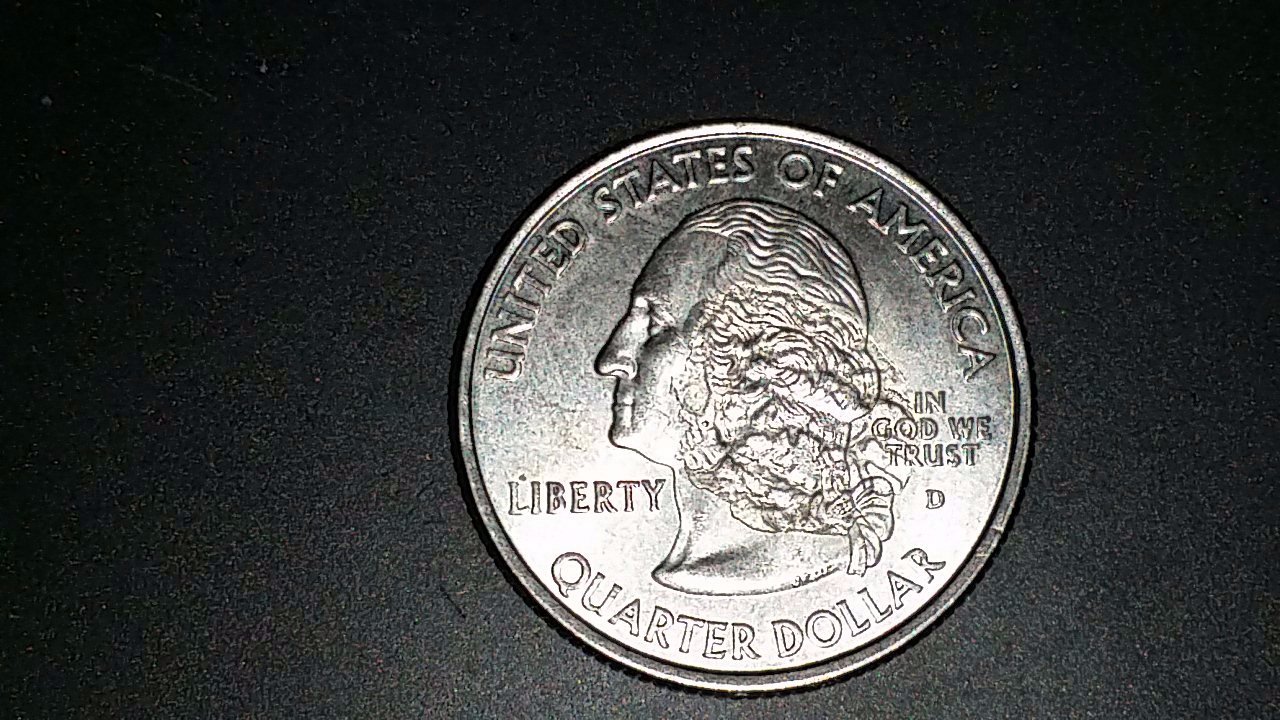
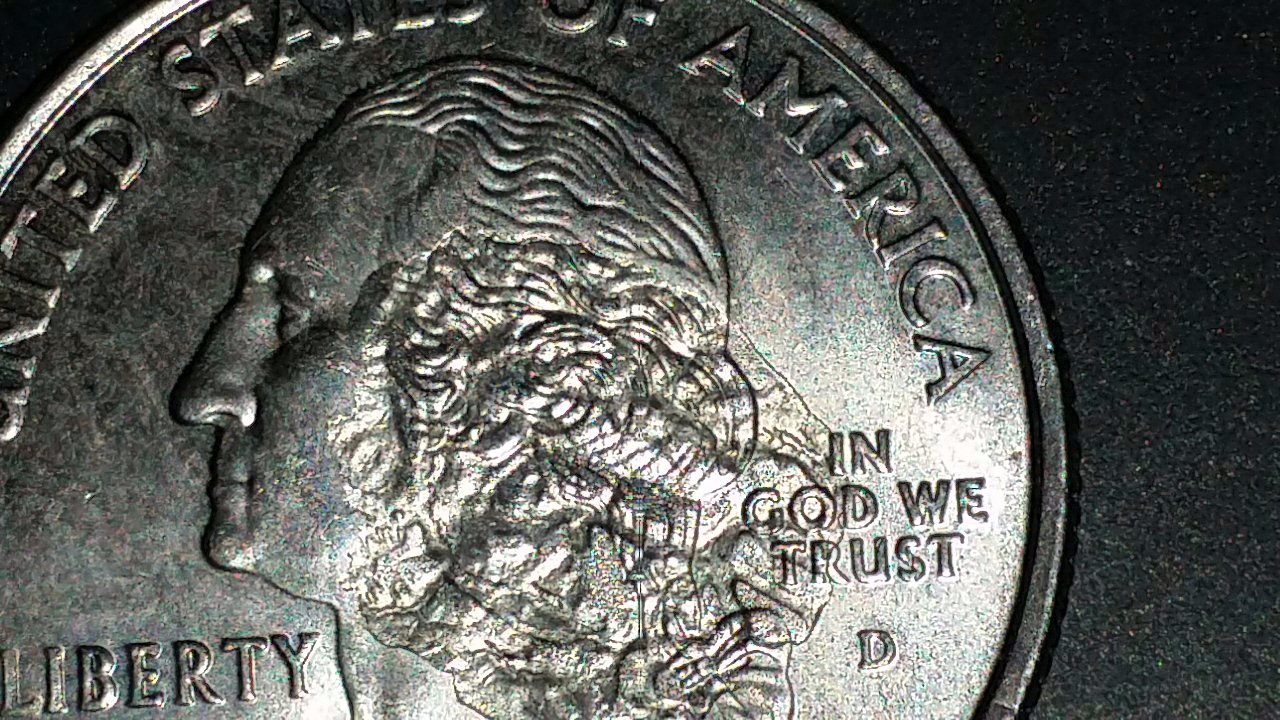
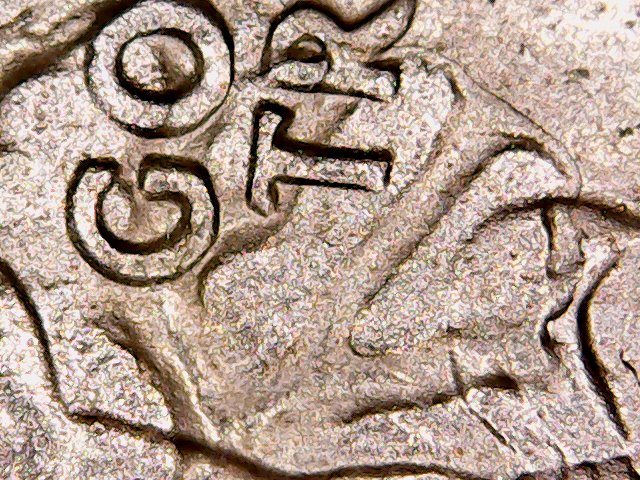
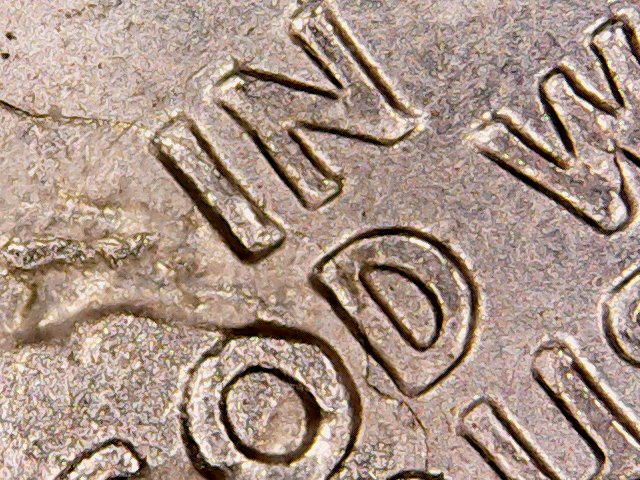
you can see what looks like maybe the VERMONT reverse in the image....I can see what looks like the trunk of a tree with its branches and part of the boy and buckets?
|
|
Bedrock of the Community
United States
10284 Posts |
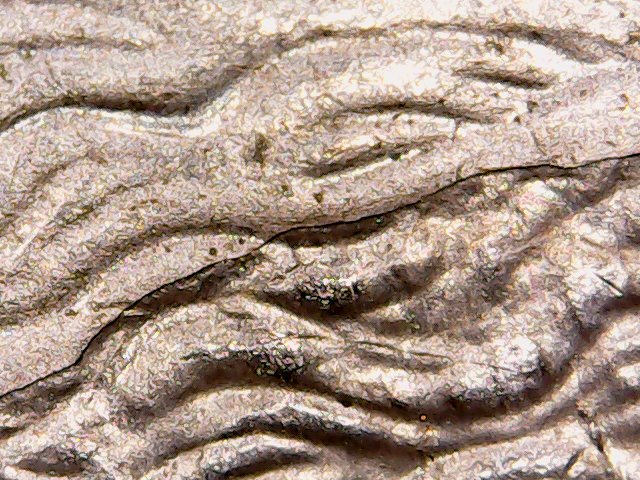
And I bet that the tree and boy with buckets is reversed because the other coin that lay on top of this one has left an impression in the glue. Good glue at that but glue.
|
|
Rest in Peace
United States
17900 Posts |
 with some type of clear adhesive. |
|
New Member
United States
24 Posts |
so if acetone didn't work, what will?
|
|
New Member
United States
24 Posts |
who can I send this to for closer inspection?
|
|
Bedrock of the Community
United States
12437 Posts |
It is glue, you should be able to chip it off with your fingernail.
|
|
New Member
United States
24 Posts |
|
|
Moderator
United States
34561 Posts |
Quote:
so if acetone didn't work, what will? @LSBE, I refer your to our own BadThad's Polarity Ladder (below extracted from his prior post). I do note that he is talking about copper coins, but perhaps this information could be extended removing the adhesive on your clad quarter. Quote:
THE FIRST STEPS OF CONSERVATION
ALWAYS be aware that sometimes organic residues can be green and mistaken for verdigris. Just because a coin surface contaminate is green doesn't necessarily mean it is verdigris. Coins can be exposed to anything and everything during their existence. That green spot could be a very old piece of gum. For this reason it is recommended to first try what I call the solvent POLARITY LADDER shown below:
Wannabe Geek Note: Polar means a chemical has a negative charge on one end and a positive charge on the other end.
Very Important Note: Only use glass containers with a tight fitting lid for soaking coins.
TABLE 3: The coin solvent Polarity Ladder.
SOLVENT POLARITY
Deionized or Distilled Water Polar
Acetone Less polar than water
Xylene or Hexane Non-polar
STEP 1: WATER
Water will remove many polar surface contaminants. On the Polarity Ladder we start with the absolutely safest coin solvent in the world. As long as soak times are kept reasonable, probably less than 7 days, distilled water will not damage a copper coin. When water soaking, be sure to change out the water at frequent intervals. The more frequent the water changes, the better. Remember, the water is dissolving unwanted contaminants so it becomes contaminated. Each time you change it you're throwing away the bad stuff. Always use distilled or deionized water for soaking. Unpurified water or tap water contains contaminants that may deposit on the coin defeating the conservation attempt.
STEP 2: ACETONE
Acetone chemically, OC(CH3)2 , is a very polar, organic, volatile solvent. High grade acetone can be purchased at most hardware stores. It can also be ordered over the internet in a higher grade like ACS (American Chemical Society) but at a much higher cost. It will remove many organic materials from the coin surface.
Warnings: Do not soak in directly sunlight and store your acetone away from sun. UV light can degrade acetone and produce some chemicals that might be hazardous to your coin. Never allow the acetone to evaporate while the coin is soaking or everything that was dissolved will simply be redeposited on the surface. Use high quality acetone only! DO NOT USE NAIL POLISH REMOVER! Acetone will dissolve plastics and styrofoam so only use a glass container with a tight sealing lid when soaking in acetone. Acetone is flammable; keep open flames away from it. Be sure to read the label and MSDS so you understand the hazards of working with this organic solvent.
A good test to perform before using acetone on a coin is to place some in a glass dish and allow it to evaporate. Inspect the bottom of the dish once it's gone and make sure there's no residue, haziness or sticky film. Any acetone that fails this test is impure and should not be used on a coin.
STEP 3: XYLENE
Xylene is what we call a non-polar solvent and it's completely safe on copper. It's important to use a non-polar solvent because it's the only thing that will dissolve some organic residue. If the surface debris is non-polar, chances are that xylene will be able to dissolve it. Remember "like dissolves like"! Do not over-soak in xylene or you may affect the patina, it can lighten a brown patina with enough time.
That is the process of stepping through various coin safe solvents before attempting conservation. If the green is removed, then it was most likely organic (carbon containing) in nature. from http://goccf.com/t/57008#447106"If you climb a good tree, you get a push."
-----Ghanaian proverb
"The danger we all now face is distinguishing between what is authentic and what is performed."
-----King Adz
|
|
New Member
United States
24 Posts |
Okay so I wanted to let everyone know Glue was the deceiver here, I soaked the quarter for much longer than I did the first time and when I took it out with a little dab of a dry cloth it was no longer an error coin.....Thank you everyone for all the help.
|
| |
Replies: 16 / Views: 2,457 |









 Posted 07/22/2017 5:32 pm





