| Author |
 Replies: 16 / Views: 4,453 Replies: 16 / Views: 4,453 |
|
CCF Advertiser
 United States
1318 Posts |
|
|
|
|
Pillar of the Community
United Kingdom
2624 Posts |
You would caste it in bronze then plate it. Not sure how the amcients managed this but they did have the capacity to do so.
|
|
CCF Advertiser
 United States
1318 Posts |
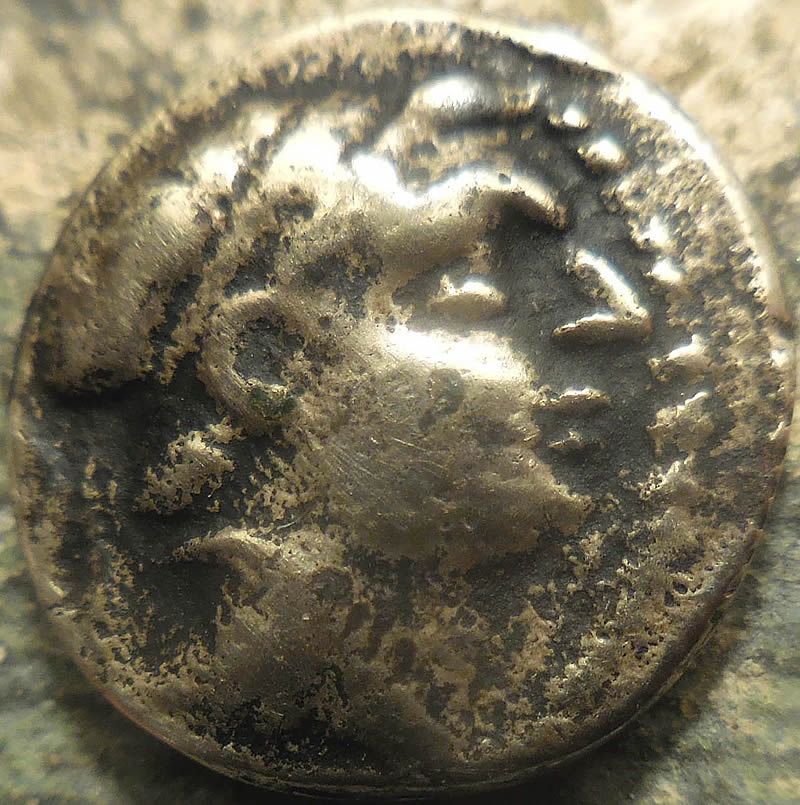
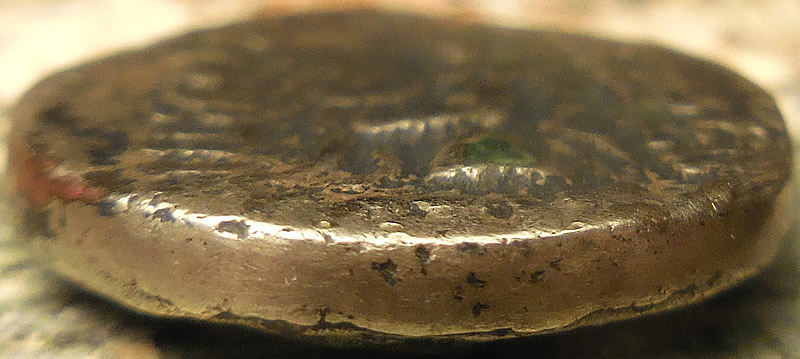
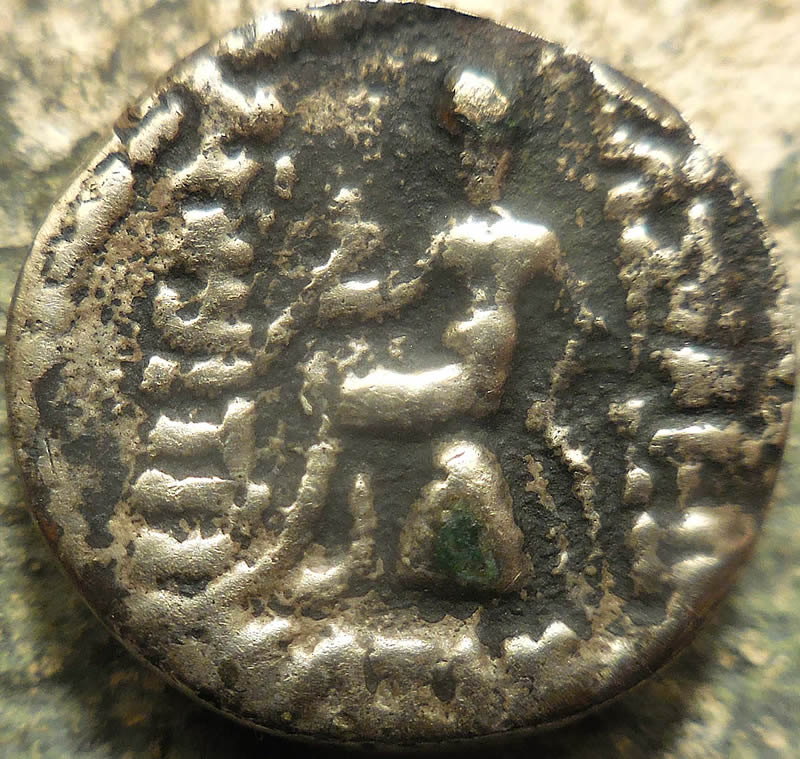
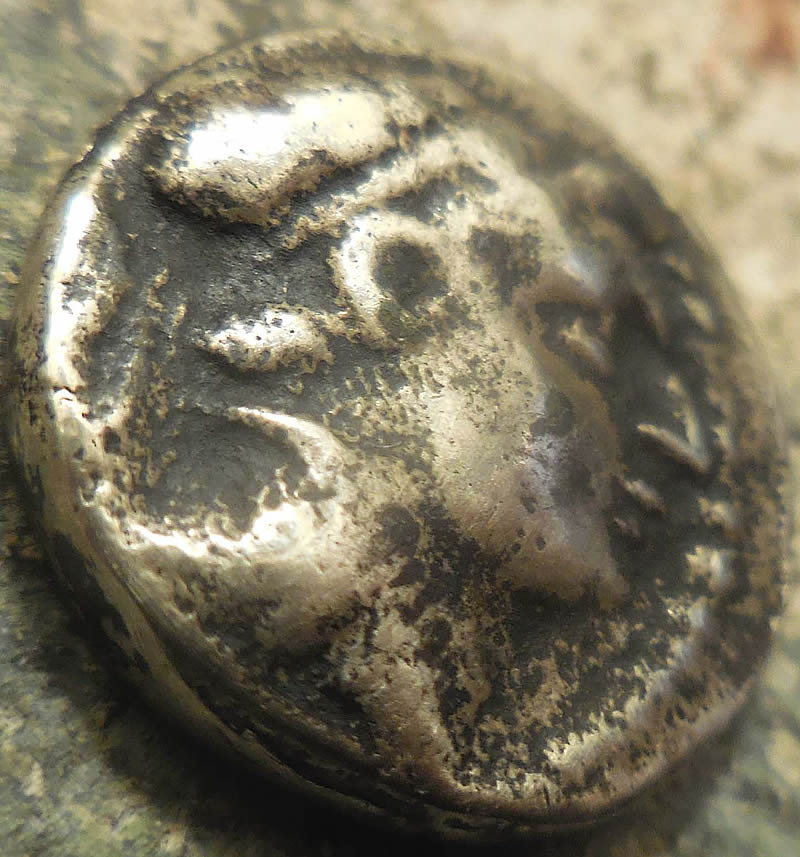
Thanks and I really just like to classify what things are. You would just use some cheap silver in a totally modern casting process I imagine and it would be more work then it was worth to have a bronze core. Ancients did not electroplate as we know so had to be thin sheet of silver somehow applied but usually a fouree with a bronze core is struck correct? So my confusion.
|
|
Pillar of the Community
United Kingdom
2624 Posts |
Yeah you have me scratching my head...
I first thought they dont have electricity so how do they plate? Then thought of Follis and fouree's which had washes of other metals and plating. I forgot that some may have been like a rolled metal process onto the flan before it was struck... but logically you cant cast with a bronze core without a complex casting process and in that instance the silver surrounding couldn't be below a certain thickness (half a mm or so or thinner it just won't flow even in a centrifuge) therefore I guess this must be ruled out.
The only alternative is a plating, unless it was a thin strike applied which we can clearly see is not the case.
If someone else has theories I would love to hear...its an interesying can of worms.
|
|
Moderator
United States
34563 Posts |
"If you climb a good tree, you get a push."
-----Ghanaian proverb
"The danger we all now face is distinguishing between what is authentic and what is performed."
-----King Adz
|
|
Pillar of the Community
Belgium
1194 Posts |
normally , Ancient made the flan , applied a very thin sheet of silver and struck the coin . Maybe the die was not engraved but cast what can explain the looking of te coin. albert
|
|
Pillar of the Community
United States
949 Posts |
I am so far from being a metallurgist that I'll believe just about anything you guys say. However, I don't think the ancients were limited to one process only for silver plating. Consider the differences between these two Roman fouree examples. The first is a Republican fouree denarius emulating Lucretia 3 (Crawford 390/2) of unknown vintage (could have been as late as 1st century). 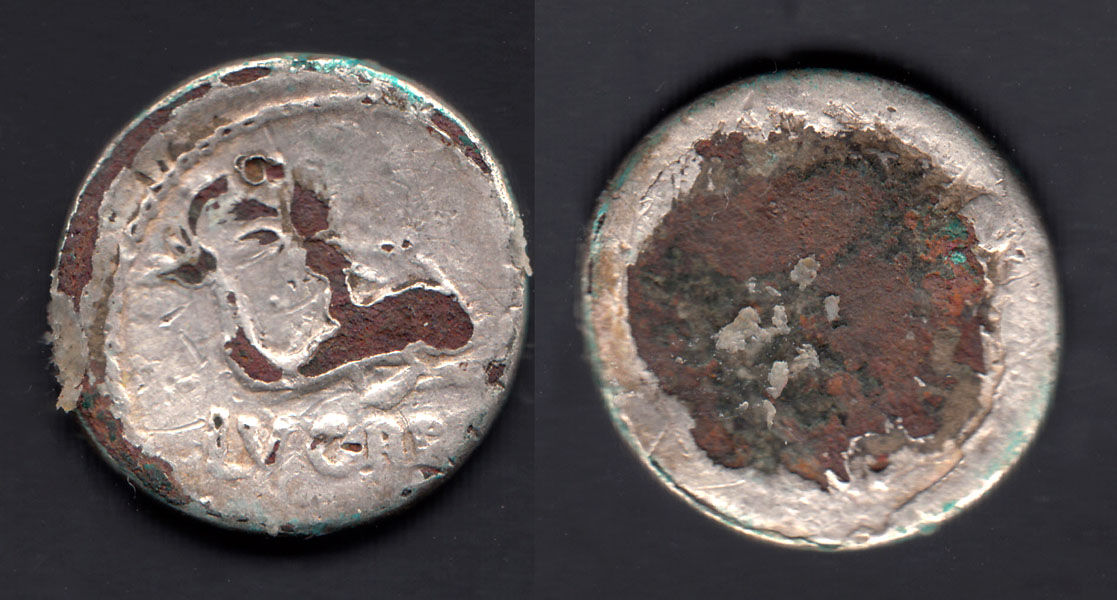 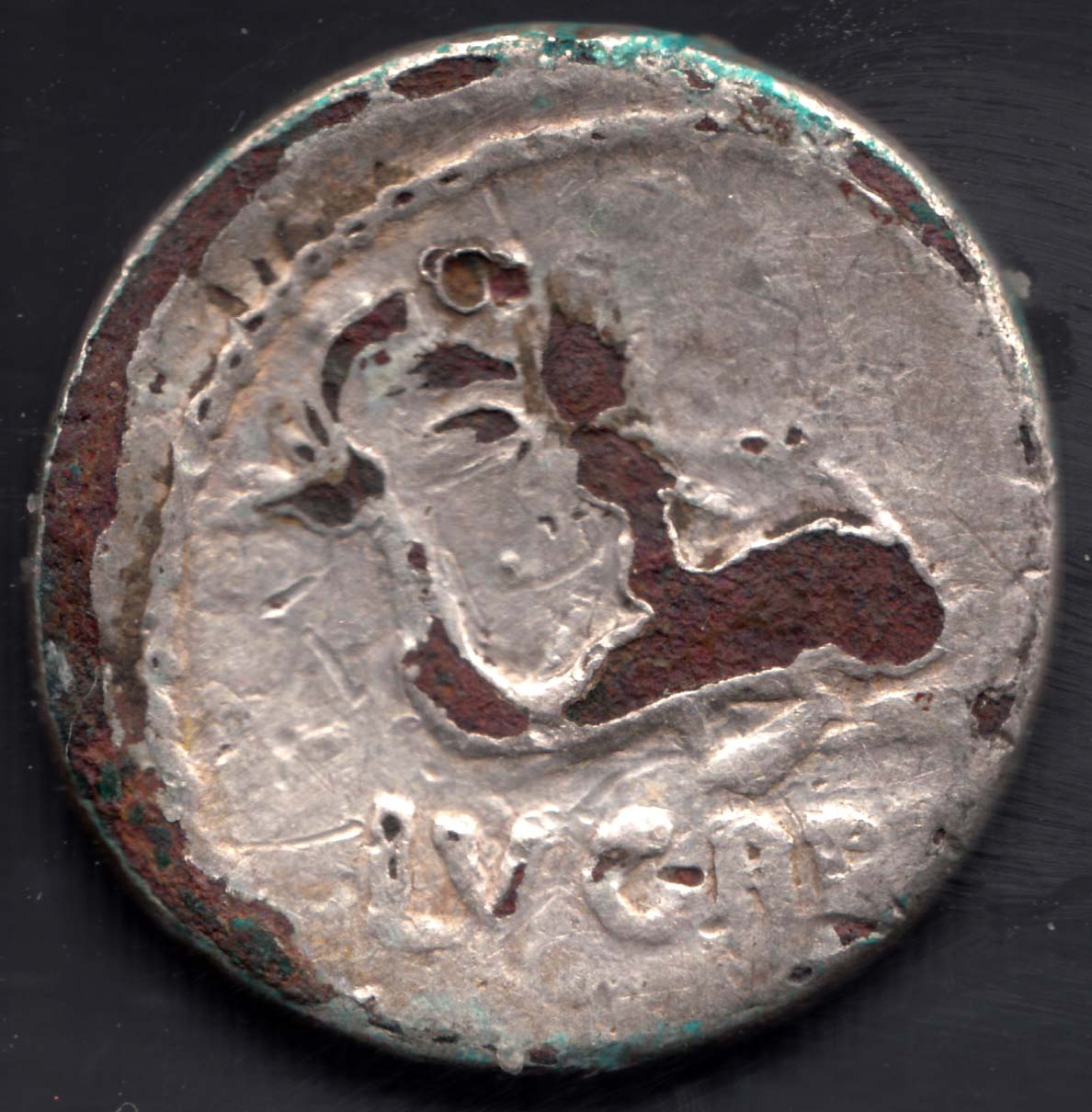 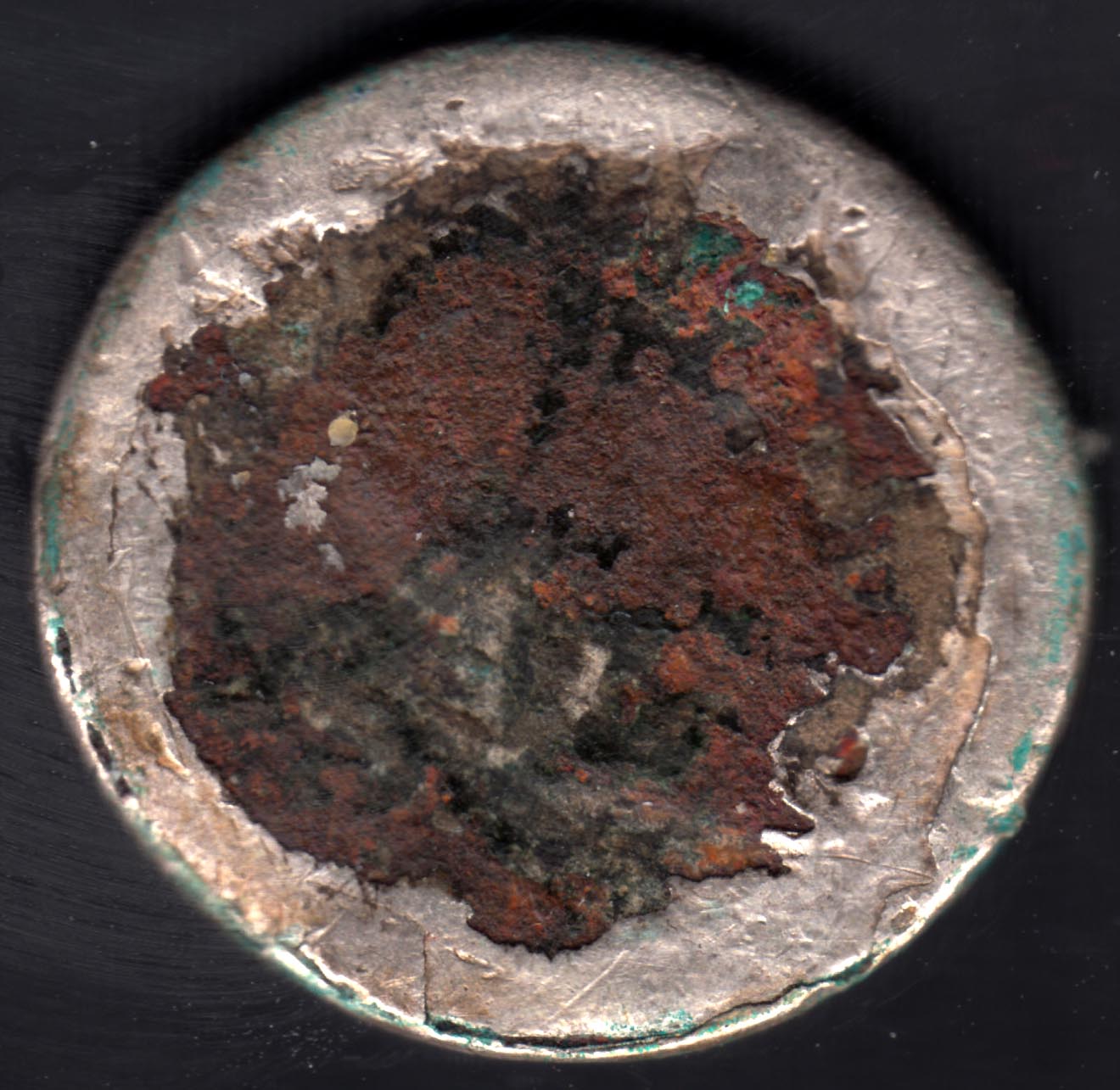 I chose this example because it has an abundance of overlay on the reverse, and very little on the obverse. Apparently the silver coating was applied after the image had been struck in the foil, which was thick enough that it tends to come off in pieces that can be more than mere flakes. The image of the reverse is rather telling both by the way the silver adheres, but also by the edge pieces where the silver is starting to peel off. Of greater interest to me is the fact that where the silver is mostly absent, all design detail has been lost including its relief. It is as if the design was impressed into the silver and then applied to a blank bronze core. The second coin is a fouree of an Imperial silver denarius for Elagabalus. 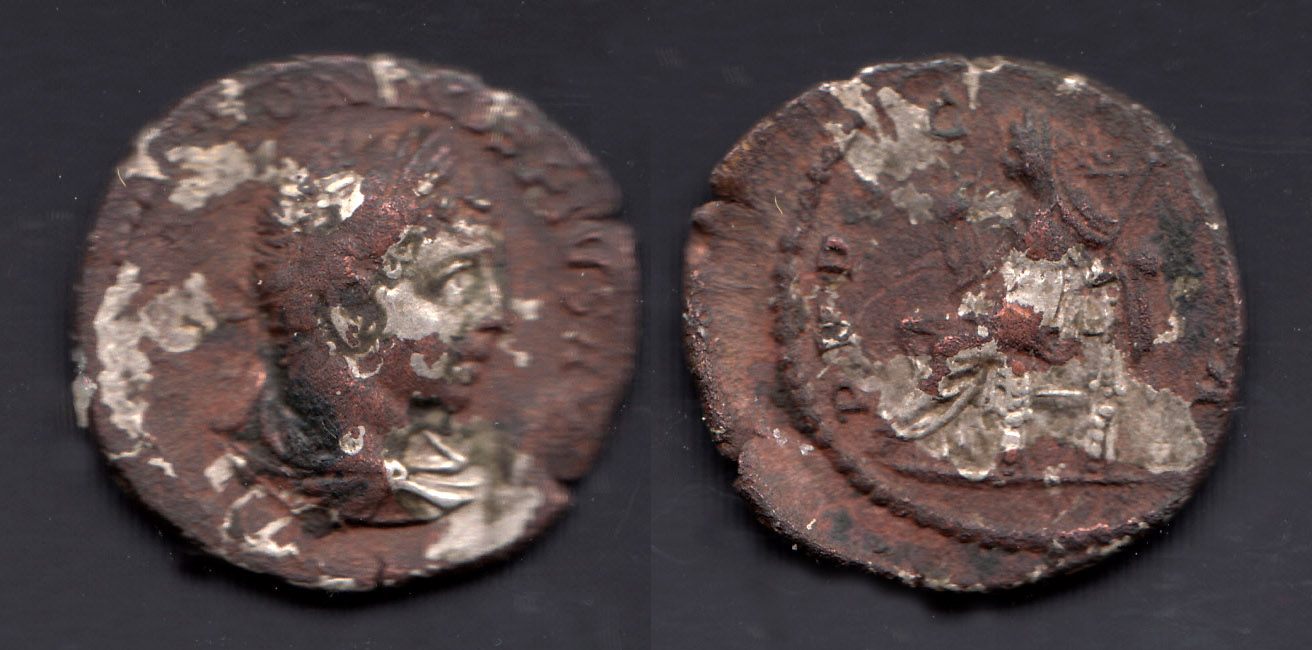 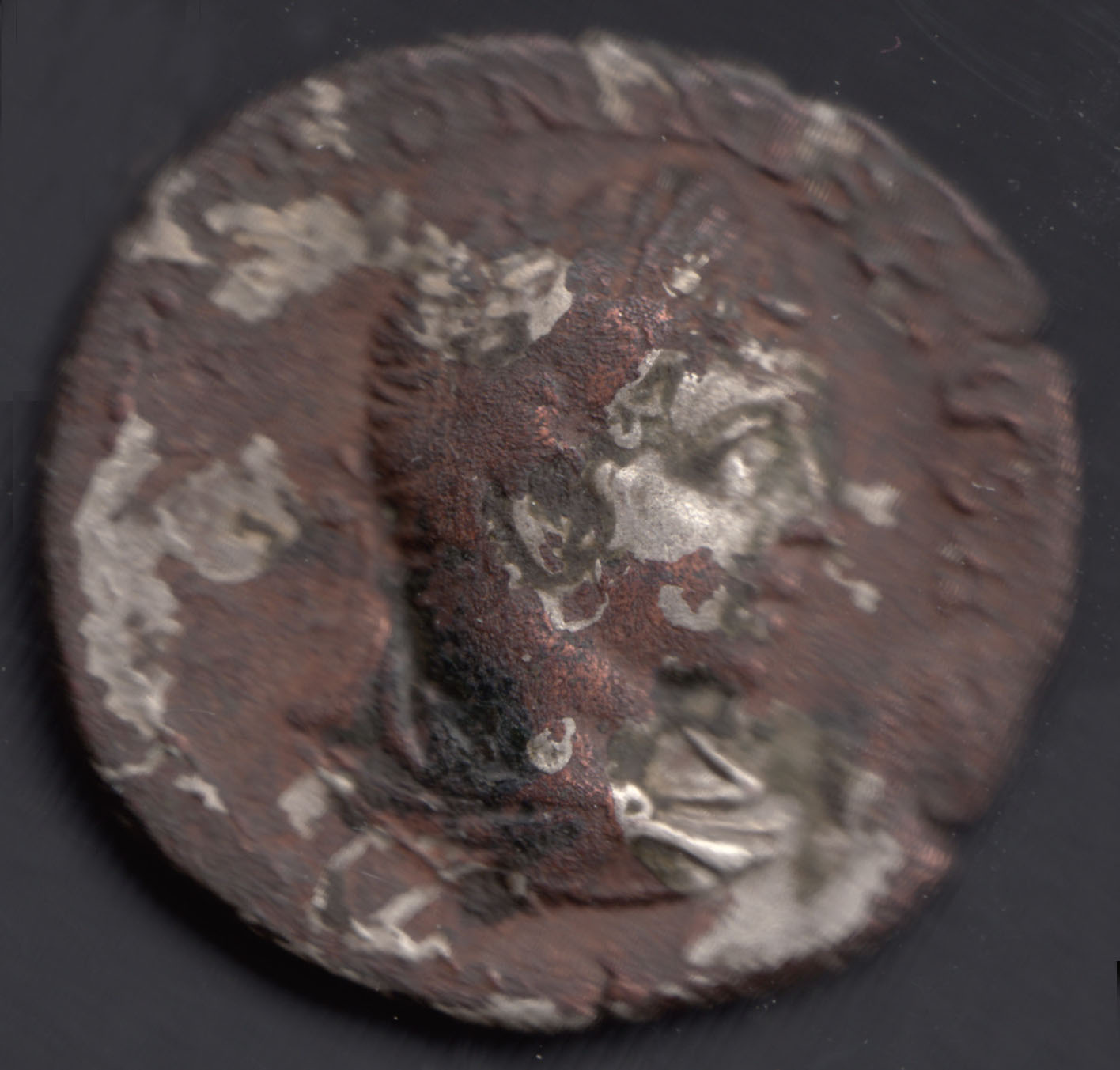 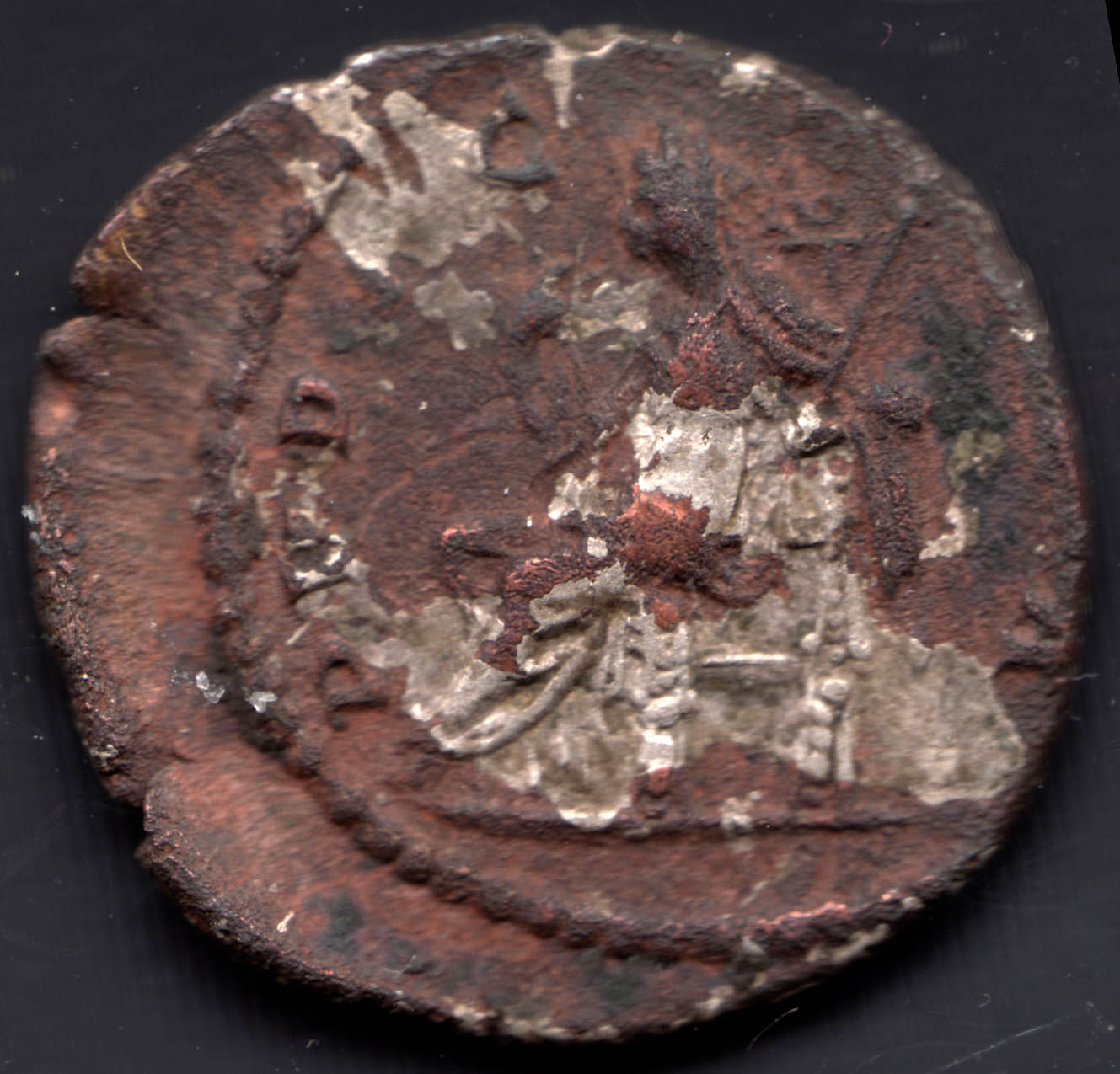 Here the design details are plainly evident in the bronze core, with little silver adhering on either side. It is very obviously a much thinner silver layer than the other example, which clings to the design contours. It would seem this layer of silver was applied to a blank bronze core and then the design was struck with a well made die (possibly purloined from the mint?). Whether this silver was applied from a very thin sheet, or possibly by the action of some sort of chemical wash, I cannot say, but it seems to have been an action applied to unstruck planchets. Edited by lrbguy
07/29/2017 12:31 pm
|
|
Pillar of the Community
Belgium
1194 Posts |
Here three examples of a fourree denarius : a fourree as new of Antoninus Pius ( RIC441 ) well made without any dammage . The coin looks as a real one,if there was not a difference in weight : 2,67 gr 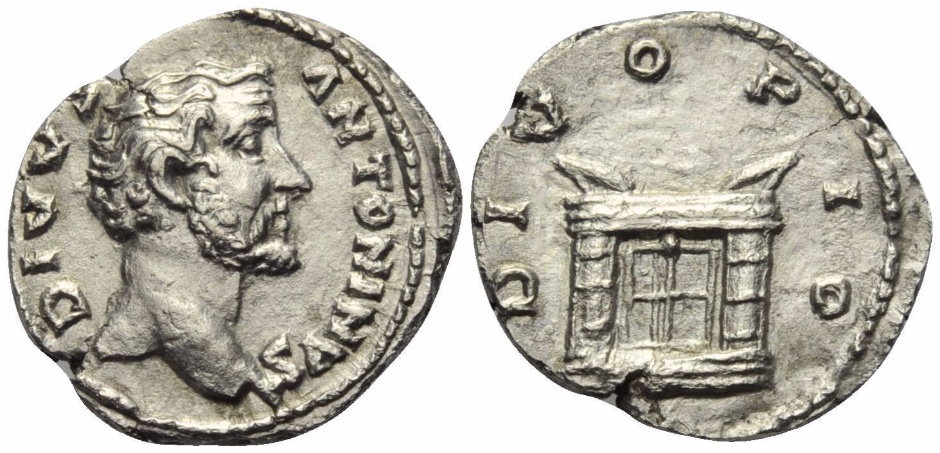 a fourree of Hadrianus (RIC 80) : the design is very well visible , a part of the silver has disappeared , but the design is also struck in the planchet , there is a little bit corrosion . Also a problem with the weight : 2,71 gr . 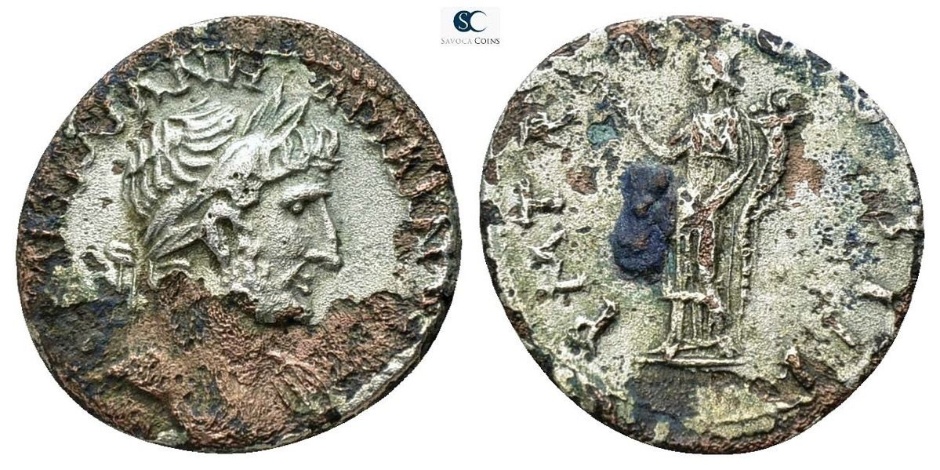 a fourree of Tiberius : the well know tribute penny ( RIC 30 ) : here also the design is struck in the core , but there is a lot more corrosion , therefore the design is less apparently .Weightproblem : 2,48 gr . 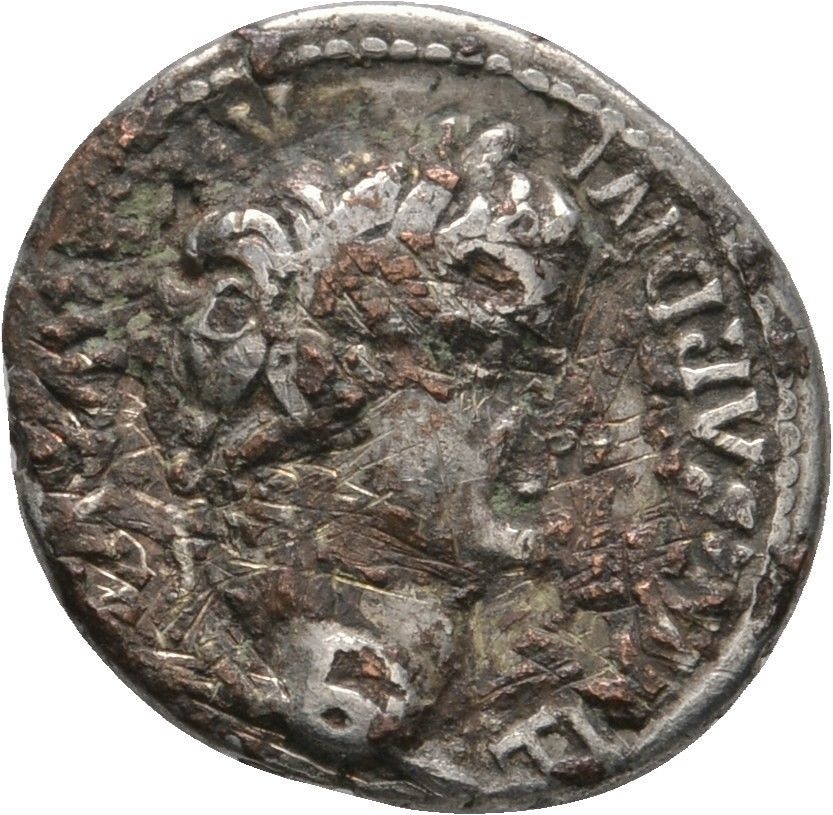 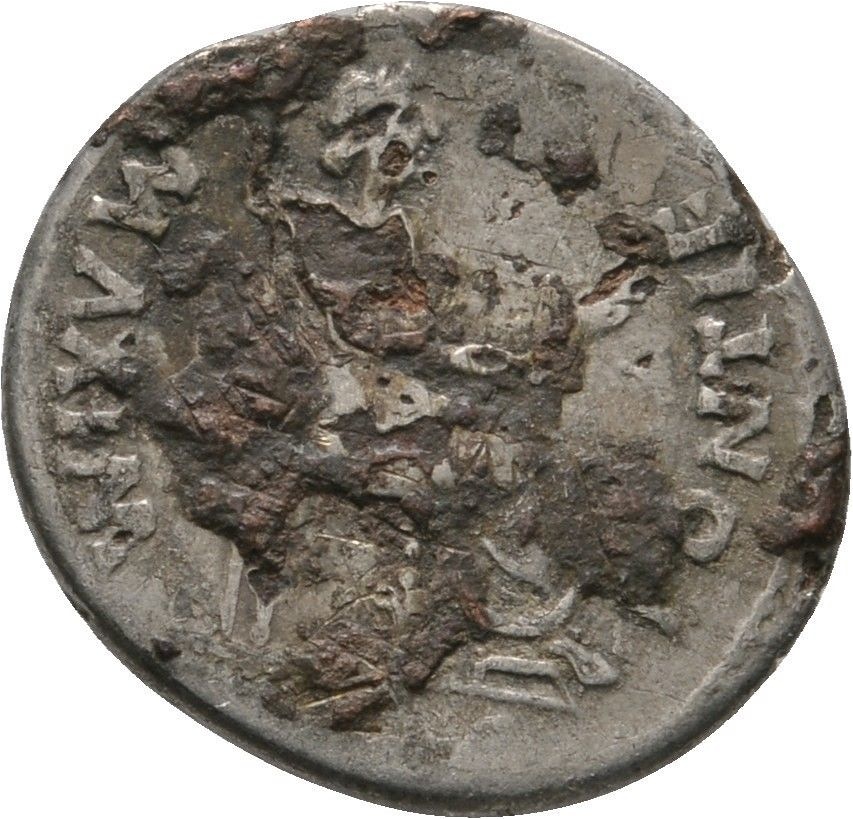 I think yhe problem of the Republican denarius is the degree of corrosion , to much is destructing the surface of the coin and the design. albert |
|
Pillar of the Community
United States
949 Posts |
Albert, you missed my point. The Republican coin has most of its silver on the reverse, but NEITHER SIDE shows the design in the bronze core. Only one side shows the kind of deterioration about which you speak. The later denarius appears to show a different technique for manufacture.
|
|
Pillar of the Community
United States
5010 Posts |
Is it possible it's a totally modern? Cast and plated? I have no idea really, I'm kind of in the dark about fourees. I just FINALLY picked up my first one a couple months ago. The details look nice, I bet when this had it's silver coat it look just like the real thing. Just about a gram short on weight however. 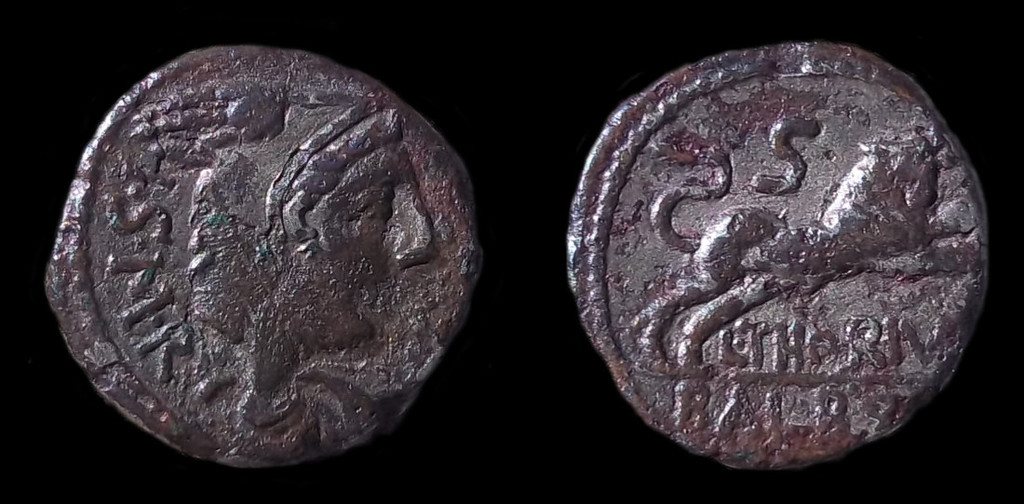 Roman Republic, Fouree Denarius imitating L. Thorius Balbus. 2.8g, 19mm, 3h; after 105 BC. Obv.: Head right of Juno Sospita, wearing goat-skin headdress; I. S. M. R. behind. Rev.: L.THORIVS // BALBVS; Bull charging right; S above. Reference: cf. Sear 192; Thoria 1; Cr. 316/1; Syd. 598. From the Doug Smith Collection #387 |
|
CCF Advertiser
United States
1318 Posts |
CHRSMAT71; About if it is a modern fake, here is how I feel for what it is worth. If you look at the site below that discusses making cast coins modern, silver was so cheap in the past 20 years, $5 an ounce quite often, there would be no need to have a bronze core if you were making it modern. So having the bronze core and no line around the coin kind of help say the coin is an ancient fake. But all I ever heard about ancient plating was a strike over the silver coated bronze. And this coin looks like it was made in a cast fashion so thanks to so many theories from folks above I have a few ideas as to what this is. Still I can't pin this down exactly which is a shame as everything needs to go in a box for me to feel comfortable looking at coins in general. Things like this can drive a person crazy really when you can't be sure what you are looking at. So again, if modern why the bronze core etc. And your example of the fake ancient denarius, yours shows signs like I normally see, your coin was struck over the silver directly no matter how they plated it. The letters have a higher side etc. My clearly plated coin looks like cast rounded blurred letters. http://www.calgarycoin.com/referenc...kes/cast.htmEdited by louisvillekyshop
07/30/2017 12:36 am
|
|
Pillar of the Community
United States
7067 Posts |
Joe, there is always the possibility that the coin passed through two rounds of (modern) bad guys. That is, that it was initially just one of the many modern tourist fakes produced in the wrong metal - it's common enough to see what are supposed to be gold or silver ancients cast in bronze or lead. There are a ton of fake tets cast in bronze on the fake boards, of course...coins that imitate silver issues. Presumably in such cases the forgers simply had more or easier access to bronze than silver, or perhaps their inventory of metal was based on casting mostly bronze coins. They, bad guys #1, did not care because most of their tourist victims were unfamiliar with what the archetypes look like. But, after an initial run of a particular low quality cast fake in bronze, what if bad guys #2 acquire a batch of these forgeries and decide they want to make a bit more money than the few bucks unsuspecting, non-ancients-collector tourists might pay? To try to pass the coins off as the real McCoys to a more enlightened crowd that knows a bit more than the average tourists, including the value of legit examples, the fakes would have to be dipped or plated in the metal the enlightened crowd would expect to see. Once plating is accomplished, the stock can be moved to coin shops, ebay, etc. Just speculation, of course. I do think the coin is a modern production, though. Here are some examples of modern silver plated casts of ancients...there are quite a few more on the fake boards: 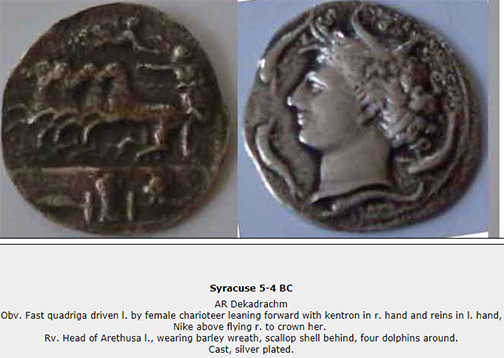 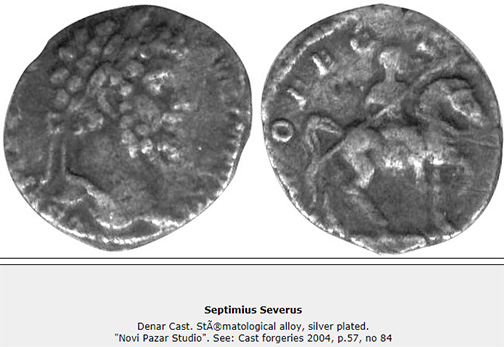 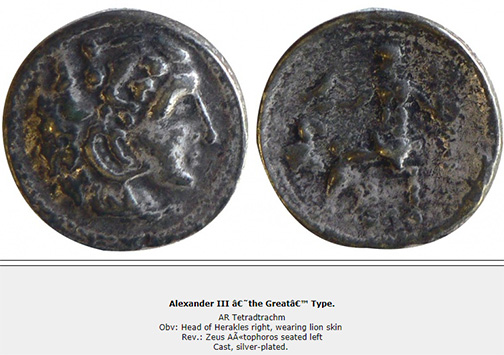 Edited by Kamnaskires
07/30/2017 11:06 am
|
|
CCF Advertiser
United States
1318 Posts |
Bob;
Well that certainly answers the question once and for all with the first and third coin in your examples. The name of the strong was do silver cast coins have bronze cores and the answer is apparently yes. So that reference you are using, that says those two are modern fakes not ancient fourees I imagine? Though the middle one might be more important as the metal alloy in the center was not available to ancients so if they created that and silver plated it it has to be modern.
|
|
Pillar of the Community
United States
7067 Posts |
Quote:
...do silver cast coins have bronze cores and the answer is apparently yes. Very common to see these among documented fakes, Joe. I'll provide a sampling below. Quote:
So that reference you are using, that says those two are modern fakes not ancient fourees I imagine Yes, they are modern creations. The examples above, and those below, are from the fake reports at Forum. There are lots of modern cast fakes that have bronze or base metal cores (and others with zinc and brass too) with silver and gold plating over top. Very common practice, it seems. Some examples provided below, with relevant wording from their descriptions. Vespasian denarius: "...match to a replica type produced in brass and plated with or to appear as silver and distributed as part of a 1975 promotion of Nescafe instant coffee in Germany." 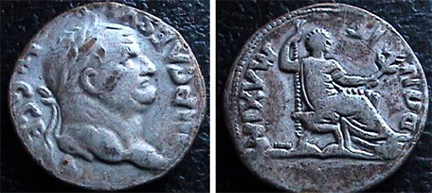 Lysimachos silver tetradrachm: "Silver plated on copper core." 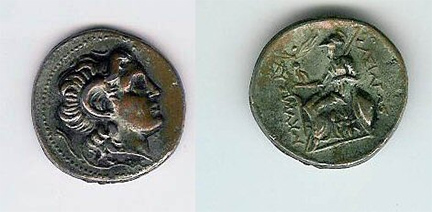 Postumus AV medallion: "Casting from a bronze alloy, gold-plated." 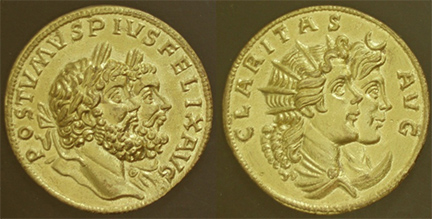 Licinius: "Cast and gold plated" 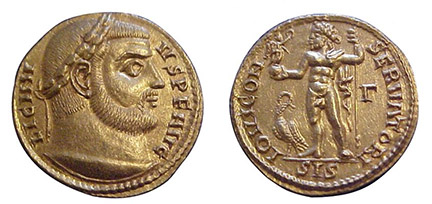 Philip II AV stater: "Cast, gold plated..." 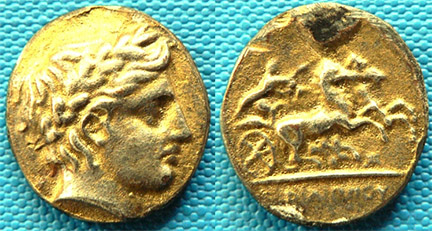 Phokis triobol: "...modern cast bronze forgery that has been silver-plated." 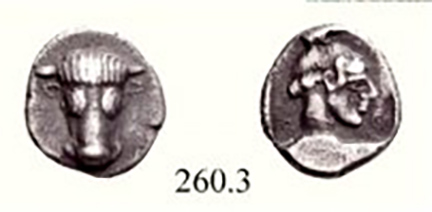 Hadrian denarius: "...modern cast in base metal and then plated." 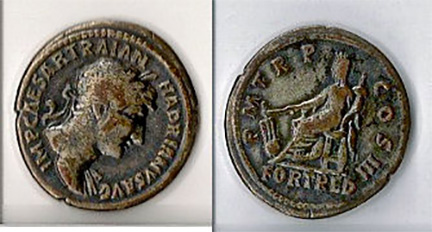 Vitellius AV aureus: "Cast from Slavey, gold plated." 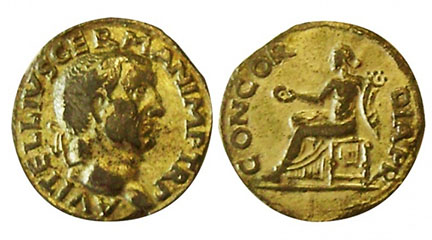 Bruttium AR nomos: "Appears to be AR plated cast AE or AE-like alloy." 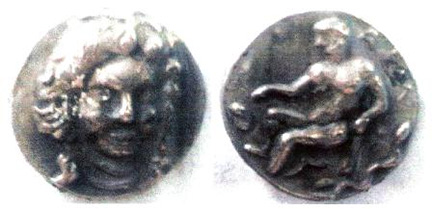 Nero Claudius Drusus denarius: "cast in pot metal and silver plated..." 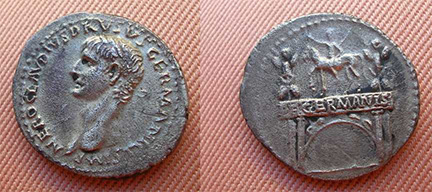 Judaean skekel: "...seems to be bronze plated with silver" (looks cast) 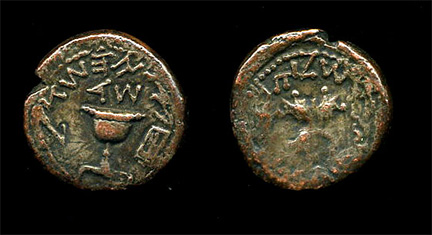 Magnesia, Ionia AR tet: "...plated base metal" (perhaps cast) 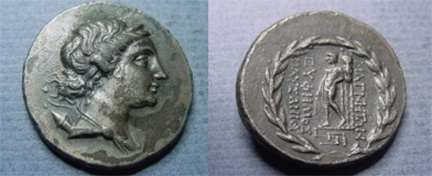 Ptolemy IV octadrachm: "...gold plated lead...This coin is a circa 1900 impression from the dies of Christodoulos..." 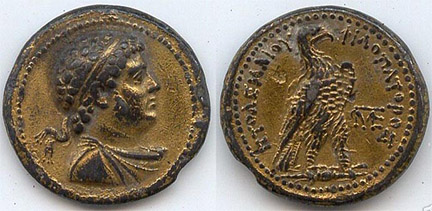 |
|
Pillar of the Community
Australia
653 Posts |
Here is my Tiberius "Tribute Penny" fouree. I like it for a number of reasons. The strong expression on the face of Tiberius. The amazing wear of the coin, showing up the crime perpetrated so long ago. It reminds me of the ancient saying "the wheels of justice turn slowly but grind exceedingly fine". I think this coin has great "character", revealing the flaws of humanity throughout the ages. This from the point of view of the crime committed in debasing the currency and thus the reputation of the Roman Empire. But maybe also from the point of view of the forger, who may have had to support a hungry family in an age of considerable injustice. Squire 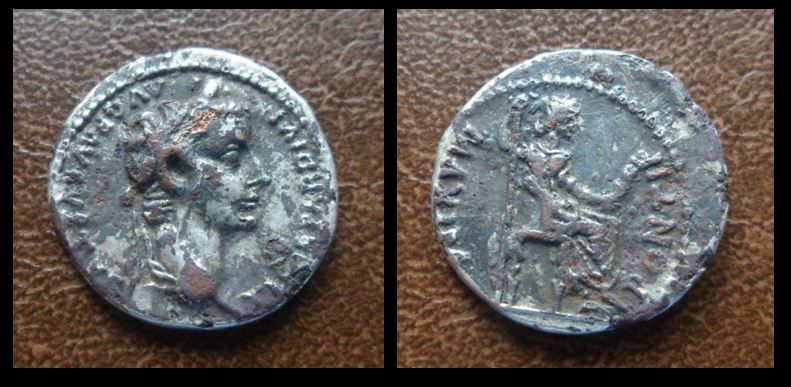 |
|
Pillar of the Community
United States
1767 Posts |
Not a bad array of examples but I do see some erros in your descriptions. Not that they are counterfeits but just in your descriptions. One does not gold plate lead. One may gold plate a copper/antimony/lead host coin. Pure lead or even 90-99%Pb? What kind of silver plate? Foil, Pre-Sheffield, Sheffield, Silver Elctrodeposited on the modern types? You are advanced ... I recommend for $3 take a look at my new book. Don't let the title fool you - its will help in your mettalurgical classifications. Your close but NOT ACCURATE. Prove me wrong after reading Chapter 3 ... just a SUGGESTION <BG>.
*** Edited by Staff - Link redacted, please use the proper forum for self promotion. ***
John Lorenzo
Numismatist
United States
Edited by colonialjohn
02/04/2018 2:15 pm
|
| |
Replies: 16 / Views: 4,453 |












 Posted 07/28/2017 10:50 am


