| Author |
 Replies: 16 / Views: 2,689 Replies: 16 / Views: 2,689 |
|
New Member
United Kingdom
36 Posts |
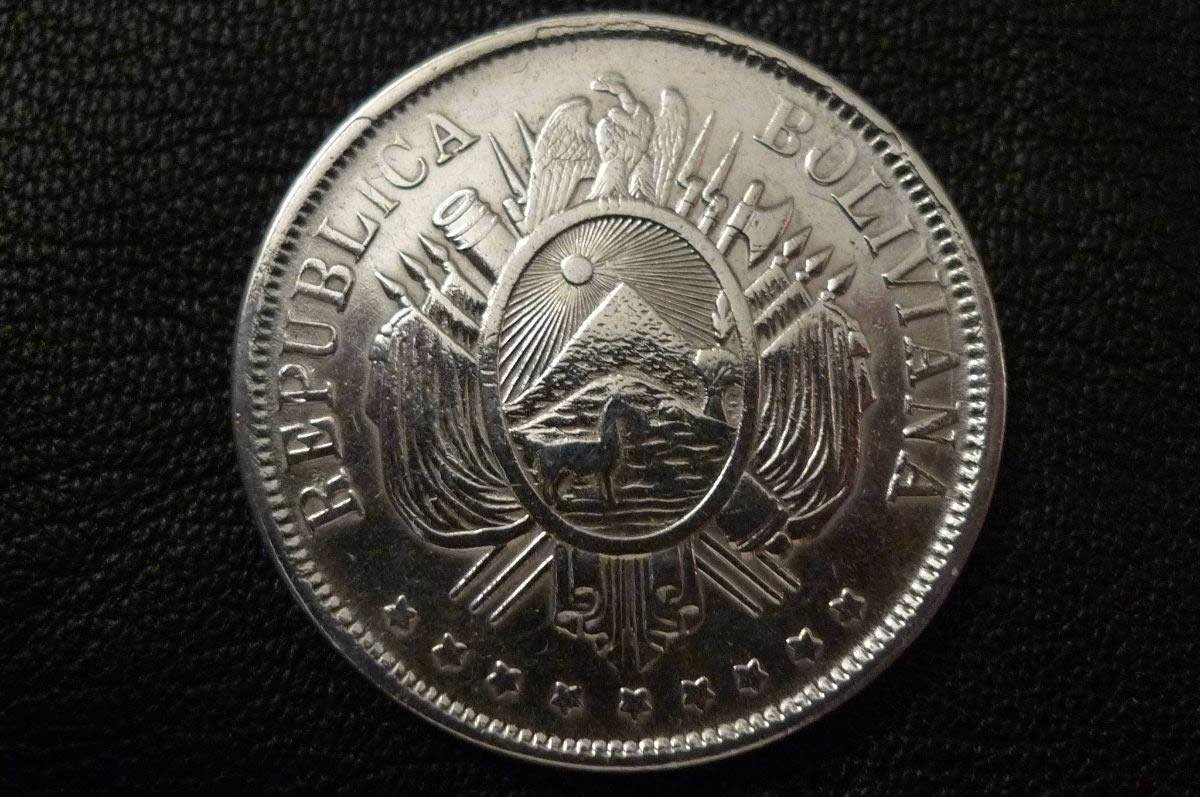
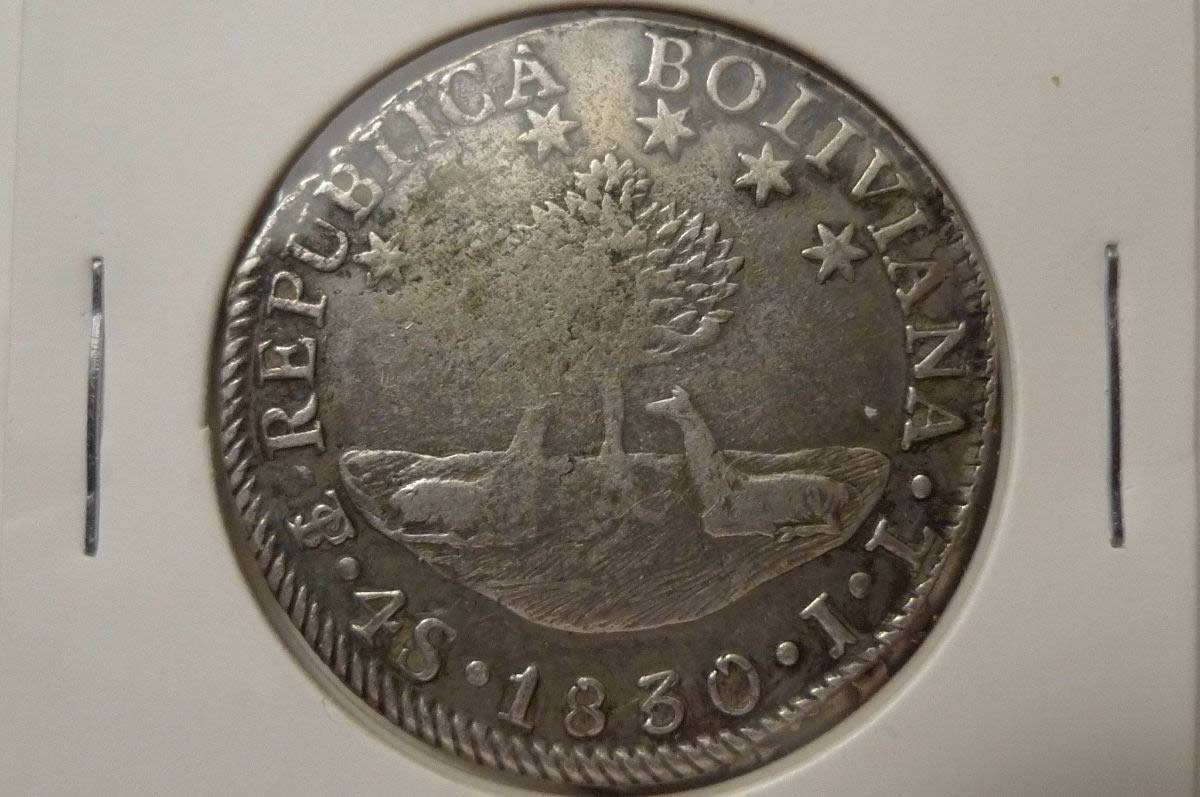
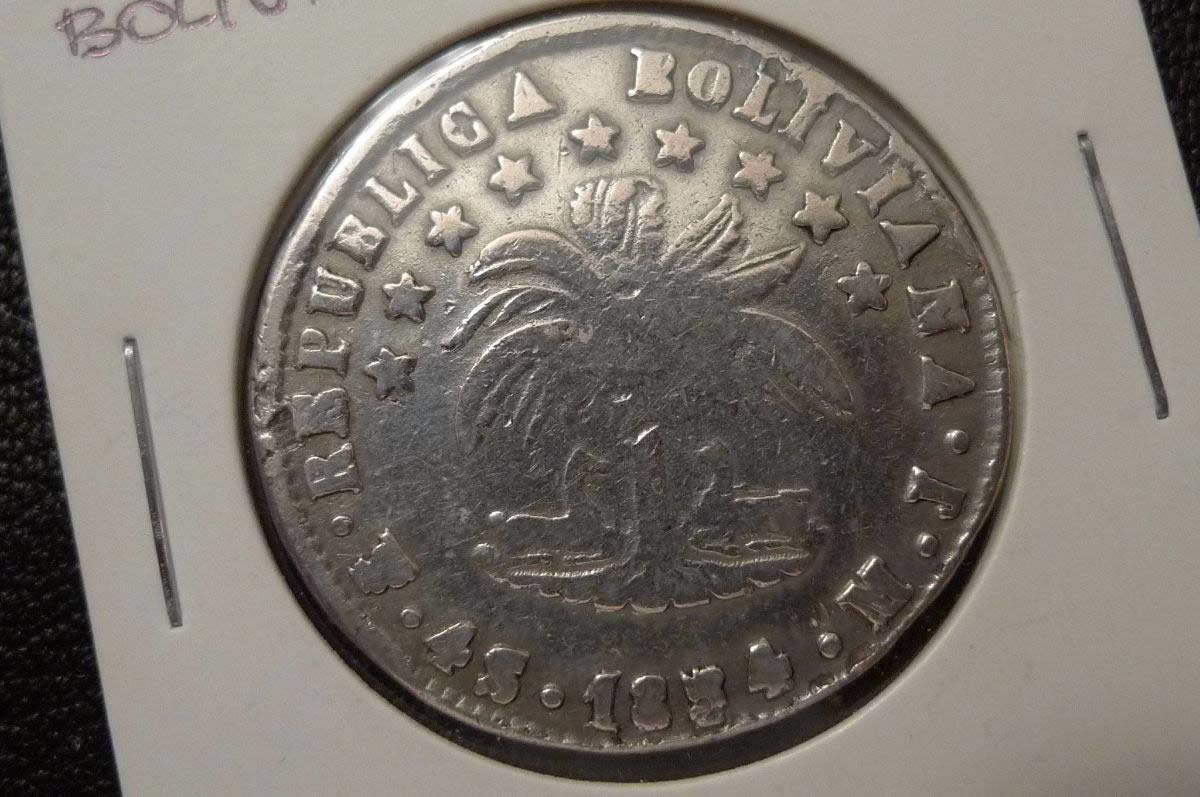
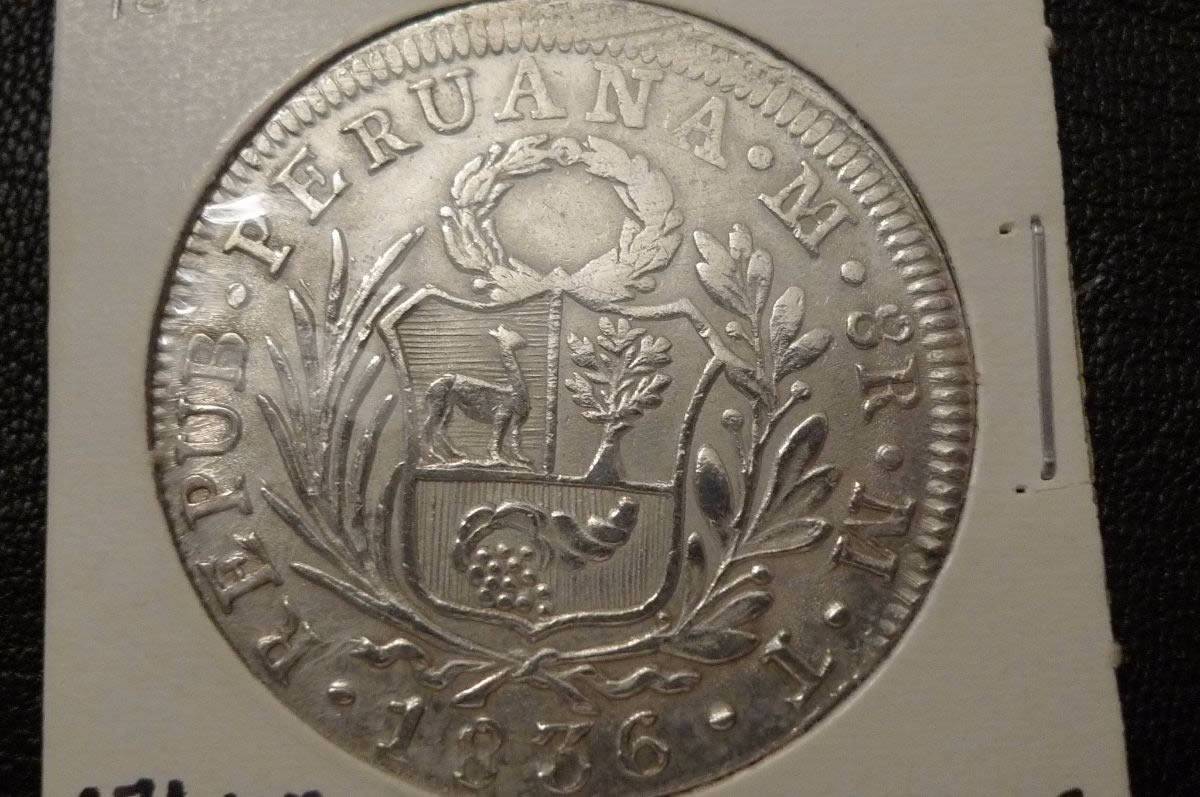
Hi, Had this a little while now but still can't quite decide what the cause of the issue could be. Hoping someone may have an idea of Even be able to point me in the right direction. Thanks, Mark. 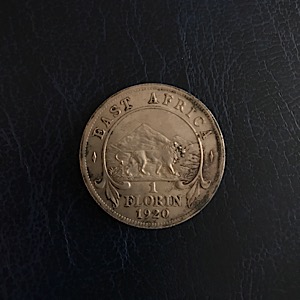 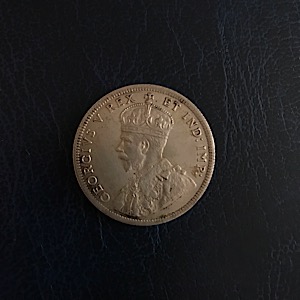 |
|
|
|
Moderator
 United States
34549 Posts |
@mark, just to be clear, are you referring to the darker areas located mostly on the rev?
"If you climb a good tree, you get a push."
-----Ghanaian proverb
"The danger we all now face is distinguishing between what is authentic and what is performed."
-----King Adz
|
|
Bedrock of the Community
Canada
24885 Posts |
Cause of the issue ?
what issue..please explain
Better quality picture will help
|
|
New Member
 United Kingdom
36 Posts |
Unfortunately the pics have to be 300px by 300 so I'm struggling quality wise, sorry about the poor explanation. I mean the bead on both sides but especially on the reverse where it looks somewhat distorted.
|
|
Moderator
United States
34549 Posts |
@mark, have you tried the CCF photo optimizer? It will get rid of all those wasted pixels currently being devoted to the black border around your coin. Here is the link: https://www.coincommunity.com/image-optimizer/I look forward to seeing some pics that help us to see what you are talking about. "If you climb a good tree, you get a push."
-----Ghanaian proverb
"The danger we all now face is distinguishing between what is authentic and what is performed."
-----King Adz
|
|
Bedrock of the Community
Australia
21792 Posts |
One year type and denomination, issued just before a coinage reform. That makes them quite scarce, despite the large number minted.
LOTS of suspicions coming up here - (reasoned speculation on my part):
I suspect that most were not issued but were melted. The few that survive today (I suspect) saw extensive circulation, because they are quite hard to find in top grades.
This looks to be in about good VF, and could bring up to $100 at auction for the easier to find no mm and H mm examples.
.500 fine according to Krause, but all the examples I have seen tend to be rather dark in appearance.
British .500 fine silver coins were made from quaternary metal 50% silver, 40% copper, 5% nickel, 5% zinc. The planchets were blanched in acid to leach out the base metals in the surface layer before being struck.
I suspect that that the East African silver coins of 1920 are a straight 50% silver, 50% copper alloy, but that they could have been made of quaternary metal as well.
Whatever the case, I suspect that they were NOT blanched with acid as were the British coins were, before being struck.
|
|
Pillar of the Community
United States
5362 Posts |
The 1920 East African shilling is a scarce enough coin to have been forged. So caution is clearly needed.
The edge of the coin - the high rim appears to have a fin that produces a shadow or accumulation of toning above the last A in AFRICA. You say the beads particularly on the reverse (same side) look odd - makes me wonder if you actually have a transfer image associated with modern forgeries made for collectors.
What does the edge reeding look like? Absolutely even and square to both faces, as it should be?
This coin requires a laboratory level analytical balance to measure density so that is ruled out for most collector offices.
Have you checked for magnetism? The alloy specified is NOT magnetic.
|
|
New Member
United Kingdom
36 Posts |
Is this a better image of either side ? 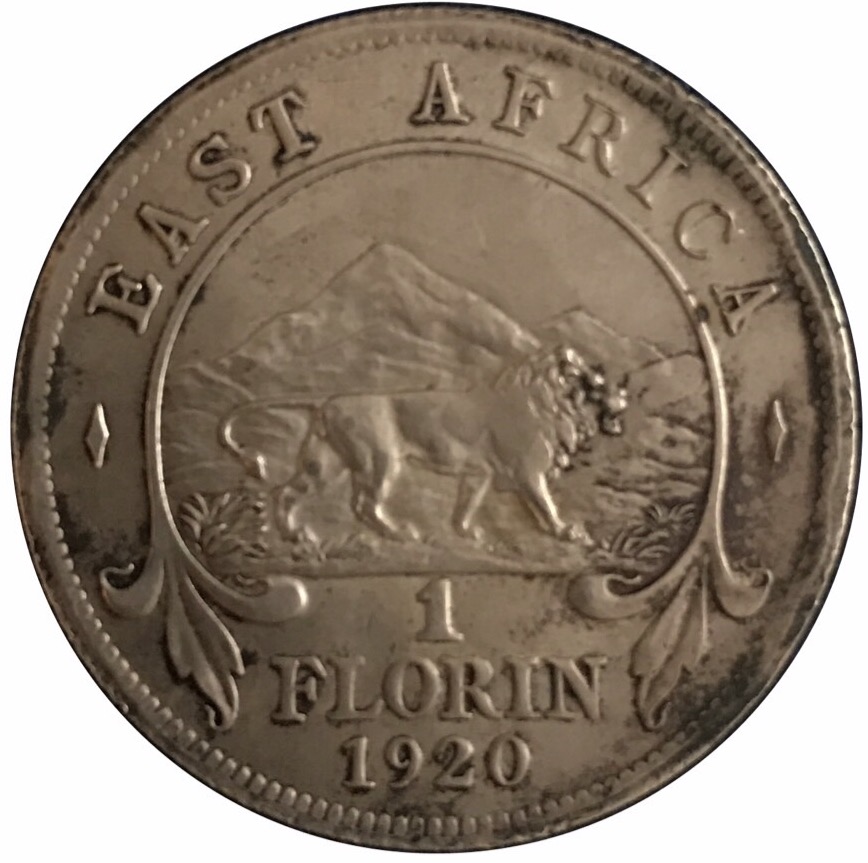 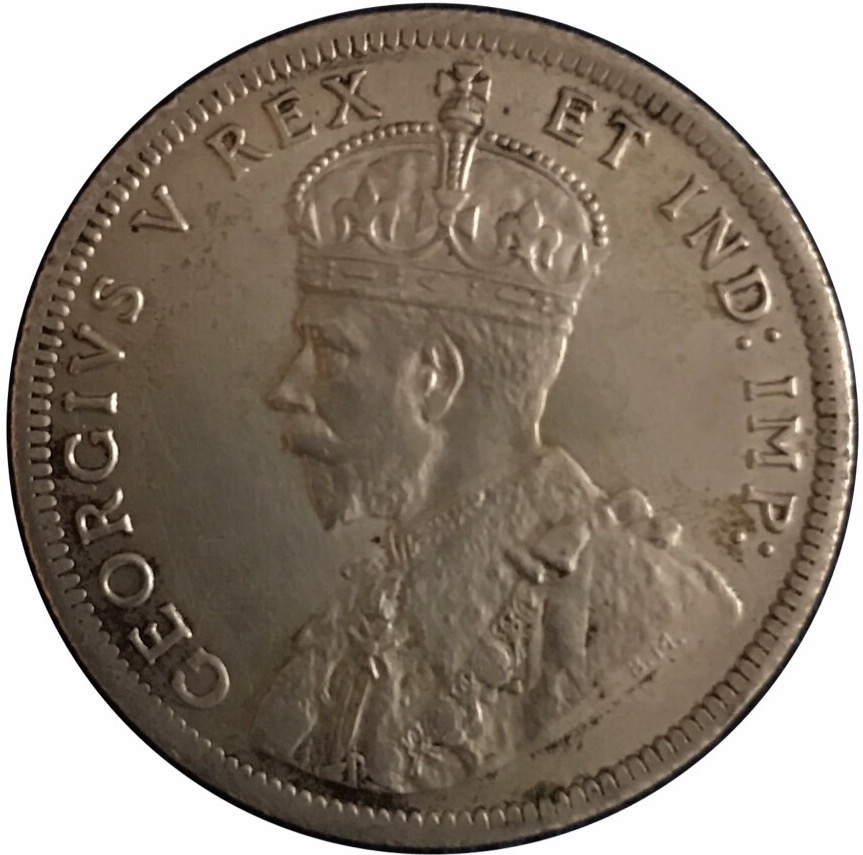 |
|
Bedrock of the Community
Canada
24885 Posts |
Edited by Dorado
09/02/2017 10:45 am
|
|
New Member
United Kingdom
36 Posts |
Dorado the question I have is what do you make of the beading at the edge of the design especially on the reverse seems very distorted and not perfectly round at 2pm to 5pm and seems to have an additional rim to it ?
|
|
Bedrock of the Community
Canada
24885 Posts |
@ Mark240590 Quote:
Dorado the question I have is what do you make of the beading at the edge of the design especially on the reverse seems very distorted and not perfectly round at 2pm to 5pm and seems to have an additional rim to it ? One step at the time** Have you checked for magnetism? ( swamperbob) Did you check the weight ? Composition: Silver Fineness: 0.5000 Weight: 11.6638g |
|
New Member
United Kingdom
36 Posts |
I didn't add Bobs post until just now.
I'm not new to this I completely know the backstory of these coins and how to detect fakes. The weight is correct, the diameter is correct. It pings correctly and also fetched a correct Specific gravity when I done it.
I've never seen a distorted border like this which makes me wonder though.
|
|
Bedrock of the Community
Australia
21792 Posts |
It may help if you post some pictures of the edge, showing the reeding, as Swamperbob has indicated.
|
|
Bedrock of the Community
Canada
24885 Posts |
|
|
Pillar of the Community
United States
5362 Posts |
The pictures of the edge are much clearer. There are several problems that now show rather clearly. That is not a simple collar seam. It looks far more like an attempt to adjust the die diameter by adding a small amount outside the margin to adjust for shrinkage. Aside from that, the loss of fine detail and lack of sharpness to the design shows far better.
I would be very concerned that the coin is simply not genuine. The date of 1920 makes an XRF test unlikely to be of use in detecting a critical trace element. It might be of use to insure that it is silver - but that leaves only a confirmation of melt value.
I presume that the check of the reeds showed nothing out of the ordinary?
|
|
New Member
United Kingdom
36 Posts |
Sorry guys, been ridiculously busy.
The edge reeding looks perfectly normal for the era. Probably will take it for an XRF if it's cheap enough as Bob says though that only guarantees melt. Good job I only paid around melt anyway!
|
| |
Replies: 16 / Views: 2,689 |







 Posted 09/01/2017 5:19 pm