| Author |
 Replies: 18 / Views: 7,563 Replies: 18 / Views: 7,563 |
|
New Member
20 Posts |
Edited by PennyLover76
09/30/2017 10:30 am
|
|
|
|
Valued Member
United States
406 Posts |
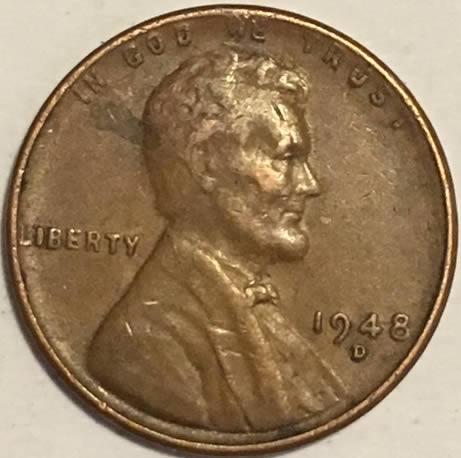
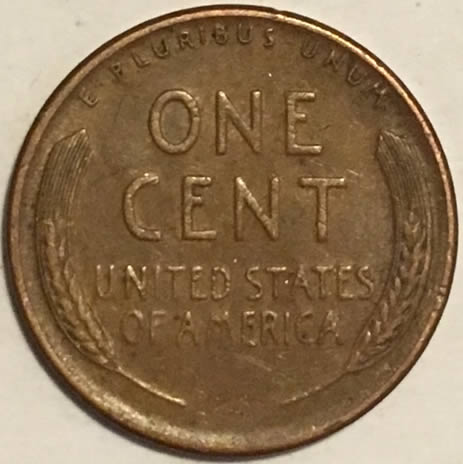
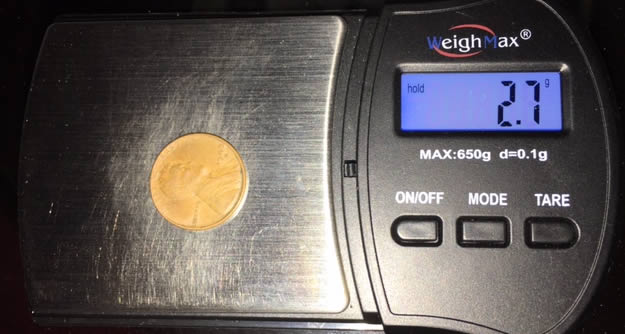
Well, the mint tolerance for a cent is 0.13 grams, so your cent is definitely not normal. Without pics it would be difficult to tell, but it might be an underweight planchet.
|
|
New Member
 20 Posts |
One person in the Numismatic community told me to go ahead and spend it...?!?
I replied back, "Maybe I should make a wish?" Hahahahaaaa
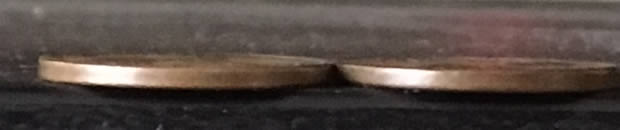
Another gentleman inquired about the planchet thickness? No difference?
|
|
Rest in Peace
United States
17900 Posts |
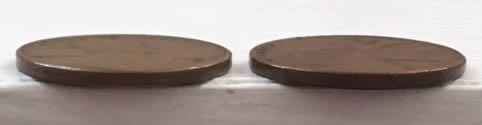
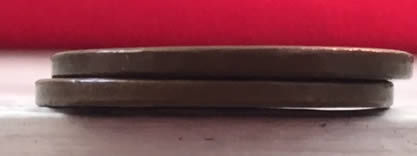
If you can show us a photo of this coin stacked on top of a normal weight cent on the edges, that might show us something.
|
|
Pillar of the Community
7234 Posts |
The rims may be the same thickness from the strike but doesn't mean the rest of the interior of the cent is normal thickness. I'm thinking pre strike plantchet may just have been slightly thinner/underweight than normal.
Edited by Mark1959
09/30/2017 12:53 pm
|
|
New Member
20 Posts |
It's just kind of crazy that it weighs the same as the 1943... I was reading about things getting stuck in the hopper, or things are done on accident, like throwing aluminum planchets into a business strike hopper? I crack myself up sometimes.. I've talked to everyone in the Coin World, including the mint; and the only way I'm going to find out for sure is to have it graded. But if there isn't another example to compare it to, how would I know it's alledged value? |
|
Moderator
 United States
23522 Posts |
Why should an underweight planchet have additional value? Yes, it's interesting, but it's hardly unique and far from the first we've seen here. Searching this forum alone will provide plenty of examples, and there are a ton more to be found via Google.
|
|
New Member
20 Posts |
If you could send some links with the examples, I would greatly appreciate it. Thank you for your input, it is very helpful.
|
|
Moderator
United States
56855 Posts |
Not to sound dumb,but the first thing I would do is make sure the scale is accurate. It could be struck on a rolled thin planchet. John1  Edited by John1
09/30/2017 4:14 pm
|
|
Moderator
United States
34562 Posts |
@pl76, it is very easy to search CCF using the box in the upper left of your monitor/screen. If you use UNDERWEIGHT CENT as your keywords, you will find many previous examples. Some were dipped in acid, others were minted with thin or non-flat planchets. Here is one example: http://goccf.com/t/160347&whichpage=1Yours doesn't look like acid-treated to me, but I'm not sure why there is a weight discrepancy. Double-checking your balance to make sure you are getting accurate readings would be one place to go. "If you climb a good tree, you get a push."
-----Ghanaian proverb
"The danger we all now face is distinguishing between what is authentic and what is performed."
-----King Adz
|
|
Bedrock of the Community
United States
62064 Posts |
I'm thinking a roll thin planchet. There is a little bit of weakness on the 12:00 obverse devices and the 6:00 reverse devices. So that may be the cause of a lighter planchet. If so that area on the edge would be thinner there.
Edited by coop
09/30/2017 2:25 pm
|
|
Moderator
United States
56855 Posts |
I like it when I think like coop  John1 |
|
New Member
20 Posts |
|
|
Bedrock of the Community
United States
79394 Posts |
It's most likely a Rolled Thin Planchet. I think Coop is correct as I can see some weakness going on because of it.
Errers and Varietys.
|
|
New Member
United States
2 Posts |
Possible a dime planchet?
|
|
Rest in Peace
10197 Posts |
Hardhead, think man. a dime planchet that year would be a tiny bit different color, don't ya think?  BTW"Coop" is Richard S. Cooper, one of the experts in the field of Doubled Dies and Repunched Mintmarks. He's forgotten more about coins than most of us know to begin with. You can trust his calls on what these things are, trust me, as Axel Foley would say...  ! Edited by Crazyb0
10/03/2017 04:11 am
|
| |
Replies: 18 / Views: 7,563 |













 Posted 09/30/2017 10:14 am


