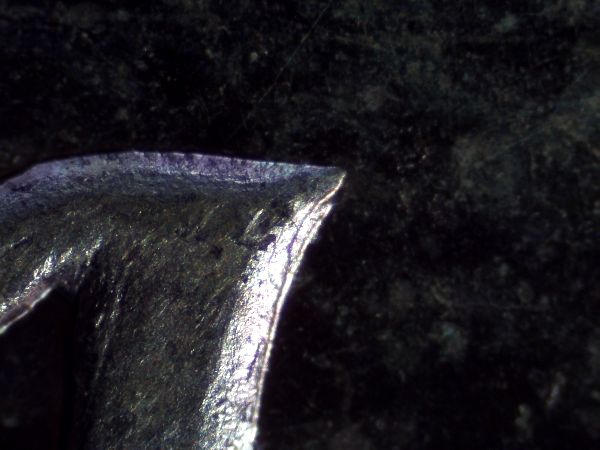
This must have been observed if not documented previously, but I believe there are three positions of the 7 for the 1947 Maple Leaf dollar. These appear on both specimen and business strikes. 2012 Charlton does not mention it. If it's documented elsewhere perhaps this will add to it.
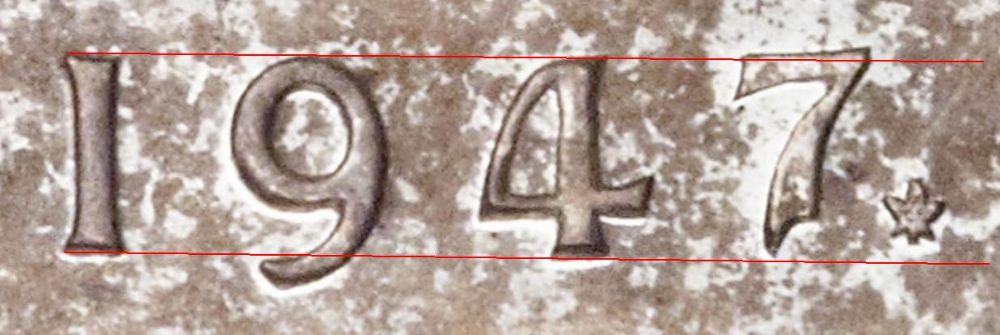
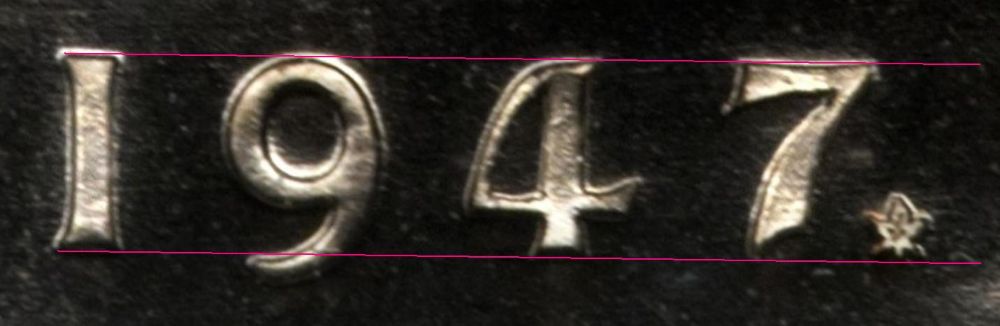
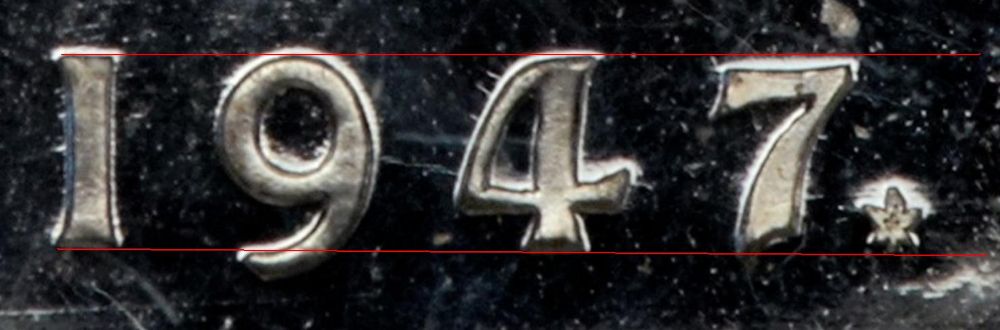
"High 7" - 1/9 even, 7 high, 4 possibly slightly high. 7 rotated left. 4 slight left rotation. ML bottom quite high, ML left side right of 7. "Narrow 4" - 4 closer to 9 than "low 7". Possibly all are 7/7 (see below).
"Level 7" - 1/9/4/7 even. No rotation of 7. ML bottom even. ML left side ~even with 7. "Narrow 4" - 4 closer to 9 than "low 7".
"Low 7" - 1/9/4 even, 7 low. 7 rotated left. ML bottom marginally low. ML left side right of 7. "Wide 4" - 4 farther from 9.
Business strikesHigh 7 (MS64):
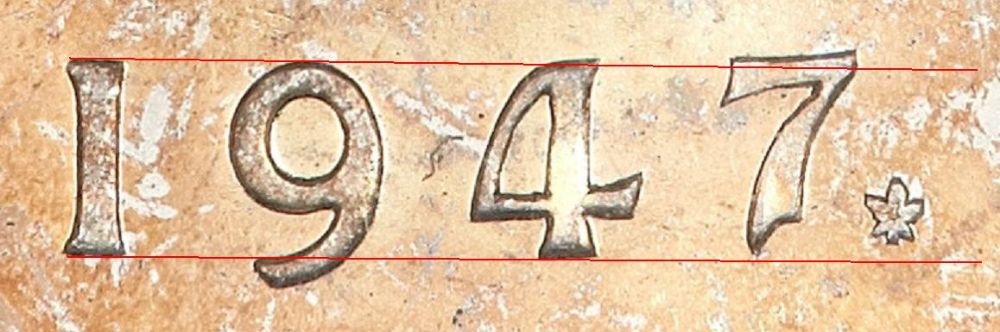
Level 7 (MS65):
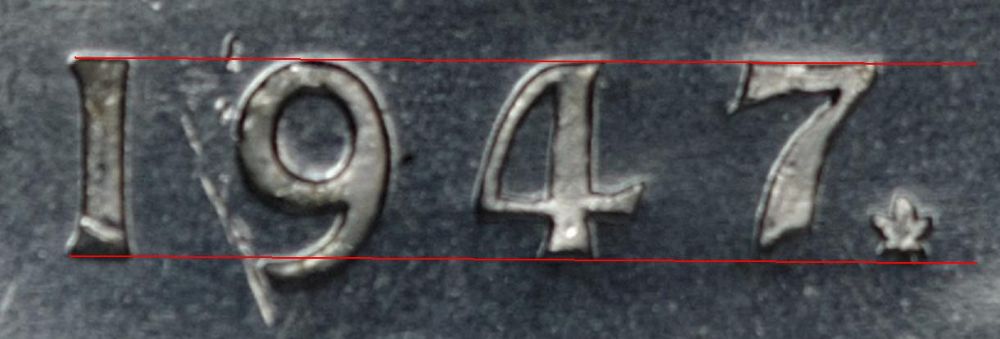
Low 7 (MS64):
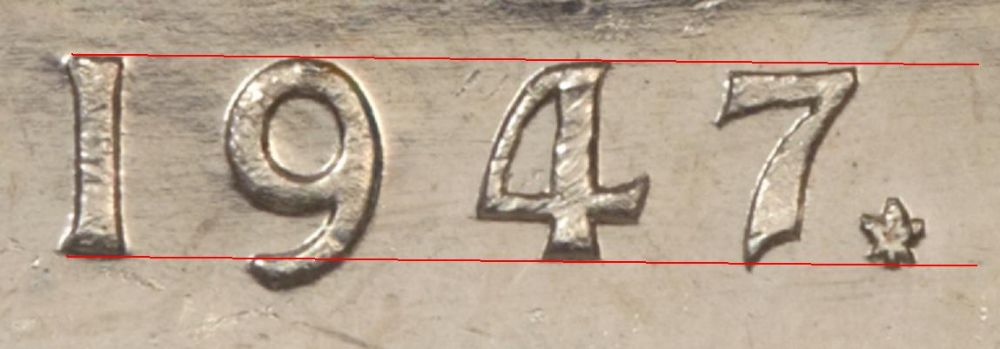 Specimen strikes
High 7 (SP64):
Level 7 (SP65):
Low 7 (SP66):
I first started looking for other 7/7 after I noticed a repunch on mine at 40x. I began noticing variations in the position of the 7 and Maple Leaf.
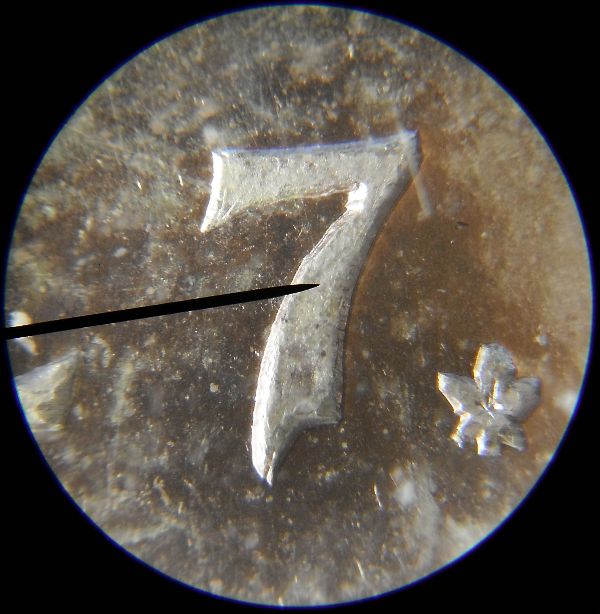
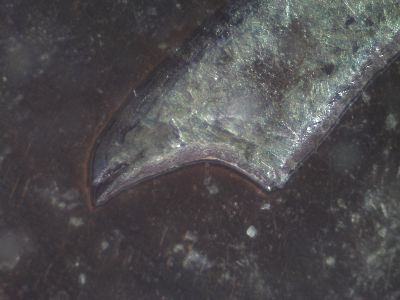
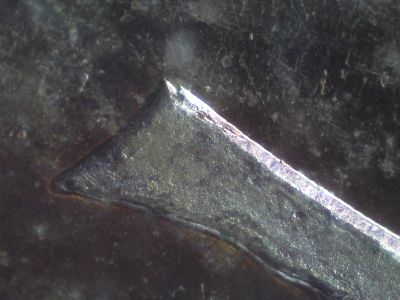
Mine is a "high 7".
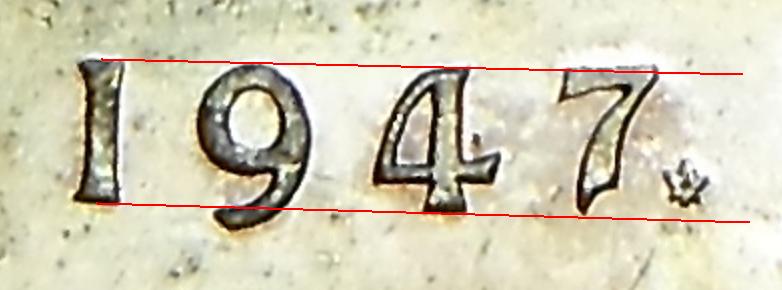
Several other "high 7" images show evidence of the 7/7 forked tail.
It's interesting that the same date variations all also appear on specimen coins, causing me to wonder if the specimen dies were utilized for circulation coins like the 1947 dot situation.
At first I thought these might be the same dies as the wide/narrow dates documented in Charlton for the regular 1947 BL7, but with the ML added. It may be that the wide date is the same as my "low 7" die but I don't see a match with the "narrow date low 47".
I see evidence that the same master die with "19" was used for all George VI dollars, which implies that the other digits were punched into working dies, but it's probably best to save that discussion for later.









 Posted 10/01/2017 2:04 pm