

 Posted 10/24/2017 12:34 pm


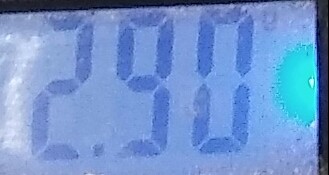
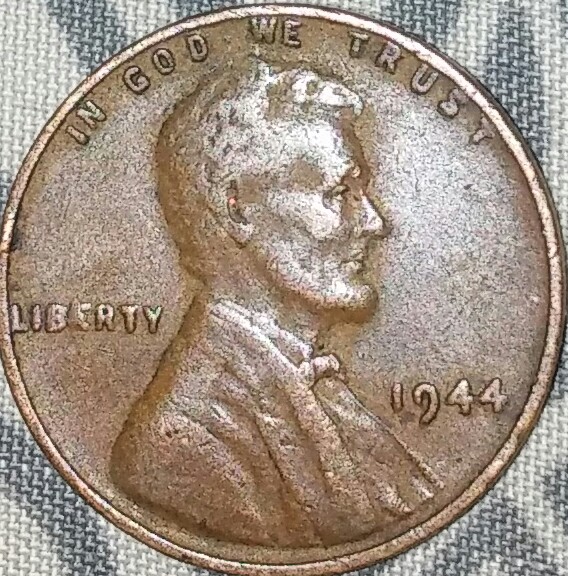
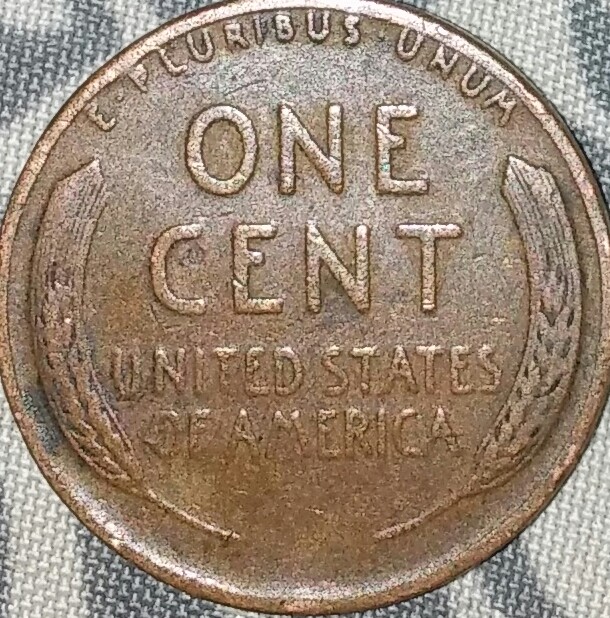
The "standard" weight is 3.11g w/ tolerances of .13g, makining it at 2.98g...you're talking a very slight difference there, not enough to be considered a planchet underweight error. Also, remember these were made out of used brass shell casing, variations in alloy content would also effect weight, slightly of course for the 1944-1946 cents.
Then take off for wear, very slight and a possibility of a micron or two thinner planchet stock plate...no big deal...no evidence of a thinned planchet on strike
Hint #462: When receiving or opening rolls of wheat cents, run a magnet through the pile first. This will grab any steel coins out eliminated wasted time looking for a one in 10 BILLION chance
Hint #463: I keep my collapsible inspecting wand stuck on my desk light.
Then take off for wear, very slight and a possibility of a micron or two thinner planchet stock plate...no big deal...no evidence of a thinned planchet on strike
Hint #462: When receiving or opening rolls of wheat cents, run a magnet through the pile first. This will grab any steel coins out eliminated wasted time looking for a one in 10 BILLION chance
Hint #463: I keep my collapsible inspecting wand stuck on my desk light.
Edited by Crazyb0
10/24/2017 12:44 pm
10/24/2017 12:44 pm