| Author |
 Replies: 16 / Views: 2,784 Replies: 16 / Views: 2,784 |
|
Valued Member
United States
100 Posts |
I just found this one while coin roll hunting from a local bank. I have never seen a lamination quite as extreme as this one. It would take little effort to actually peel the date right off the coin. 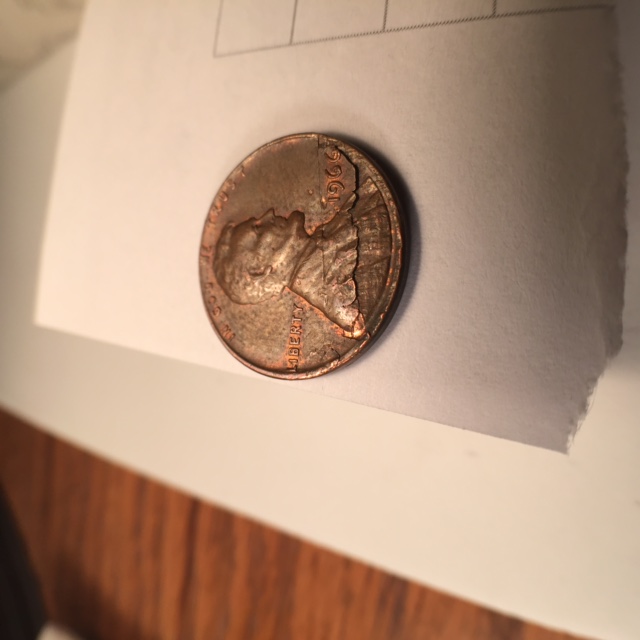 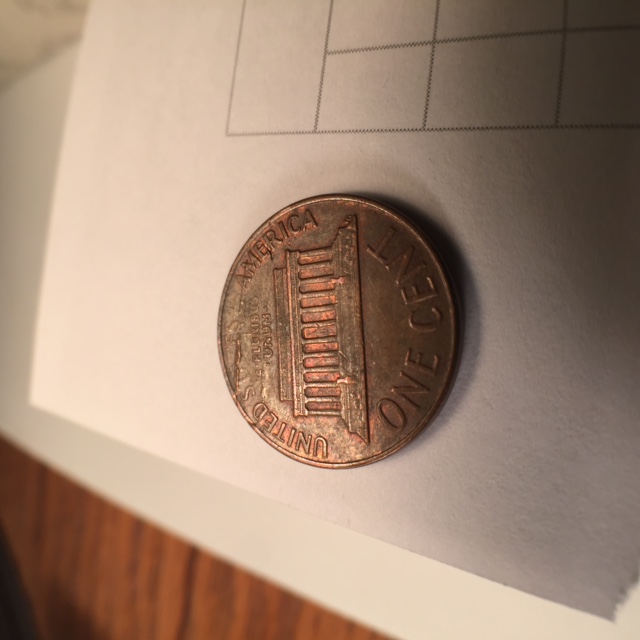 |
|
|
|
Pillar of the Community
Canada
3733 Posts |
|
|
Pillar of the Community
United States
6196 Posts |
Now that is one super attractive lamination! Great coin. With these it is all about the eye appeal, as I just sold off one of mine with a rather massive lamination problem and only got $4.25 for it. But as you can see, it's ugly compared to OP's awesome example. 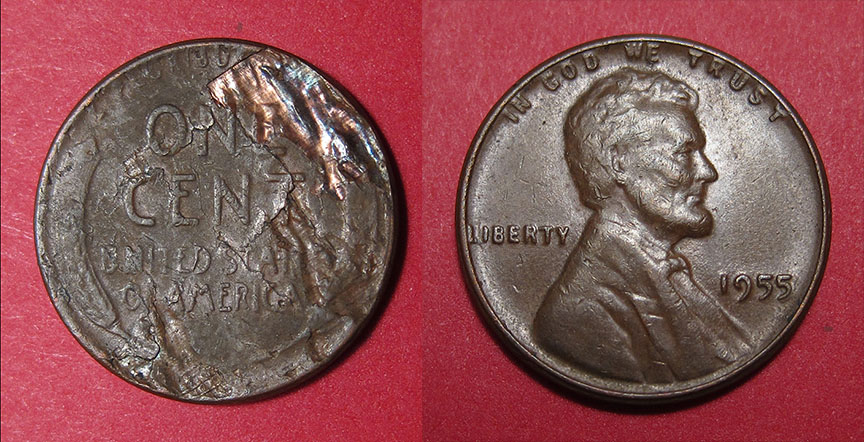 |
|
Valued Member
 United States
100 Posts |
I'm curious how this type of error occurs during the minting process. My first thought would be a faulty planchet, but these examples might show that perhaps there was too much pressure applied(?, just a guess). Perhaps one of the experts here could shed some light on this. Many thanks!
|
|
Moderator
 United States
23522 Posts |
Quote:
I'm curious how this type of error occurs during the minting process. My first thought would be a faulty planchet, but these examples might show that perhaps there was too much pressure applied(?, just a guess). Perhaps one of the experts here could shed some light on this. Many thanks!
The original fault is in the base stock, and it becomes possible to split when the planchet is punched across an edge which is capable of separating, as on your coin. The pressure of the strike probably plays a role, since that's sufficient to make metal literally flow and therefore probably breaks whatever bond still exists between the two layers. This is a fun coin. There are examples where the entire face falls away, so it doesn't really qualify as "extreme," but I'd certainly call it "advanced" and it wouldn't leave my collection if I ran across one like it.  |
|
Bedrock of the Community
United States
62064 Posts |
on the OP's image, I would like to see the USA and EPU area closer. If that area is weak, this lamination may have peeled before the strike. (That is what I'm seeing on the image of the reverse) That would explain why the reverse would be weak. Another reason I feel for the lamination peeling happening is during the planchet creation when the up set rim is added to the blank making it a planchet. I feel this may loosen any laminations. Most stay attached and struck in place. But sometimes they fall off before the strike. So a close up would show me more for the reverse upper part of the coin and also a close up of the lamination area. If the design is strong there, that would also show the Lamination peeled before the strike. Here is an edited version from the images provided. 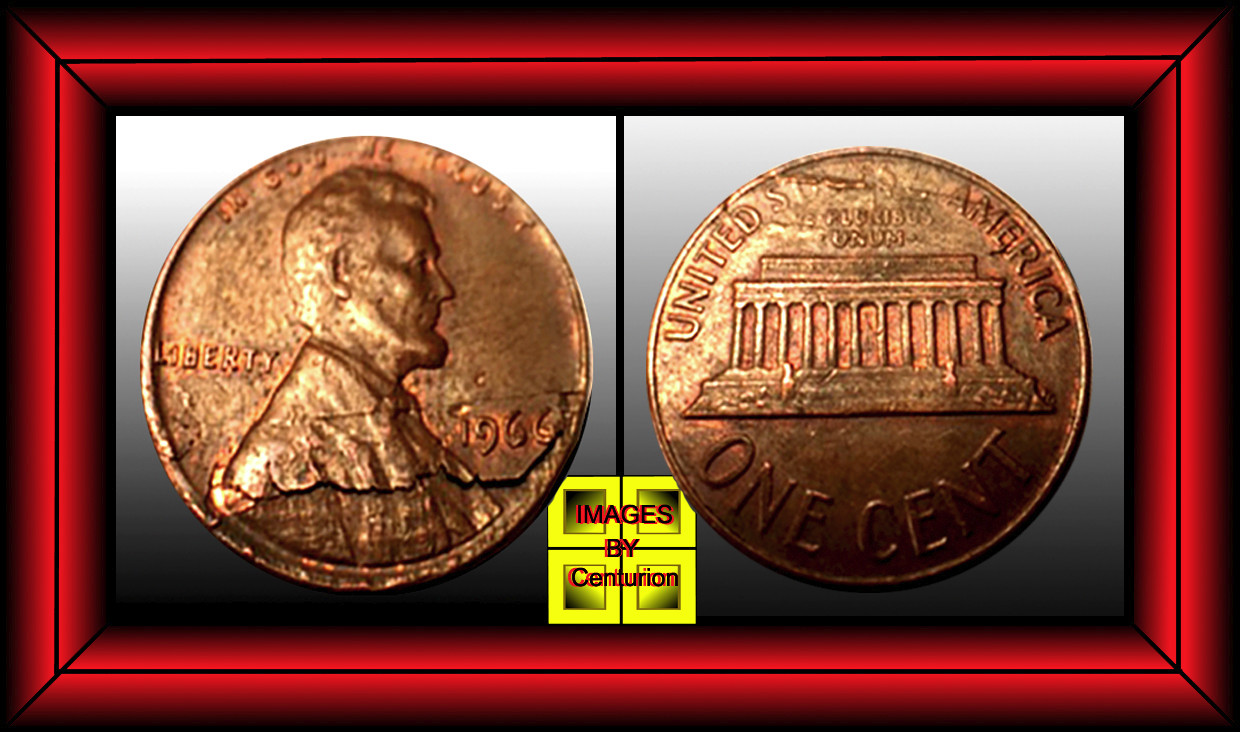 Still not sure if it is a pre/post lamination? Edited by coop
11/09/2017 12:50 pm
|
|
Moderator
United States
195559 Posts |
Nice find!  |
|
Valued Member
United States
100 Posts |
I shall try to take better close-up shots of both sides tonight after work. Hopefully, this will shed some light on coop's comment. Thanks again...
|
|
Bedrock of the Community
United States
94367 Posts |
|
|
New Member
49 Posts |
Very nice find! Glad to see another whom appreciates the lowly brown cent. There really aren't many of us left that search modern Lincoln circulated cents in volume. Time to bananna dance !  |
|
Rest in Peace
United States
17900 Posts |
Congratulations. That is a sweet find.
|
|
Formerly coinlover1899
 United States
3058 Posts |
That is awesome!
www.InGodWeTrustCoins.com
|
|
Valued Member
United States
100 Posts |
Thanks, everyone. I was unable to get any clearer photos (my camera and phone are only so good, and I cannot seem to get the lighting just right), so I cropped and zoomed in on my original photos. I hope they are somewhat clearer, probably not as good as Coop's enhancements. 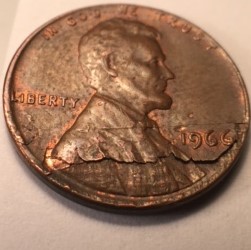 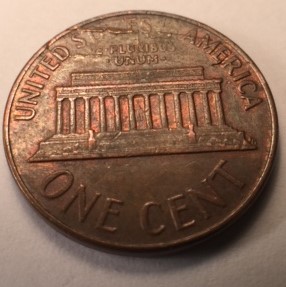 |
|
Bedrock of the Community
United States
62064 Posts |
Well I'm now leaning towards a post strike lamination. The area where the lamination happened, should be as smooth as the upper bust area. But still a great coin to hang onto.
|
|
Bedrock of the Community
United States
12477 Posts |
I assume it's possible that the obverse lamination peel occurred post-strike and the reverse pre-strike.  Either way, that's a definite keeper and a true one-of-a-kind error! I agree with your hypothesis, coop. If a blank already has alloy bond problems, then the horizontal compression introduced by the upsetting mill could certainly bring those flaws to their separation points either partially or completely. In Memory of Crazyb0 12-26-1951 to 7-27-2020
In Memory of Tootallious 3-31-1964 to 4-15-2020
In Memory of T-BOP 10-12-1949 to 1-19-2024
|
|
Valued Member
United States
100 Posts |
Thanks everyone for your help. The coin seems kind of fragile so I will definitely place it into a protective plastic 2X2 for safe keeping. This one is definitely staying in my collection.
|
| |
Replies: 16 / Views: 2,784 |










 Posted 11/09/2017 08:23 am


