Coop, you again beat me to it. My previous response was incomplete, hadn't woke up yet. Here's my response in an email question about this and not seeing where the OP sees doubling.
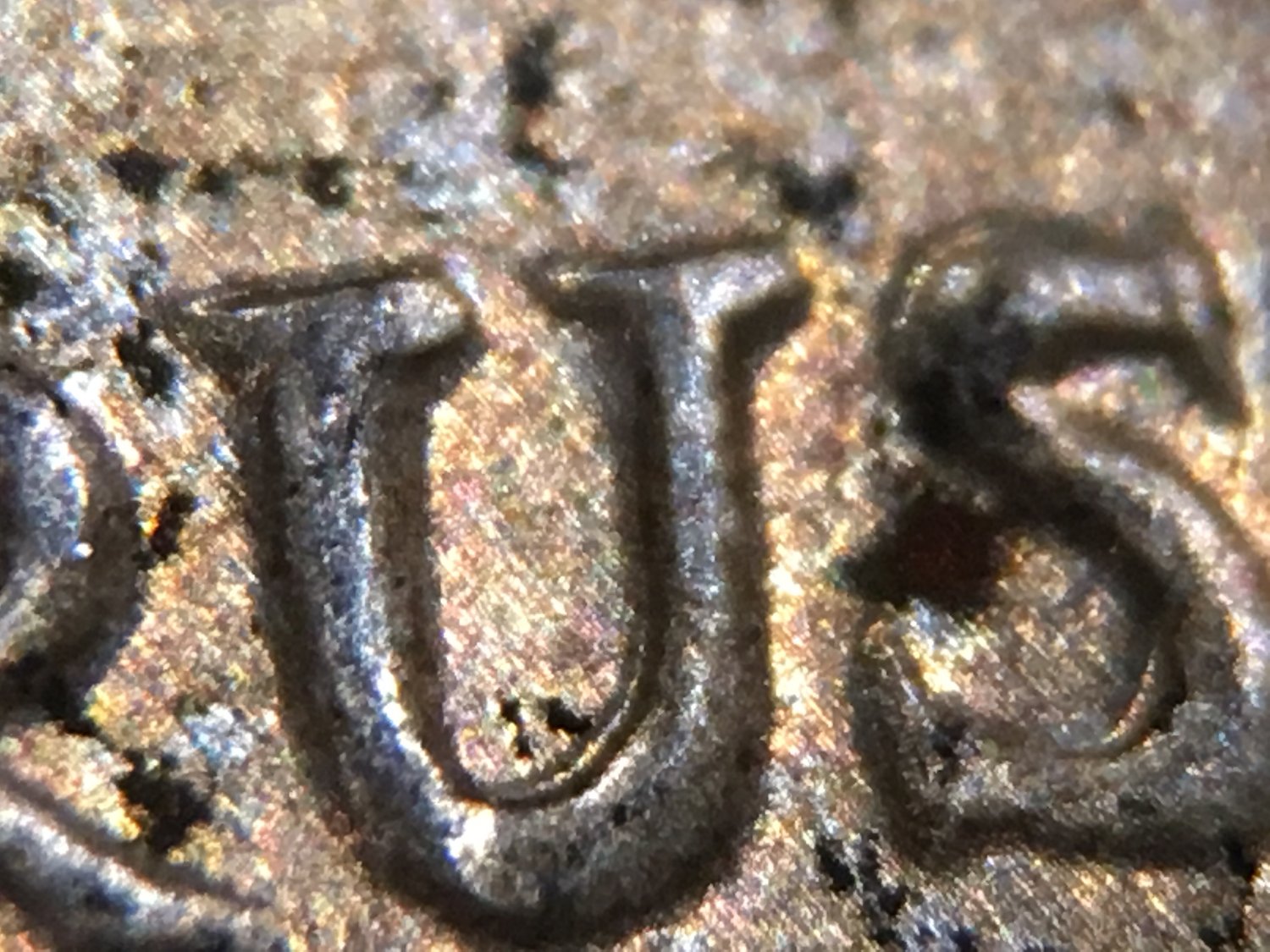
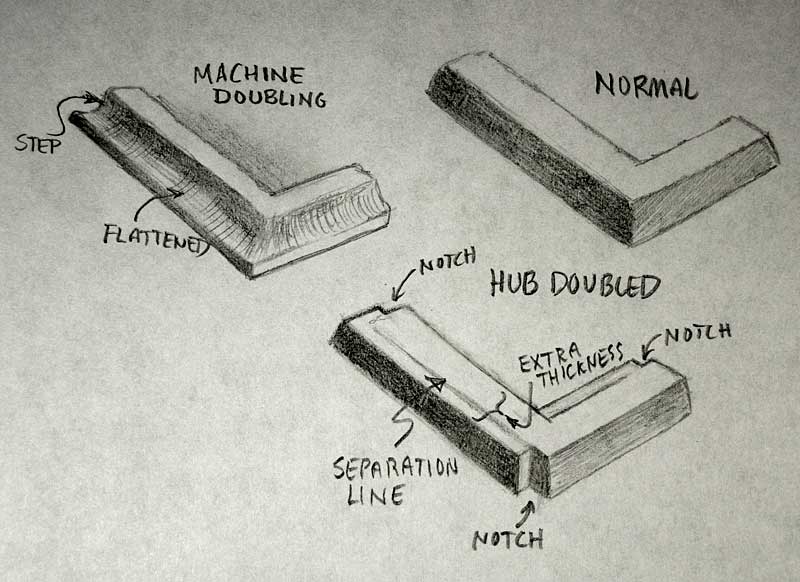
Quote:That 64 Kennedy is a good example of a "maybe". If you look close at the upper right of the IGWT, you can just barely see a horizontal split with a notch on a couple letters. I responded earlier this morning after taking a bathroom break, still 3/4 asleep. I called it MD becuz the overall size of the letter has not increased as it should in a doubled die shifting. Try to think of one imprint placed over the other, like in layers on a photo. Turning CW/CCW makes the letters wider/taller overall. That's what happens in a
DDO. When the movement is slight(tiny hair slight) you get the fat "balloon" letter. A bit more and you start seeing a faint line in the thick letter. Next may appear a notch if the shifting is angular, say a NW shift. In all of these descriptions, the key is size increase. Without it, it is NOT a
DDO /
DDR.
The principles are the same for RPMs, but the manufacturing processes are different. Multiple hubbings are used in the die making process, like adding additional layers in making a .gif. Original elements from the previous "layer" (hub) are applied on top of each other. RPMs are hand added by a puncheon(hammer and punch) as the last stage in die making. The RPM is added to the final "working die" before being sent to its destination mint(D or S) in the Philly mint. Being hand punched, it takes a couple taps to get the depth in the metal. Any additional tappings may move slight, or jump completely out of the first impression. This makes the different styles of an RPM.
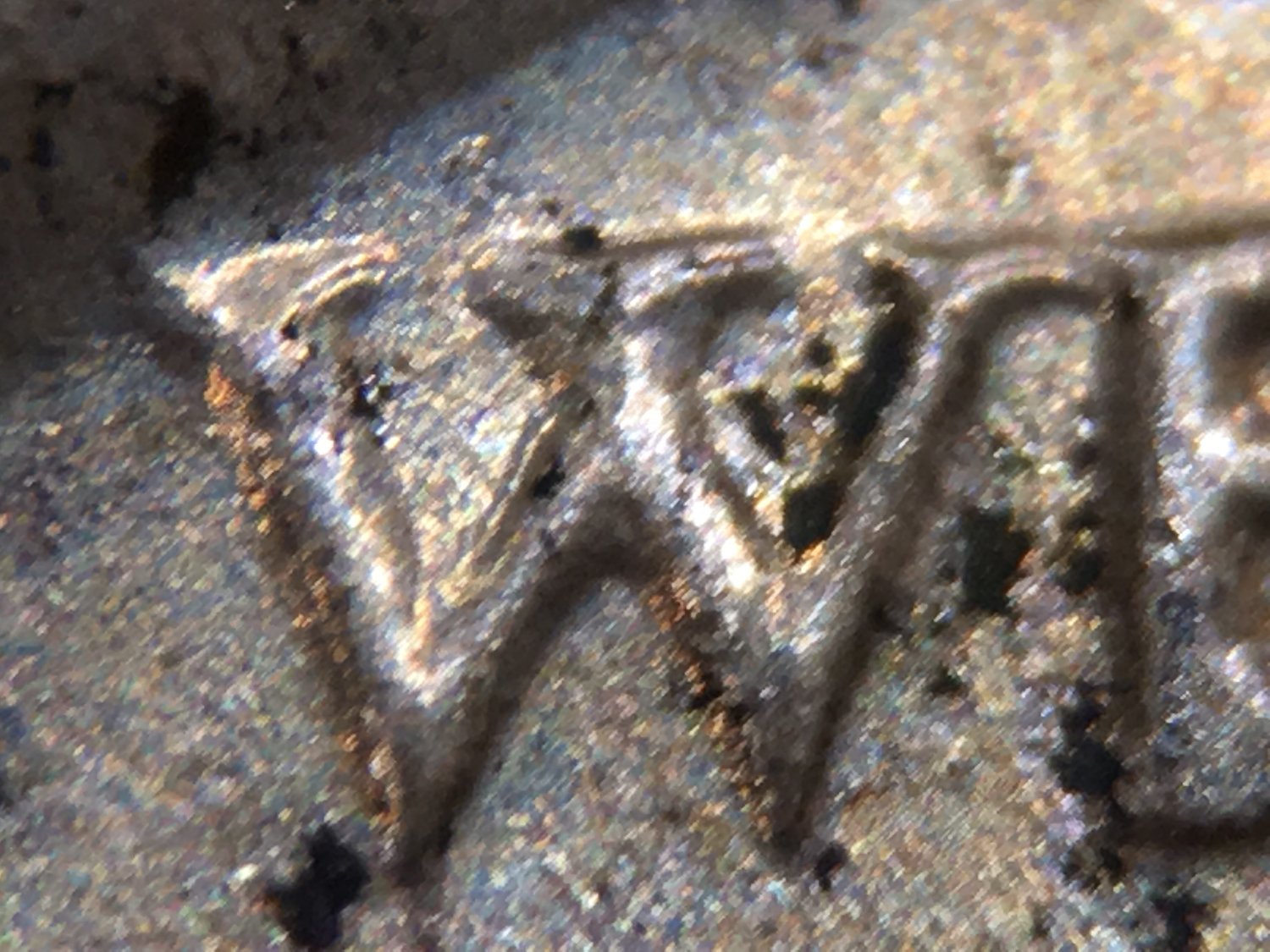
Therefore, based upon the overall size of these letters, see no expansion of width, or one so very slight as to be an unrecognized RPM. This is where Mega magnification works against you. Is it live or is it Memorex? Here, if it is an RPM, it is such a minor one, not listed and worthless to burn your eyes out searching for. My OCD has its limits! Those recognized doubled events, listed/attributed are those recognizable under normal magnification mean. I use a @25x handmade loupe to ID a possible DDO/RPM, then I'll put it under the scope. If You've noticed I take three pix of the coin. A full size pic will be used to identify the coin. A close-up low-res will be used to cross-hatch location. A close-up Hi-res is used to see the mintmark itself, shapes and any special features (serifs, punch breaks, chips, die dings). That's all need. Problems arise with shadows at higher resolutions (mag levels 150x). This is the smoke and mirrors effect. An MD slant can replicate a
DDO by reflections. Or a splitting of the serif as in this 64's example could well be
Die Deterioration separation (pulling of metal flow). Again, here is where size does matter! May just post this in the thread, with a few words changed to protect those innocent ears that will have to run to their safe spaces!










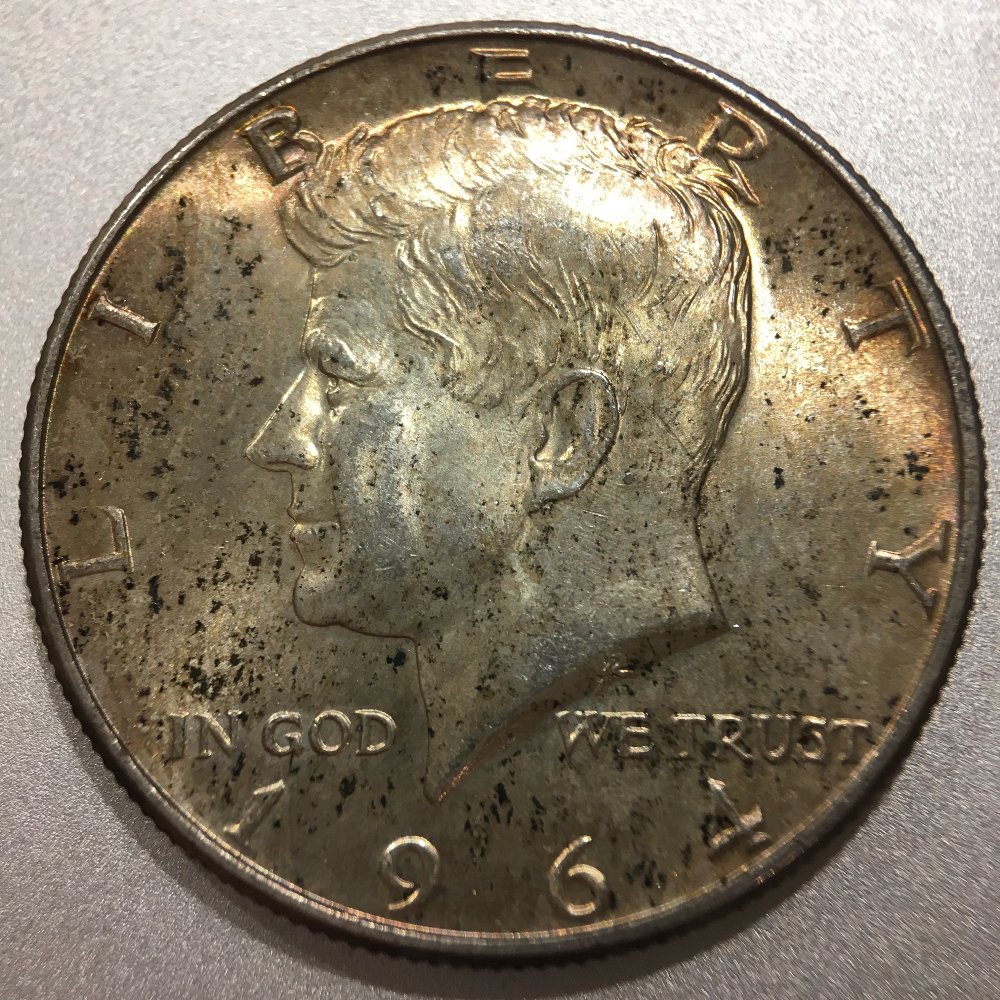
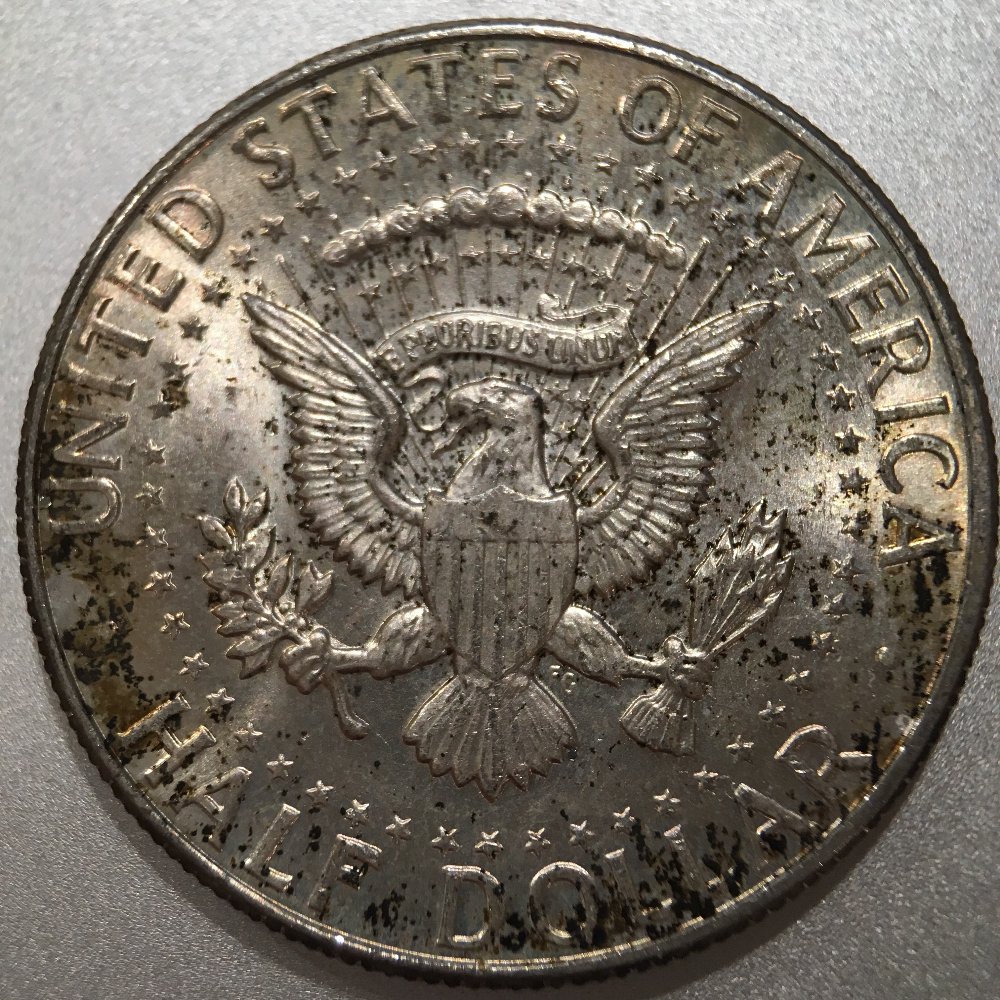


 Posted 12/30/2017 12:13 am


 While I'm no expert and still learning, it looks like all MD to me. All moving in the same direction, flat shelf like in appearance. Doesn't look like a DD to me.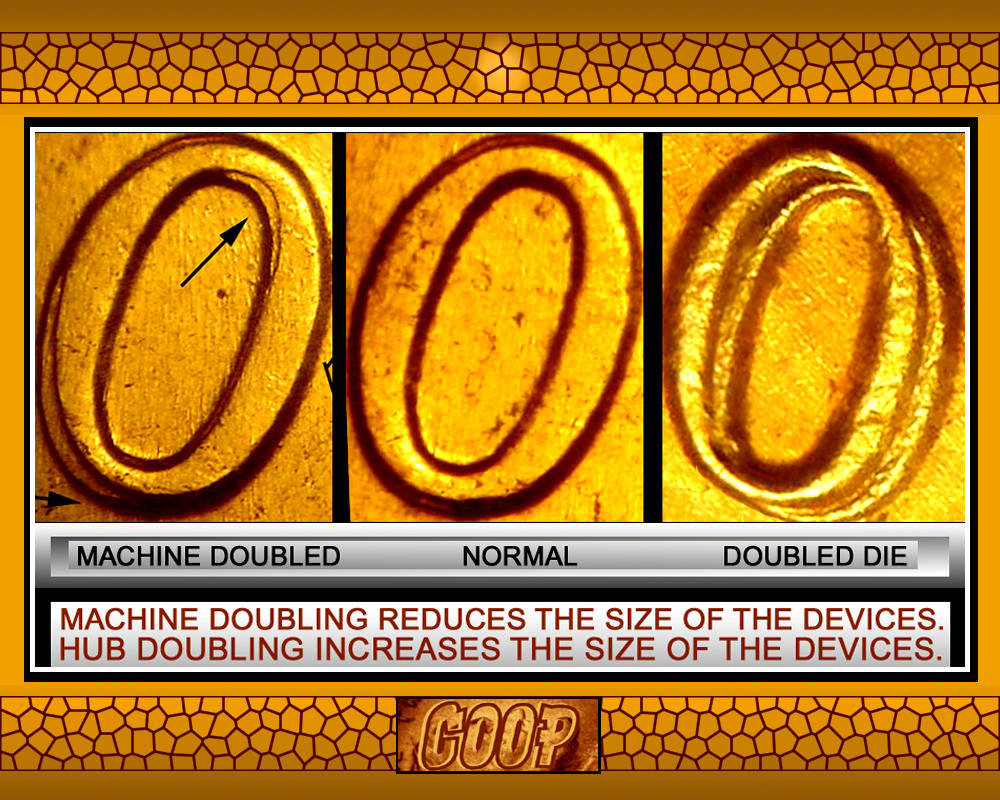


 with CC2000


