
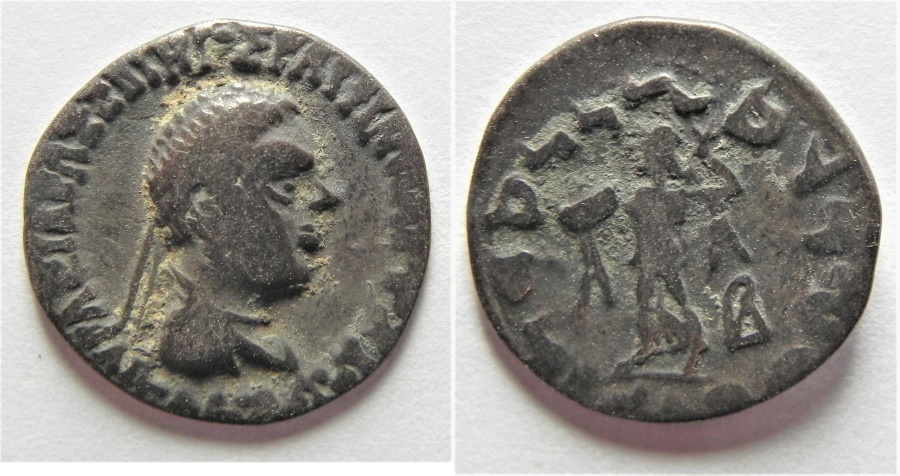
Everyone, I got this very nice silver Indo-Greek Drachm of Taxila of Apollodotus II just two weeks ago. OBVERSE - Diademed and draped bust of Apollodotus facing right, surrounded by Hellenic inscription.
REV: BASILEOS MEGALOU SOTIROS KAI FILOPATOROS APOLLODOTOU REVERSE - Athena Alkidemos advancing left, with aegis draped over left arm, and thunderbolt held in upraised right arm. Karoshthi inscription, with mintmark in the lower left field.
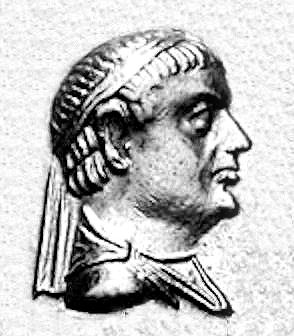
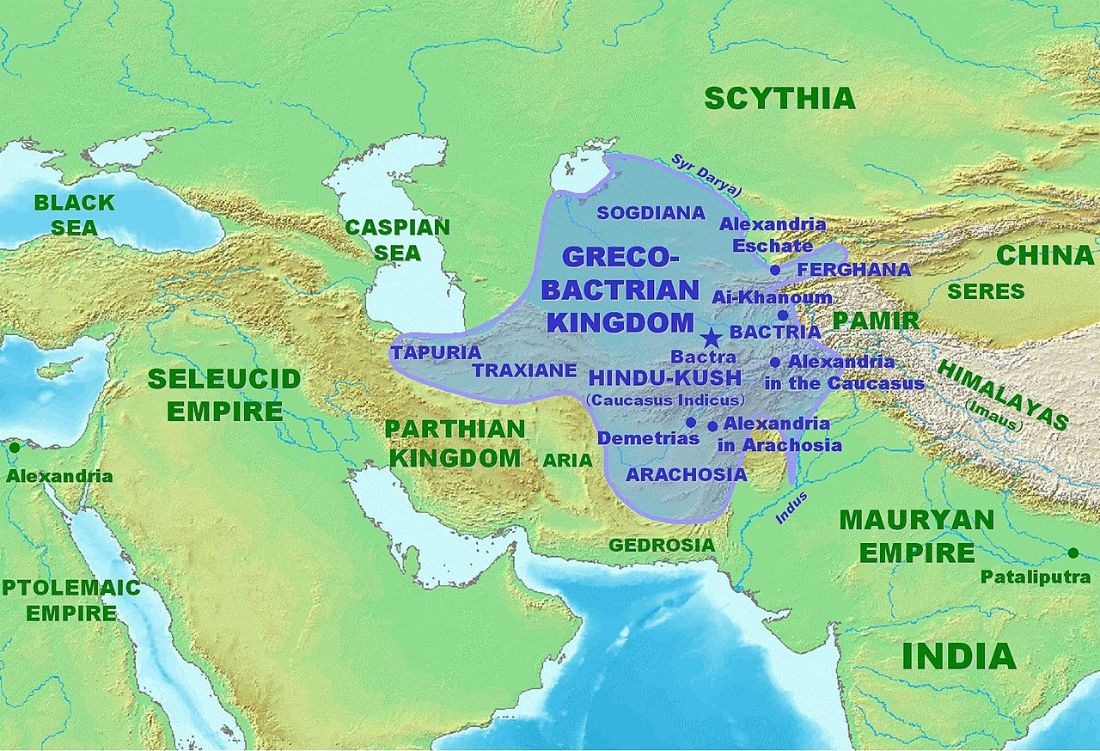
More about Apollodotus II seems to have been a member of the dynasty of Menander I, since he used their typical deity Athena Alkidemos on most of his silver, and also Menander's title Soter ( "the Saviour"), on all his coins. On some coins, he also calls himself Philopator ( "the father-loving"), which proves that his father had been king before him. It is guessed that Amyntas or Epander could have been his father. Apollodotus' reign possibly began in the Punjab, when the Scythian king Maues ruled in Gandhara and its capital Taxila. What probably happened is that Apollodotus II took over Taxila after the death of Maues, though it is uncertain whether he defeated Maues or his descendants, or was allied or related to the dynasty of Maues. The late Indo-Greeks may have been rather mixed with both Indians and Scythians. R C Senior suggests that Apollodotus had struck an alliance with another Scythian king, Azes I. The Scythian hold of Gandhara loosened after the death of Maues, and petty kings of mixed or uncertain origin, like Artemidorus the son of Maues, Telephus and perhaps Menander II emerged in the area. These kings posed no threat to Apollodotus II, who on some of his coins assumed the title Basileus Megas ( "Great King"), in echo of Maues' boastful title "Great King of Kings". After the death

of Apollodotus II, the Indo-Greek kingdom fragmented once more.







 Posted 01/13/2018 11:38 pm





