| Author |
 Replies: 36 / Views: 5,951 Replies: 36 / Views: 5,951 |
|
|
|
Rest in Peace
10197 Posts |
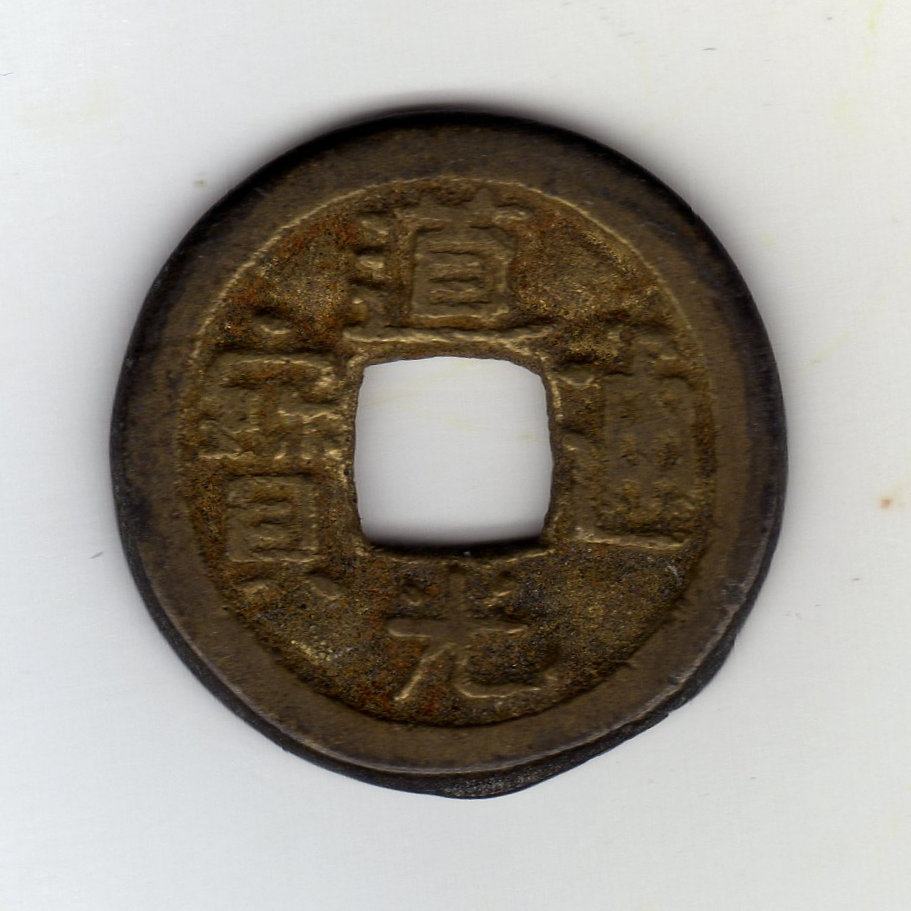
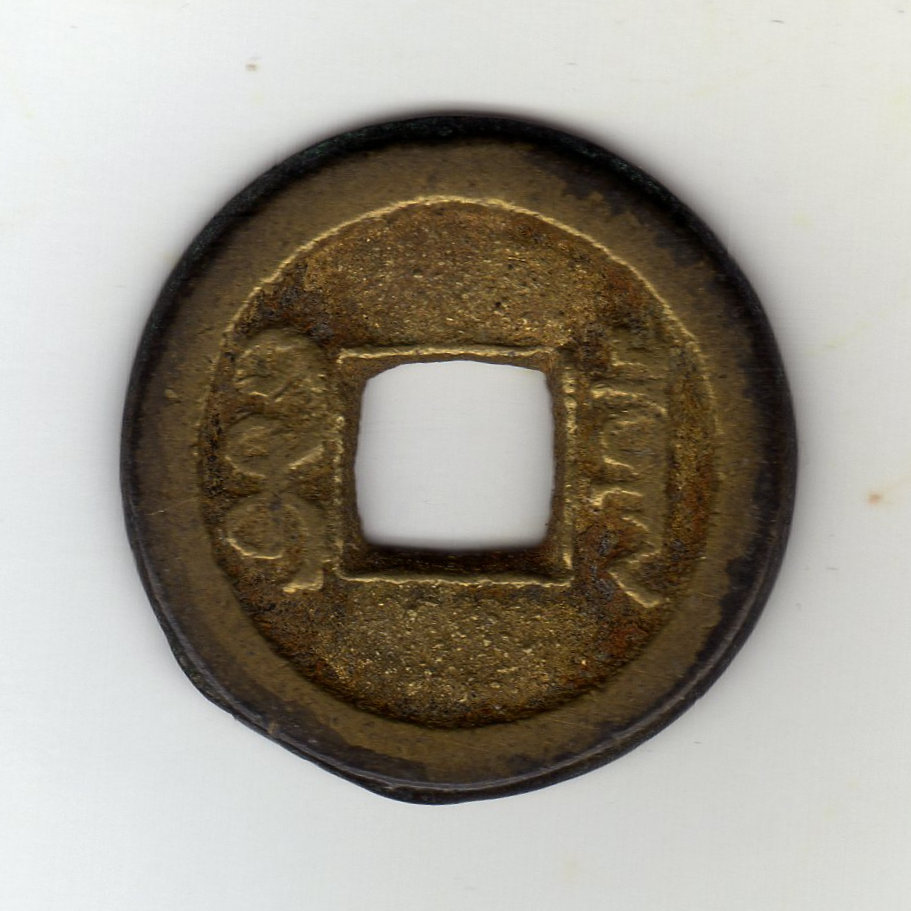
Notice the bubbling on 1 and 2...first sign of a fake...any Chinese coin of this type is HIGHLY counterfeited, a genuine coin is worth s lot! #3 the characters on the reverse are wrong, is mimicking a cash coing of the Ching Dynasty (1600-1900's) from the Manchurian Mint.
|
|
New Member
 Spain
18 Posts |
Another one :) 4.-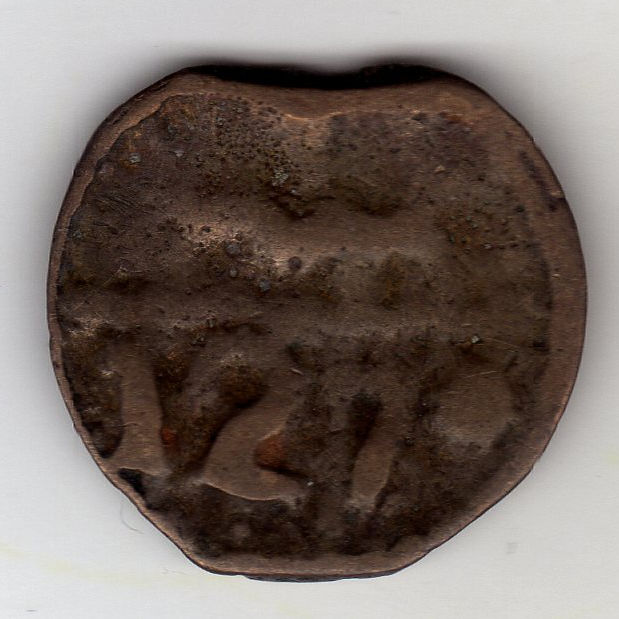 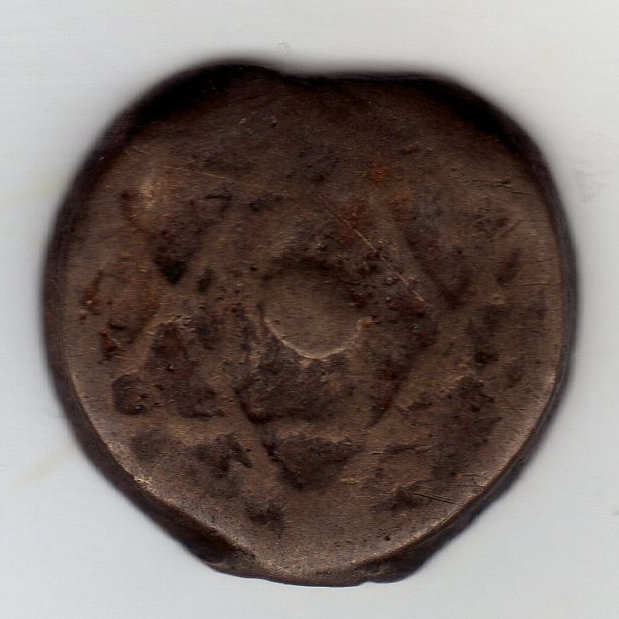 |
|
Moderator
 United States
34567 Posts |
Looks to me like a Falus from Morocco. The AH date of 1270 corresponds to our 1850s.
"If you climb a good tree, you get a push."
-----Ghanaian proverb
"The danger we all now face is distinguishing between what is authentic and what is performed."
-----King Adz
|
|
New Member
Spain
18 Posts |
|
|
Pillar of the Community
 United States
8067 Posts |
Sounds right for the Morocco coin. Depending on size there is also a 1/2 falus, but perhaps not of that date.
For the list from pcm's post of 1/22, depending on size, the encrusted Spanish copper could be an 8 maravedis from early 1600s like this one:
(some problems with the image ... will try in a subsequent post)
|
|
Pillar of the Community
United States
8067 Posts |
Scratch that early 1600s. Burgos (also Spain) might be right. Denomination (II for 2 maravedis, IIII for four) shows to the right of the coat of arms, and the arms are divided in three parts. This soin is pretty close: https://www.ebay.com/itm/GC321-Spai...047675.l2557 |
|
New Member
Spain
18 Posts |
I could read Philip V, and value at the right of coat of arms seems to be IIII. I guess this can be it: https://en.numista.com/catalogue/pieces29660.htmlNo year can be read on the obverse. This couldn't have been possible without your help. Thank you so much! Edited by pcm2007
01/30/2018 07:59 am
|
|
New Member
Spain
18 Posts |
1.-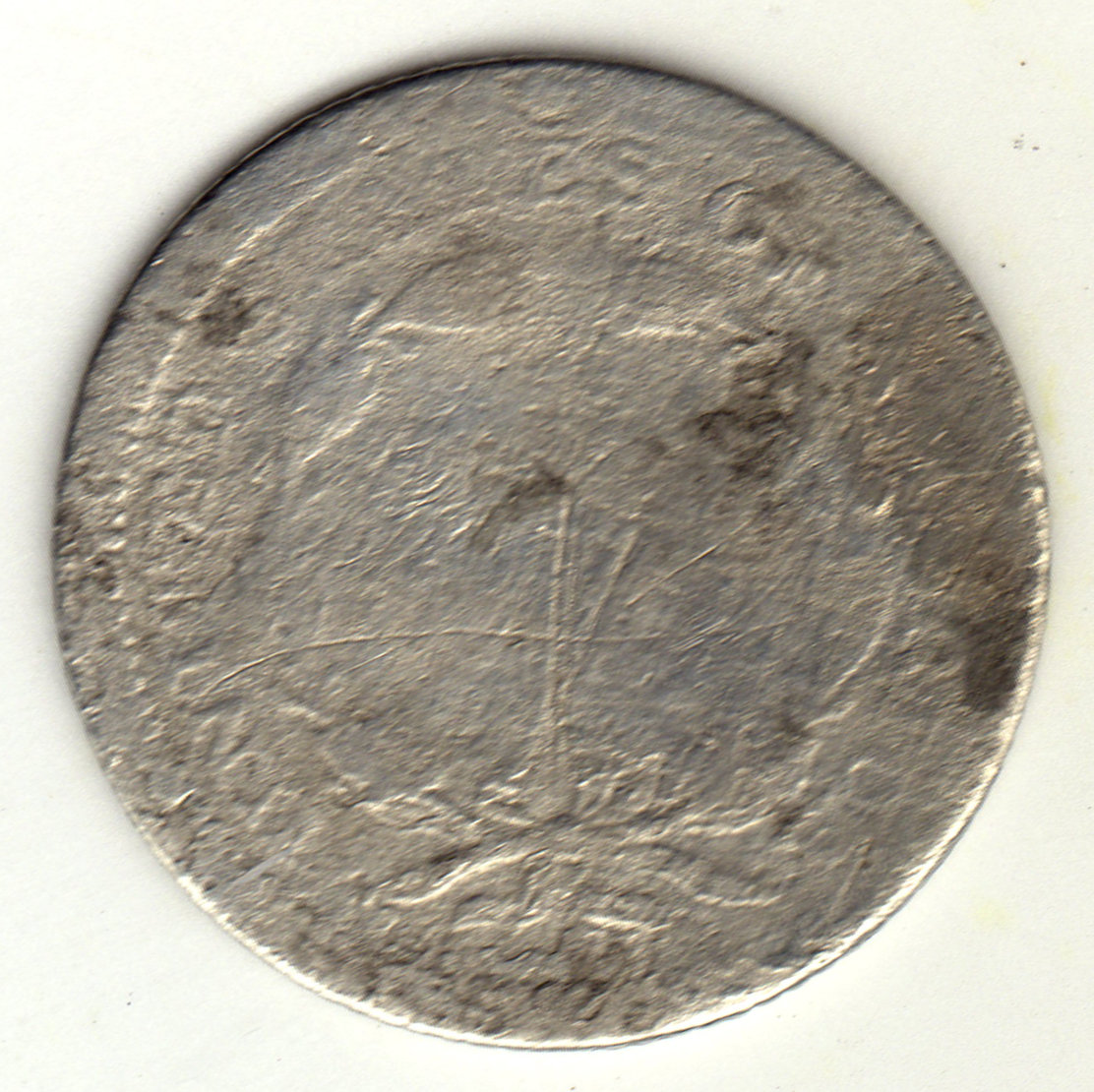 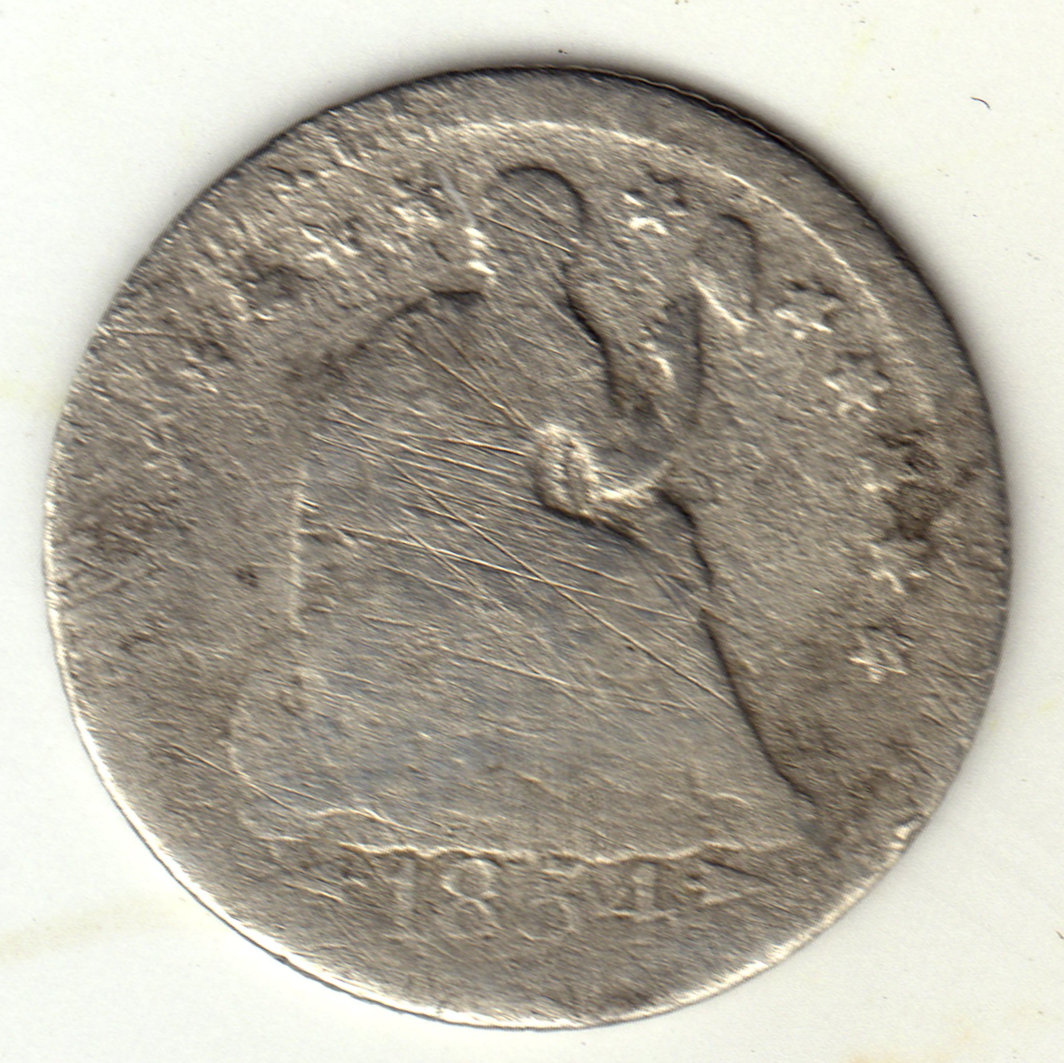 2.- 2.-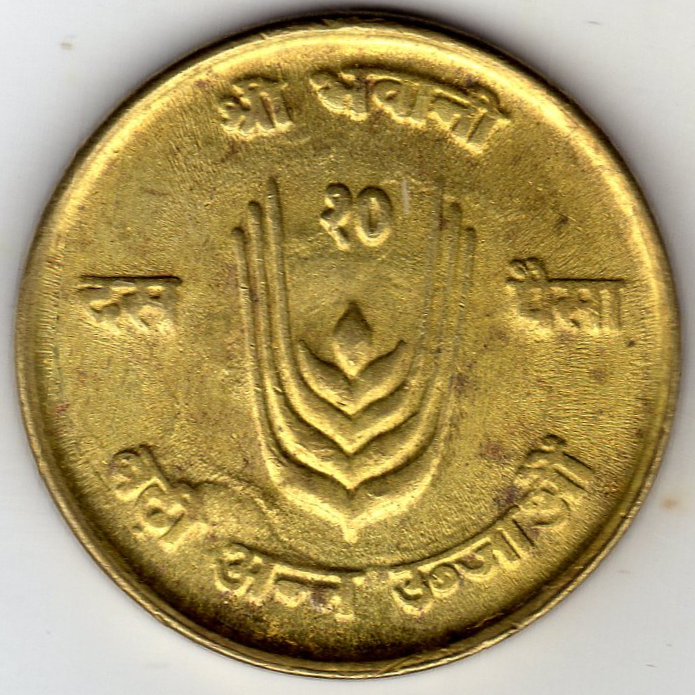 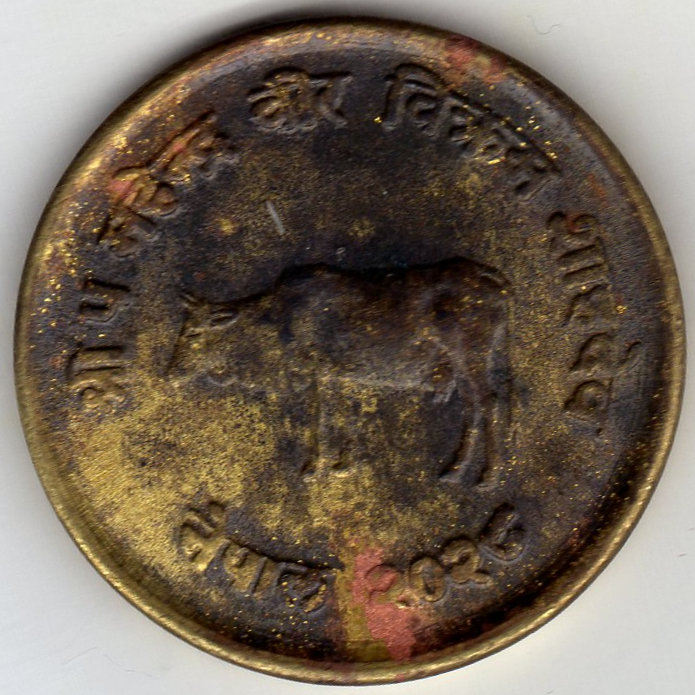 Any way to remove the stains on coin #2? Thanks, Pedro
|
|
Pillar of the Community
Belgium
651 Posts |
1. United States 1/2 dime or dime 1854
2. Nepal 10 paisa 1971
|
|
New Member
Spain
18 Posts |
|
|
New Member
Spain
18 Posts |
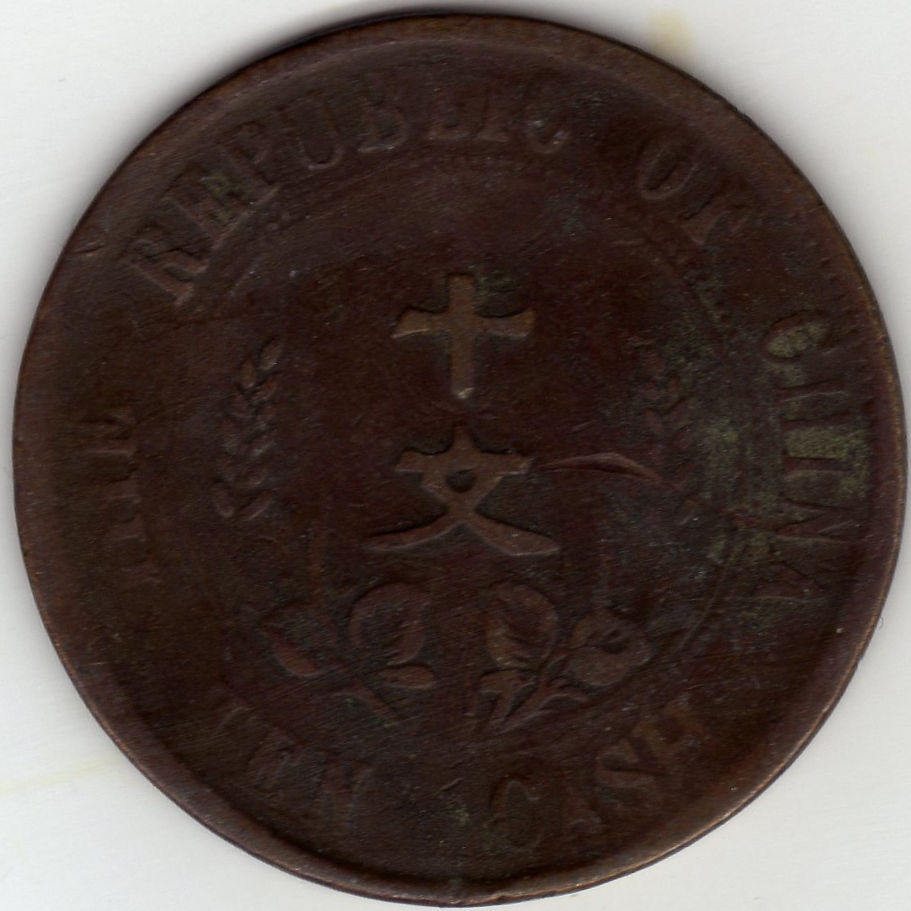
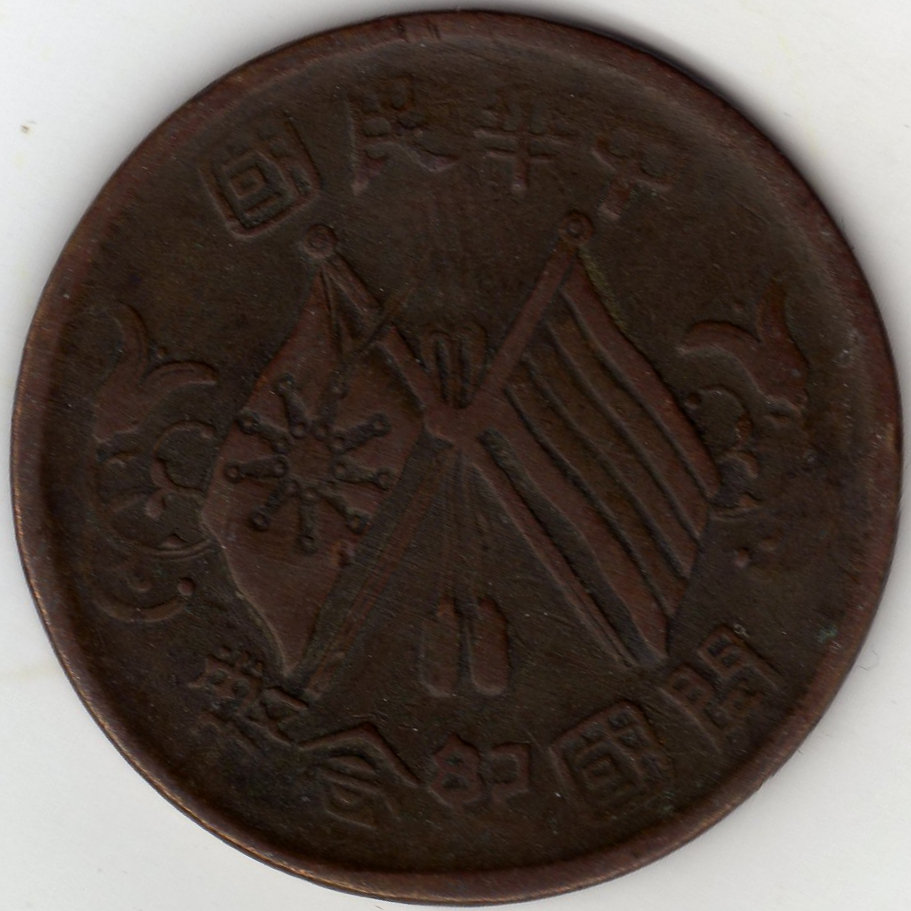
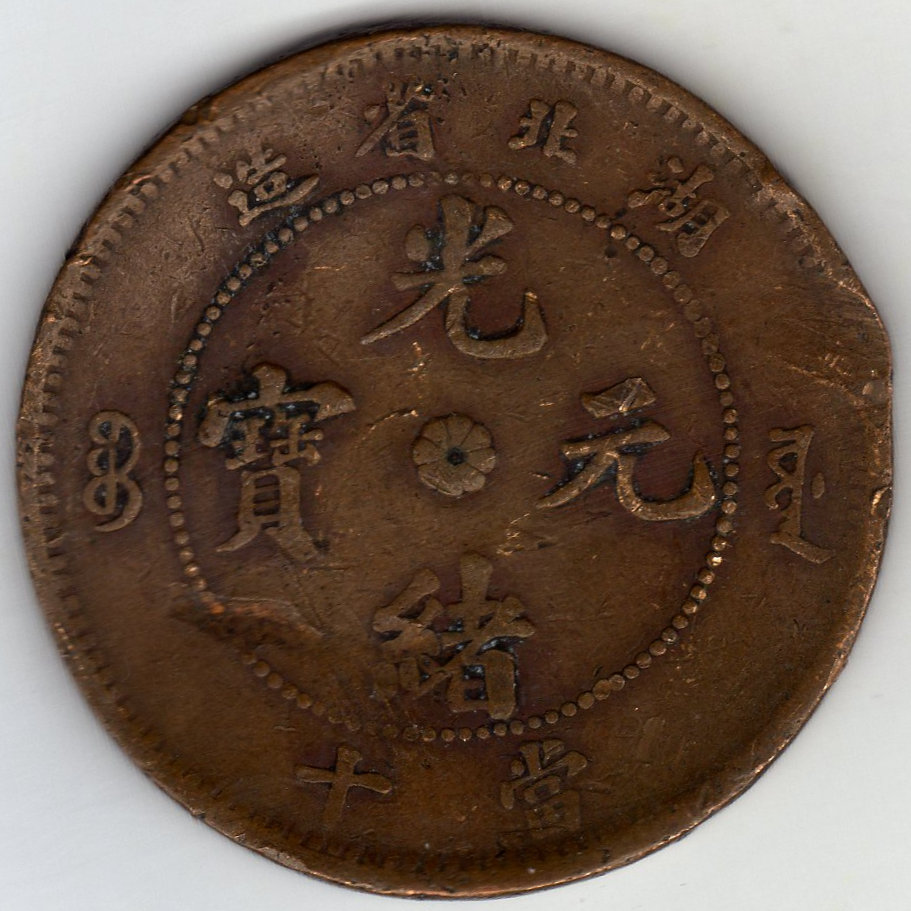
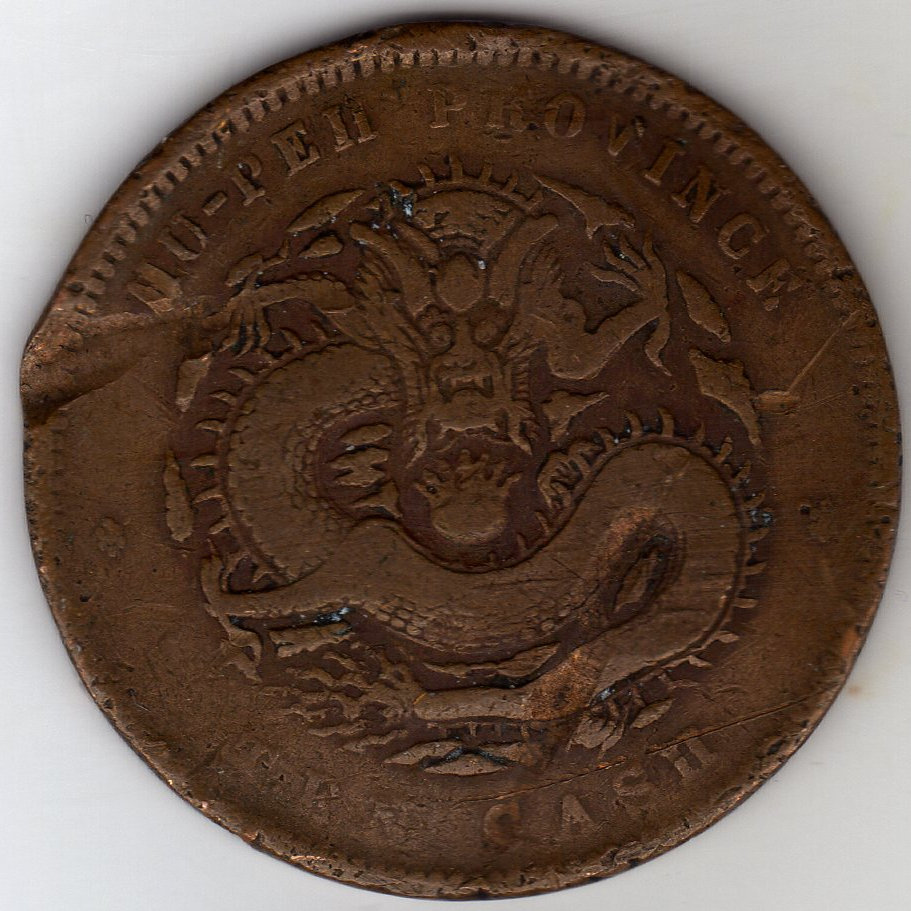
I think #1 is 10 cash from 1912. It's more difficult to me to date #2 and #3 as I cannot identify the year symbols
Edited by pcm2007
02/02/2018 4:33 pm
|
|
New Member
Spain
18 Posts |
I think this is not a real coin, but I'd appreciate any information about it. Diameter is 12.5 mm. 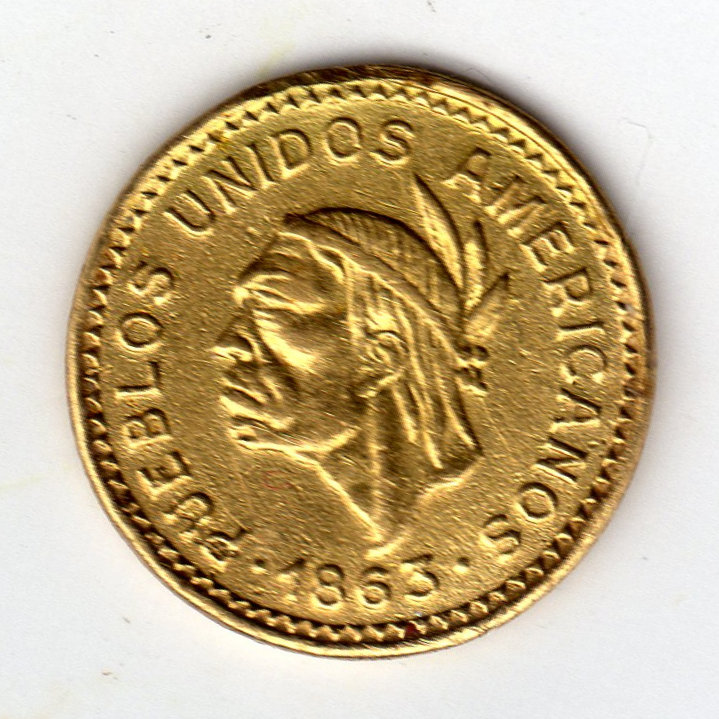 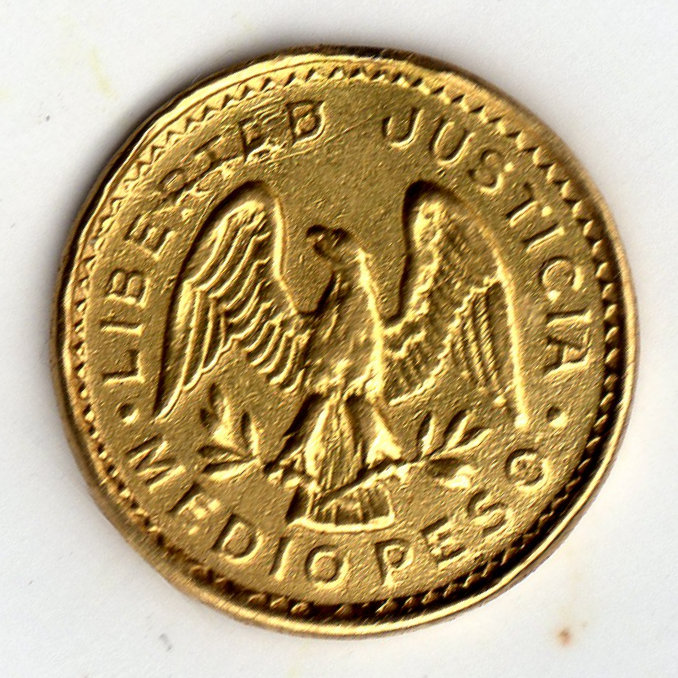 Thank you! |
|
Bedrock of the Community
Canada
11922 Posts |
Going up to the Chinese coins, you are right with the first one being a 10 cash piece from 1912. The second coin is a slightly older 10 cash piece, dating from 1906 from the Hubei Province. The pictures on this example look a little different, but there are slightly different varieties (like an uncircled dragon, which is probably yours). For the third one—while your other 1 cash piece was identified as being Qianlong Boo-chiowan—this one is a Daoguang Boo-chiowan type. Otherwise saying, it is slightly more modern than the other, being made from 1821 to 1850 ( link!). Even so, I will say that the Daoguang cash piece does look quite odd, especially looking at the rims and the colour. Now, I am no expert in determining coins' authenticities, but going back to the Quianlong cash piece, I am not at all convinced that that one is a counterfeit. There are two different types of those coins, with the biggest difference being in the top character on the side with four characters. Yours just looks like a very corroded version of the backwards-J one, rather than the more common Z-like type. Edited by Joseph7420
02/05/2018 11:21 pm
|
|
New Member
Spain
18 Posts |
@Joseph7420 Thank you very much!
Yes the Daouang coin has a narrower rim and the simbol on the right has just one point stroke on its left instead of two. I have not been able to find one with that symbol.
Edited by pcm2007
02/06/2018 08:16 am
|
|
New Member
Spain
18 Posts |
Hello! Any idea about this coin? 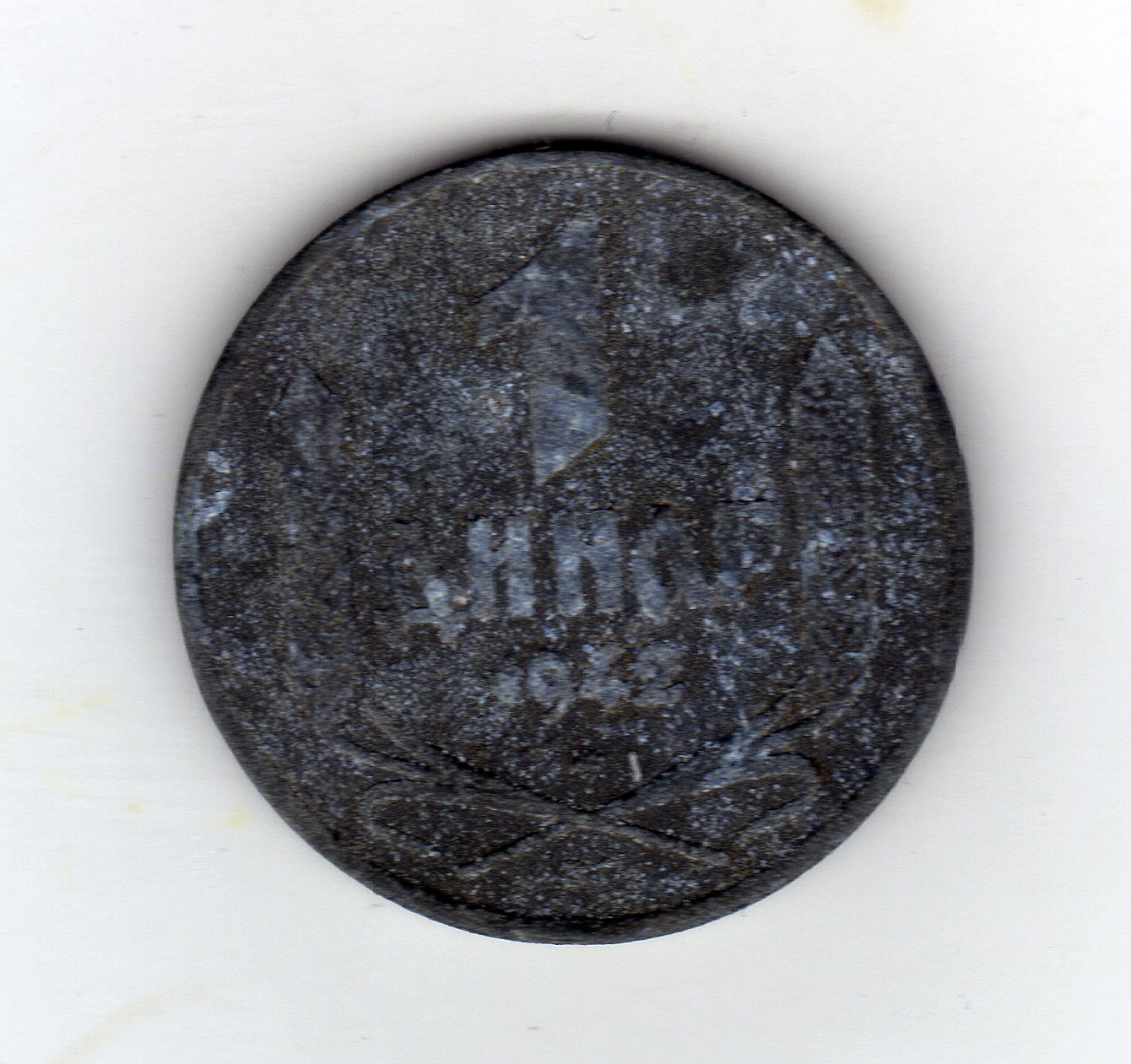 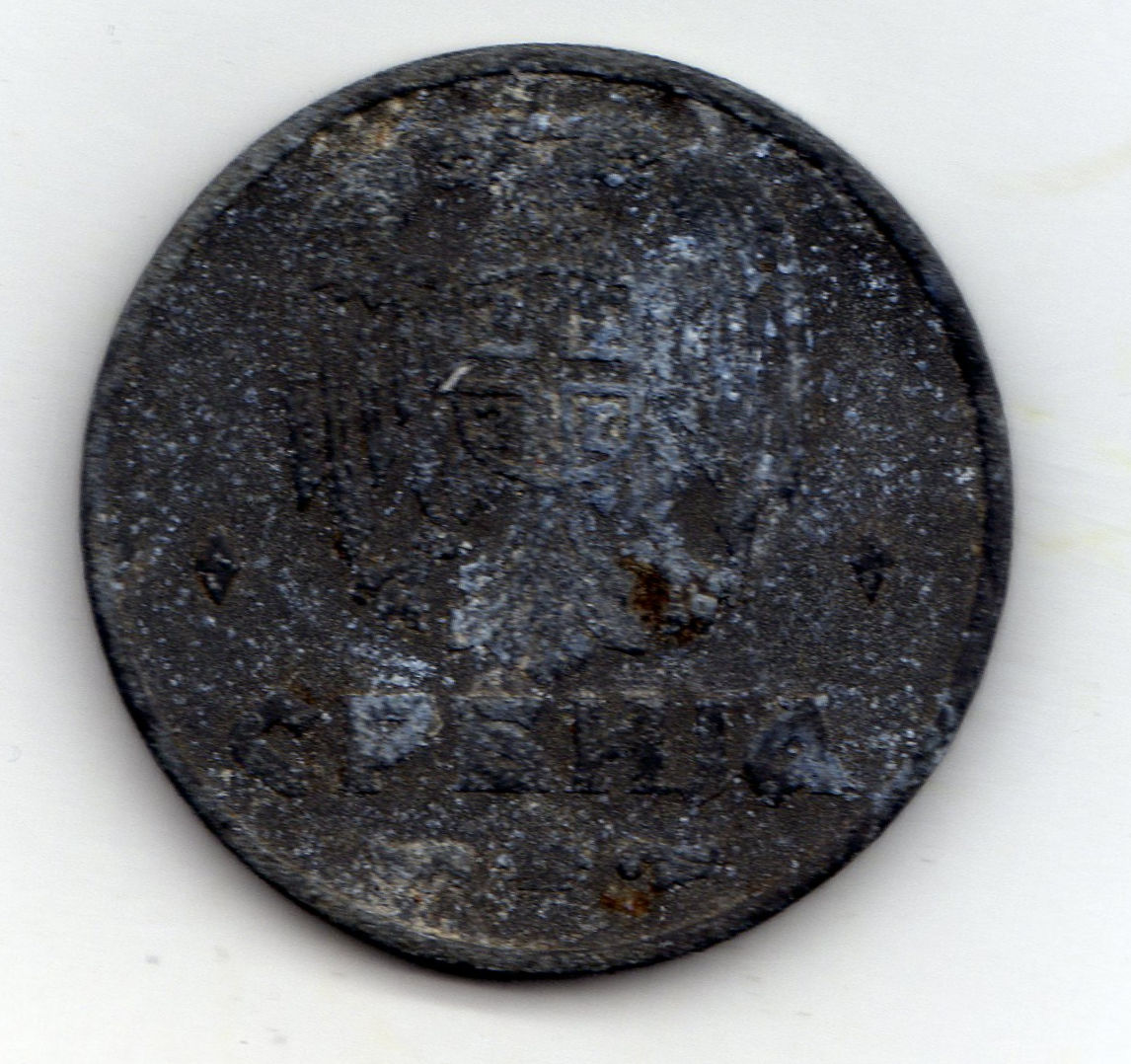 Thank you! |
| |
Replies: 36 / Views: 5,951 |




 First Page


 Posted 01/27/2018 6:04 pm