| Author |
 Replies: 13 / Views: 1,327 Replies: 13 / Views: 1,327 |
|
|
New Member
United States
39 Posts |
Has what I think is a " Cud" under Liberty. Deep impression in the cheek. Doubling on the ear maybe I'm not sure. It seems I'm not well enough practiced at spotting doubling yet as ive mistaken MD and a Worn die so far as doubling lol. But another good lookin coin. 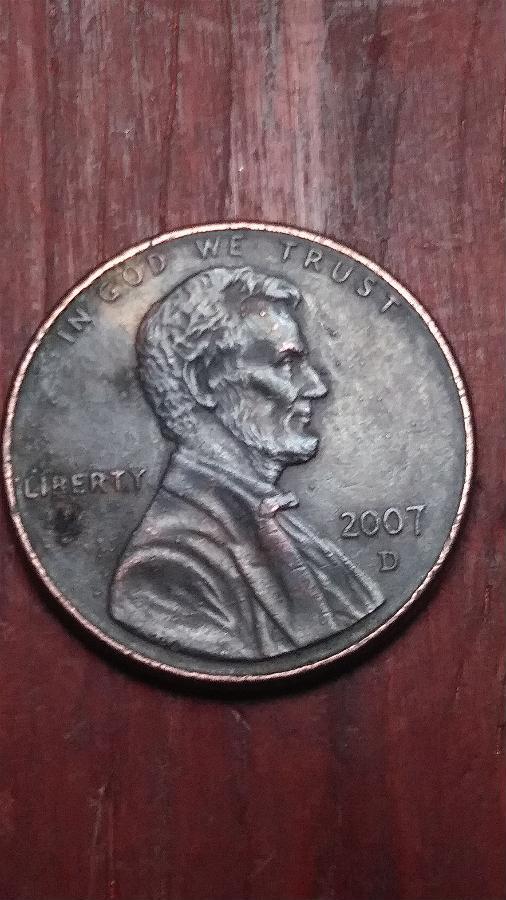 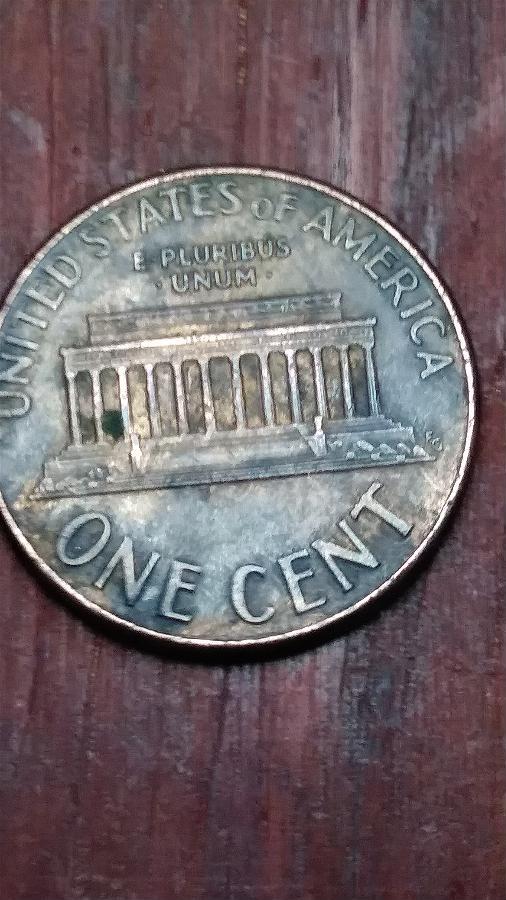 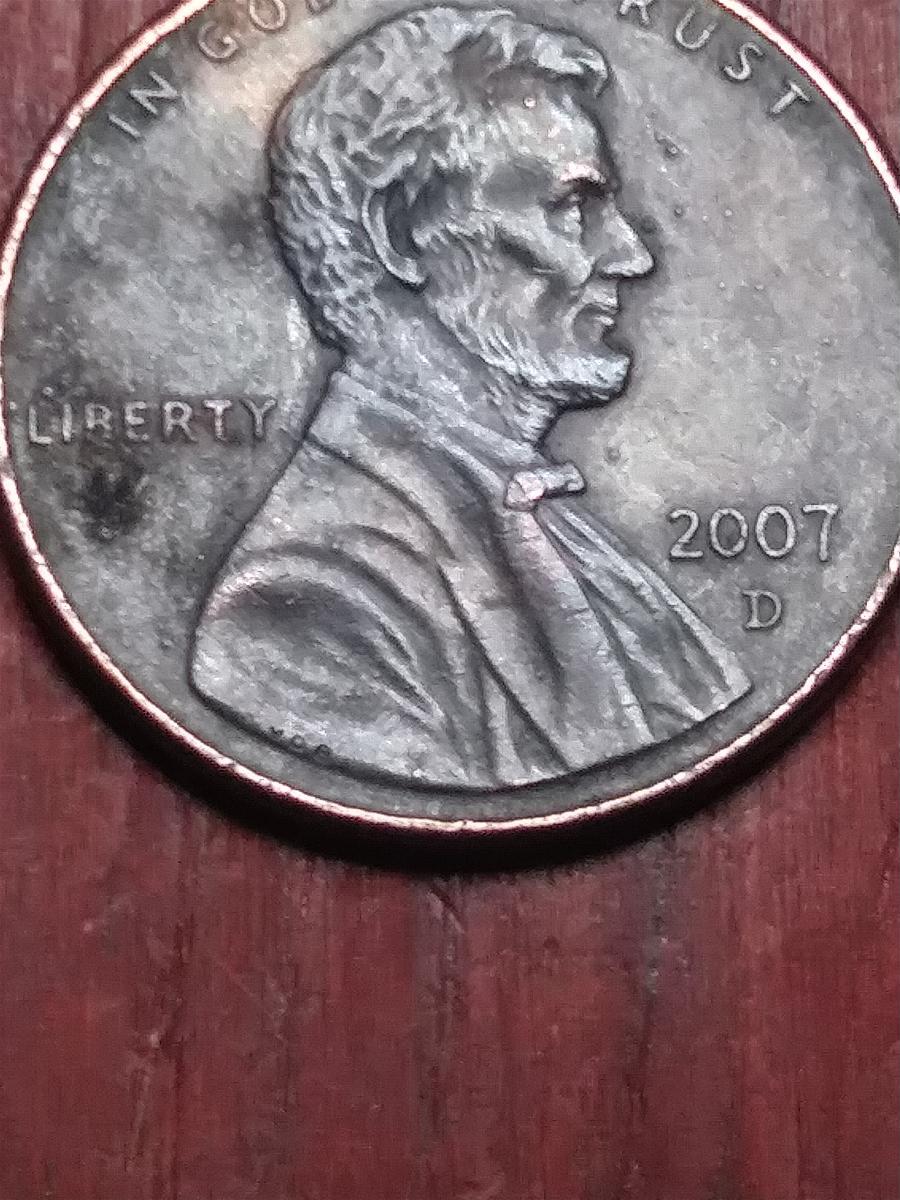 Edited by TheMadHatter
01/23/2018 11:23 pm
|
|
|
|
Pillar of the Community
7234 Posts |
You do realize you have to post pictures for us to help you?
|
|
New Member
 United States
39 Posts |
Oh yes! What happened. Man this photo editor has been mocking me all night! Ill edit.
|
|
Bedrock of the Community
United States
62064 Posts |
A Cud is on the outside edge of a die. Your coin looks normal for age circulated. The dark area just looks like something altered the surface of your coin. |
|
New Member
United States
39 Posts |
Ah, yes I'm reading about Cuds and bad strikes now. And I just had someone explain the ways coins can come to look like this through circulation and handling. Thanks very much. |
|
New Member
United States
39 Posts |
Quick question! Shouldnt they lack luster and shine? And shouldnt the design show signs of wear throughout the coin rather than just the color changes? The pennies themselves, letters and image is really really sharp amd shiny or glossy. My pics suc guys. Just fyi.
|
|
New Member
United States
39 Posts |
I see signs of some type of chemical change I think. There is tiny bubbling all over.
|
|
Pillar of the Community
7234 Posts |
Quote:
There is tiny bubbling all over. OK, that is from the zinc planchet reacting with the copper plating - very common on them worthless copper plated zinc cents |
|
Bedrock of the Community
United States
62064 Posts |
The bumps you see on your coin are zinc dust that didn't get rinsed off before the plating. So it was a plated coin, the surface of the remaining plating is altered by contaminates. If this were a pre 1982 cent, then I would call the black spotted area a carbon spot. But because this is a zinc cent, it is just a surface issue.
|
|
New Member
United States
39 Posts |
Ok. So when the copper plating is rubbed away through wear or the alloys reacting to one another they end up w a shiny, black zinc toned penny or the black coloring is from a diff thing? I'm just trykng to understand why its so shiny and new looking but is basically black all over?
|
|
New Member
United States
39 Posts |
Wow. Yeah I guess the minting process is tedious and complex so there is much to learn! Thanks again.
|
|
Bedrock of the Community
United States
12477 Posts |
@TheMadHatter At least there's no mercury in that coin.  Okay, bad joke aside, there certainly is a lot to learn. The minting process isn't really all that complicated. When things go wrong in it and when people do weird things to coins, that makes it more complicated. Your coin looks stained. They can actually stain like clothes and it cannot be removed without stripping the metal. I'm pretty sure the copper plating is still there underneath the dark color, sometimes called "circulation cameo". That's why it retains a shine, but remember: shine and luster are completely separate. Look into cartwheel luster. There's a search box up there and you could probably find a lot of answers/discussions here for your questions.  In Memory of Crazyb0 12-26-1951 to 7-27-2020
In Memory of Tootallious 3-31-1964 to 4-15-2020
In Memory of T-BOP 10-12-1949 to 1-19-2024
|
|
New Member
United States
39 Posts |
|
|
Bedrock of the Community
United States
62064 Posts |
The black spot could be anything. Magic marker dot, grease, stain from something..... Not sure, just not a value item. Spendable. But remember what it isn't: Not valuable.
|
| |
Replies: 13 / Views: 1,327 |
|







 Posted 01/23/2018 11:22 pm





