| Author |
 Replies: 14 / Views: 1,318 Replies: 14 / Views: 1,318 |
|
|
New Member
Spain
11 Posts |
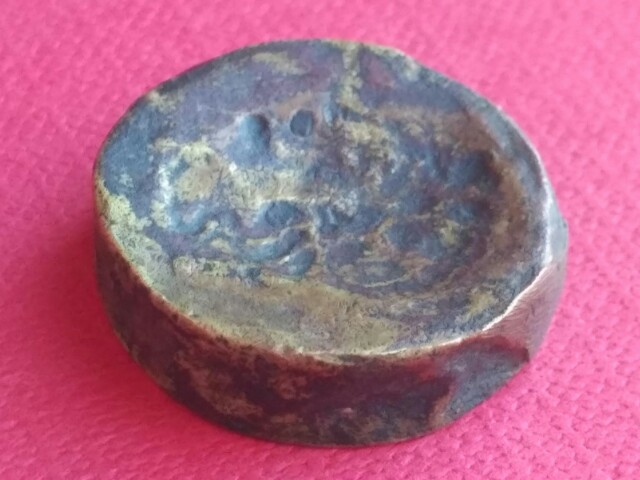
Good afternoon, I want to show this piece, that wil be auctioned in Catawiki (Roman Stamps) 02/02/2018. - Material: Bronze, uncleaned. - Weight: 15,85 g. - Size: 22 x 6 mm Best regards 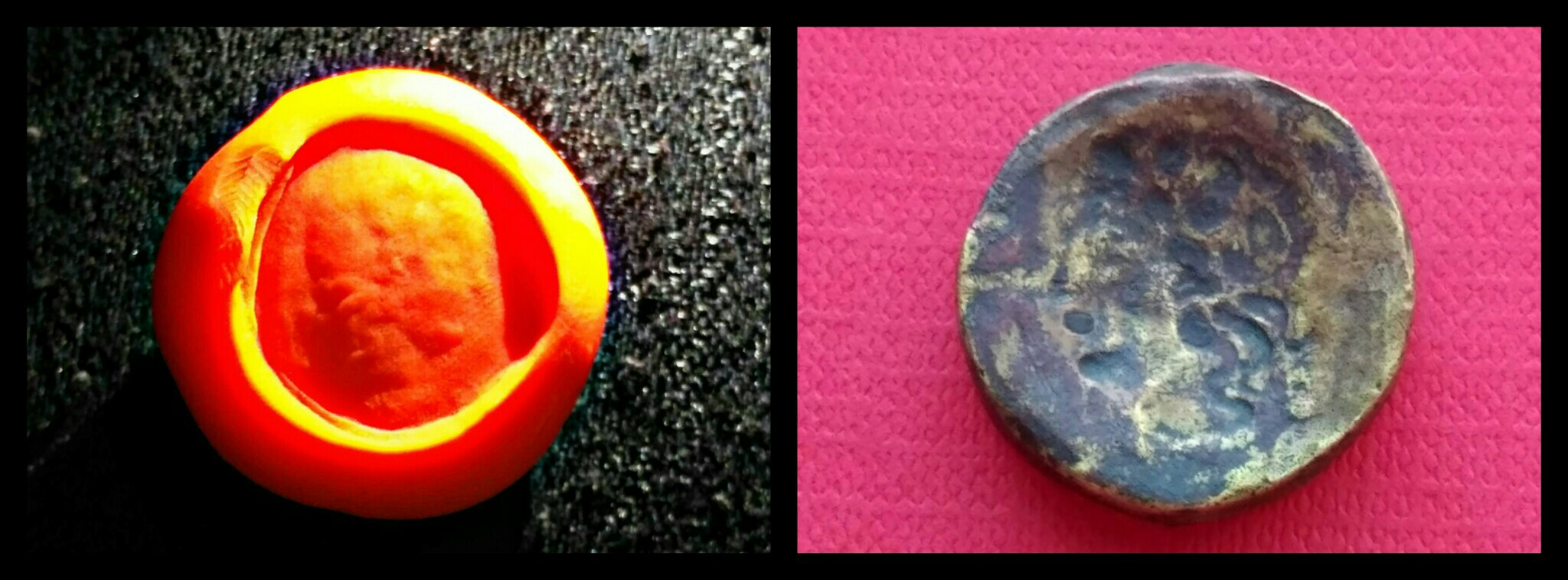 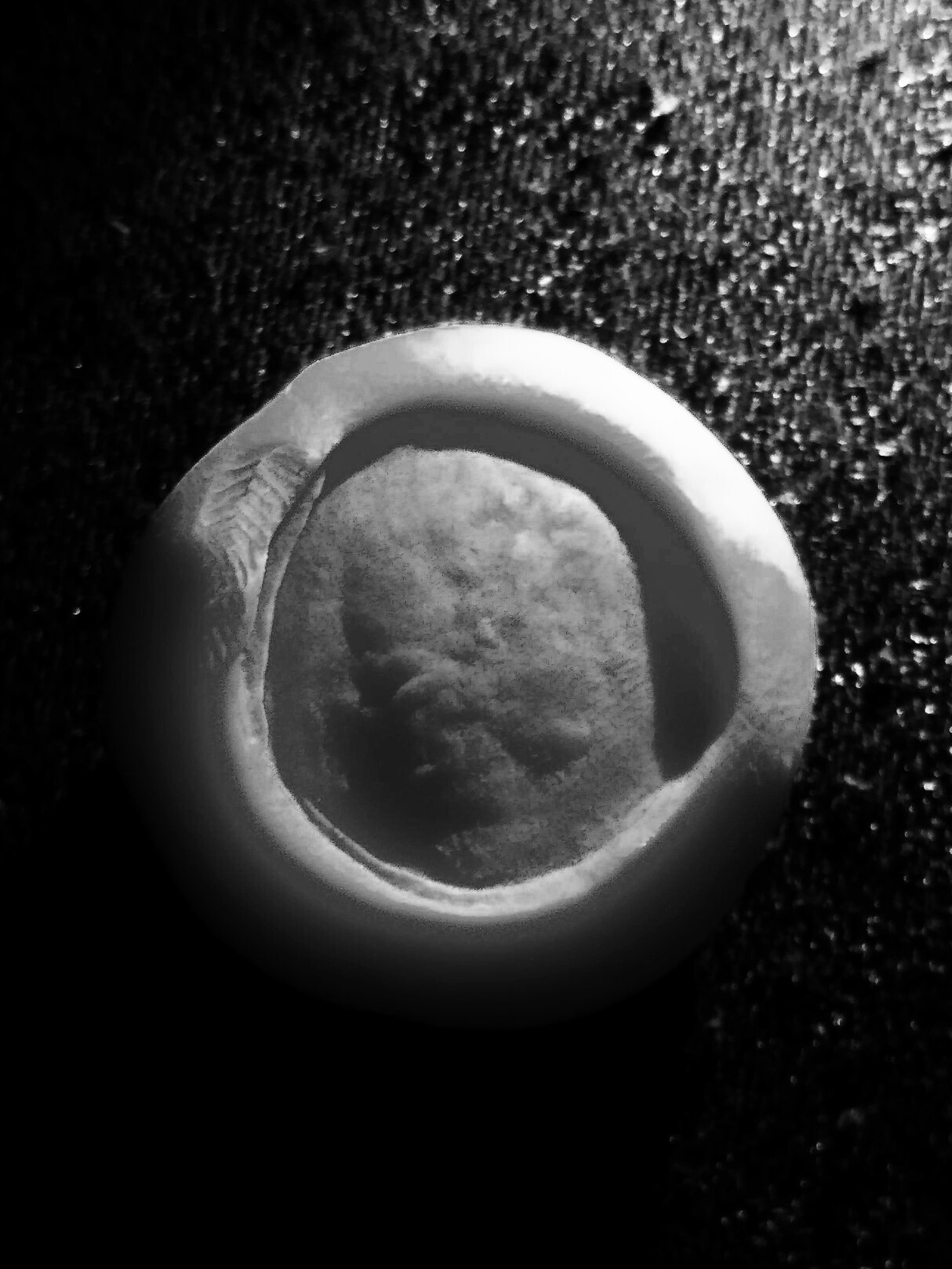 |
|
|
|
Rest in Peace
United States
17900 Posts |
 That certainly is an interesting item. Do you have any idea of expected auction result?. |
|
New Member
 Spain
11 Posts |
Honestly I have no idea how much I will get at auction.
|
|
New Member
Spain
11 Posts |
There is no reserve price for this piece.
|
|
Moderator
 United States
23731 Posts |
If this is a real die from Roman Republic time I would suspect a very high auction price. I would be more inclined to believe this is a medieval copy of an original die. Be interesting to see what it sells for.
|
|
New Member
United States
9 Posts |
Based on my work in Classical and Medieval (i.e. Byzantine) Roman numismatics, it looks more like a seal or some sort of signet. The lack of lettering/inscription is also curious.
As far as I know, archaeologists have recovered hardly any dies--possibly none. With constant use, it seems they would have broken down fairly quickly.
As echizento suggested, it may be a medieval/Renaissance copy. Interesting!
|
|
New Member
Spain
11 Posts |
Thanks for your comments. In the photos it's not appreciated, but It seems that There was something written behind the head (time has erased almost everything).
The expert auctioneer has accepted the piece as Román.
|
|
Bedrock of the Community
United States
12057 Posts |
A die is just a die, whether it's making seals, coin weights, sigilla, tokens, medals, or coins. It may be very well be an authentic Roman die, but that does not mean it was used to strike coins. It would be quite enlightening to see a XRF or similar analysis of the composition of the die metal; and if possible, to compare it to alloys known to have been used for die-making in the various eras of Roman coinage. From what little I can remember, the Romans tended to use hinged dies or collared inset dies.
It looks more like a seal press to me. At 15.85g it would seem to scarcely be heavy enough to strike metal blanks, even gold, for a substantial length of time given the force being imparted upon it by the hard swing of a stout hammer.
Member ANA - EAC - TNA - SSDC - CCT #890 "Most of the things worth doing in the world had been declared impossible before they were done." -- Louis D. Brandeis |
|
New Member
Spain
11 Posts |
it is possible that this piece was set in a hammer, the Edge have visible signs of violent hits.
|
|
Bedrock of the Community
United States
12057 Posts |
It will be quite interesting to see the bids! I would love to own it but doubtless cannot begin to afford it; but perhaps the auction will draw out some experts who might be able to shed further light.
Member ANA - EAC - TNA - SSDC - CCT #890 "Most of the things worth doing in the world had been declared impossible before they were done." -- Louis D. Brandeis |
|
New Member
Spain
11 Posts |
|
|
New Member
Spain
11 Posts |
|
|
New Member
Spain
11 Posts |
Tomorrow ends the auction
|
|
Pillar of the Community
Belgium
1194 Posts |
Ara you perhaps a seller named aureo-gdr ? albert
|
|
New Member
Spain
11 Posts |
|
| |
Replies: 14 / Views: 1,318 |
|





 Posted 01/26/2018 3:35 pm