| Author |
 Replies: 12 / Views: 2,093 Replies: 12 / Views: 2,093 |
|
|
New Member
United States
48 Posts |
Thinking it's a British coin. Weight 18.7 grams, measures 35mm or 1 3/8" 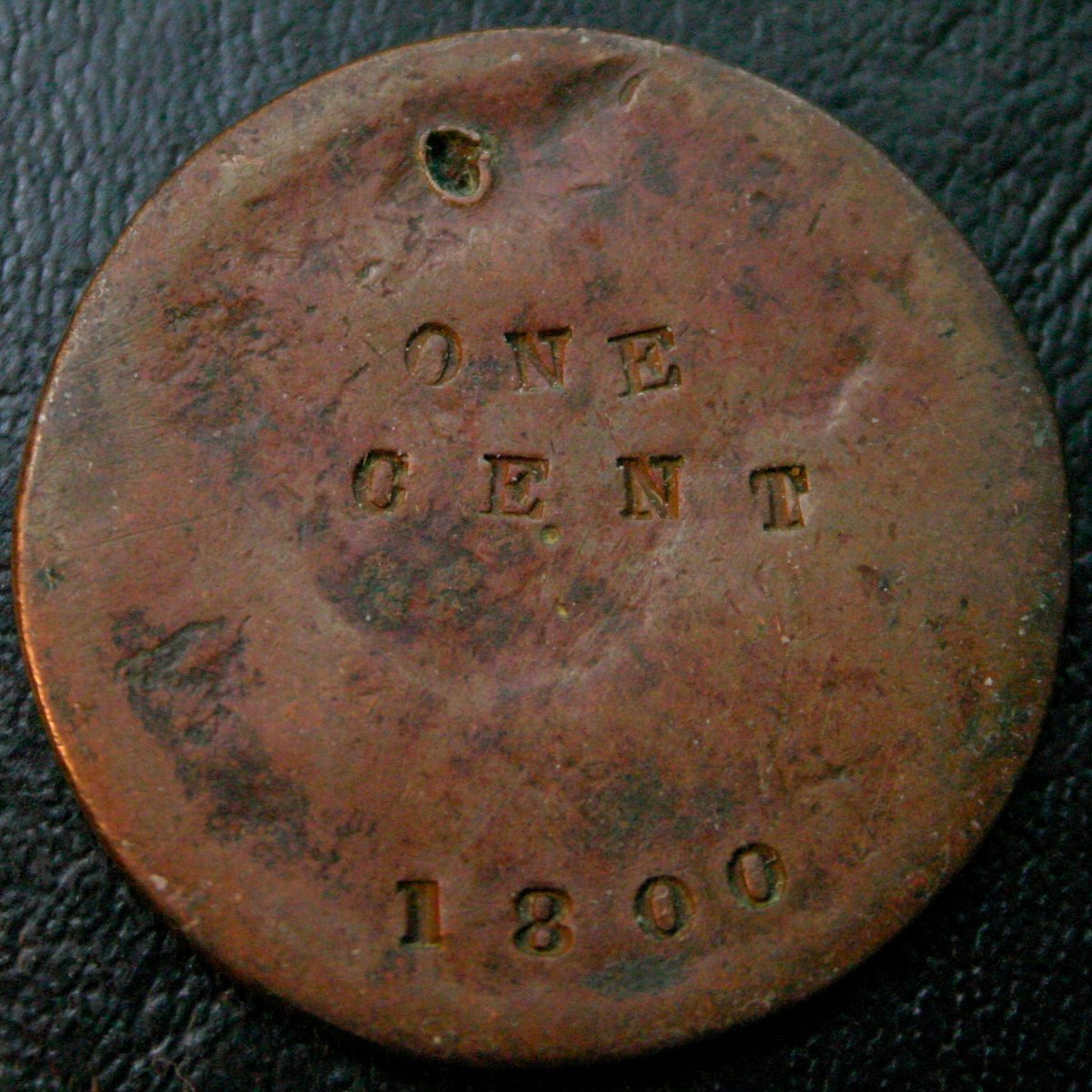 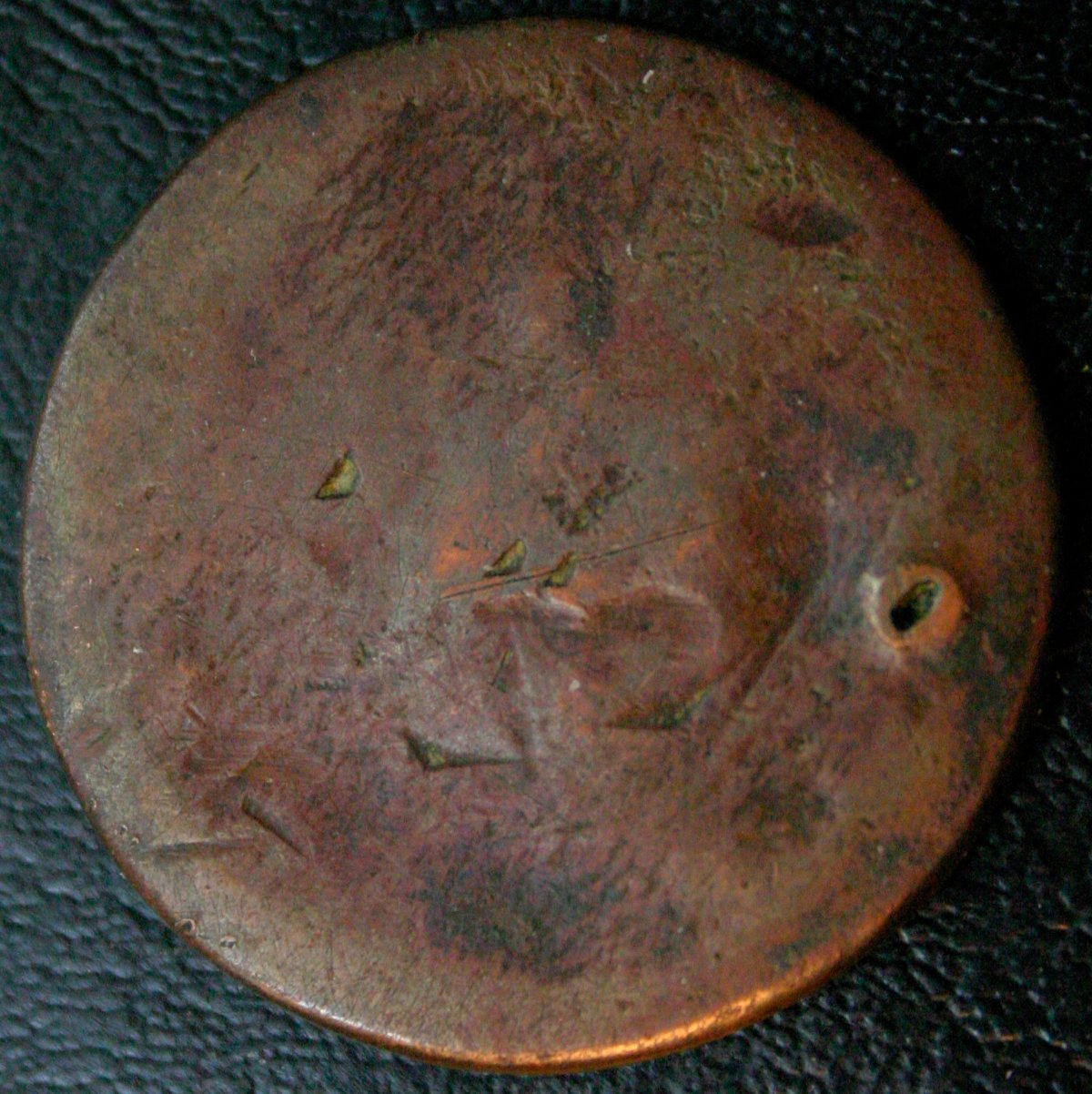 |
|
|
|
Moderator
 United States
191235 Posts |
Very interesting. Not sure what it was though.
|
|
Pillar of the Community
United States
8715 Posts |
Interesting, but most likely has little or no value.
|
|
Bedrock of the Community
United States
94367 Posts |
Beats me, whatever it was.
|
|
New Member
 United States
48 Posts |
Not so sure...people on ebay will buy anything. |
|
Pillar of the Community
United Kingdom
709 Posts |
British copper pennies from 1825 to 1860 were 34mm and 18.8g approx. Could be one of those.
|
|
Moderator
United States
34472 Posts |
Well clearly a case of false advertising as it couldn't it be a 1800 cent.
"If you climb a good tree, you get a push."
-----Ghanaian proverb
"The danger we all now face is distinguishing between what is authentic and what is performed."
-----King Adz
|
|
Rest in Peace
United States
17900 Posts |
|
|
New Member
United States
48 Posts |
Thanks for your input...will throw it on ebay...see what happens. |
|
Pillar of the Community
Belgium
2895 Posts |
This is a re-used coin, propably from a factory and its own shop.
So the people who worked there could not spend their salary on liquors
|
|
Pillar of the Community
United Kingdom
709 Posts |
I have looked in
"British Countermarks on Copper and Bronze Coins"
J Gavin Scott
Spink 1975
and cannot find this one listed. He does mention that there were many one-offs by metal workers, and this could be one of those.
I did find some interesting background information.
In August 1853 the British government passed an "Act to prevent the defacing of the current coin of the realm". Before then coins could be defaced legally for advertisng and other purposes. The act made it illegal to deface "the Queen's current Gold, Silver or Copper coin", and any person tendering/uttering such coin could be fined and the coin refused.
I note from the 1870's a lot of Napoleon III bronze coins being circulated with countermarks.
The old pre 1860 copper coins ceased to be legal tender when the bronze coins were introduced. Because they were no longer "current" they could then be countermarked without breaking the law. The mint accepted the copper coins until 31/12/1869 at +2% over face value to encourage people to hand them in. They were then accepted until 30/7/1873 without premium. ( Slightly later in the colonies). By this time some £644,000 had been handed in, but about £656,000 was unaccounted for. No doubt this was a useful supply of coins to countermark.
I have no idea where your coin fits in all this.
|
|
Valued Member
Canada
242 Posts |
My understanding is these were used as placeholders by early numismatic who didn't want to leave holes in their collection. From what I've heard, they have a bit of a following by collectors!
Loruca
|
|
Pillar of the Community
Belgium
2895 Posts |
@Loruca:
I agree. I have seen this discussion somewhere....
|
| |
Replies: 12 / Views: 2,093 |
|





 Posted 02/09/2018 5:28 pm





