| Author |
 Replies: 55 / Views: 13,397 Replies: 55 / Views: 13,397 |
|
Pillar of the Community
Canada
1928 Posts |
Edited by papeldog
02/14/2018 3:02 pm
|
|
|
|
Pillar of the Community
Canada
1988 Posts |
|
|
Pillar of the Community
Canada
1442 Posts |
papeldog...I'm glad you picked up the Triple Die...i noticed it slipped my hands...  Edited by canadian-varieties
02/13/2018 5:39 pm
|
|
Pillar of the Community
 Canada
5636 Posts |
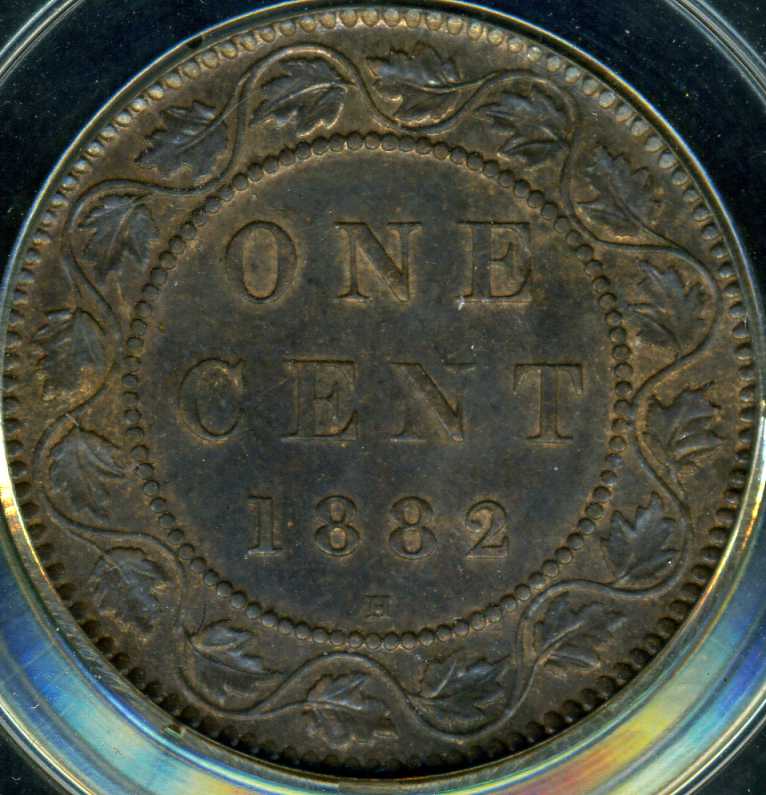
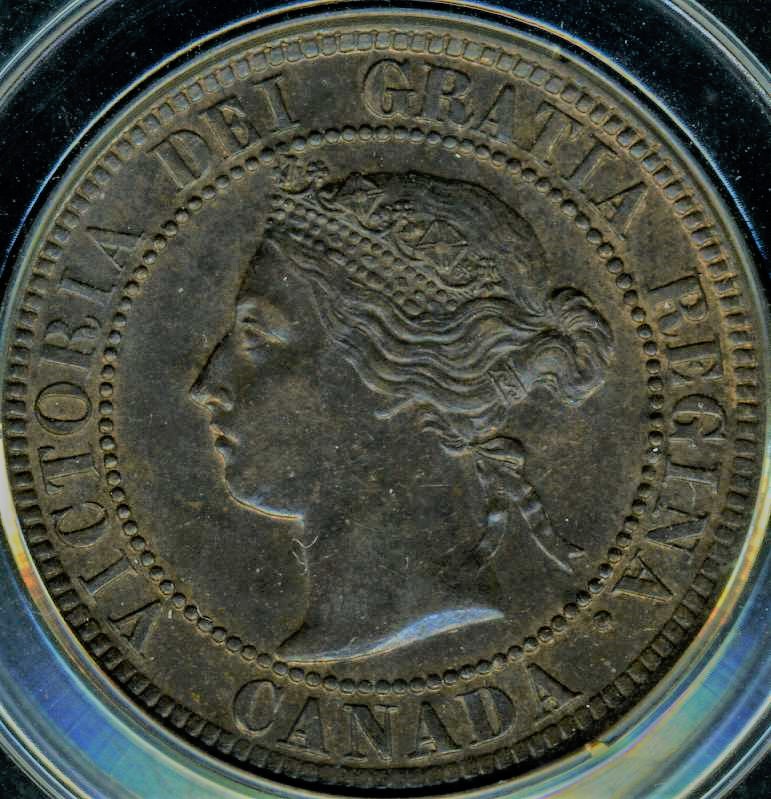
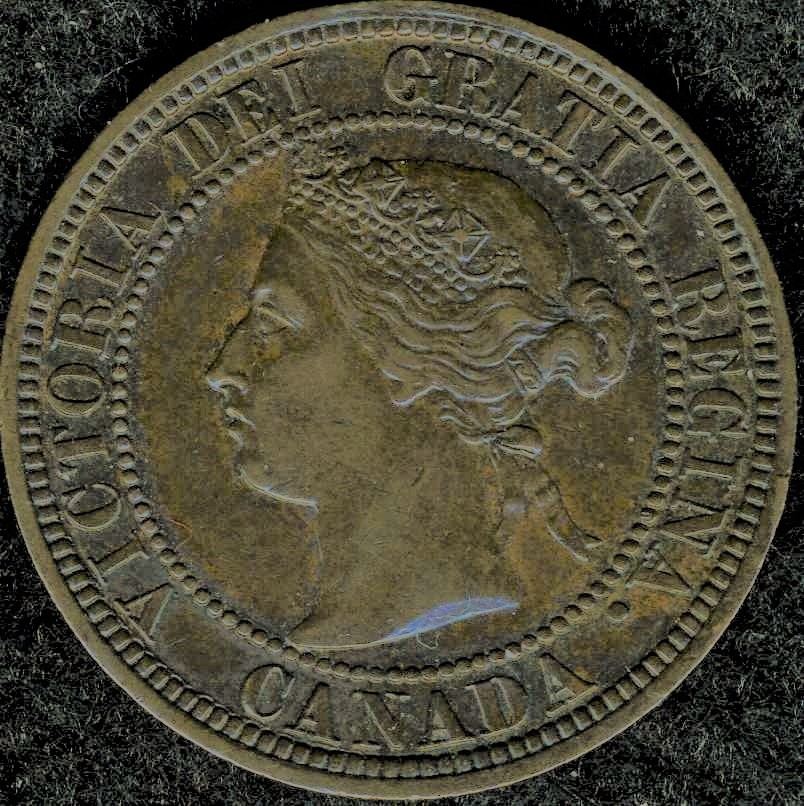
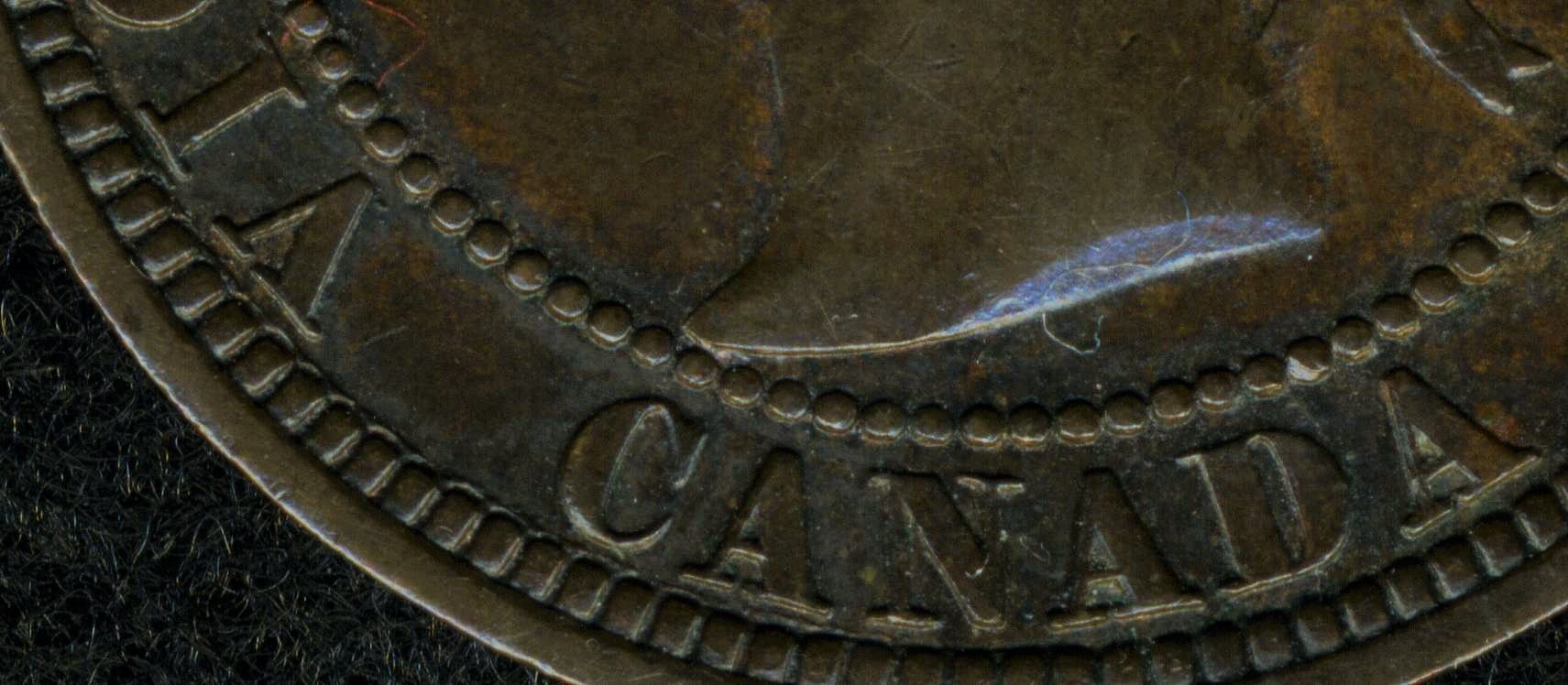
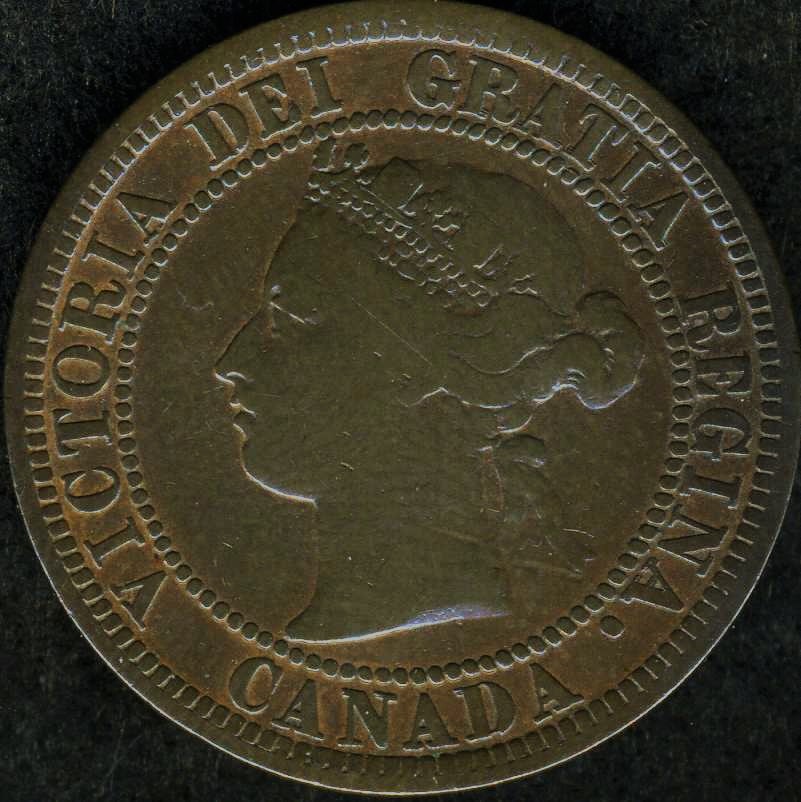
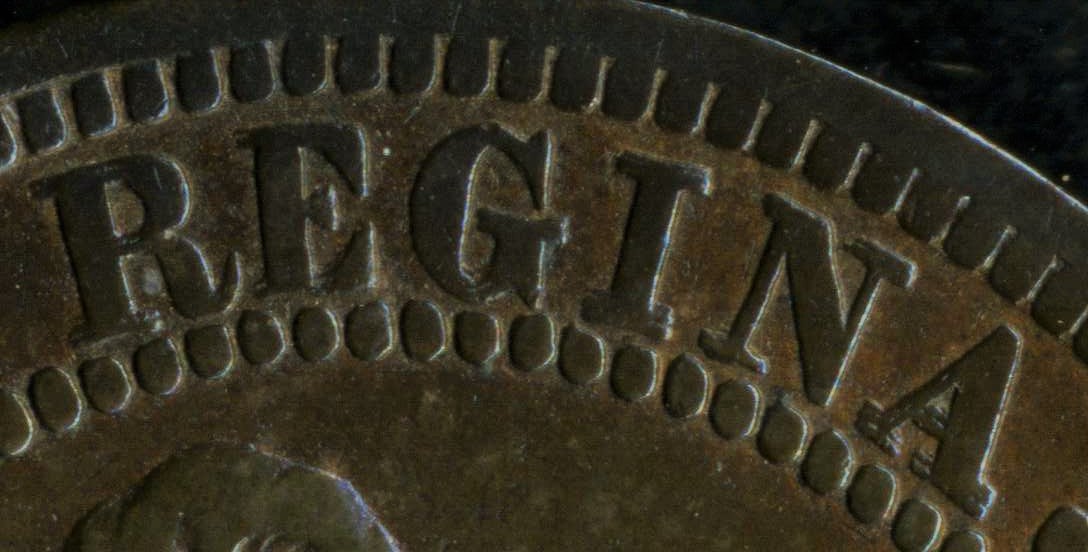
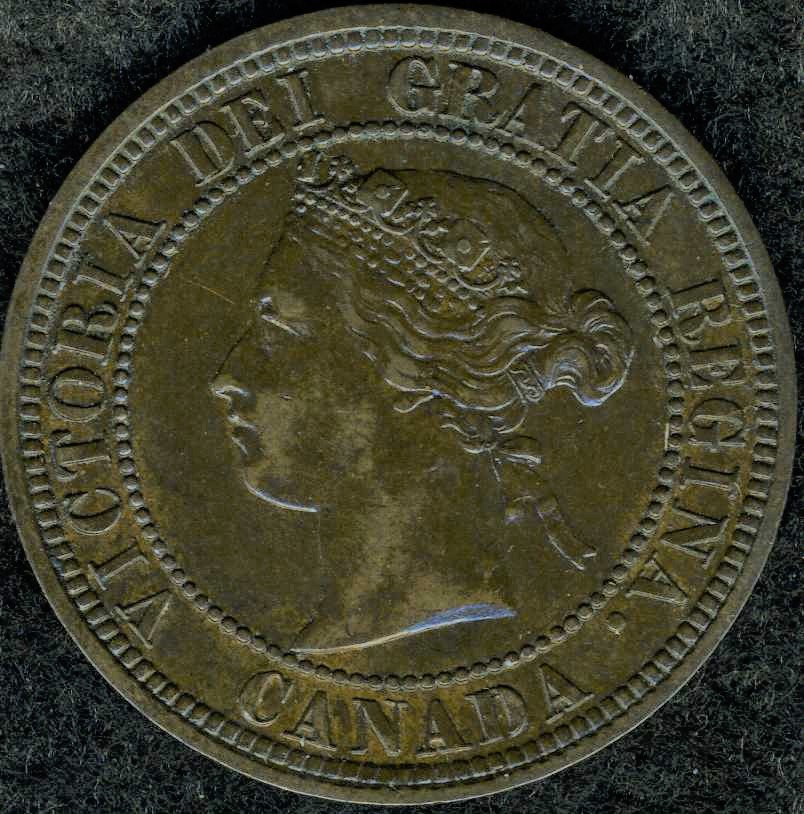
Collecting all of the varieties of the 1882 is almost as neat/busy as the 1859's. You had Obv 1's, 1a's, 1a/1's 2/1's and strait 2's, not to mention the different single and full serif types. Add to that the overpunched N's in Canada and Regina, using up the rest of the old 1876 dies that all had single serifs and were laying around.
The 2/1 type 1 is normally found with a D/C through the C in Victoria and there are no repunched letters. Of the 21 2/1 type 1's that I have, there are 4 with no D/C in Victoria.
We didn't put the Obv 2/1 type 2 in the Charlton due to space limitations, but it's almost as hard to find as the 2/1 heavy doubling one(type 3). On the type 2, there is very heavy doubling of the denticles between Canada and Victoria and there is nicely offset doubling of the last 2 A's in Canada, as well as minor doubling in Regina. It's the type 3 with the heavily repunched letters that most people look for, but remember that there were only 3 Obverse 2/1 dies to start with .. by far the most 1882's are found with a straight Obv 2 or a 1/1a Obv, with a true Obv 1 (not the 1a/1)fairly hard to find. ANY of the 2/1 Obverses are keepers, but the type 2 & 3 are musts for any collector. Nice job, Jim .. your pictures and my words.
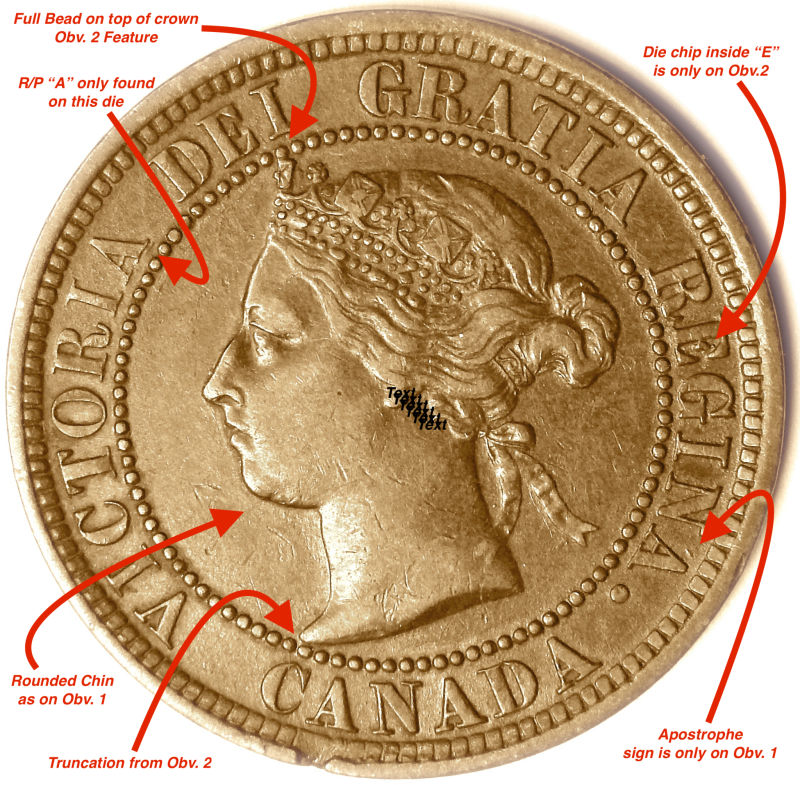
I have added this a day later. I've been asked how do you tell if you have an 1882 Obv 2 over 1 rather than just a 2 or a 1. A 2/1 will have the smooth, rounded chin & throat of an Obv 1 or 1a, but the crown tip will impinge into the bead at the top like a 2. The tip of the neck truncation will be like an Obv2, as well, with it ending to the left of the bead directly above the C in Canada and extending further past into the bead line. An Obv 1 points directly to, and almost touches the bead there and is above the bead. An Obv 2 is well to the left of that, between that bead and the next one to the left.
When making a working die, it takes 2 or more presses/whacks with the hub onto the working die surface. Before each press/force/whack the hub is hardened and the working die annealed(softened) to maximize the depth that the hub imprints the working die. These are not done immediately following each other .. it could be days between the first press and the 2nd or 3rd (if needed). In 1882, the mint was introducing the new Monarch Obv2 portrait, as well as using old Obv 1 and 1a Obverses. One of the hubs used in making these three 2/1 working dies was an Obv 1 and one was a 2 hub ... and presto, dies punching out 2/1 coins. Since the hub is making indents/recesses into the die, the largest/longest parts of the design end up on the finished product; ie, the fatter, rounded chin/throat of a #1 and the higher/longer portions of the crown tip and neck truncation tip of a #2.
This same process (hardening the hub and annealing the working die) with the time interval in between will/would produce "hub-doubled" dies that made hub-doubled coins ... when the hub wasn't perfectly aligned with the working die for the 2nd or 3rd whack.
Edited by okiecoiner
02/14/2018 3:07 pm
|
|
Pillar of the Community
 Canada
1928 Posts |
Thanks for your kind words and congrats guys and yes I was lucky CV to sneak the TP from your radar screen not an easy task to find them all before you do.
I was hoping that you would add to the post okie fill in all the pot holes I left, I think by getting these last two coins the DD and TPD I have all the 1882 varieties.
|
|
Valued Member
Canada
63 Posts |
Thanks for the post. I'm still trying to figure out this date. This will help.
|
|
Pillar of the Community
United States
1101 Posts |
A very nice collection papeldog!
There is a good marker to look for on the regular obv 2/1. The right foot of the A of VICTORIA is boldly doubled at the bottom. You can see it even on the full side photo you've posted.
|
|
Pillar of the Community
Canada
1928 Posts |
Phil310 thanks for the nice comment. I had never really noticed that A in Victoria before but it does have something going on with it. I'm not to sure what it is a die clash or doubling but it does look like the foot of the A is doubled at lower right under the A. I only have the one 2/1 left in my collection maybe Okie can check his out for this doubling and see if it is a true marker for this coin I always checked for the die crack on the C of Victoria. This would be a very helpful Key marker if it is a doubled A. Edited note: I just checked a 1882 2/1 regular that I had on watch on ebay and that is a key marker as it has the same A in Victoria that you speak of Phil310 Edited by papeldog
02/14/2018 09:48 am
|
|
Pillar of the Community
United States
1101 Posts |
Hounddog Bill had mentioned this marker on a thread a couple of years ago.
I think he had some good photos of it back then.
Edited by Phil310
02/14/2018 10:16 am
|
|
Pillar of the Community
Canada
1265 Posts |
Edited by Hounddog Bill
02/14/2018 11:58 am
|
|
Pillar of the Community
Canada
1928 Posts |
Here's a couple 1882 1a obverse coins one with single serif N's with the open bottom O in Victoria and the other one with normal N's. The single serif N's were minted in obverse 1 and obverse 1a The one I have with normal N's has a triple punched N in Canada and an double punched D in DEI.     |
|
Pillar of the Community
Canada
1928 Posts |
To complete the 1882's that I have here's some picture's of the obverse 1 single serif with full circle O in Victoria.  Edited: correction a couple things 1st changed name of Micro D to Quad punched D, second changed name of full serif N's from obverse 1 to 1a/1  Same obverse but with the Quad punched D in Canada  Hybrid obverse 1a/1 with full serif N's  Then the obverse 2  If anyone would like to add to the post with pictures or comments please do. Edited by papeldog
02/14/2018 2:51 pm
|
|
Pillar of the Community
United States
1372 Posts |
Here are a few of mine to compare, that PCGS graded in December. When you go to the PCGS page, click on the photo to enlarge to full screen. 1882-H, Obverse 1, SSN, MS65RB (I think these are somewhat scarcer than most people think, not rare, but mildly scarce) https://www.PCGS.com/cert/346069921882-H, Obverse 2/1, Type 1, AU-58 (the most common 2/1, but still somewhat scarce) https://www.PCGS.com/cert/346069991882-H, Obverse 2/1, Type 2, AU-50 (pretty hard to find) https://www.PCGS.com/cert/346069981882-H, Obverse 2/1, Type 3 DDO, XF-45 (very hard to find) https://www.PCGS.com/cert/34606997And, here are two more I bought a few years ago. Again, click on the photos and scroll/zoom in to enlarge. 1882-H, Obverse 1, SSN, MS65RB (again, mildly scarce) https://coins.ha.com/itm/canada/can...yBids-1011161882-H, Obverse 2/1, Type 1, MS65RB (very hard to find in this grade) https://coins.ha.com/itm/canada/can...yBids-101116http://www.victoriancent.com2011 & 2025 Fred Bowman Literary Award, 2025 Guy Potter Literary Award, 2022 Paul Fiocca Award, & 2020 J. Douglas Ferguson Award. Life Member of RCNA.
|
|
Pillar of the Community
Canada
5636 Posts |
The photo that papeldog has for the '8s Obv 1 full-serif N's is actually a 1a/1 Obverse, not a straight Obv 1. If you look at the neck truncation at the bottom, you will see the "tips" from both an Obv 1 and a 1a.
BTW, Rob, very very nice coins.
Edited by okiecoiner
02/14/2018 1:32 pm
|
|
Moderator
 Canada
10472 Posts |
Quote:
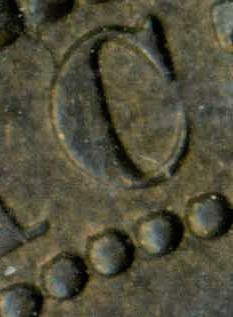
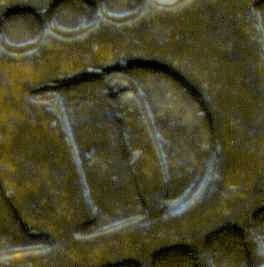
Same obverse but with the Micro D in Canada You guys have to stop calling it that... that is a "made up" definition by our very own Canadian Varieties back in 2011... who then had Louis (CCCS) put that description on a hard holder. The coin you are referring to is a quadruple punched D, where one of the punches was offset to the bottom slightly, and rotated clockwise. What you are seeing is the illusion of a smaller letter, but I highly doubt is is an erroneously used D punch from a 10-cent legend. Even CV admitted that the term "Micro D" was used erroneously: http://goccf.com/t/101657#854096"Discovery follows discovery, each both raising and answering questions, each ending a long search, and each providing the new instruments for a new search." -- J. Robert OppenheimerContent of this post is licensed under a Creative Commons Attribution-NonCommercial 3.0 Unported License. See: http://creativecommons.org/licenses...0/deed.en_USMy eBay store
|
|
Pillar of the Community
United States
1372 Posts |
As opposed to the 1881-H micro D in DEI, which I think was the incorrect manual punch, probably for a dime or one of the other colonial coins.
http://www.victoriancent.com2011 & 2025 Fred Bowman Literary Award, 2025 Guy Potter Literary Award, 2022 Paul Fiocca Award, & 2020 J. Douglas Ferguson Award. Life Member of RCNA.
|
| |
Replies: 55 / Views: 13,397 |







 Posted 02/13/2018 5:39 pm