| Author |
 Replies: 38 / Views: 6,428 Replies: 38 / Views: 6,428 |
|
Valued Member
United States
333 Posts |
Been meaning to do this for a while. There are a whole lot of different coin surface types out there. Many are artificially altered, many are not. I don't know of anyplace offhand that lists them all, and thought it might be useful to gather them together. So post any different kinds of coin surfaces you've got -- natural, artificial, accidental, whatever. This includes things like toning, but there are threads specifically for toning so perhaps that should be kept relatively low. I'm certainly ok with it here. I've got a lot I can post, I'll start with a handful. Feel free to post more examples of anything I put out there too. It's sometimes difficult to get light that's good enough to really show off what I want to. Silver: seawater toned and recleaned. A lot of Philippines coins were dumped into the bay to prevent the Japanese from getting to them. They were reclaimed, cleaned, and used. This one was cleaned, but parts closer to the rim weren't. 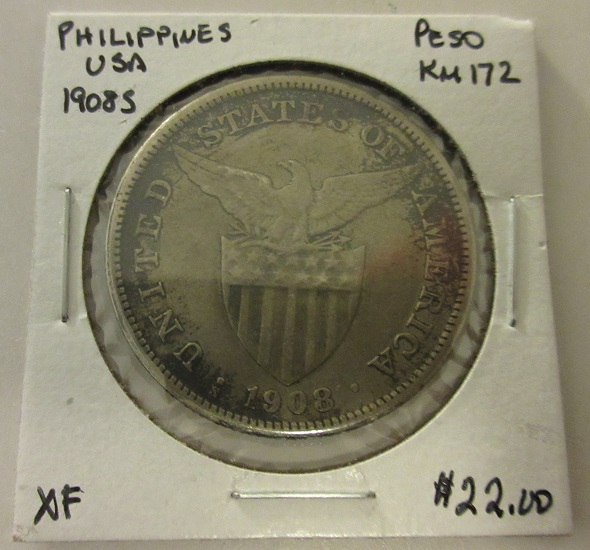 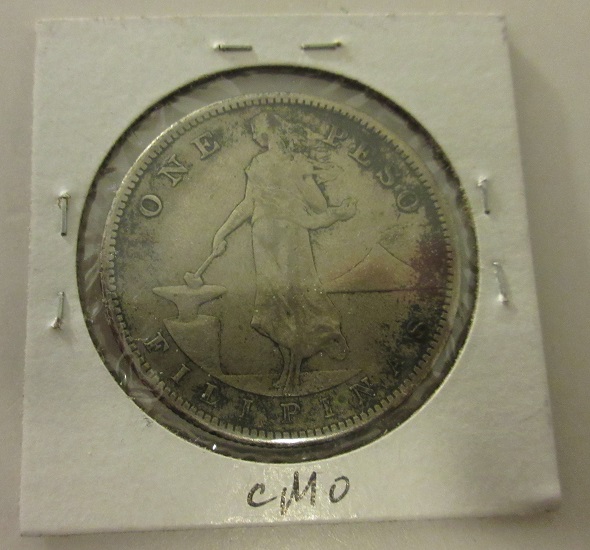 Brass: tea corrosion? This is a "coupon" for half a pound of tea. Its surface is mottled and glittery like spraypaint. There's simply nothing out there to compare this to, but my best guess is that it was probably stored with tea and the tannic acid did this. (These are the images of the seller from ebay as I have a had time getting that glitter in an image.) 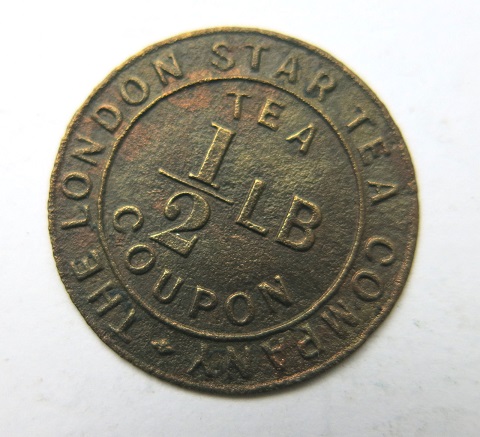 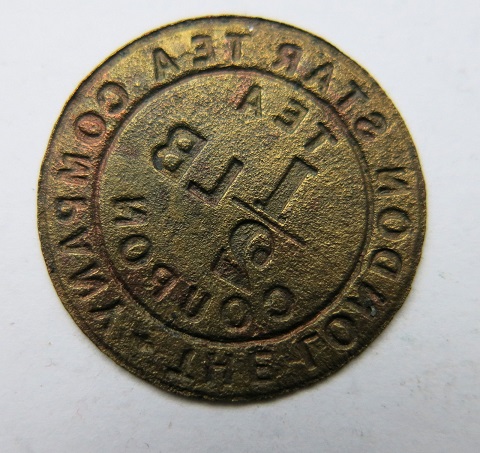 Silver: polished. I had a hard time getting this to show in the picture. This Morgan has been highly polished. The face and eagle being as dark as the field help show that. 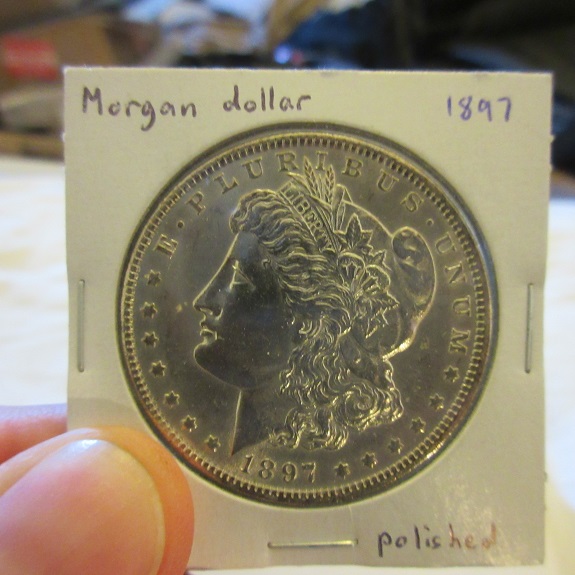 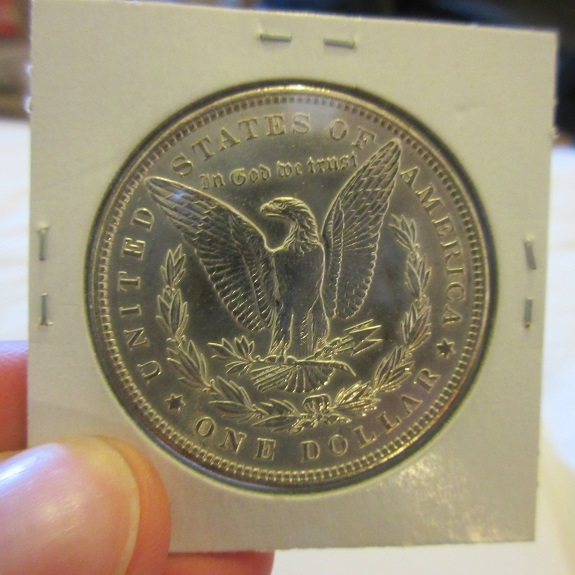 Silver: leather toning (green). It's somewhat difficult to see in this picture but there is a strong green tone across the whole coin. I only found out recently that this happens if you leave a coin in a leather wallet for a long time. 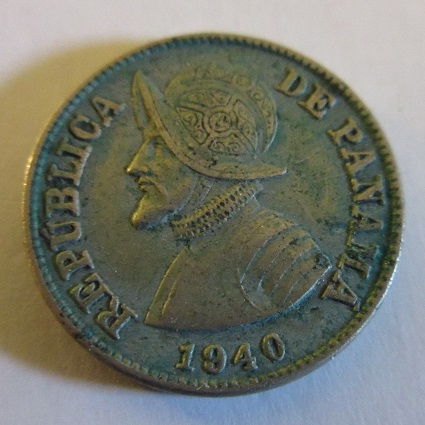 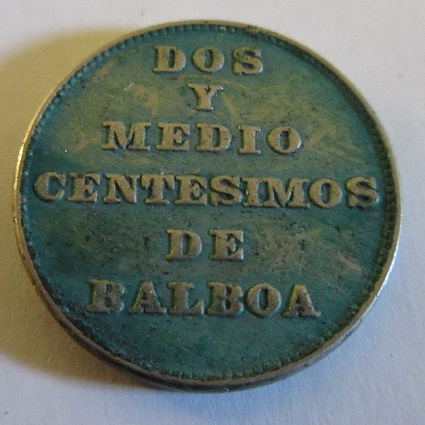 Silver: paper toning. This is what happens when you leave a silver coin lying on a piece of paper for a prolonged period of time. The obverse is the way you'd expect it to be, while the reverse is a light, solid, dull gray. 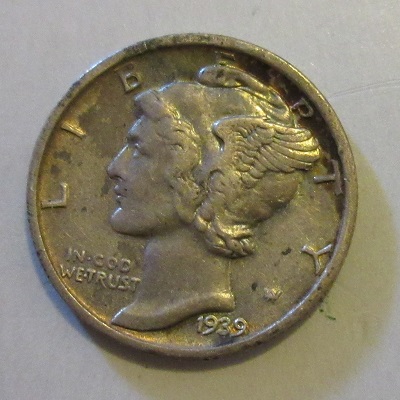 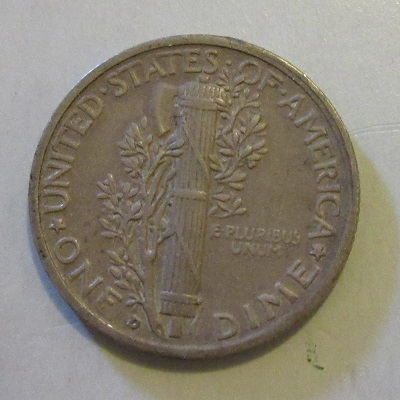 Edited by nautilator
03/24/2018 8:46 pm
|
|
|
|
Pillar of the Community
United Kingdom
2145 Posts |
An interesting idea for a thread.
The tea token shows that someone bought a half pound of tea, it's not a coupon enttling them to a half pound of tea.
I think the surface is due to exposure in wet ground with little oxygen.
|
|
Pillar of the Community
United States
1314 Posts |
Worn. 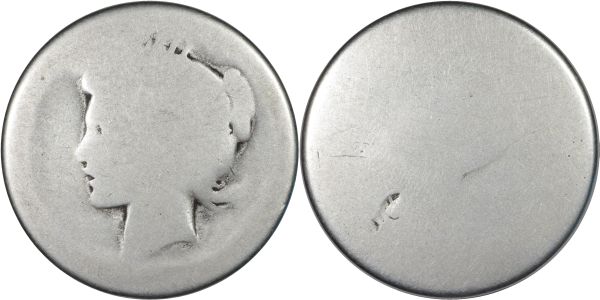 |
|
Pillar of the Community
 United States
6514 Posts |
Wow Chute I think that's the most worn coin I've ever seen. Nice.
|
|
Moderator
 United States
198040 Posts |
Quote:
Worn. Yes, she is!  |
|
Bedrock of the Community
Canada
24885 Posts |
1861 Nova Scotia One cent - Queen Victoria Canada Pre-Confederation. ( Acid dip ) 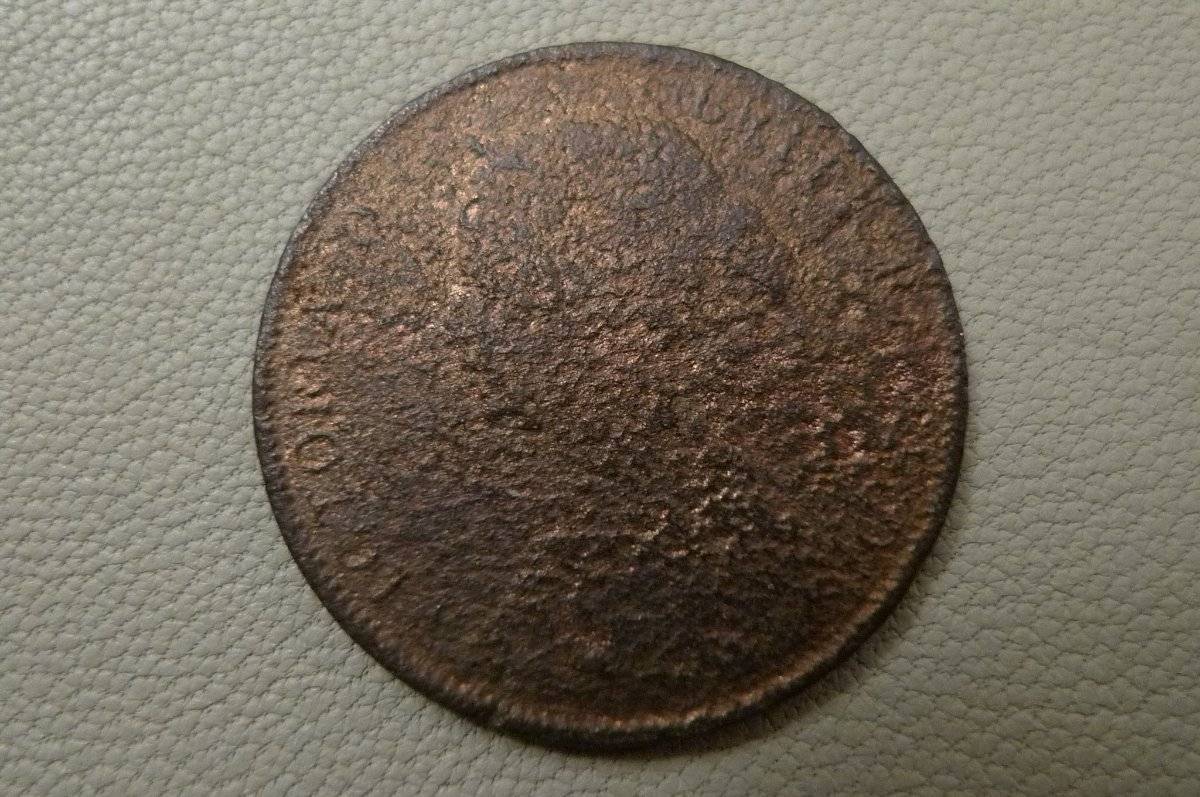 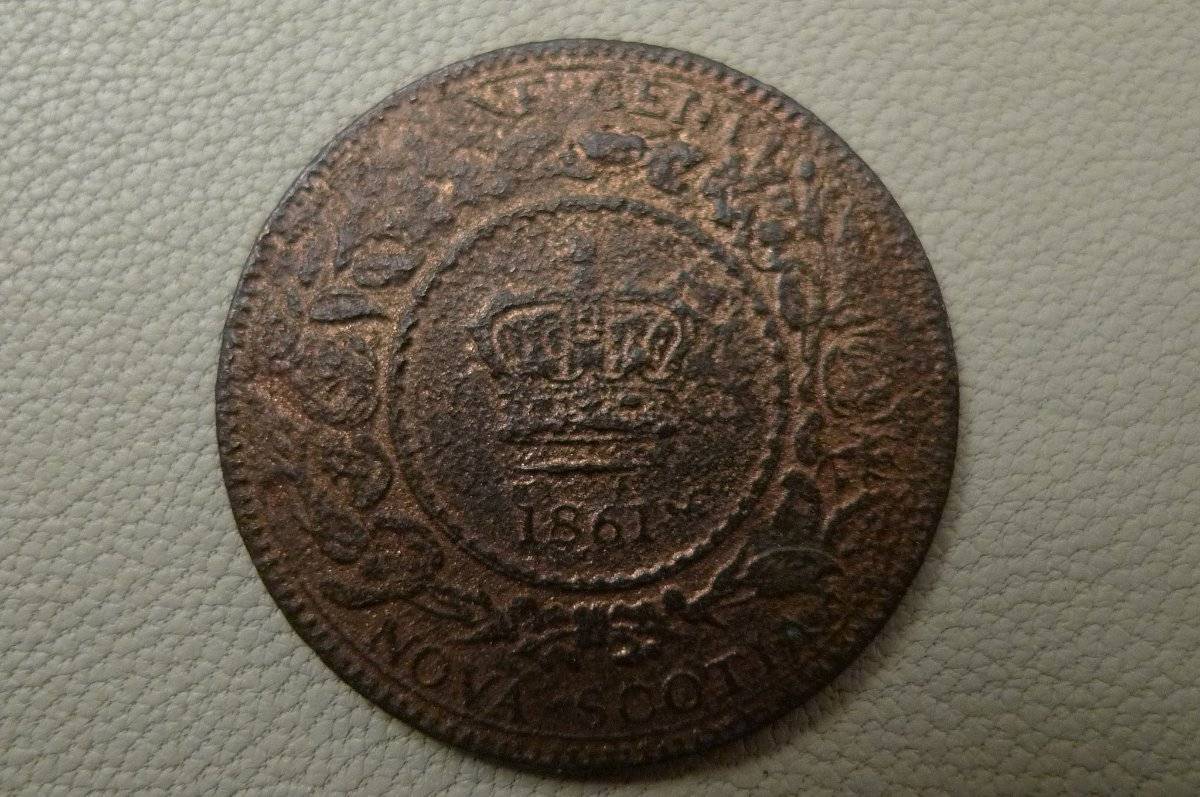 |
|
Pillar of the Community
United States
6130 Posts |
Patinated - a nearly mint state bronze coin that was buried for 1700 years. The bronze soaks up the organics from the soil and can turn black, green, or brown. Black patina:  Green patina: 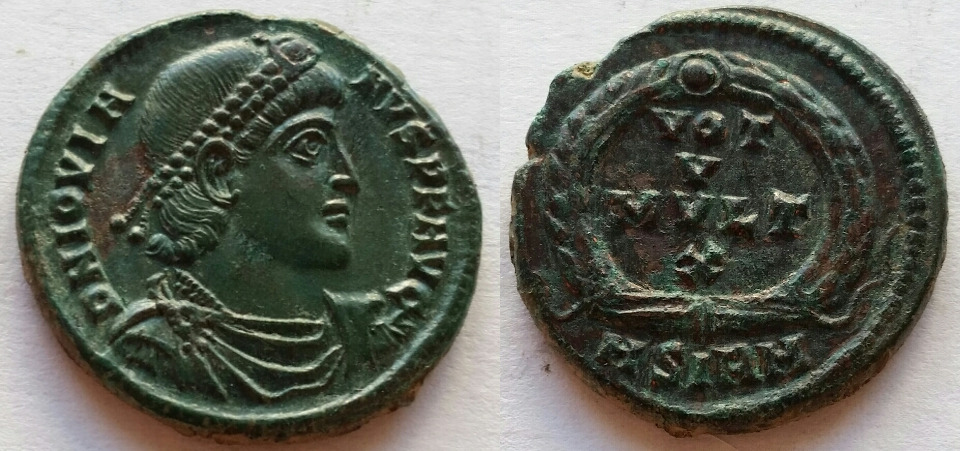 Silvered - some Roman bronze coins had an intentional 3-10% silver content, which was enhanced by soaking the planchet in an acid that would eat away the copper from the outer layer of the coin. It would then be struck and appear to be silver for a few months or years of circulation 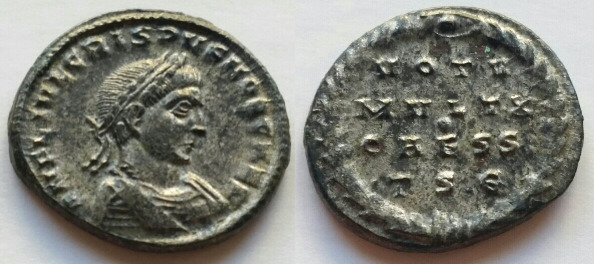 |
|
Moderator
United States
198040 Posts |
Nice examples, Finn.  |
|
Pillar of the Community
United States
6514 Posts |
Beautiful specimens Finn.
Check out my counterstamped Lincoln Cent collection: http://goccf.com/t/303507 |
|
Bedrock of the Community
Canada
24885 Posts |
1948 USA Five cents. 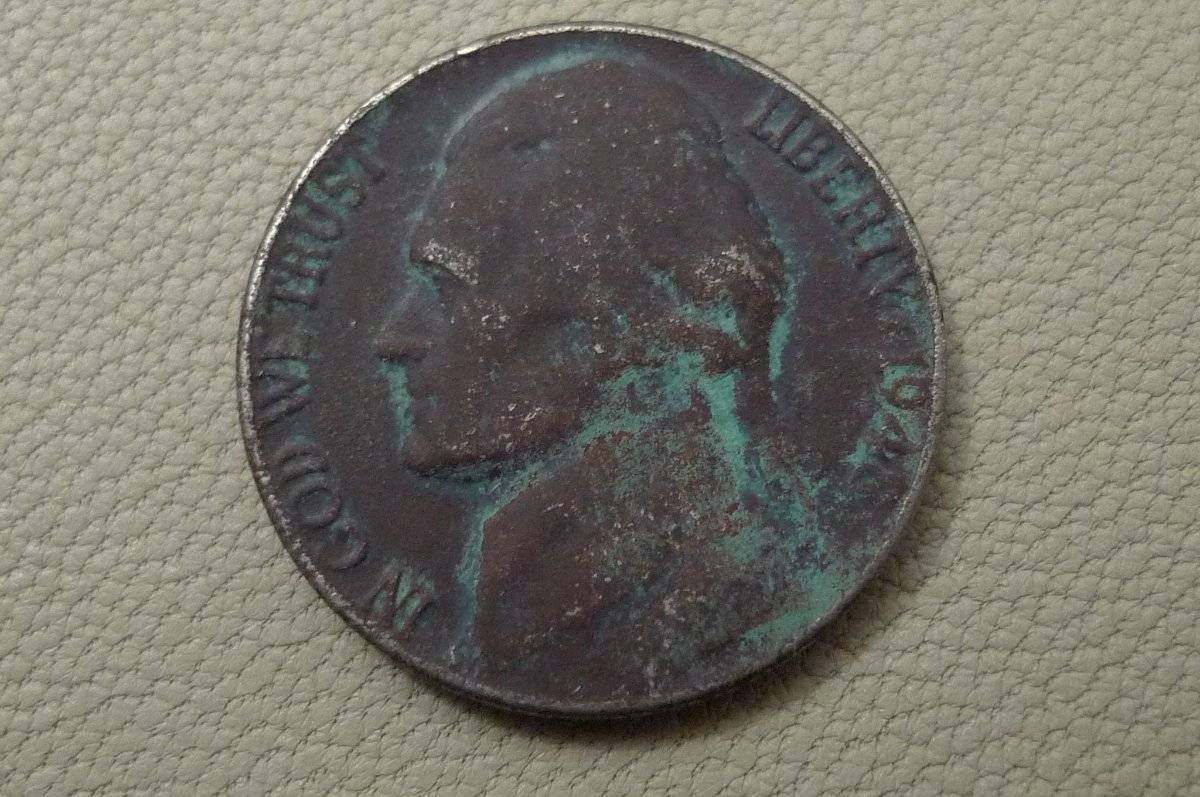 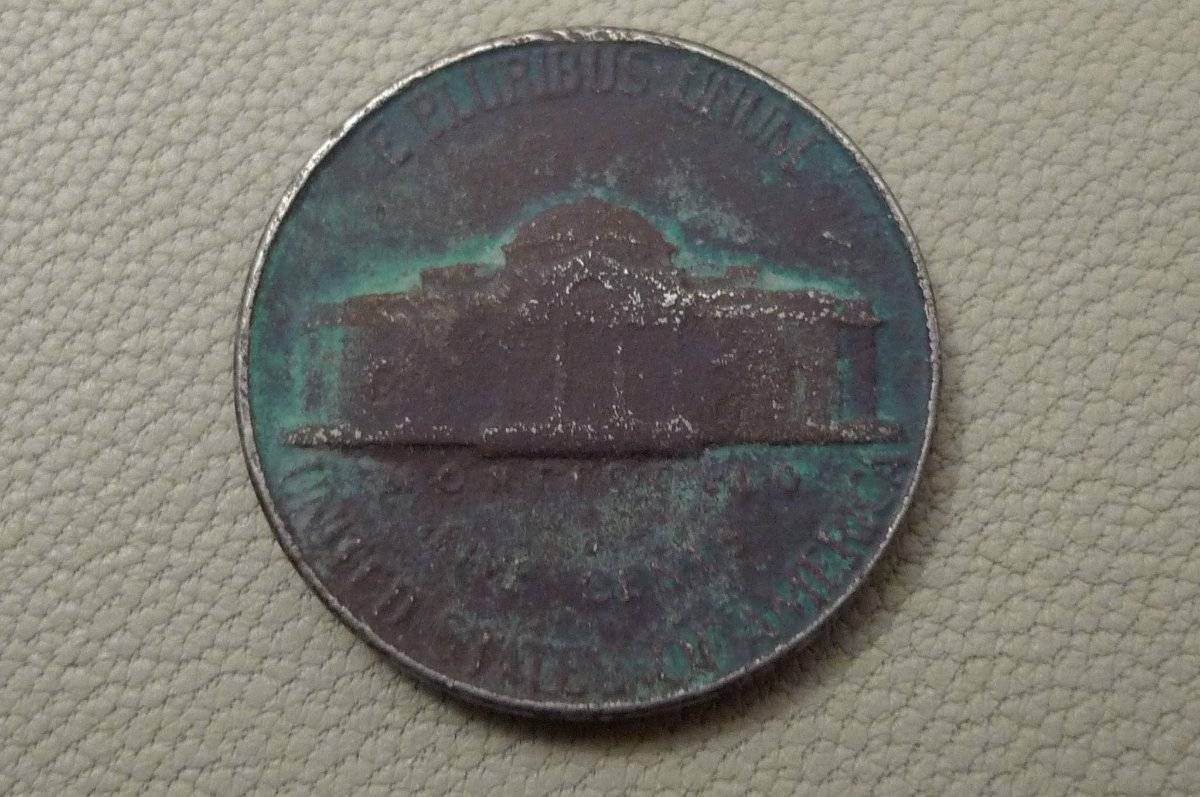 |
|
Moderator
United States
198040 Posts |
Quote:
1948 USA Five cents. Looks like he was grounded for a while.  |
|
Valued Member
 United States
333 Posts |
Lead: dug up. I'm told that the lead used in farmers tokens from medieval times varied in color, that darker colors suggested they were used in London or other cities. Can't confirm that but this one was dug up for sure. 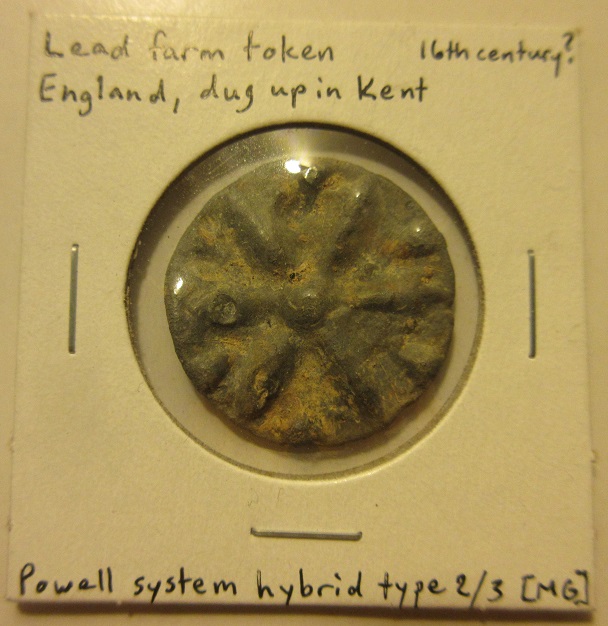 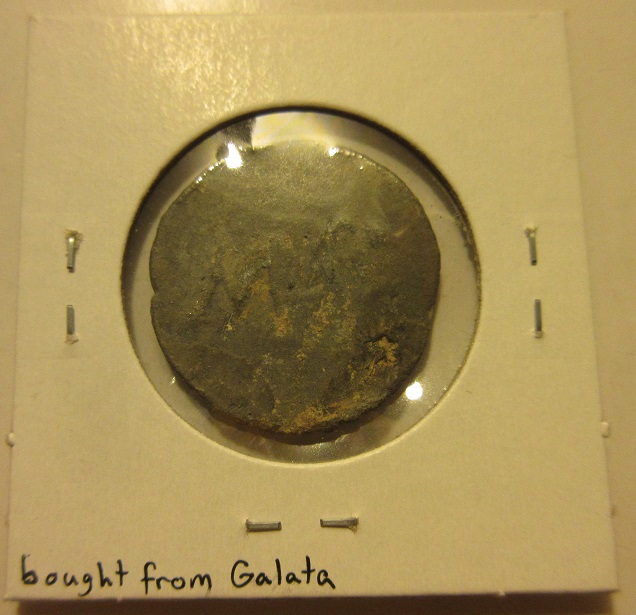 Lead: general; mild corrosion. Unlike zinc, lead starts and stays dark. But like zinc, lead corrosion is white. I don't have any examples of major lead corrosion, but you can see a little of it in this. 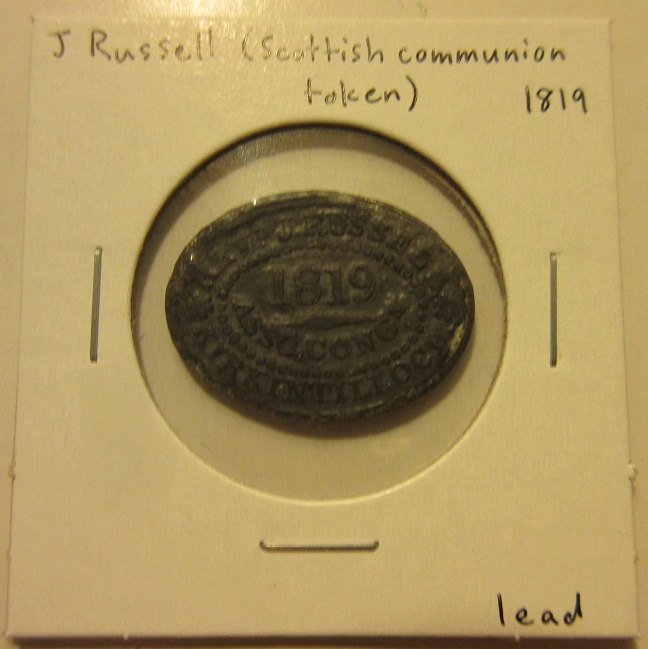 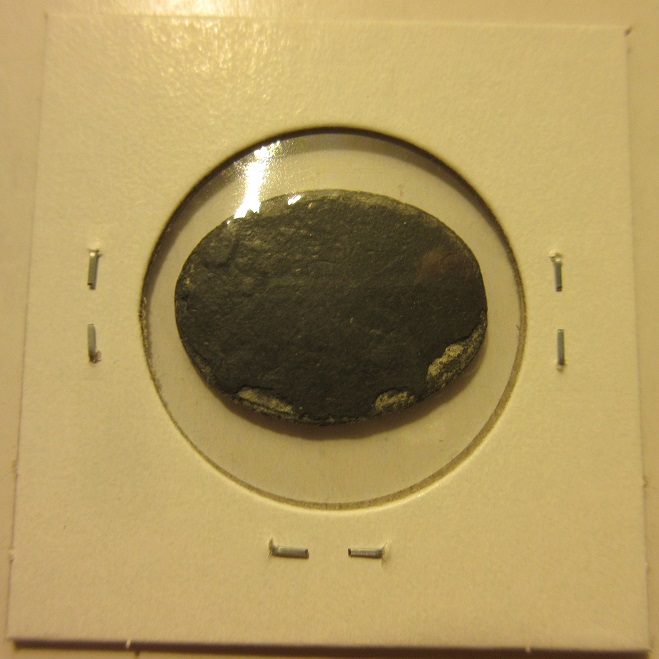 Brass, iron: corroded. Corrosion is generally undesirable on a coin, but often unavoidable on ones centuries old, like these Chinese ones. The even rusting on the brass and iron here is something I like, personally. 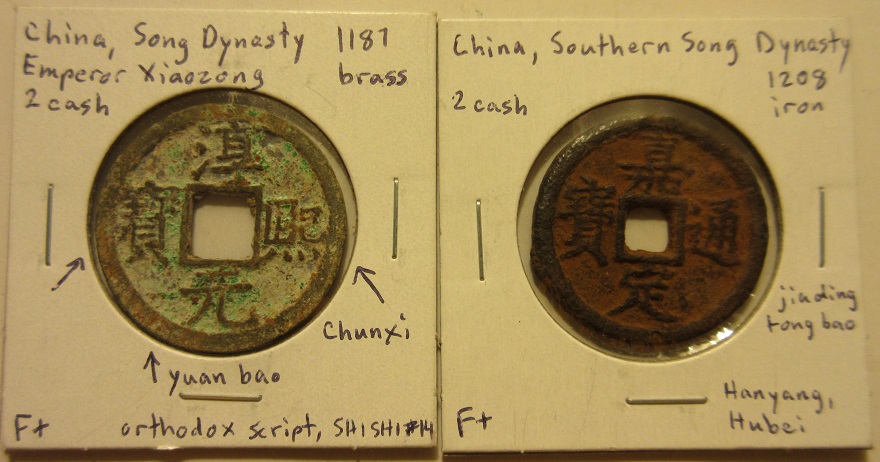 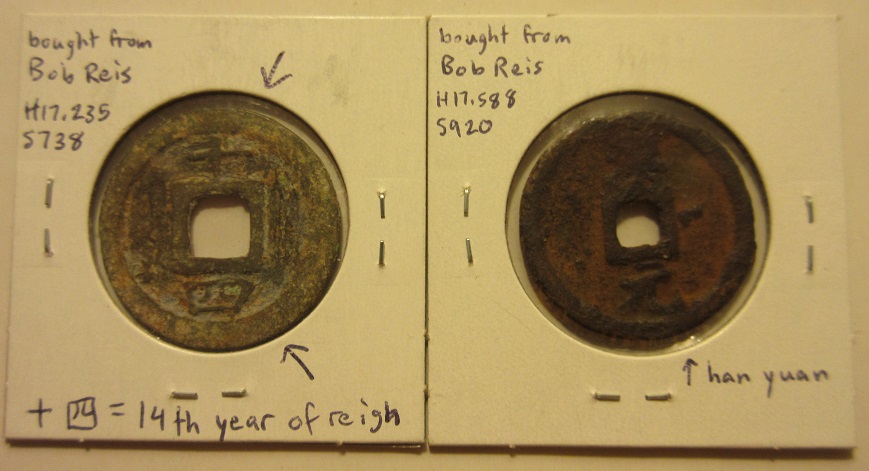 Lead: proof. Proof lead coins aren't really a thing. Most lead coins were made centuries ago, and those that are more modern didn't have proof versions -- that I know of. About the only time you'll come across lead as a proof is in a trial strike like so. (And most such trial strikes aren't done as proofs.) 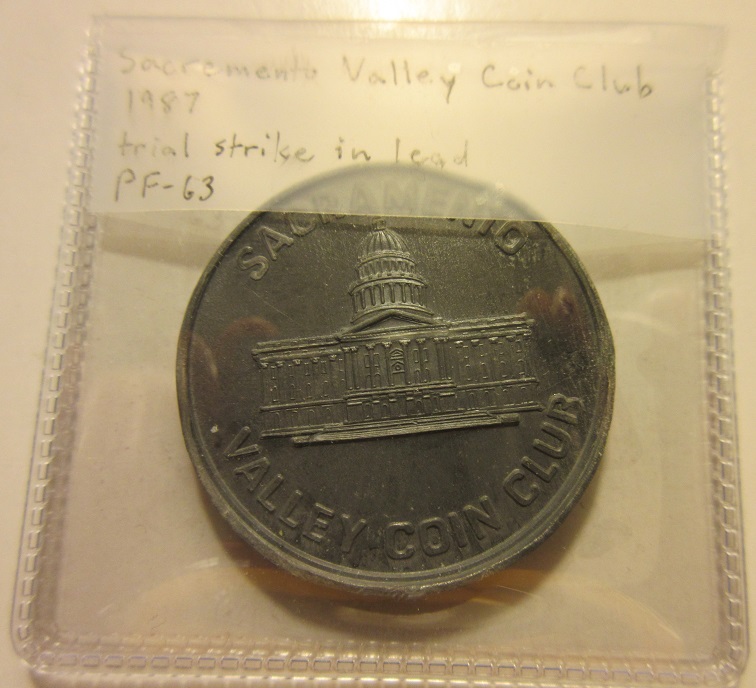 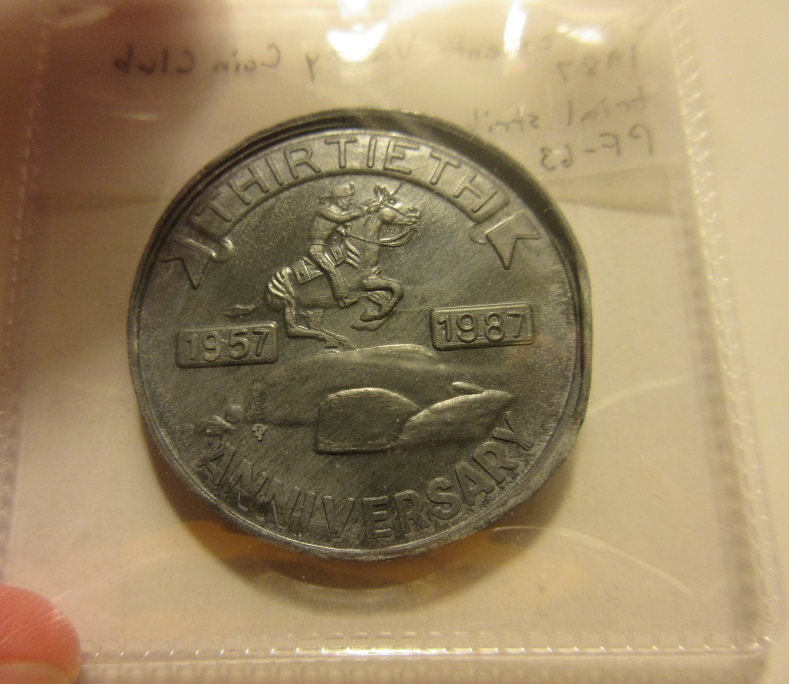 |
|
Pillar of the Community
United States
6130 Posts |
Reviving this thread a bit now that I have an example to show. Ancient coins buried in the desert climates of the middle east pick up what collectors call a "sand patina"; in essence a type of clay that chemically binds to copper during the patination process. The coins are gently rubbed or brushed to reveal the copper beneath, to a pleasing effect: 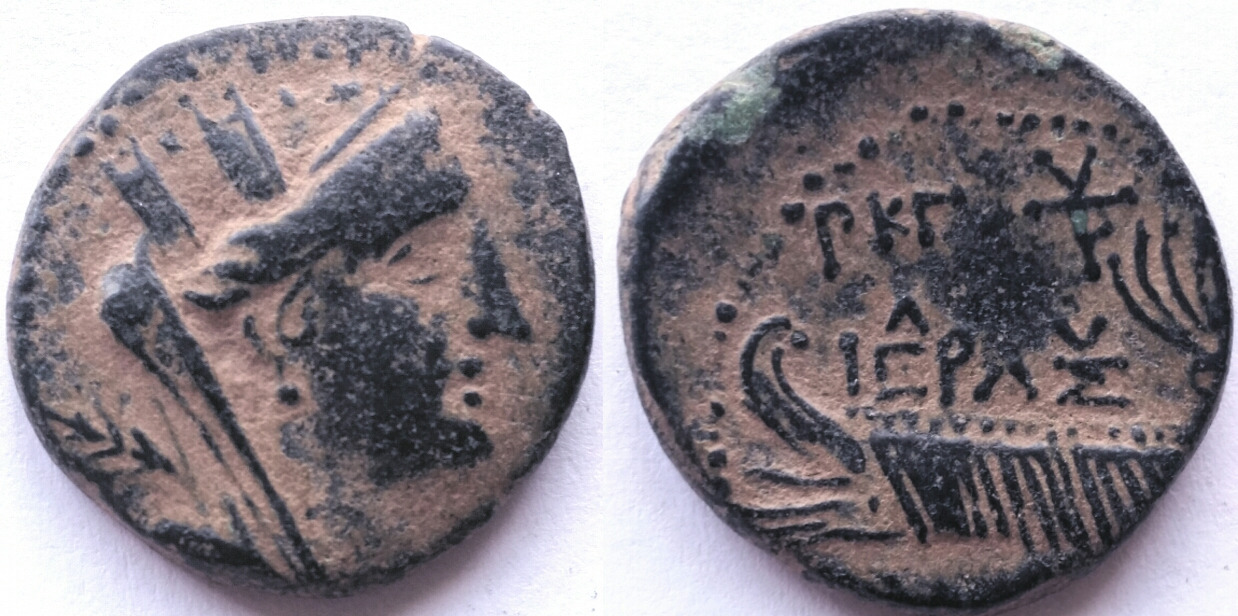 Phoenicia, Tyre, 3 BC |
|
Bedrock of the Community
Canada
24885 Posts |
2012 Canada (proof) 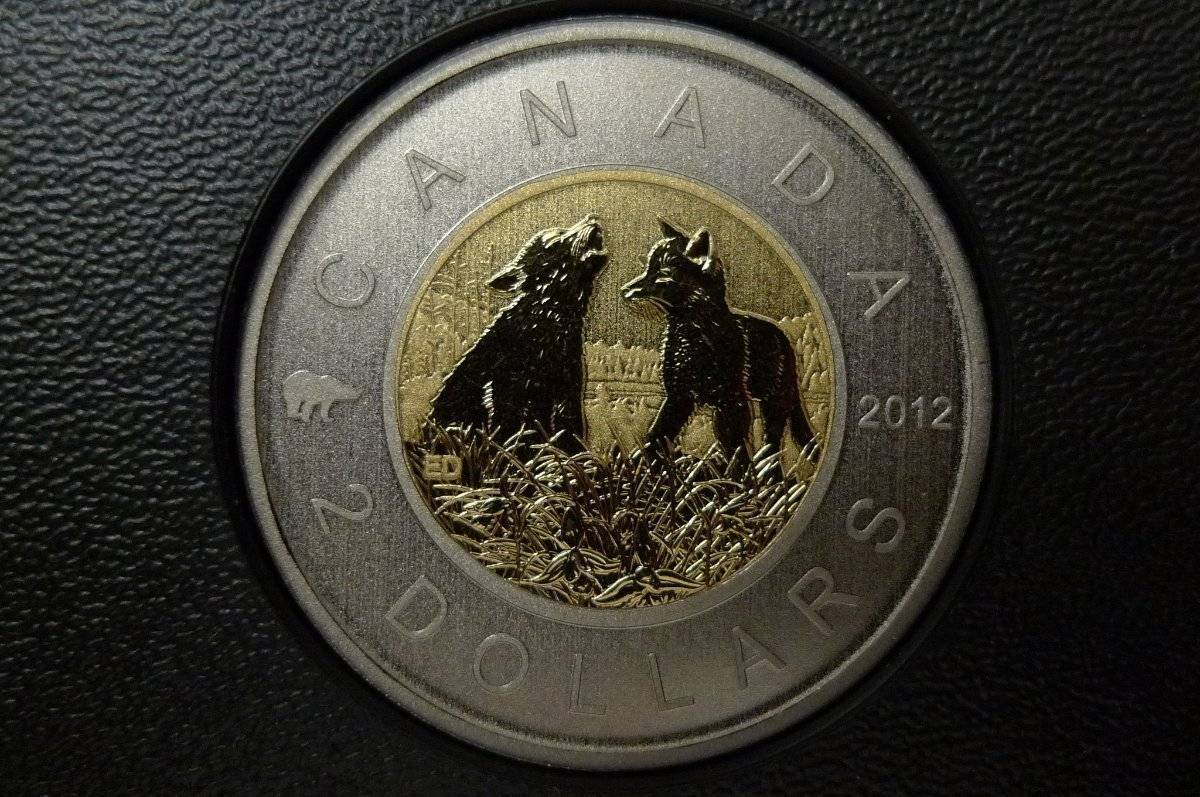 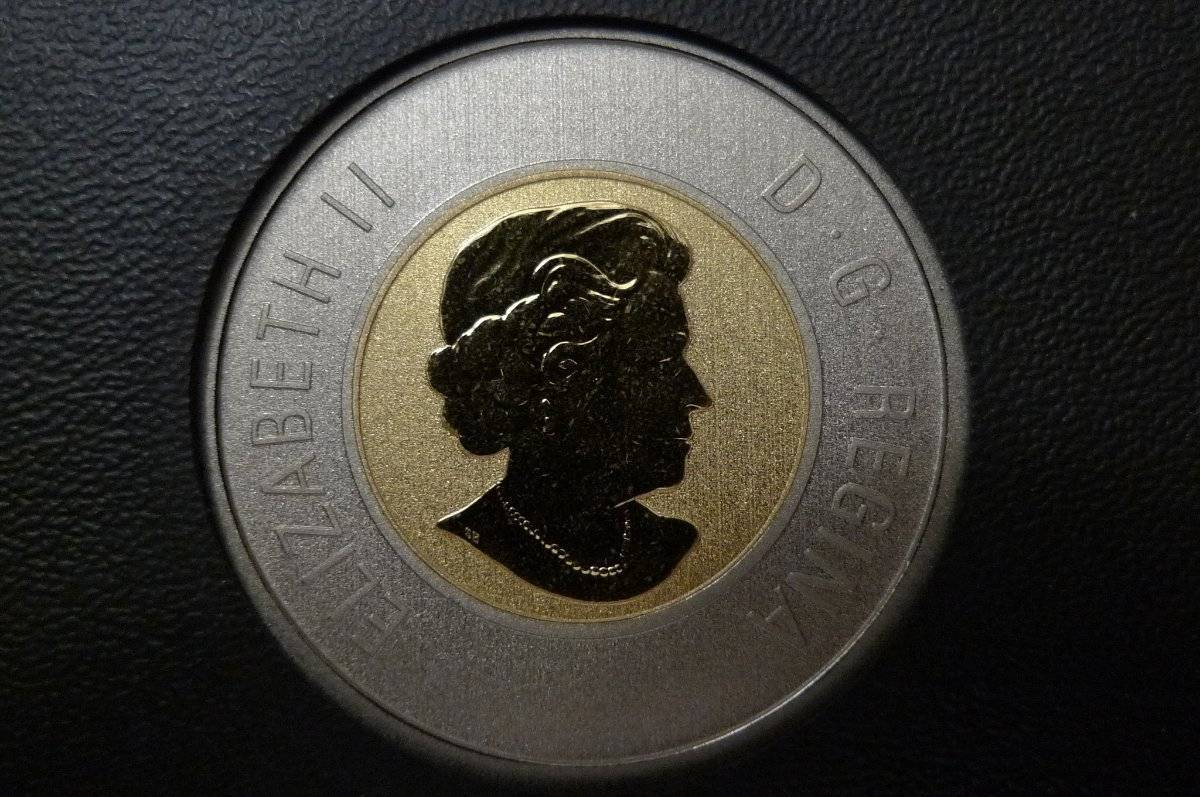 |
|
Valued Member
United States
262 Posts |
While both of these coins are "damaged", I think that they have a certain appeal. 1930 or 1950 LWC - I think someone took a phillips head screwdriver to this one. 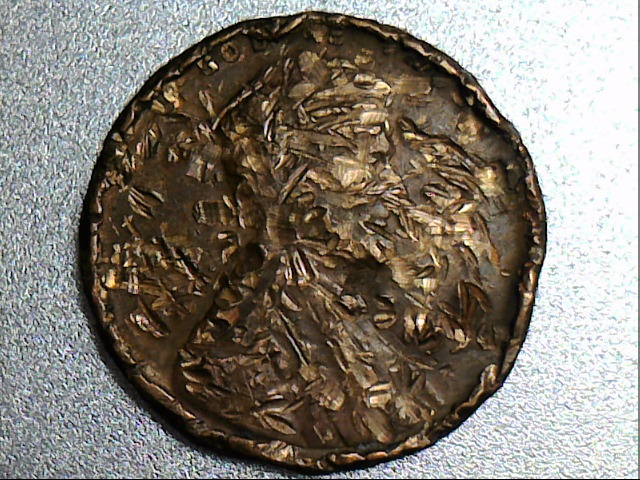 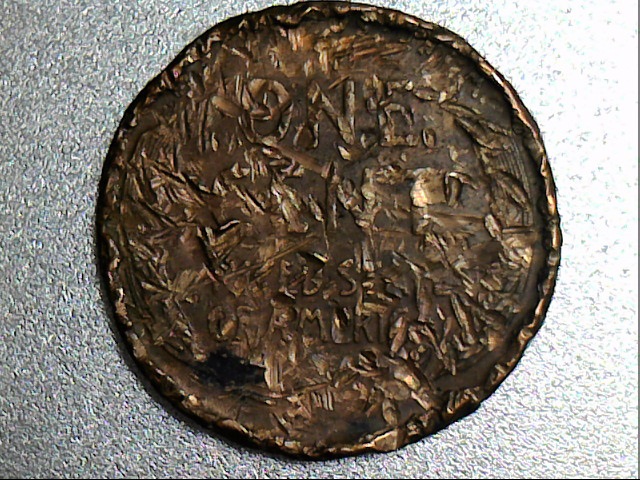 1989 LMC - This one has had the copper rubbed off. It gives it a certain cameo effect. 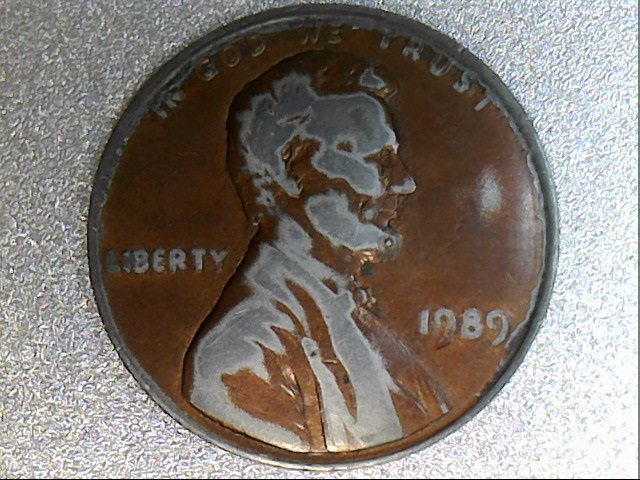 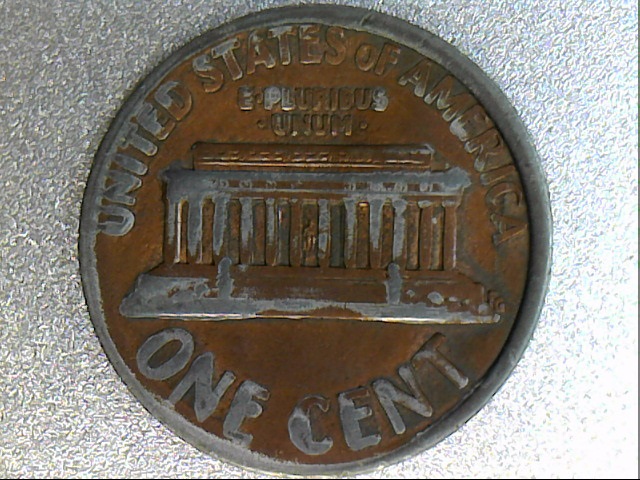 I was actually thinking about starting a topic like this. Great idea. |
|
Bedrock of the Community
Australia
21794 Posts |
How about sea water corrosion on shipwreck coins?
|
| |
Replies: 38 / Views: 6,428 |




 Posted 03/26/2018 12:11 am





