| Author |
 Replies: 11 / Views: 6,017 Replies: 11 / Views: 6,017 |
|
|
Valued Member
United States
138 Posts |
These two Alexander the great coins are from the same jeweller who offered to sell me the coins seen from my recent posts. I would like to know if they are real if possible. Thanks again Coin 1 - Alexander the Great, Silver, Drachm, lifetime issue 310-301 B.C. Not sure of the province. 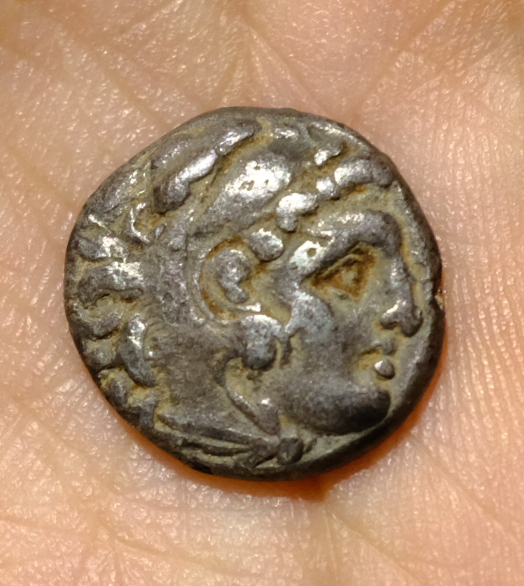 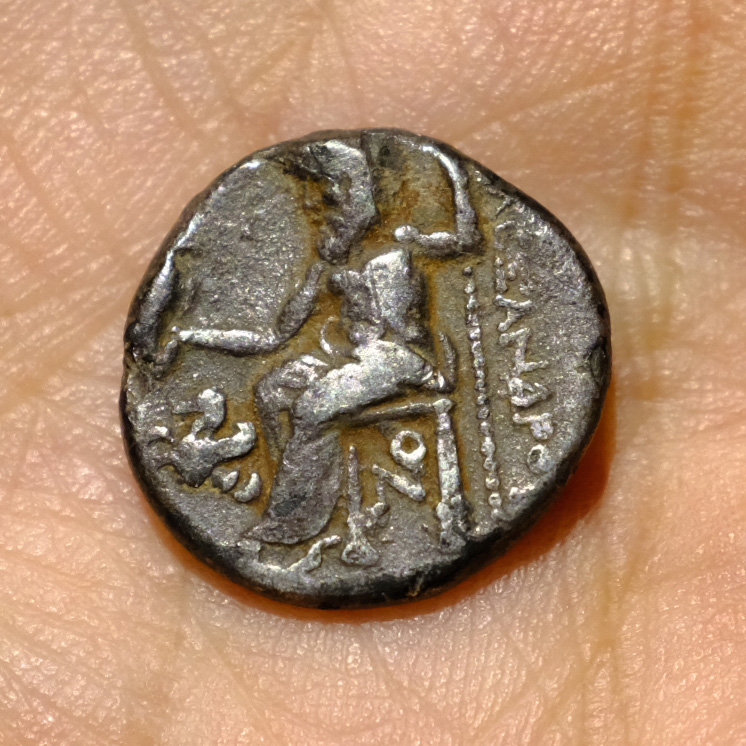 Coin 2 - Alexander the Great,Byblos, Bronze, 330-320 BC. Not sure if this one is a lifetime issue 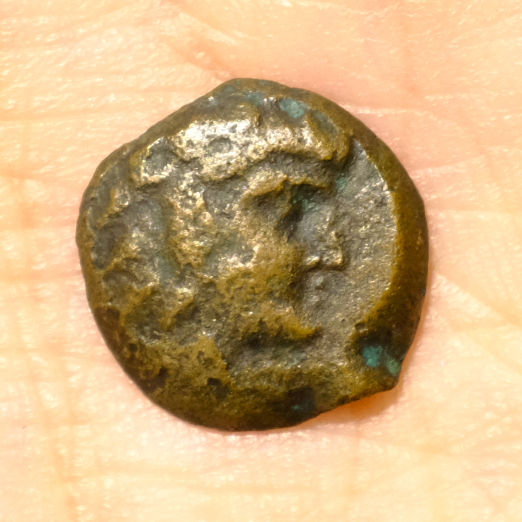 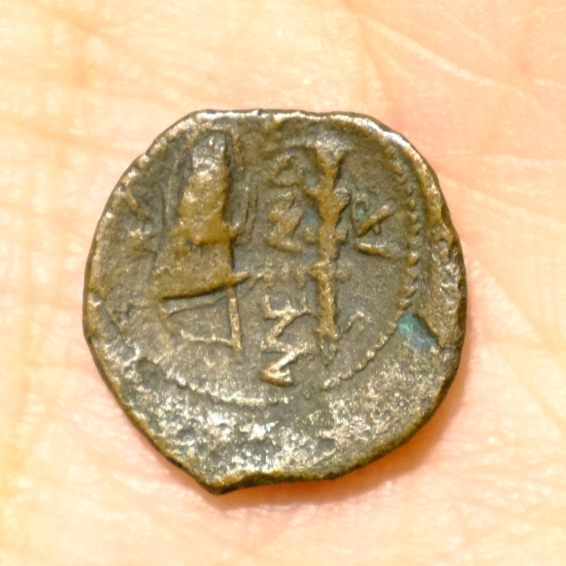 Edited by PhoenicianX
03/27/2018 2:26 pm
|
|
|
|
Moderator
 United States
23731 Posts |
I would say they both look genuine, though the first one isn't a life time strike. The legs are crossed.
|
|
Valued Member
 United States
138 Posts |
Thanks for the reply, Echizento.
That's a relief! Any idea where the first coin is minted?
|
|
Moderator
United States
23731 Posts |
Bob L is good at these. My best guess is Lampsakos located on the eastern side of the Hellespont.
|
|
Valued Member
United Kingdom
90 Posts |
The idea that Alexander drachms and tetradrachms are only lifetime issues when the legs cross is something of a myth. It's one of those rules which apply except when it doesn't.
Edited by FlaviusJ
03/27/2018 3:39 pm
|
|
Moderator
United States
23731 Posts |
Life time issues are with the legs uncrossed, but it's true that shortly after Alexander died his coins still had the uncrossed legs, it did change a short time later to the crossed legs.
|
|
Pillar of the Community
United States
6130 Posts |
The bronze might be a lifetime issue, but then again I haven't seen that flan type on any 4th century BC bronze; mostly 3rd/2nd century BC Ptolemaic issues. Very distinctive domed obverse, flat reverse, and what looks like the remnants of a casting sprue. I believe they cast their bronze flans in molds prior to striking, although I'm not sure why.
Agree that the drachm is likely posthumous. Wildwinds is an excellent resource to quickly search for varieties - I think that's a Pegasus on yours?
|
|
Valued Member
United States
138 Posts |
Yes, it does have subtle domed shape.
I've been doing some research on the bronze coin and the closest matches I am seeing are the ones from Asia Minor and Byblos. It appears to be of the bow, quiver and club/torch type. Cant find the "A" on the bottom of the other coins though
Edited by PhoenicianX
03/27/2018 5:26 pm
|
|
Pillar of the Community
United States
7067 Posts |
Quote:
My best guess is Lampsakos  Struck in Lampsakos under Antigonos I Monophthalmos, c. 310 - 301 BC. |
|
Pillar of the Community
United States
7067 Posts |
|
|
Pillar of the Community
United States
7067 Posts |
|
|
Valued Member
United States
138 Posts |
|
| |
Replies: 11 / Views: 6,017 |
|










 Posted 03/27/2018 2:35 pm


