| Author |
 Replies: 8 / Views: 2,637 Replies: 8 / Views: 2,637 |
|
|
Valued Member
Romania
86 Posts |
Hi, all! I got this 8 reales, Carolus IV, 1789, Mexico mint, a while ago, and I am still in doubts about authenticity. It looks heavily cleaned and tested for silver on the edge. Weight is 26.63 g, diameter 38.4 mm, thickness 2.7 mm. SG (home measurement) is 2.57 I was wondering about the crack on the head side... Thanks for any oppinion about this coin. 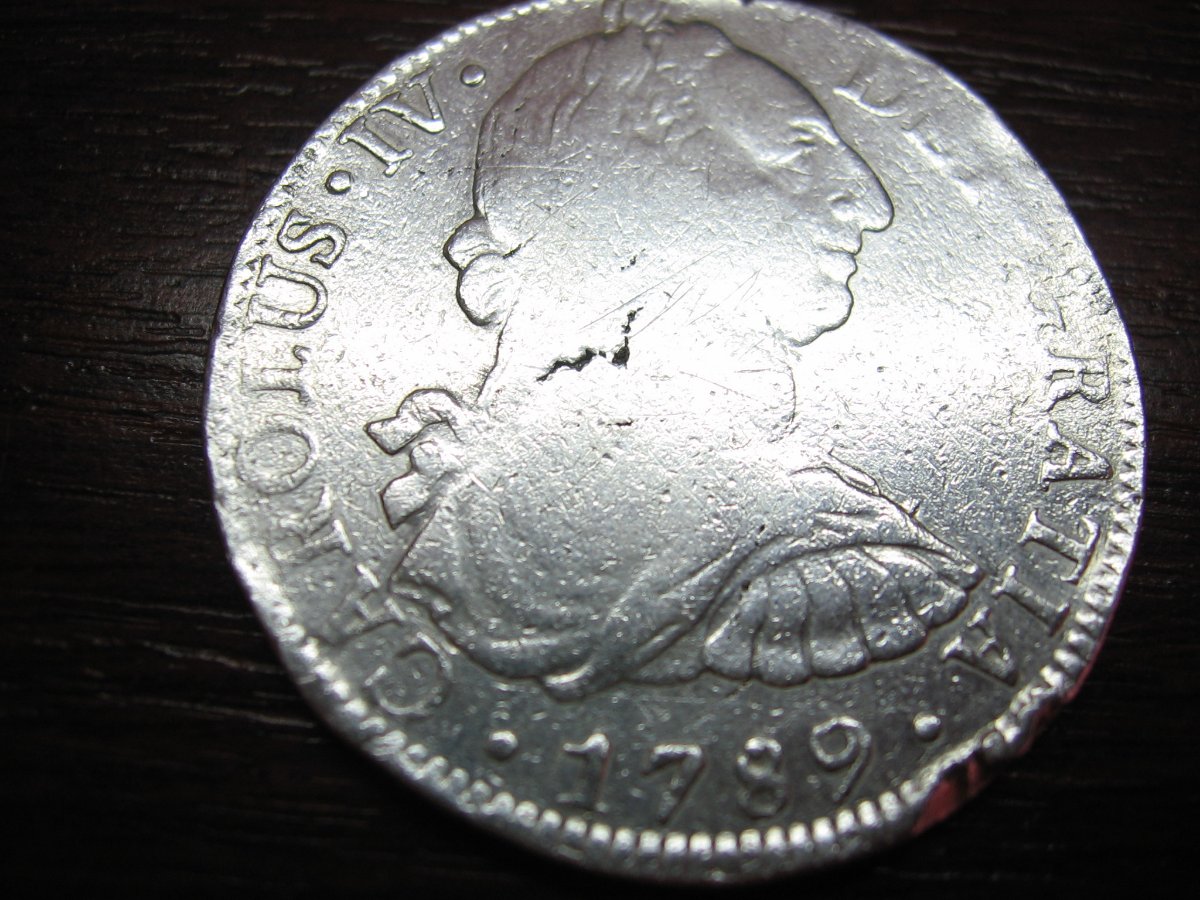 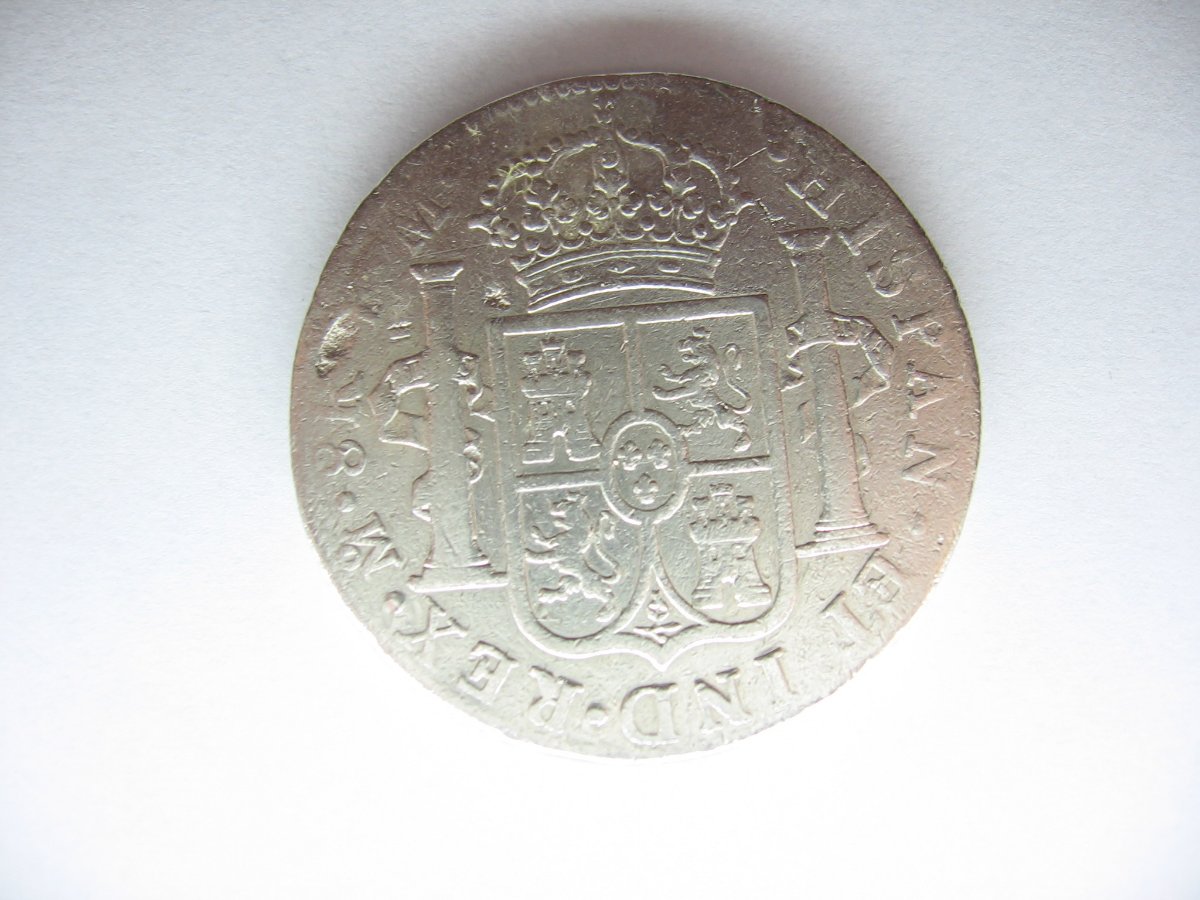 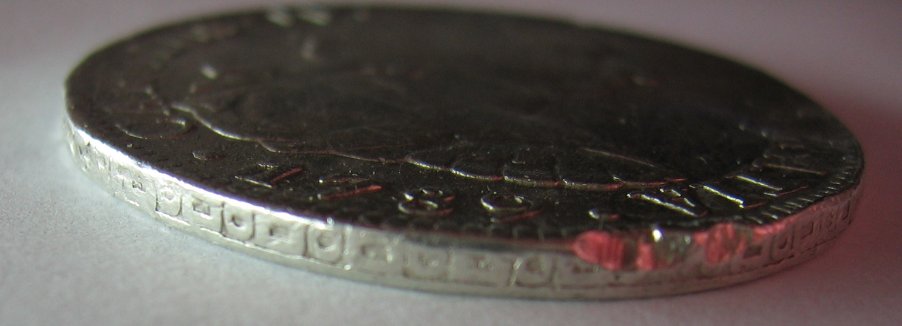 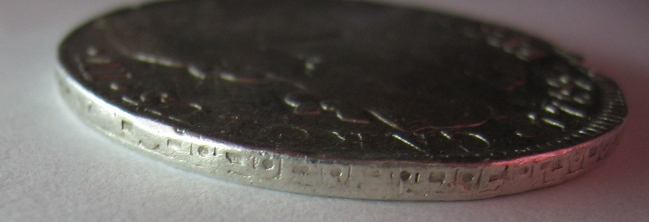 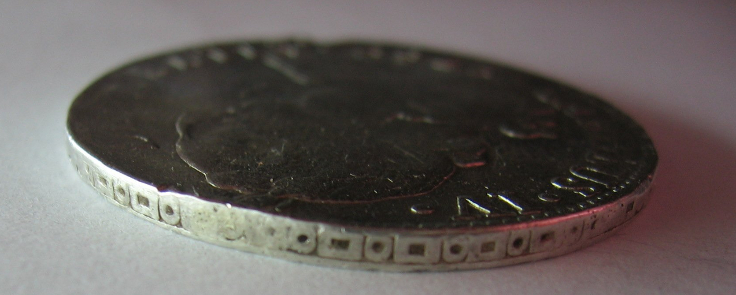 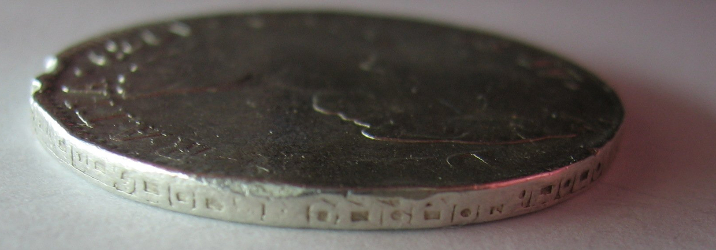 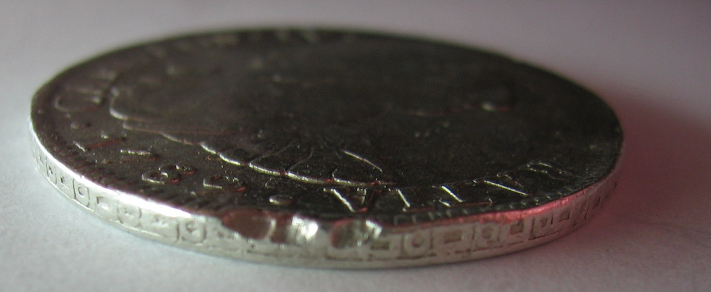 Edited by bogdanjovi
04/02/2018 11:06 am
|
|
|
|
Pillar of the Community
United States
3184 Posts |
seeing all these 8 reales threads questioning if something is fake or not, I'm so happy I never collect 8 reales.....I would probably never sleep and would be always thinking if my coins that I paid $$$ for are authentic or not.
|
|
Pillar of the Community
United States
1801 Posts |
Interesting coin. It is hard to judge a coin, (especially one that appears to have been buffed, polished and heavily cleaned) from a photograph. Personally I would pass on the coin simply because it is a relatively common date/assayer/with image of Carlos III and legend of Carlos IV and much nicer examples can be found if patient. However I wanted to comment on your statistics for the coin. Weight okay, sixe okay, thickness ok however your SG was either done incorrectly or your coin is aluminum. SG for 90% silver/10% copper should be around 10.3. You might want to redo the Specific Gravity test or correct a typo in the post.
At first glance the coin actually appears to be cast.... rough surfaces, differing degrees of wear at different points on the coin. Might be real. My guess would be the flaw on the neck worried someone that the coin was plated base metal and that is why someone whacked a chunk out of the rim to see if it was silver all the way through. If it does correctly measure out on a new SG test, it is at least silver but with minimal numismatic premium due to condition.
|
|
Valued Member
United States
63 Posts |
When you say 2.57sg, was that your primary weight in water? If you finish the arithmetic and divide the dry weight of the coin (26.63) by the wet weight (2.57), I get 10.36. In my understanding of sg testing this would tell you that the coin is indeed silver.
However...Your edge photos show circles that are square on both sides. I believe that this is not possible on Spanish minting equipment. Swamperbob has talked about this in earlier threads. It is my opinion that your coin was made for the China trade sometime after 1830. A transfer casting process would explain the weak edge strike and other anomalies I see on your coin. Hope this helps.
|
|
Valued Member
 Romania
86 Posts |
Thanks all for discussion.
Indeed SG is 10.36, it sounds like silver, smells like silver, so it must be silver.
|
|
Valued Member
Romania
86 Posts |
From numismatic point of view, can this coin be considered a contemporary counterfeit?
|
|
Pillar of the Community
United States
1156 Posts |
swamperbob refers to these as class II contemporary counterfeits. If it was made for the trade with China in the late 1880's to 1930 it's not exactly contemporary since the production of the genuine coins ended 100 years earlier. Coins that circulated near the same time as the genuine issues are truly contemporary. But they are not considered modern forgeries either, meant to fool today's collectors.
There are collectors of contemporary counterfeits -- I don't think class II varieties are much in demand.
|
|
Pillar of the Community
United States
5362 Posts |
A conclusive test is XRF - all genuine 8Rs made in Mexico City in 1789 should have a trace contamination of gold. Even a handheld unit should record a reading of over 0.2% gold. In 1789 silver of the type found in and around Mexico City could not be refined to more than about 99.5% pure. The primary contaminant was gold.
The value of a Class 2 silver counterfeit is fairly low because they are common in low grades with chop marks. In addition the number of collectors interested is low.
|
|
Valued Member
Romania
86 Posts |
Thank you, Swamperbob!
May I understand that you agree with classification of this coin as class II counterfeit?
From price point of view, value is no interest for me.
Unfortunately I do not think I can find XRF test around here, and if I do, the price will be probably very high (25$ means already half of what I payed for the coin).So I will have to live in doubt and maybe someday my son will expertise this coin properly.
|
| |
Replies: 8 / Views: 2,637 |
|










 Posted 04/03/2018 4:43 pm


