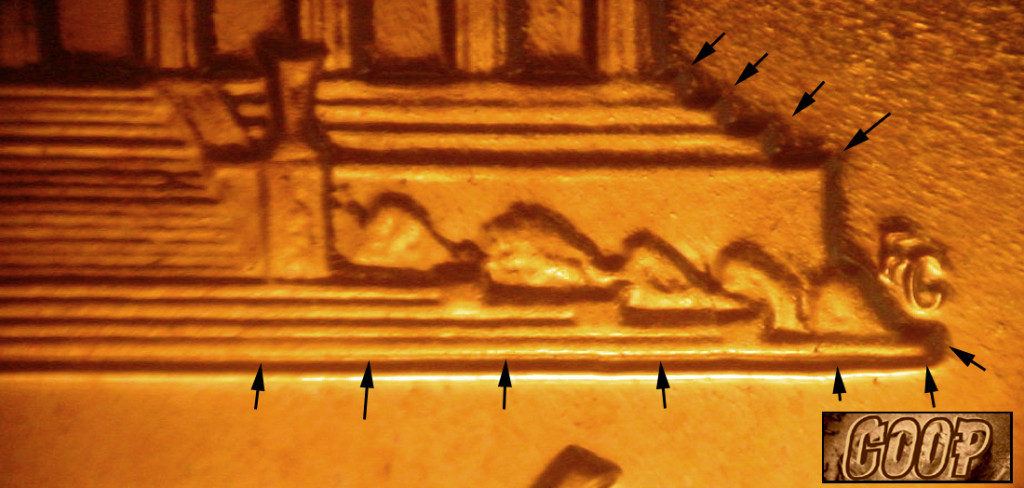
| Author |
 Replies: 6 / Views: 2,204 Replies: 6 / Views: 2,204 |
|
|
Pillar of the Community
586 Posts |
|
|
|
|
Rest in Peace
10197 Posts |
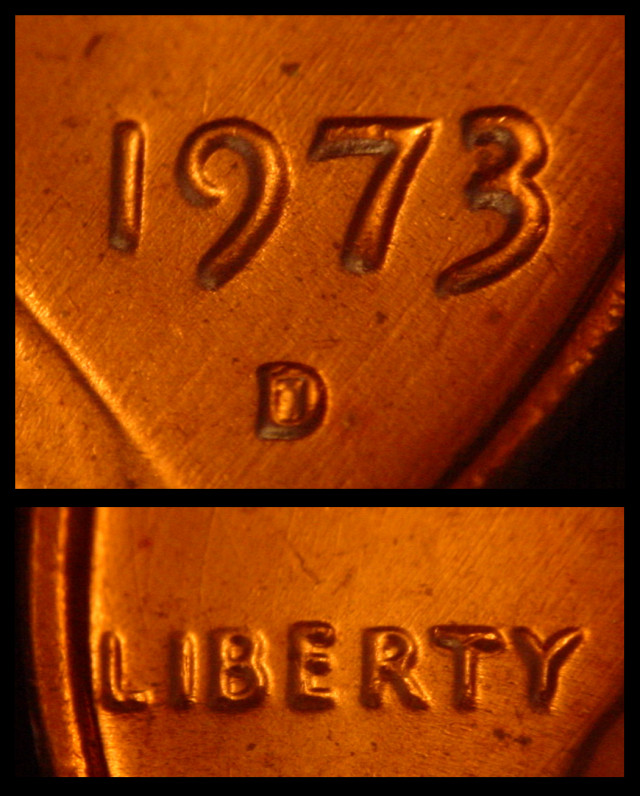
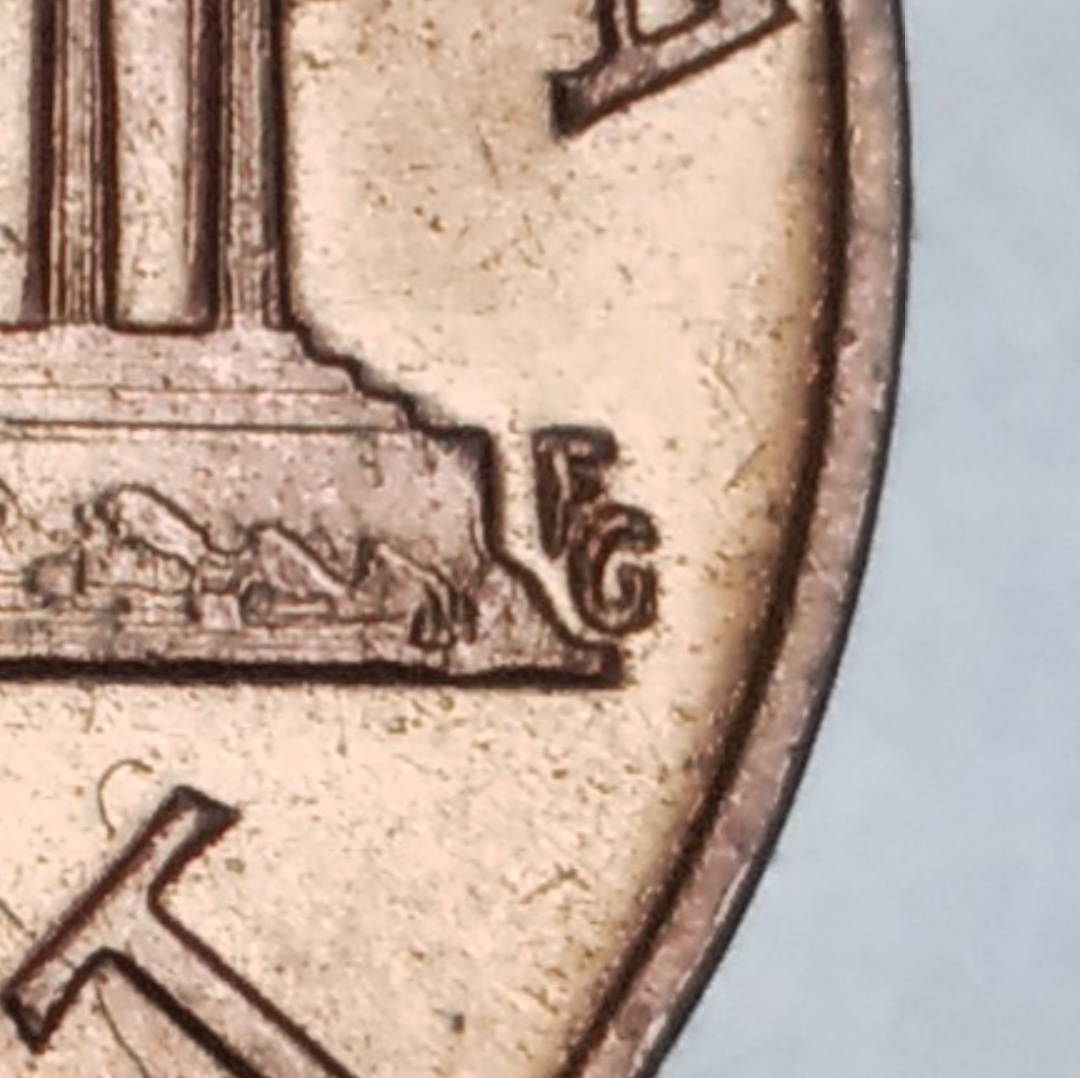
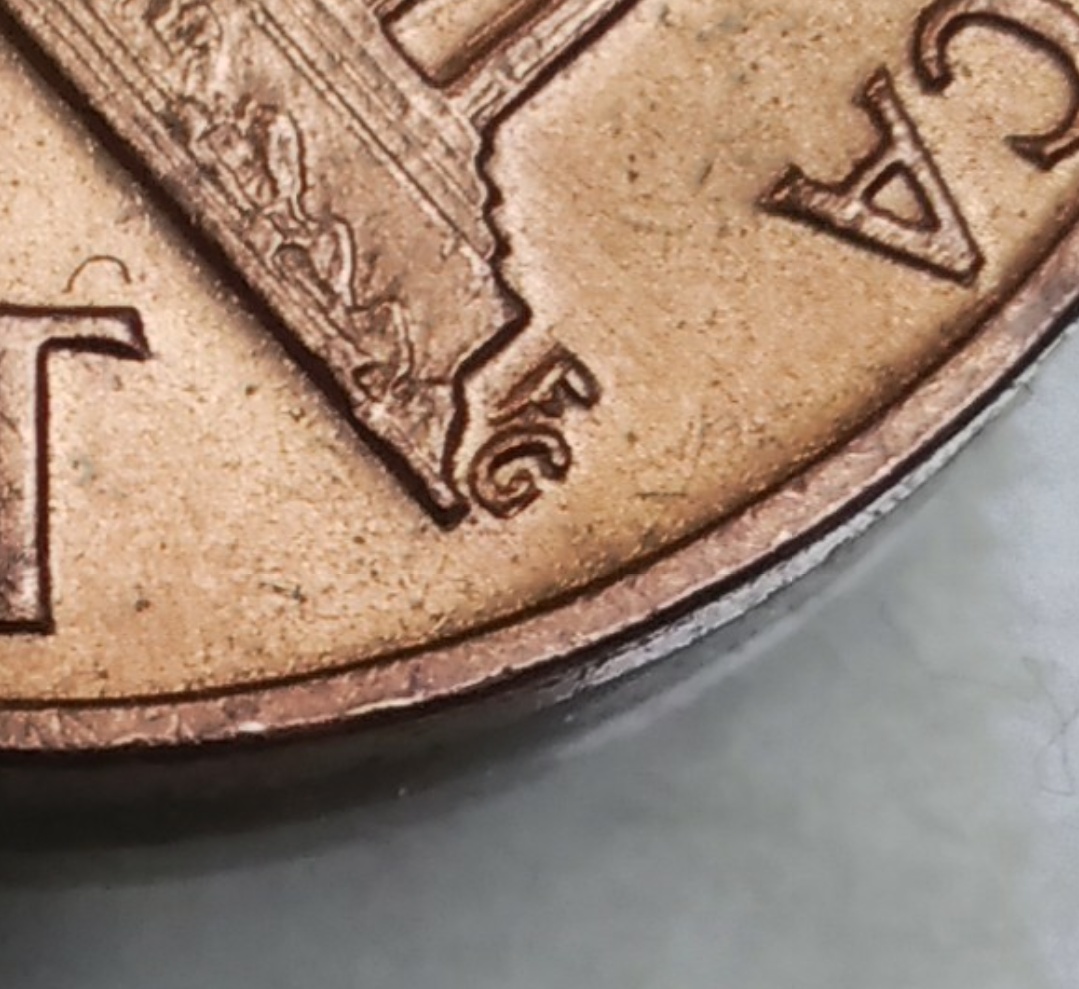
You're nitting picks. Meaning trying to put too much info into a normal machined device. The fg is either die movement MD in a sliding/slicing type motion or a hit. Not HUB DOUBLED. I try to explain MD as this. A hammer hits a 16d nail. The manner bounces, no matter how hard you try, it will bounce, its physics, releasing energy. Thi s on a die press means movement, in any direction, lateral/vertical. Does the hammer land directly where the first strike was? Course not, same with a machine that has stress relief built in, or it would break first time used, its called "play" in machine slang. So what effects happen? Any up down, rotated pulled/pushed, cut by the sharp edge of the device. Now, toss in the fact that the newly stamped divides may be "higher" off the fields to "catch the edge" over a more shallow one...and on I could go. You have to learn to recognize the easy before the hard. Distorted hub doubling is probably the HARDEST of all to find, but it all has to do with. SIZE, SIZE, SIZE...see? Hub doubling of any of the 8 classes (and combos of!)will ALWAYS, without fail INCREASE THE SIZE of the device. Hope I made that a bit clearer for ya. I'll send ya my book if you'd like.
|
|
Valued Member
United States
274 Posts |
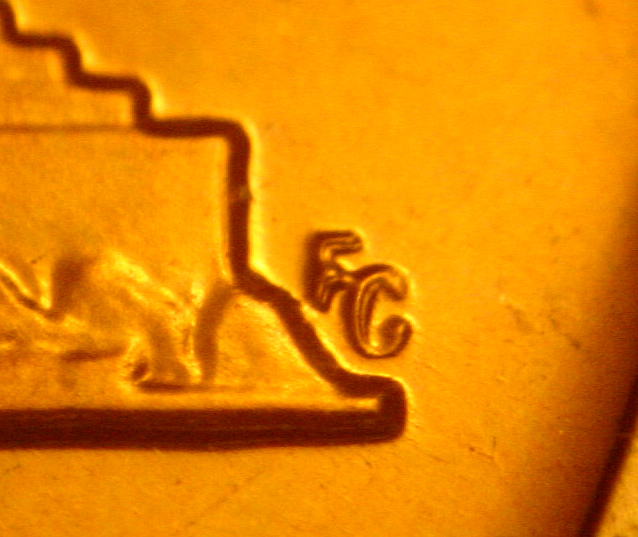
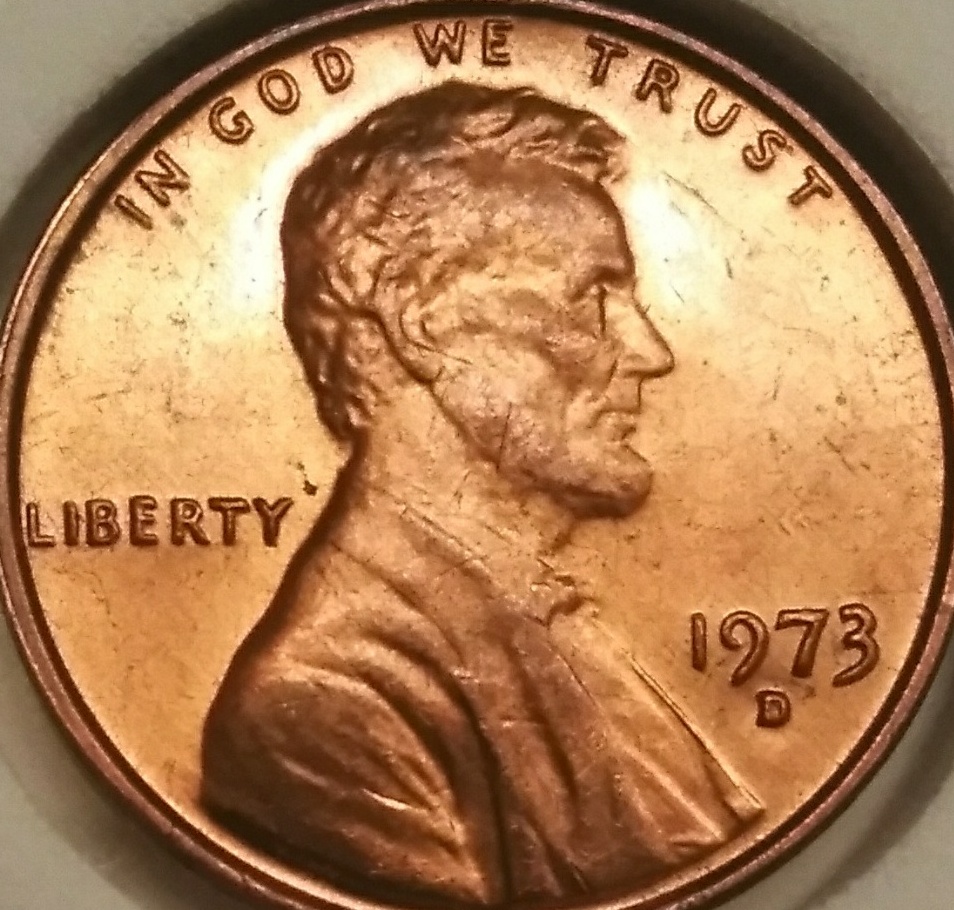
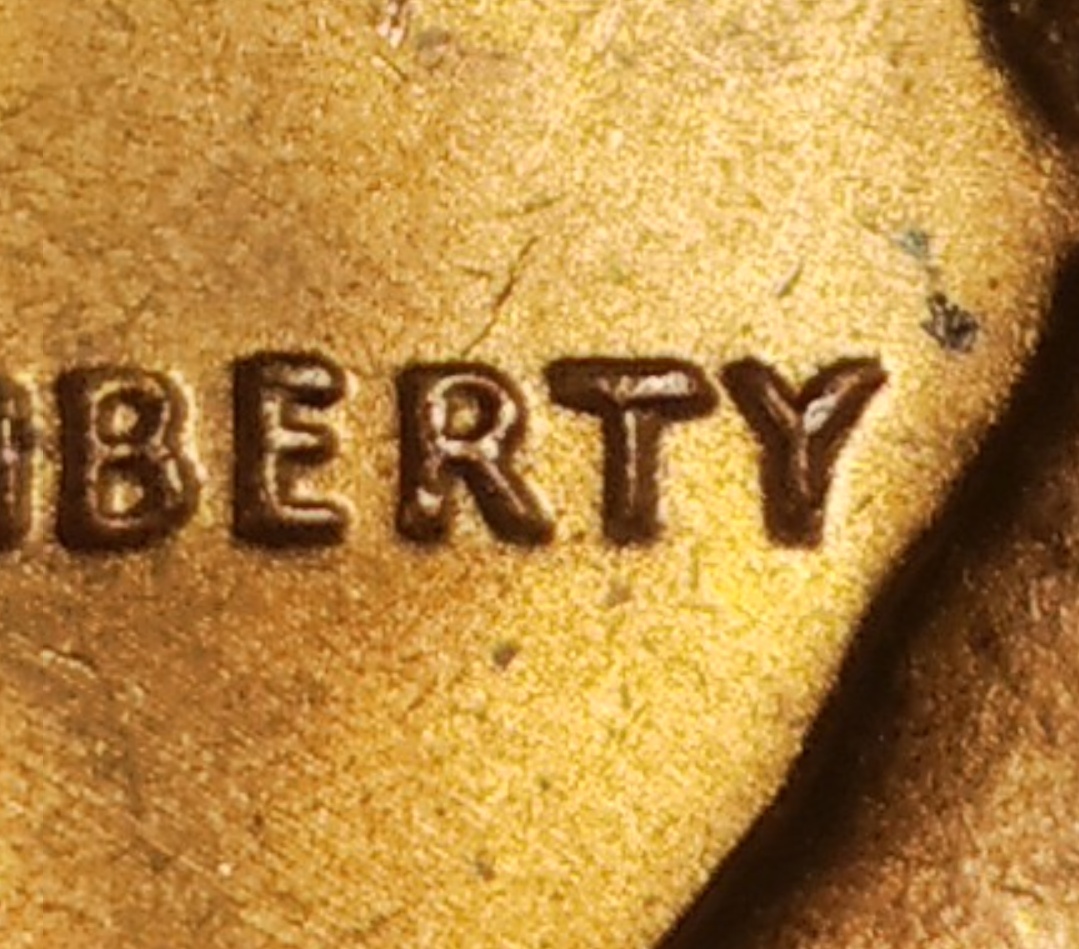
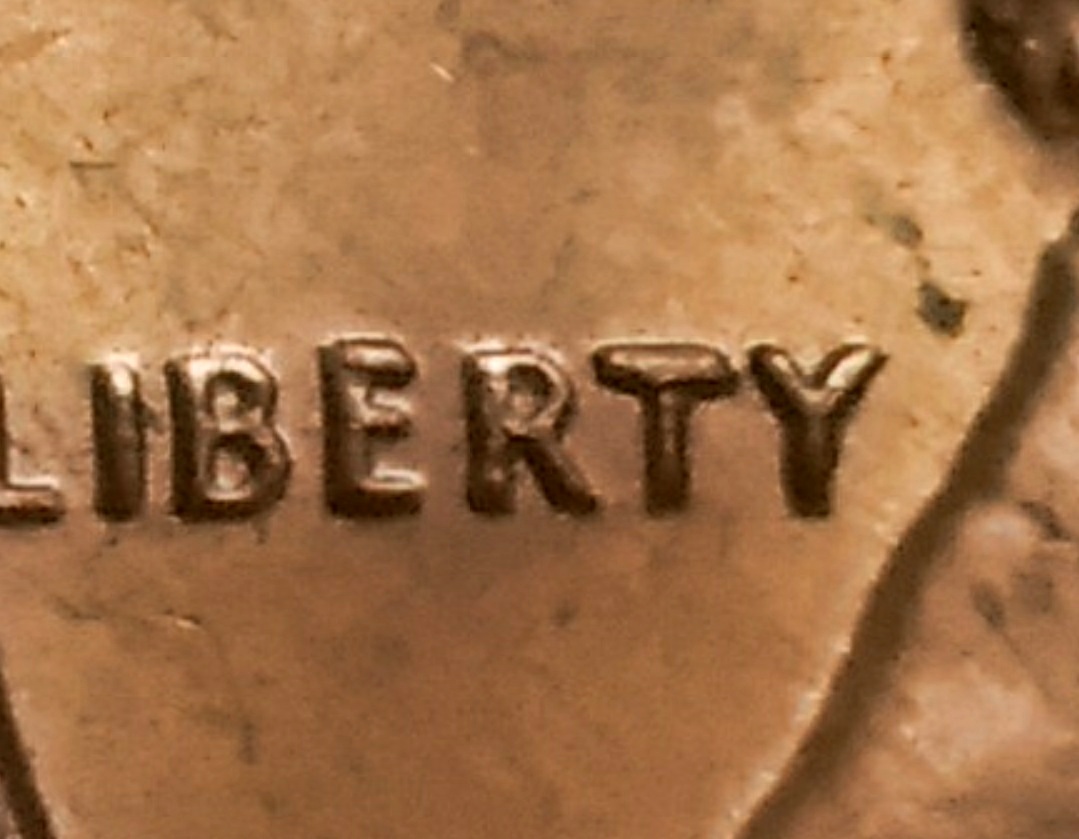
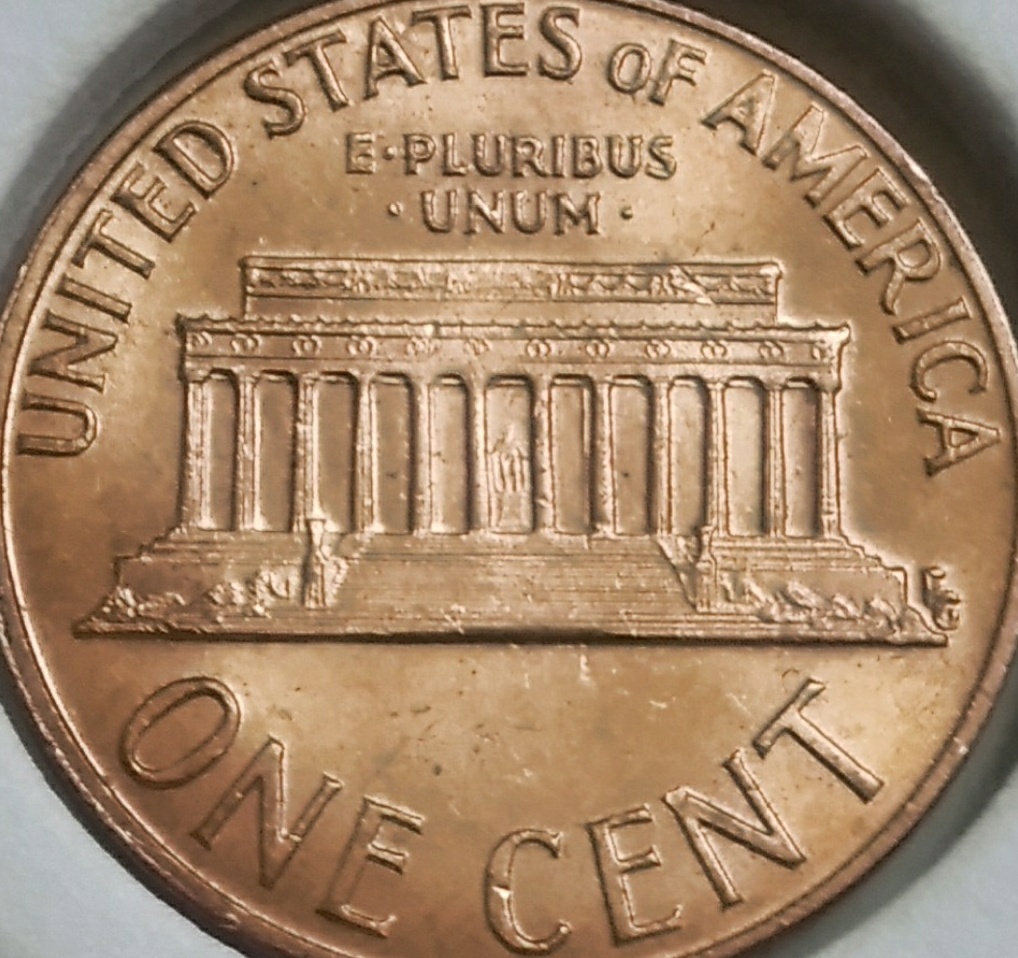
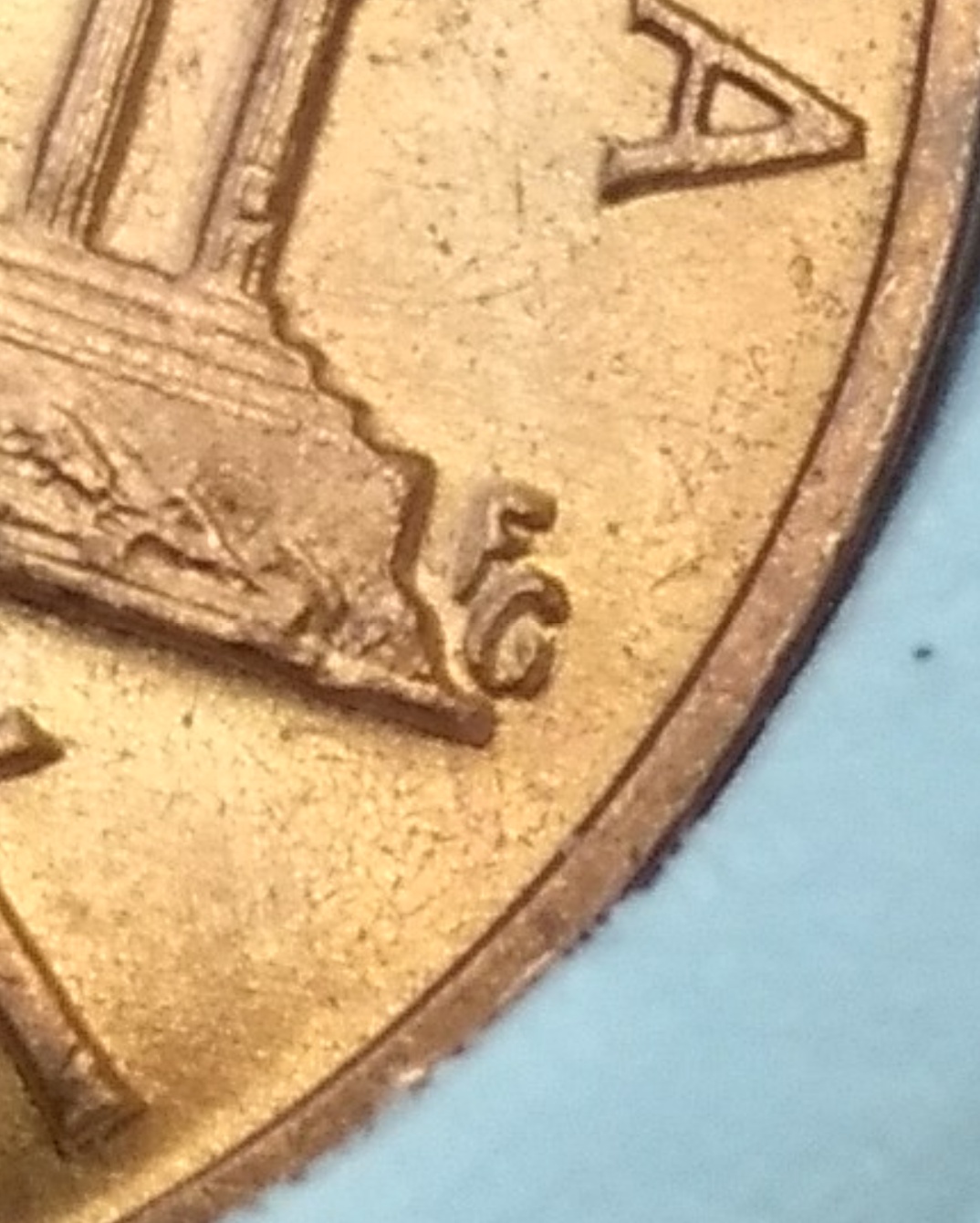
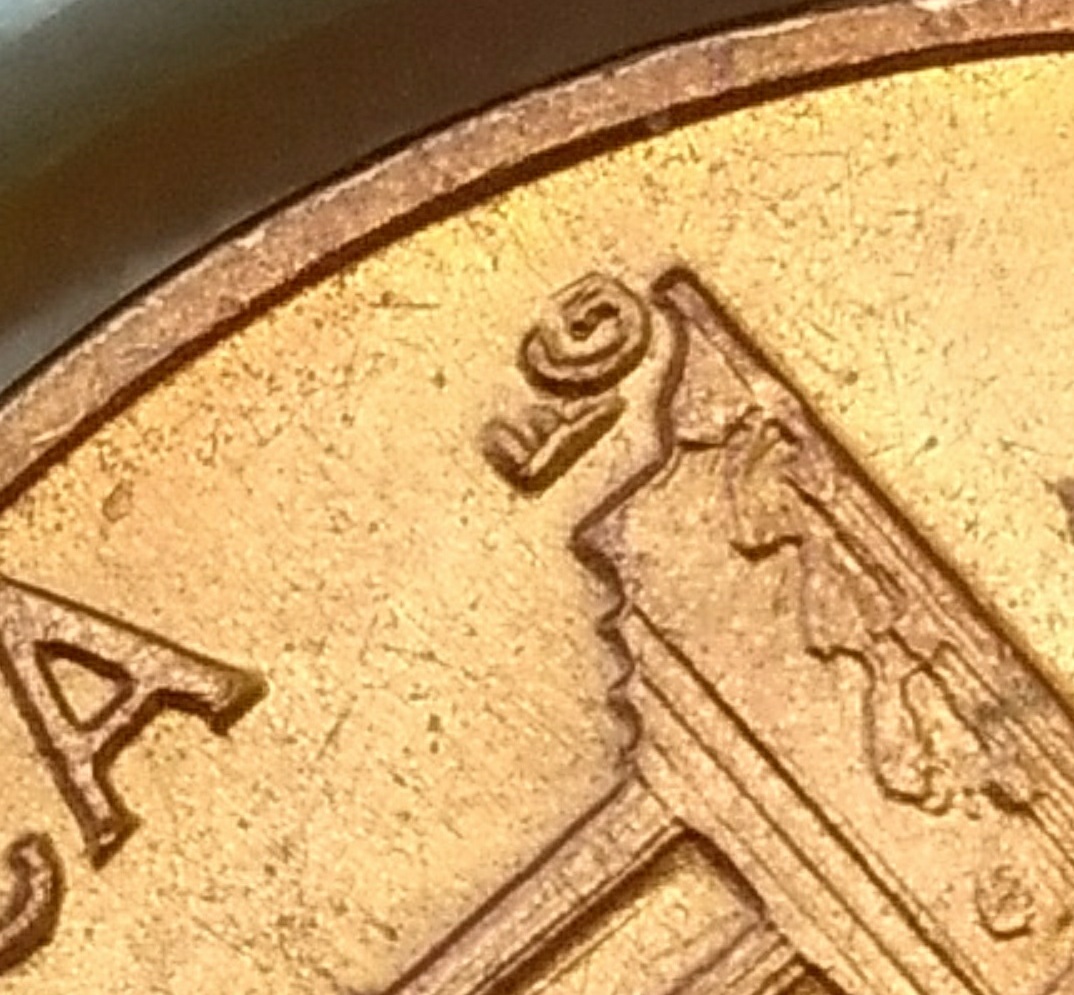
I'm kinda glad you posted this. Same as you, limited in knowledge and haven't been doing this long. I hate finding certain year LMC's and 73 is, by far, one of the worst for me. I think every 73 is a DD because of those extra fat devices. Just a couple nights ago I came across a well struck, I guess, early die stage 73 and it was so pretty I took a couple pics. Like yours, not anywhere near mint but the devices have held up well, much better than others I have. Not for comments, but here is mine. Just a fun coincidence. 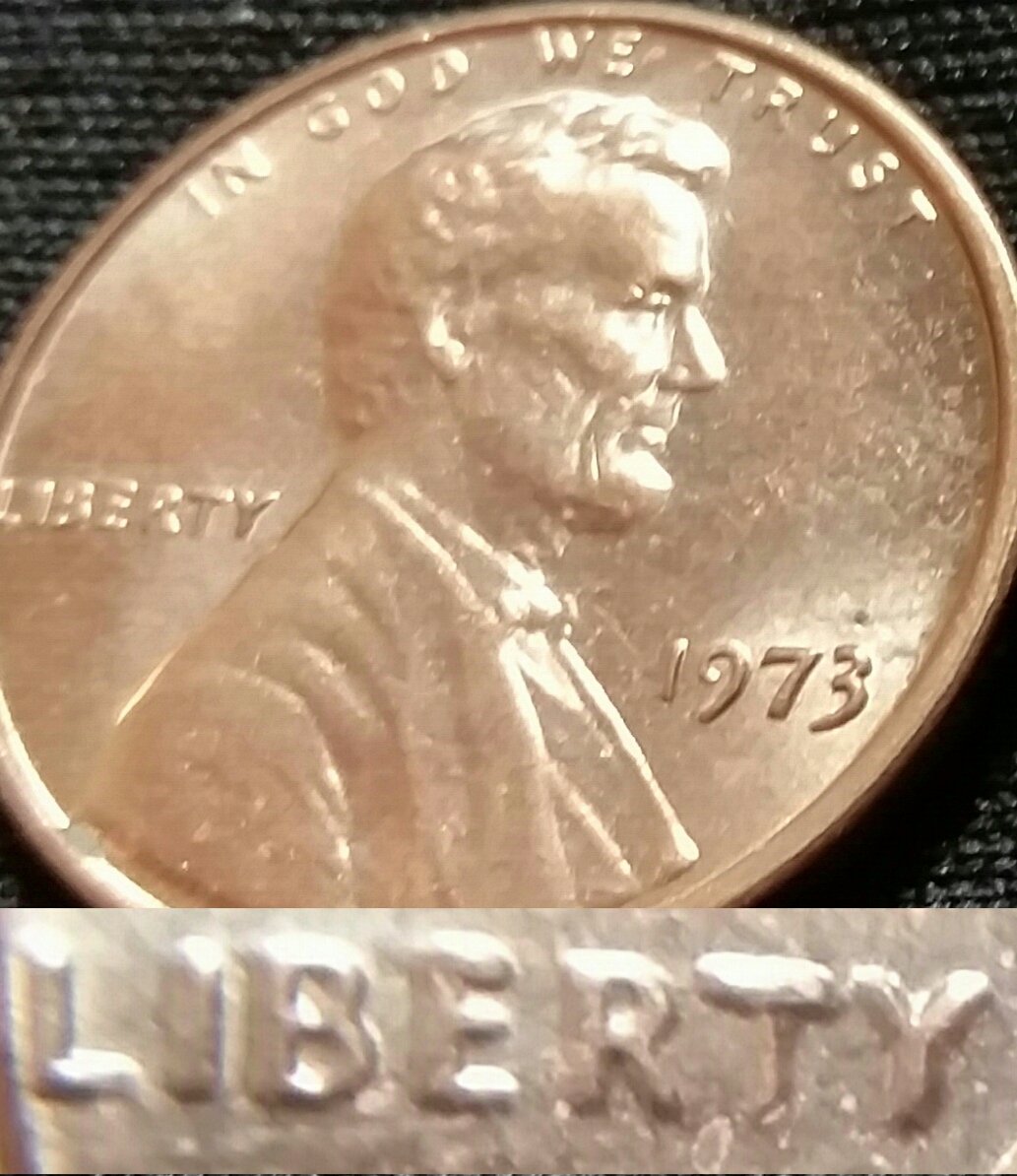 |
|
Rest in Peace
10197 Posts |
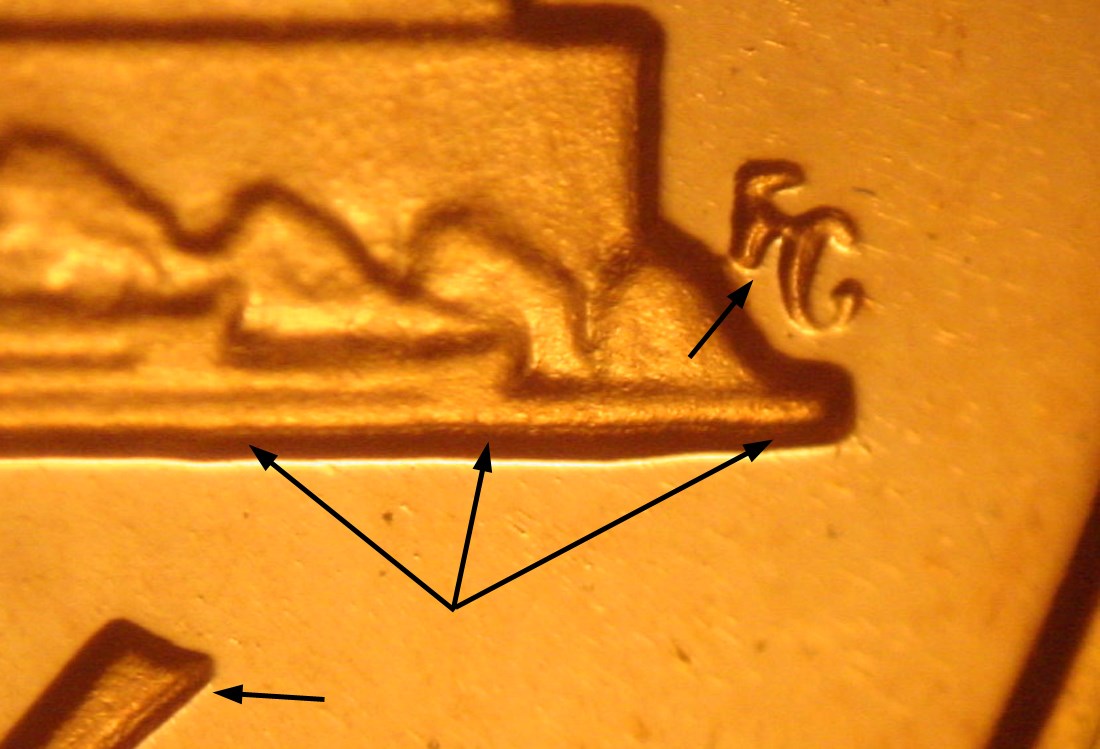
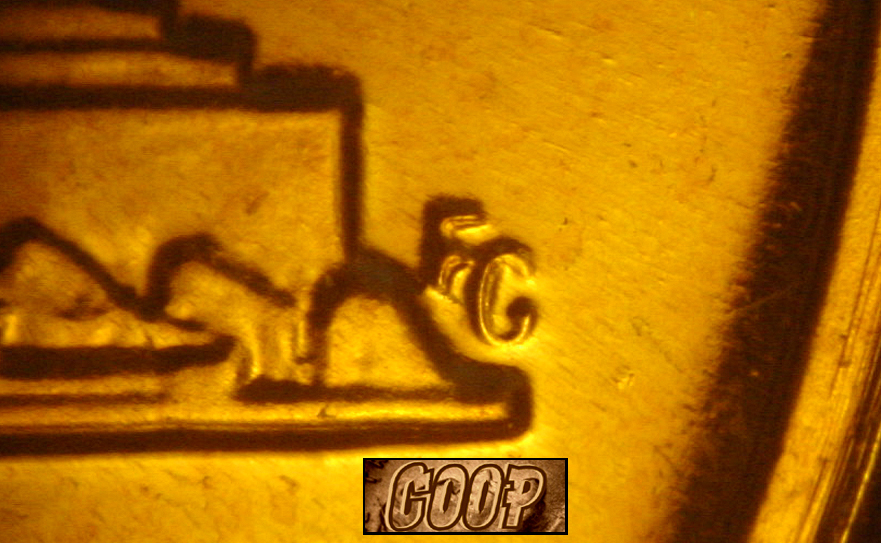
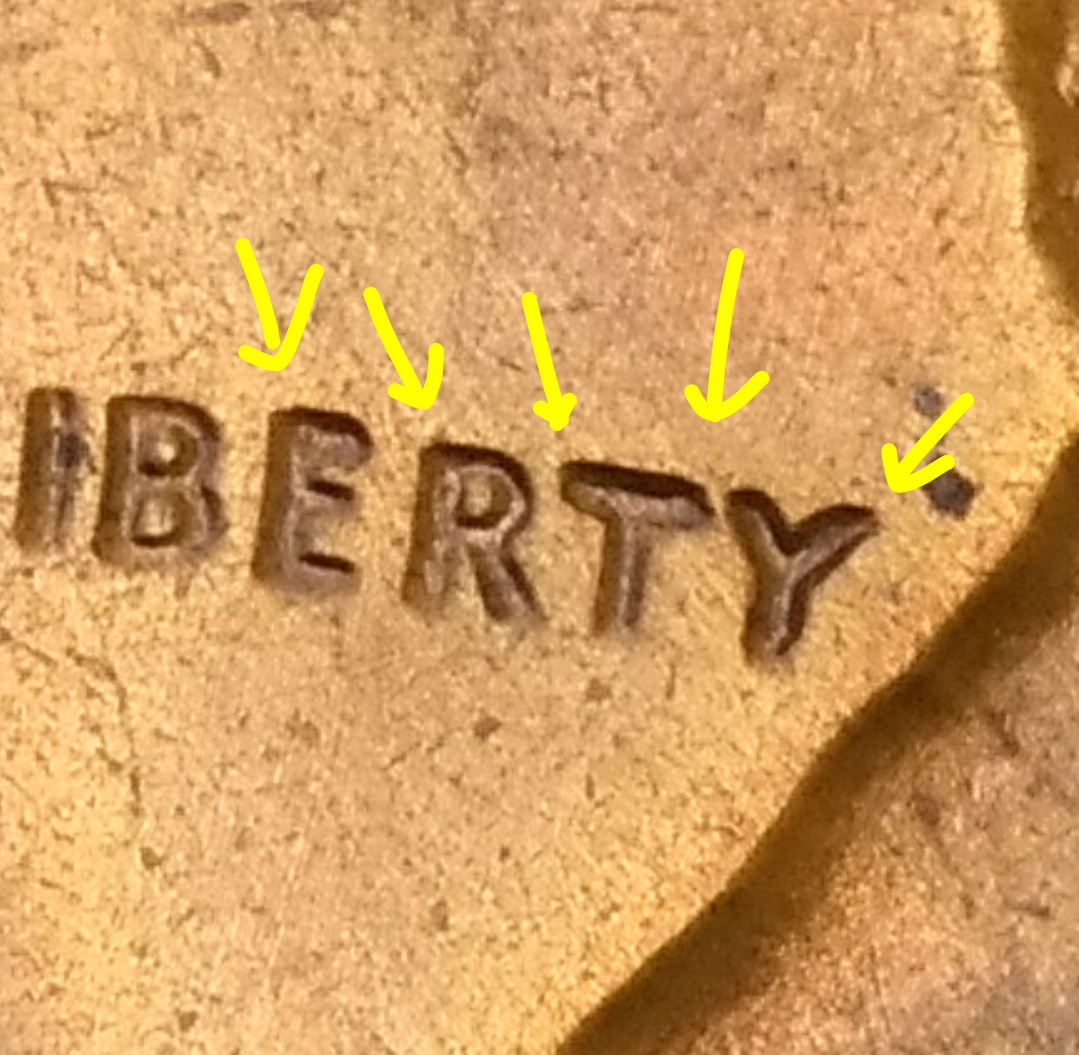
Addressing OP first marked your pix up a bit to explain, please follow along...the arrows are showing movement and direction. This could be from MD on the strike or just circulation damage from contact, either is damaged with moved metal. Now consider the R of LIBERTY, this may be a retooled point for some reason, a flaw inside the device, it is uniform in shape, but it also could be a hit. 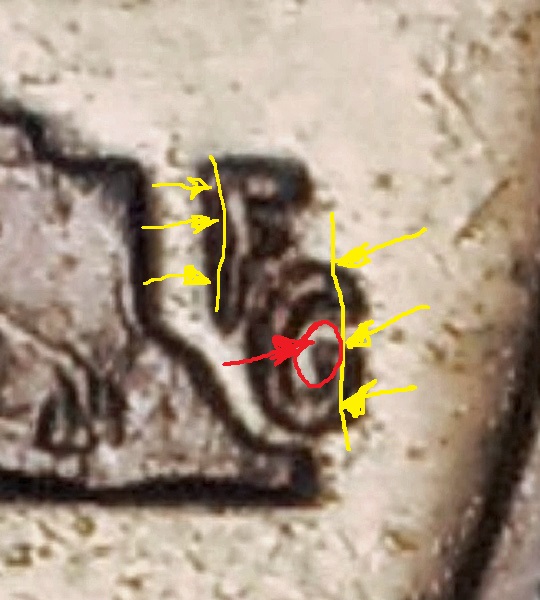 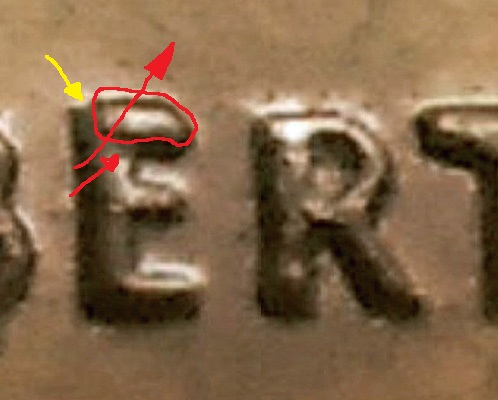 Now, Thick letters on certain years coins, are not DDO's necessarily but the design of the master dies. Now to mess ya up real good, consider the 1972 MDD...Master Die Doubling. The working Hub for this year was doubled. Therefore in the process of making other working hubs and consequently working dies, this was passed down to many other working dies, which then were hand stamped with a D or S and sent to the their respective mints. This doubling then can be found on any mint and many coins for this year. Is it a doubled die, yea, but...it is common to many hence called Master Die doubling. This thickness is common design on the 73's, was somewhat fixed in the 74 redesign. 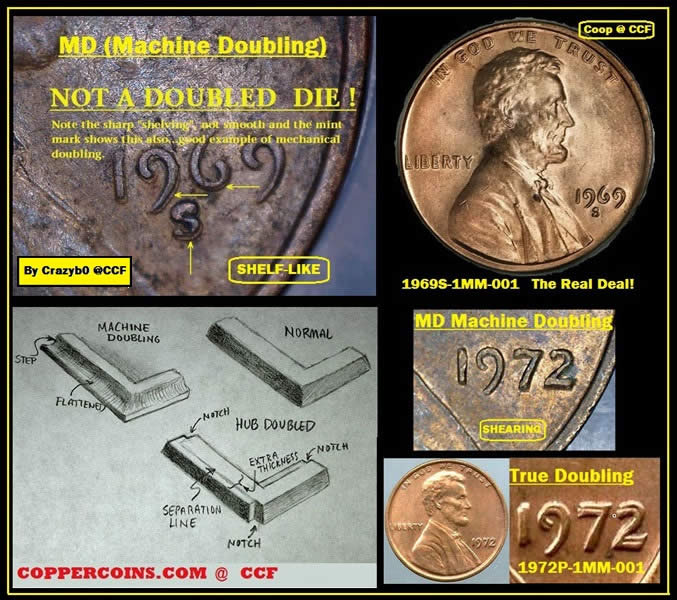 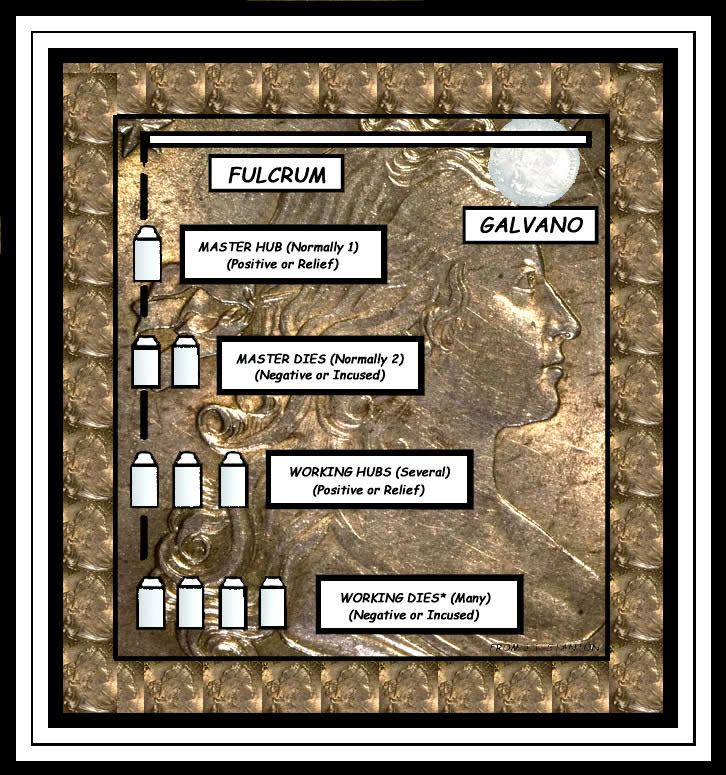 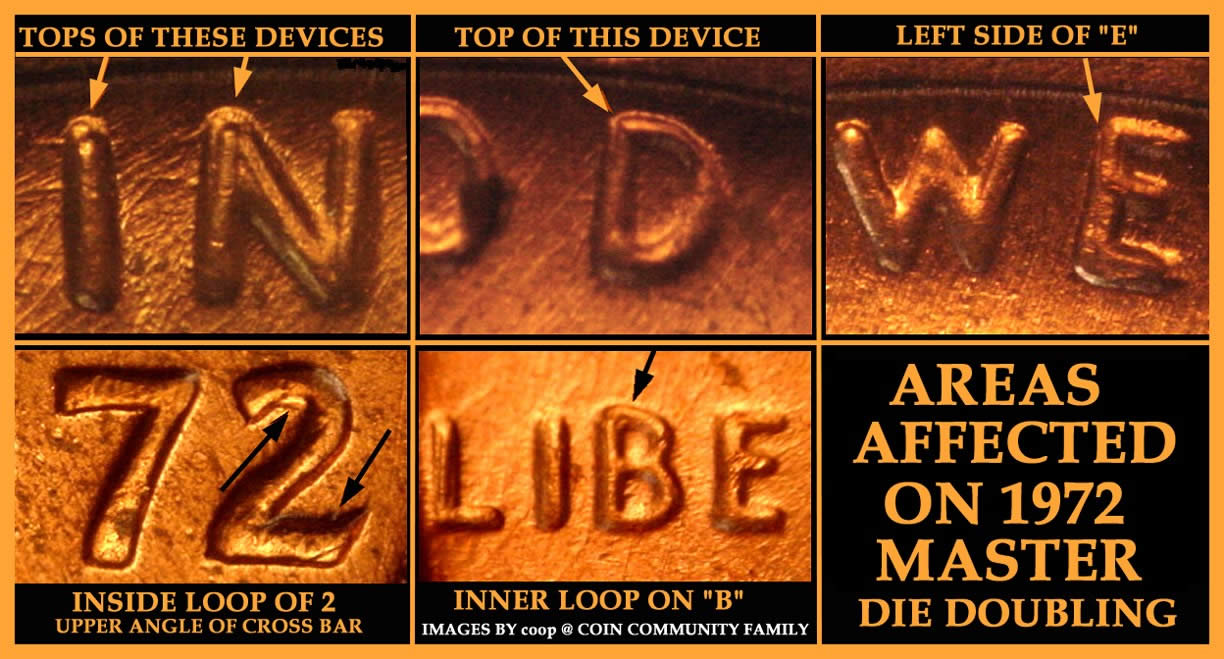 |
|
Pillar of the Community
 586 Posts |
I appreciate the info. Like I said I haven't been doing this for very long and I feel like I've come a long way from first posting about a possible error that I would immediately know now as PMD. There is so much info out there that trying to retain it all and then be able to apply it to a coin every time when there are so many exceptions to the rule depending on type of coin, mint year, etc. Is daunting. I've def learned a lot along the way and sometimes it's easier to post here and get a thorough explanation to a certain topic than go out and find it out on your own when your not even sure what it is to begin with. The coin may have MD but it does also share certain characteristics with true dd's and some of them are pretty strong indicators, though I do realize that it doesn't matter how many it does share if not having just one of them missing negates the argument altogether. But like I said pretty much from the beginning of the first post, I didn't say it was a dd. I asked about the progression of die wear and it's affect, if any, on the doubled die. I did have misgivings about it being genuine for some of the same reasons you explained, but I also know there are examples of dd that only affect certain areas or devices. The biggest problem being I don't always apply the right circumstances to the right issue of coin. But to get back to what you said in your first comment, basically if we're talking about doubling showing on the letters and/or numbers, the devices will always end up bigger and therefore this indicator can be used right off the bat to determine whether or not what you think you have is DD or not. Then you can look for other traits to determine the class. I didnt see your second reply before I wrote this and I see what you said about the MDD and those particular years. Edited by Waynoah83
05/01/2018 03:21 am
|
|
Valued Member
United States
420 Posts |
Quote:
...But to get back to what you said in your first comment, basically if we're talking about doubling showing on the letters and/or numbers, the devices will always end up bigger and therefore this indicator can be used right off the bat to determine whether or not what you think you have is DD or not...
Yes and no.. Or better put: True as far as it goes but incomplete.. Line separation and notch indication need inclusion as well.. Without them all you have are fat letters / numbers due to ? ? ?; no doubling involved.. |
|
Bedrock of the Community
United States
62064 Posts |
|
| |
Replies: 6 / Views: 2,204 |
|
To participate in the forum you must log in or register.
Disclaimer: While a tremendous amount of effort goes into ensuring the accuracy of the information contained in this site, Coin Community assumes no liability for errors. Copyright 2005 - 2026 Coin Community Family- all rights reserved worldwide. Use of any images or content on this website without prior written permission of Coin Community or the original lender is strictly prohibited.
Contact Us | Advertise Here | Privacy Policy / Terms of Use
|
| Coin Community Forum |
© 2005 - 2026 Coin Community Forums |
| It took 0.31 seconds to rattle this change. |
 |
|












 Posted 05/01/2018 01:41 am