| Author |
 Replies: 13 / Views: 2,339 Replies: 13 / Views: 2,339 |
|
|
Valued Member
United States
262 Posts |
|
|
|
|
Rest in Peace
United States
17900 Posts |
 ...kidding...I'm KIDDING...  plating shift is all over. |
|
Valued Member
 United States
262 Posts |
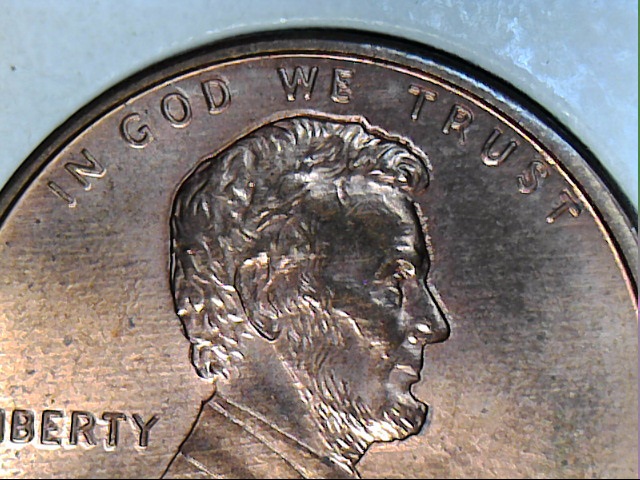
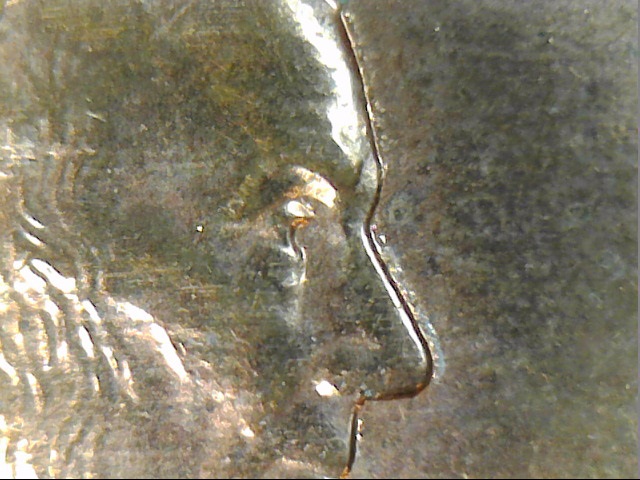
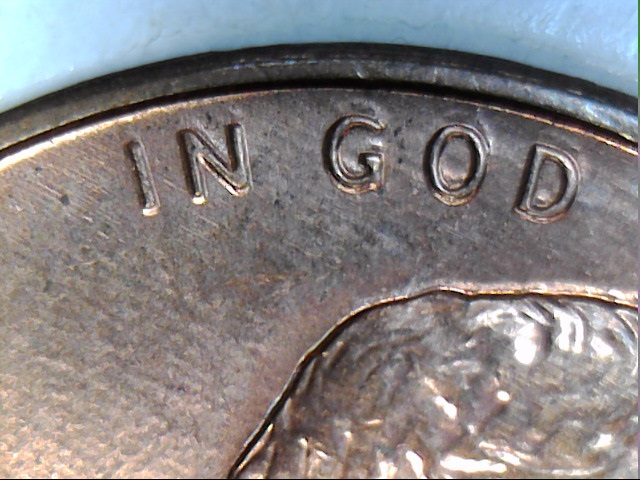
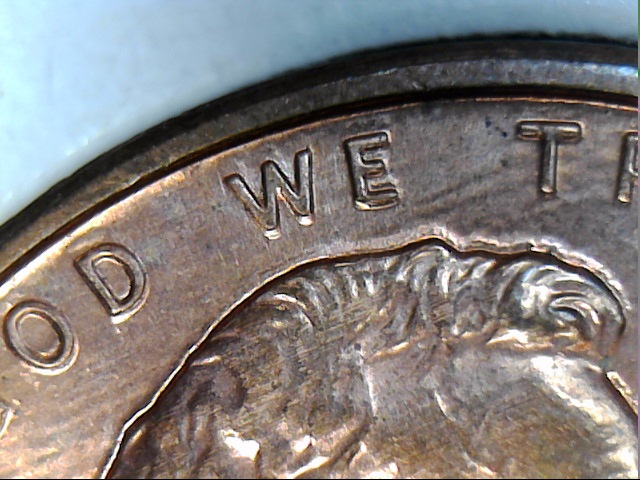
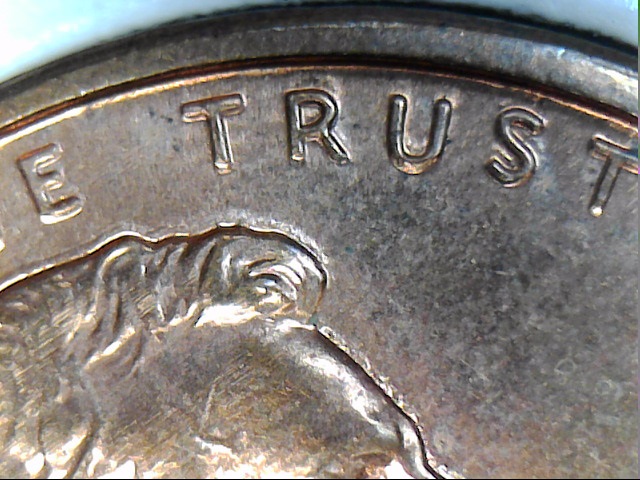
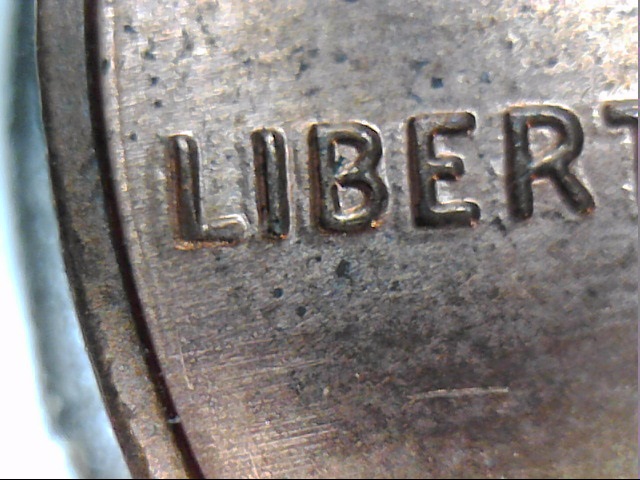
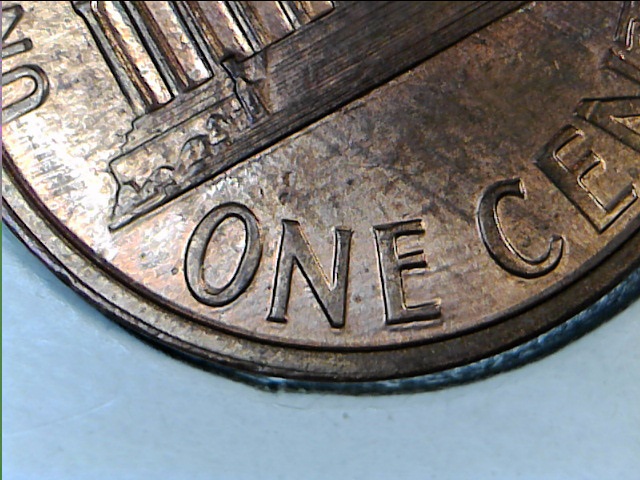
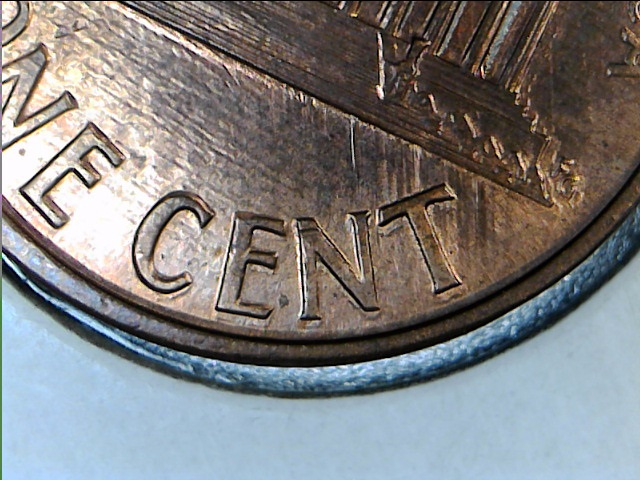
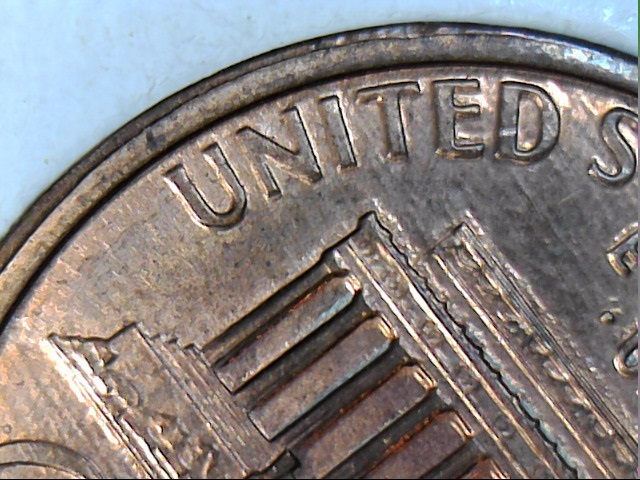
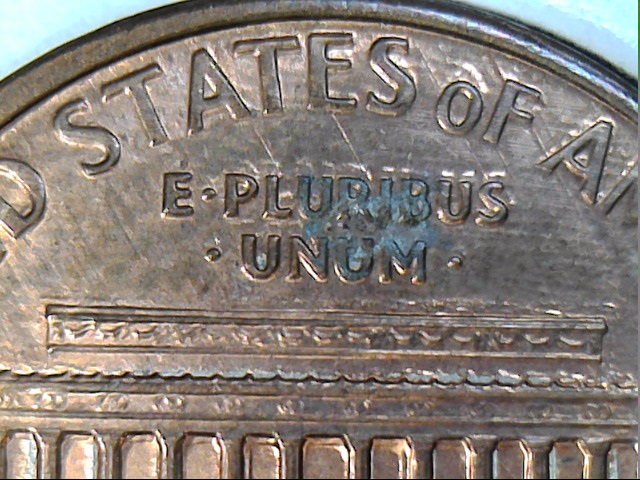
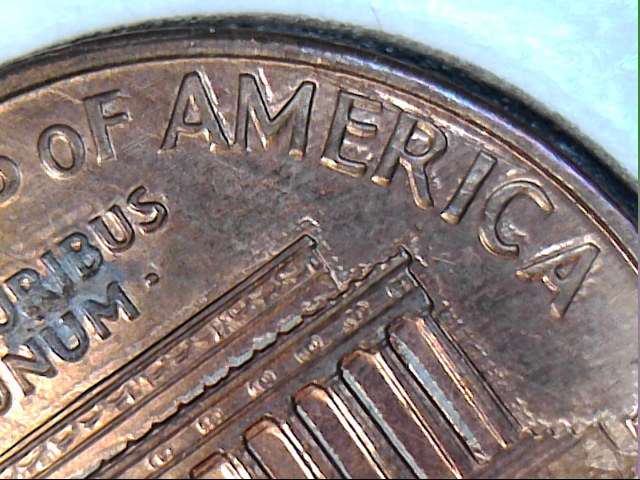
I know it's a lot of pictures, but there was a lot to show.
|
|
Rest in Peace
10197 Posts |
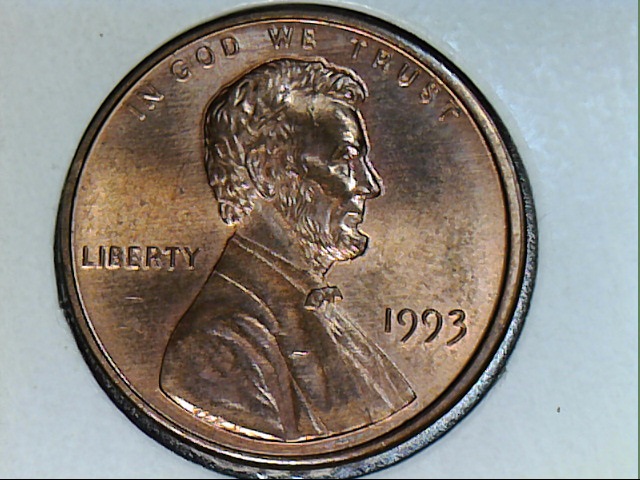
Nope, don't agree w PDD. it is early stage Die Deterioration. Know how I know? The effects are outwards in the direction of metal flow, all over, like spokes radiating from the center. Early stage because the breakdown isn't being seen within the devices. It is still quite intriguing in that the bust and IGWT is affected along with date/LIBERTY. Nice example coin! |
|
Valued Member
United States
262 Posts |
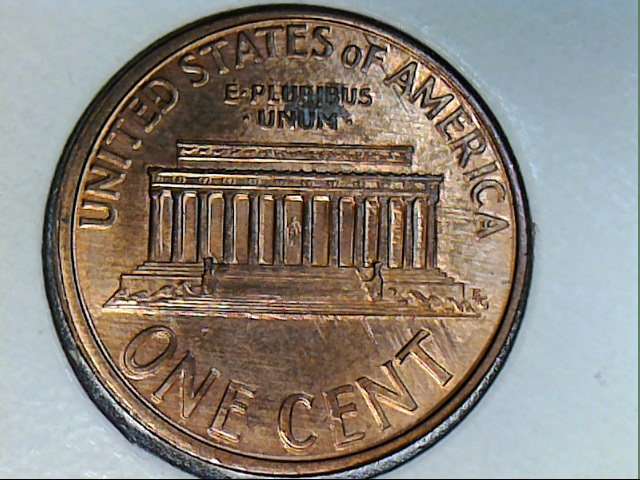
OK, maybe, you know better than I, but there is something more going on with the reverse at least. Could it be both?
|
|
Rest in Peace
10197 Posts |
What's going on w/reverse is DDD as well but it looks like Feeder Finger Damage (on die) for those angled lines on the right half of reverse. |
|
Pillar of the Community
7234 Posts |
|
|
Pillar of the Community
United States
717 Posts |
I can't identify the issue, but it looks impressive!
|
|
Pillar of the Community
United States
8715 Posts |
|
|
Rest in Peace
10197 Posts |
From http://www.error-ref.com:Quote:Die Scrapes Die Damage: Die Scrapes Definition: Die scrapes are a form of die damage that is caused by the feeder finger scraping across the anvil die. Die scrapes appear on a coin as closely-spaced, parallel ridges. It is a form of die damage that's usually caused by the feeder finger scraping across the anvil die face. Die scrapes also sometimes appear on the hammer die. There are probably other causes of die scrapes, but in most cases they're difficult to distinguish from Feeder Finger Damage. 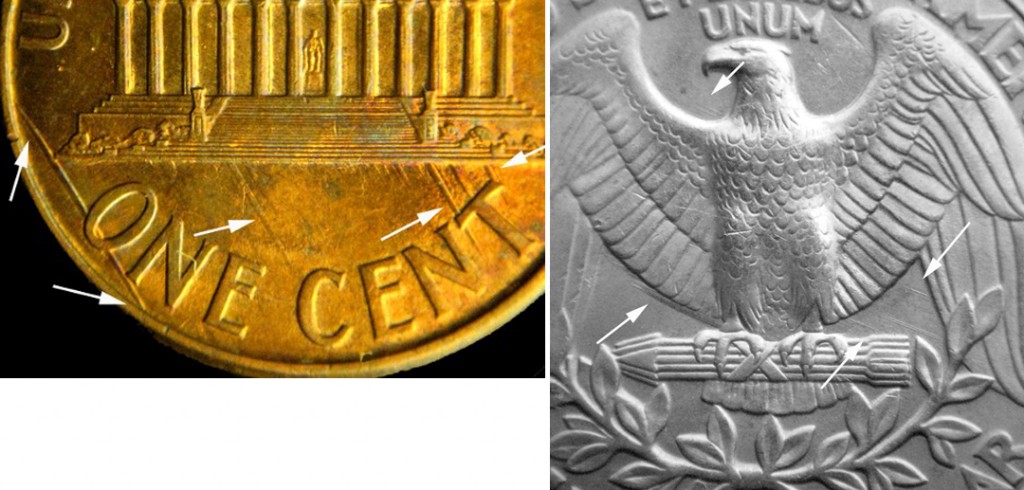 Quote:Die Deterioration Doubling PART IV. Die Errors: Die Deterioration / Deformation errors: Die Deterioration DoublingDefinition: Die Deterioration (die wear, die fatigue) sometimes produces discernible doubling of affected design elements. We call this Die Deterioration Doubling ( DDD). Its appearance is highly variable. It is often raised but can sometimes be incuse. Incuse DDD is most often seen on copper-plated zinc cents, but does occasionally appear in other issues. Die Deterioration Doubling may completely surround an affected design element (like a number or letter) or may be restricted to one side. 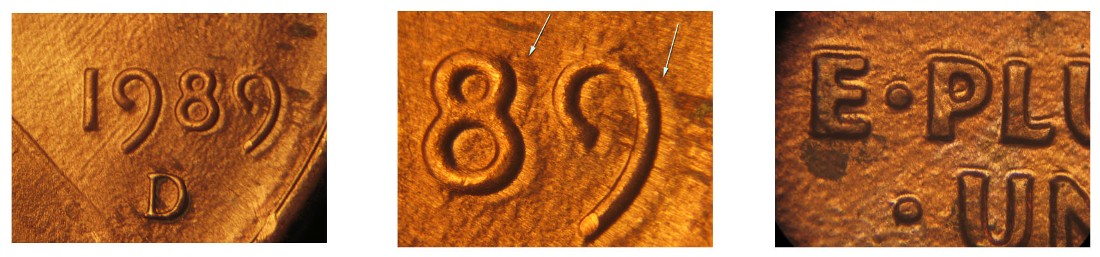 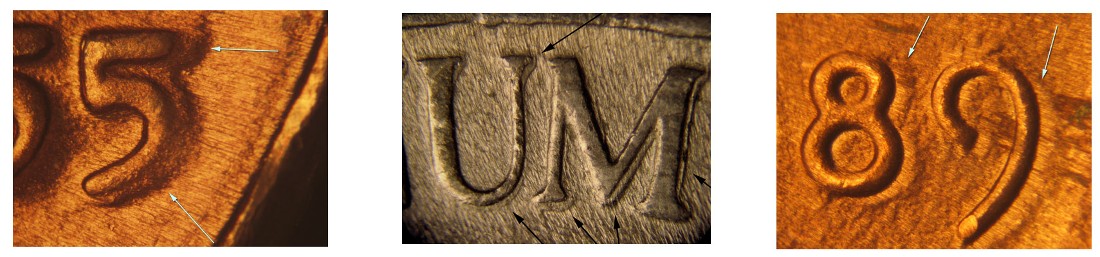 Edited by Crazyb0
05/04/2018 9:45 pm
|
|
Valued Member
United States
262 Posts |
|
|
Pillar of the Community
7234 Posts |
Quote:
It's something of a hybrid between blistered plating and split plating doubling. Tensile stresses that are generated next to the raised design during the strike cause the copper plating to lift up. Sounds like these guys stay up too long at night creating new definitions. But at it as it may - don't look like your pictures.  |
|
Pillar of the Community
United States
939 Posts |
That is plating disturbance. 100%. Maybe crazyb0 is thinking about split plating like I thought I might see when reading the title. Does have die scrapes as well
|
|
Pillar of the Community
United States
2752 Posts |
Admittedly, there can be some overlap in appearance between Die Deterioration Doubling and plating disturbance doubling. But they arise from entirely different processes. Here are three clear examples of plating disturbance doubling: 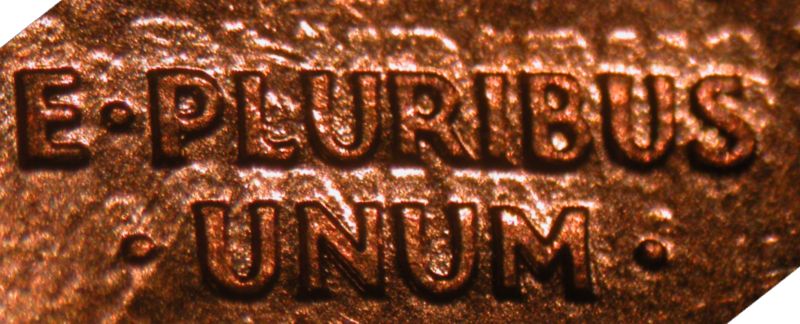 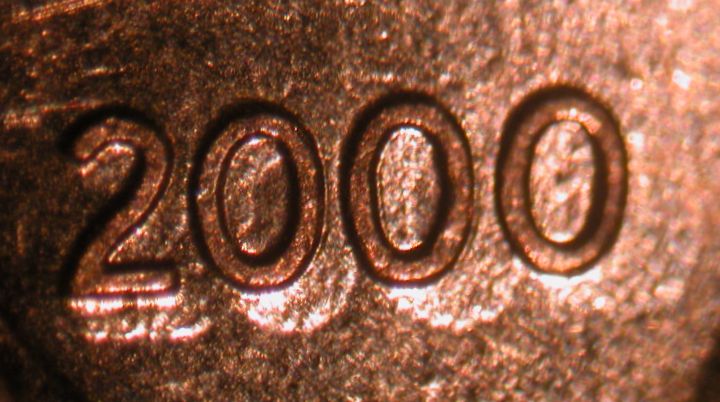 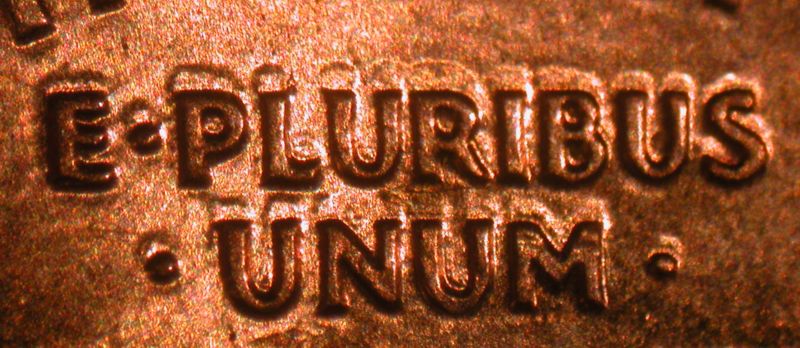 Error coin writer and researcher.
|
| |
Replies: 13 / Views: 2,339 |
|












 Posted 05/04/2018 5:56 pm





