| Author |
 Replies: 8 / Views: 1,532 Replies: 8 / Views: 1,532 |
|
|
Pillar of the Community
United States
4233 Posts |
|
|
|
|
Moderator
 United States
14463 Posts |
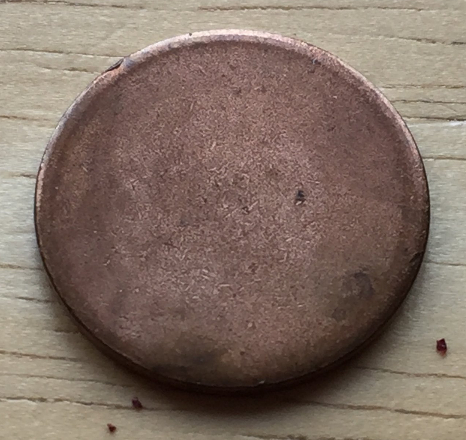
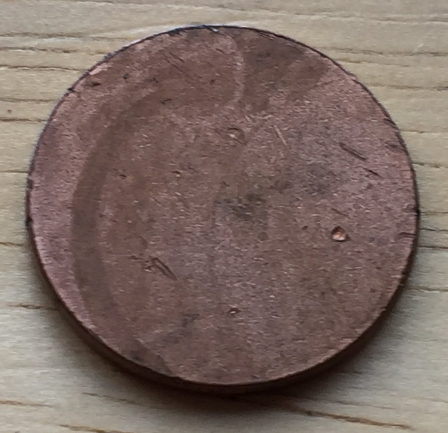
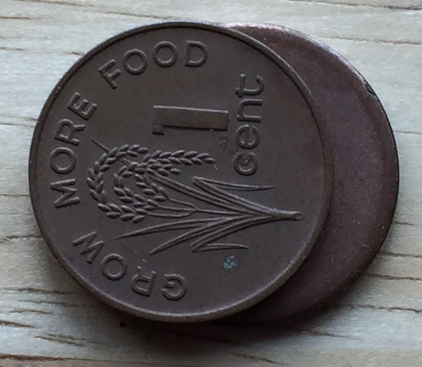
I am not sure that is a planchet. One side with curved edge, and other side a sharp 90 degrees, it looks a bit like an electrical box knock-out. But its not the correct metal for that.  |
|
Bedrock of the Community
Australia
21792 Posts |
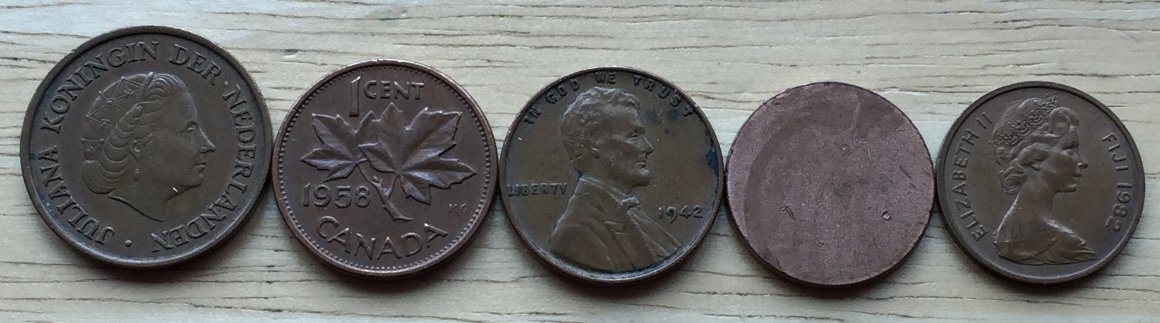
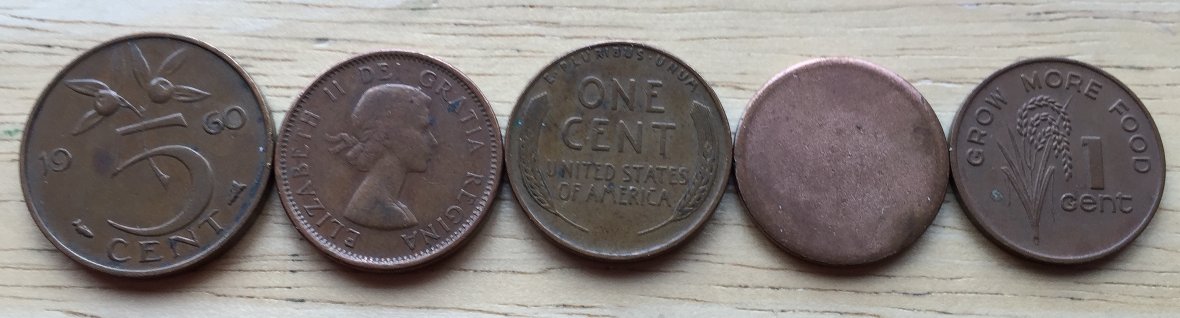
Due to the cross shear lines, I am thinking 'blank', rather than 'planchet'. Although it matches Fiji for diameter it does not necessarily follow that the 'blank' or whatever it is , was intended for Fiji. The British Royal Mint at some time or other, has executed orders for most British Commonwealth Countries. Quite apart from the above discussion, The Royal Mint, due to the nature of their business in striking coins on behalf of so many countries, is the most the notorious for producing wrong planchet error coins. |
|
Pillar of the Community
 United States
4233 Posts |
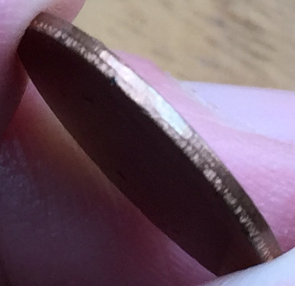
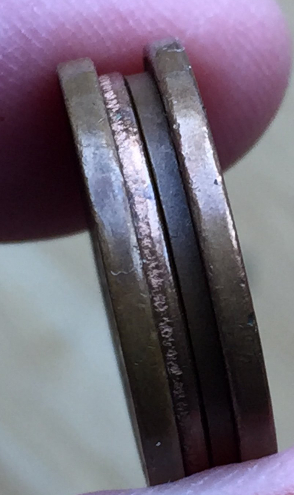
Update - it is very strongly attracted to a magnet. Sorry, I should have tested that along with taking the pictures. None of the other coins pictured, including Fiji, are attracted to a magnet (probably obvious but just to be clear). It does "seem" like a knock out, but there is no tab or anything damage-wise indicating this, the rim is smooth all the way around. As you might see in the bottom two pictures, the smooth half of the rim edge is almost like a mushroom cap, although the difference between "stem" and "cap" is probably on the tenth of a millimeter scale or less. The sound on a hard surface is dull like a modern US cent, and lacks the distinct copper "ring" of the Fiji coin. It sure looks like copper. The mystery is probably why I've kept it so long. Maybe they were just passing off these blanks to tourists in Fiji when I was there - $1.00 bought you a big meal in 1985 in the locals places.
|
|
Bedrock of the Community
United States
12477 Posts |
There are countries which produced copper-plated steel coins (usually cents). That may account for the magnetism. I can't think of a non-coin area that it fits into.  In Memory of Crazyb0 12-26-1951 to 7-27-2020
In Memory of Tootallious 3-31-1964 to 4-15-2020
In Memory of T-BOP 10-12-1949 to 1-19-2024
|
|
Rest in Peace
10197 Posts |
It is an electrical knockout from a commercial industrial size fuze/wiring panel. This was for a 000 heavy gauge high voltage grounding buss bar, circa 1970's or earlier. Steel displaces heat faster than copper, HV could melt plain copper terminals. 50Kv plus, not yer wall outlet. This will turn you to ash in 40 seconds if you were that grounding buss bar. Remember Billy, lick yer fingers first, they'll stick better!
|
|
Pillar of the Community
United States
4233 Posts |
That's a possibility, however the "grounding bus bar" I'm finding are much thicker, on the order of a quarter inch.
|
|
Pillar of the Community
Belgium
2895 Posts |
|
|
Pillar of the Community
United States
4233 Posts |
Yes, Petrus, it could be that. Searching "copper perforated mesh" yields many products where the punch outs would probably match. I don't know how you'd distinguish them from a coin blank, but I suppose it doesn't really matter that much. The material does seem kind of cheap, but so does a modern US cent. It's the "proto rim" on one side that throws me off I guess. Putting slugs into coin slots was pretty popular back then and I guess I just ended up with one.
|
| |
Replies: 8 / Views: 1,532 |
|












 Posted 05/13/2018 8:02 pm


